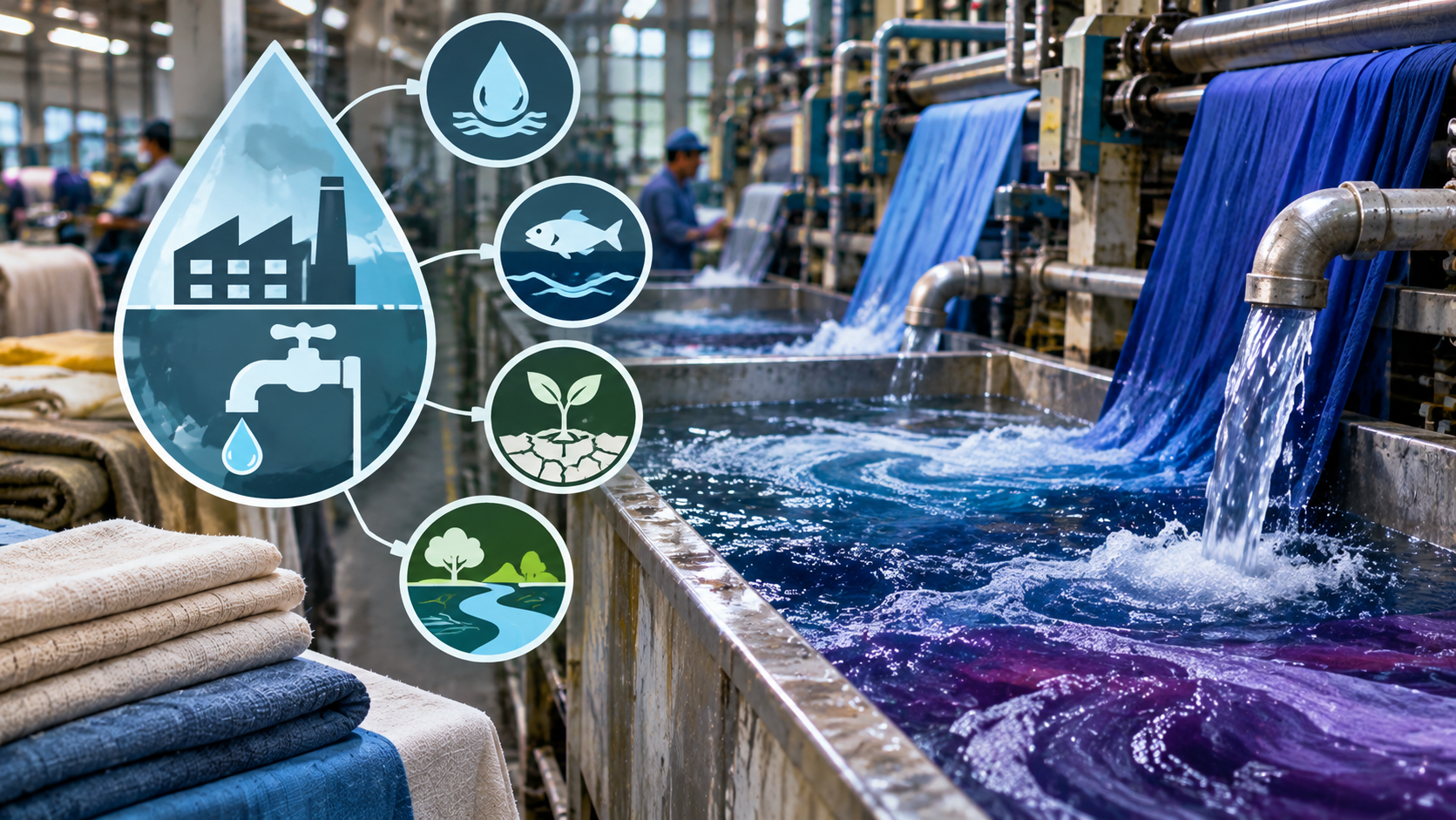
Water Consumption in Textile Manufacturing is a critical topic that significantly shapes the industry’s practices and environmental impact. The textile sector relies heavily on water for processes like dyeing, washing, and finishing, making it an essential resource in creating the garments we wear. However, the excessive use of water not only puts a strain on local ecosystems but also affects the communities dependent on these water sources. Understanding the delicate balance between water usage and sustainable practices is key to fostering a more responsible textile industry.
This exploration delves into the multifaceted role of water in textile production, examining the various stages where it is utilized and the implications of its overuse. As we journey through the strategies of water reuse and the innovations aimed at reducing consumption, it becomes clear that the textile industry is at a crossroads, where sustainability and efficiency must guide its future.
The significance of water consumption in textile manufacturing
Water plays a crucial role in textile manufacturing, primarily serving as a solvent and processing agent throughout various stages of production. From fiber preparation to the finishing of fabrics, water is integral to many processes that ensure the quality and aesthetic appeal of textile products. The textile industry is one of the largest consumers of water globally, and understanding its importance highlights the need for sustainable practices that can mitigate the environmental impact associated with excessive water use.
In textile production, water is used extensively in several processes. First and foremost, it is vital in the dyeing process, where fabrics are colored to achieve the desired hues. This process often requires large volumes of water to dissolve dyes and fix them onto the fabric effectively. The dyeing stage can consume thousands of liters for just a single batch, depending on the fabric type and dyeing method. Following dyeing, washing is another critical step that involves removing excess dye and impurities. This process can further amplify water consumption, as rinsing multiple times is often necessary to achieve the desired cleanliness and finish.
Finishing treatments, which enhance the texture and performance of fabrics, also rely heavily on water. Processes such as softening, flame-retardant treatment, and antibacterial finishes typically require water for proper application and efficacy. Additionally, the preparation of fibers, particularly for natural materials like cotton or wool, involves soaking and cleaning to remove any impurities, which also contributes to water use in the textile production chain.
However, excessive water use in textile manufacturing has significant repercussions on local ecosystems and communities. Over-extraction of water from rivers, lakes, and groundwater can lead to severe depletion of these resources, affecting biodiversity and the availability of clean water for local populations. This depletion not only threatens aquatic life but can also cause conflicts among communities that depend on these water sources for drinking, agriculture, and other essential needs. Furthermore, the wastewater generated from manufacturing processes, often laden with hazardous chemicals, poses a serious environmental risk if not treated properly. It can contaminate local water supplies, leading to health hazards and detrimental effects on agriculture and wildlife.
In summary, while water is indispensable to textile manufacturing, it is essential to adopt more sustainable practices to minimize its environmental impact and ensure the protection of local communities and ecosystems.
Various methods of water reuse in textile manufacturing
In the textile manufacturing industry, water is a critical resource utilized in various processes, from dyeing to finishing. Given the increasing scarcity of freshwater and the environmental impacts associated with its consumption, manufacturers are turning to innovative methods of water reuse. By implementing effective recycling strategies, companies can not only diminish their ecological footprint but also lower operational costs. This discussion delves into the different strategies and technologies that facilitate water reuse in textile manufacturing.
Strategies for Water Reuse
Several strategies have emerged in the textile sector aimed at recycling and reusing water. These strategies not only improve sustainability but also enhance operational efficiency. Below are key methods employed:
- Closed-loop systems: Many textile manufacturers have adopted closed-loop systems that allow for the continuous reuse of water within the production process. Water used in dyeing or washing can be treated and reused multiple times before being discharged.
- Greywater recycling: This involves collecting and treating water that has been used for purposes other than human waste, such as washing and dyeing. Advanced filtration systems can purify greywater to a standard suitable for reuse in non-potable applications.
- Membrane technology: This technology utilizes membranes to separate contaminants from water, allowing for effective purification. Reverse osmosis and ultrafiltration are examples that are widely used in textile processes to recover clean water from wastewater.
- Biological treatment methods: Employing microorganisms to treat textile wastewater can be highly effective. Biological methods, such as activated sludge processes, help break down organic materials, ensuring that the wastewater is suitable for reuse.
Technologies for Water Treatment and Purification
The advancement of technology plays a significant role in facilitating water treatment and purification specifically for textile applications. These technologies not only ensure compliance with environmental regulations but also make water recycling feasible. Notable technologies include:
– Advanced Oxidation Processes (AOPs): These processes generate hydroxyl radicals, which effectively degrade pollutants in wastewater. AOPs can be particularly advantageous in treating dye-laden effluents.
– Electrocoagulation: This method uses electrical currents to destabilize and aggregate contaminants in water, making it easier to separate them. It’s effective for removing heavy metals and suspended solids commonly found in textile wastewater.
– Bioreactors: Integrated bioreactor systems optimize the growth of bacteria that metabolize pollutants. These systems are engineered to maximize contact between wastewater and the microorganism, enhancing the breakdown of contaminants.
Successful Case Studies of Water Reuse
Numerous textile manufacturers have successfully implemented water reuse systems, showcasing the potential benefits. For instance:
– Levi Strauss & Co.: The company has pioneered water-saving initiatives, including the use of closed-loop systems that have reportedly saved millions of liters of water annually. Their Water High water consumption in textile manufacturing poses significant threats to the environment and surrounding communities. As the textile industry is one of the largest water consumers globally, its practices have profound implications for local ecosystems, water quality, and the livelihoods of communities dependent on these resources. With the demand for fashion and textiles rising, the impact of water-intensive processes cannot be overlooked. The excessive water used in textile production contributes to severe environmental degradation, particularly in water-scarce regions. It exacerbates existing water scarcity, leading to conflicts over water access among communities, farmers, and industries. Moreover, the sheer volume of water extracted from rivers and aquifers can lead to reduced water levels, affecting aquatic life and diminishing biodiversity. The pollution associated with textile manufacturing is another critical concern. Polluted wastewater, often laden with toxic chemicals, dyes, and heavy metals, is frequently discharged into local water sources without adequate treatment. This contaminates rivers and streams, posing risks to human health and ecosystem integrity. For instance, in regions like the Ganges River in India, textile factories contribute to severe pollution, making the water unsuitable for drinking and irrigation. This has dire consequences for communities relying on these water sources for their daily needs. The textile sector is known for its staggering water consumption statistics. For example, producing just one cotton t-shirt can require over 2,700 liters of water, enough for one person to drink water for two and a half years. When looking at broader industry averages, the dyeing and finishing processes alone can account for 30% of the water consumed in textile production. To visualize the scope of water usage across various textile sectors, consider the following data: These figures illustrate the extensive water footprint across different fabric types, highlighting the urgent need for sustainable practices in the textile industry.
“Water scarcity affects an estimated 1.2 billion people worldwide, and the textile industry plays a critical role in exacerbating this crisis.”
The textile industry has long been scrutinized for its substantial water consumption, which has historically been one of the largest environmental concerns associated with textile manufacturing. However, recent technological advancements and sustainable practices are reshaping the landscape, making it possible to produce textiles with significantly reduced water footprints. This transformation is not only beneficial for the environment but also aligns with the increasing consumer demand for eco-friendly products. One of the most promising innovations in the textile sector is the emergence of waterless dyeing technologies. Traditional dyeing processes can consume vast amounts of water, often exceeding 100 liters for just one kilogram of fabric. However, techniques such as digital printing and air dyeing are making waves in the industry. Digital printing, for instance, uses only a fraction of the water required in conventional methods by applying dyes directly to the fabric in a precise manner. This process not only minimizes water usage but also reduces wastewater production significantly. Another noteworthy advancement is the use of closed-loop systems in textile production. These systems recycle and reuse water multiple times within the manufacturing process, drastically cutting down the overall water requirement. Brands like Levi’s have adopted water-efficient processes through the use of their Water The role of sustainable practices in reducing water footprints is becoming increasingly vital as consumers become more environmentally conscious. The adoption of eco-friendly materials, such as organic cotton, bamboo, and recycled polyester, is on the rise. Organic cotton, for example, is grown without synthetic fertilizers and pesticides, significantly reducing the amount of water needed compared to conventional cotton farming practices. Studies indicate that organic cotton farming can save up to 91% of water used compared to traditional methods. Moreover, brands are exploring innovative alternatives like Tencel, produced from sustainably sourced wood pulp. The production process for Tencel utilizes a closed-loop system, effectively recycling water and minimizing waste. This not only reduces water consumption but also lessens the environmental impact of textile production. When comparing traditional practices to modern innovations, the differences in water efficiency are stark. Traditional textile production often relies on extensive water usage for dyeing, washing, and processing, leading to high water waste and pollution. In contrast, modern innovations emphasize water conservation by adopting water-efficient technologies and sustainable materials. Whereas traditional methods may use hundreds of liters of water for every kilogram of fabric, innovations like digital printing and closed-loop systems can reduce this figure to as low as 10-15 liters per kilogram. This remarkable shift not only conserves water but also minimizes the environmental impact, showcasing how modern technology can transform the textile industry into a more sustainable sector. Innovations in water usage are more than just trends; they represent a necessary evolution in the textile manufacturing process, aligning with global sustainability goals and consumer preferences for eco-friendly products. As these technologies continue to develop, the potential for reducing water consumption in textiles is vast, paving the way for a more sustainable future. Water consumption in the textile manufacturing sector has garnered increasing attention from regulators and environmental advocates alike. The industry is known for its heavy reliance on water, making it crucial to establish frameworks that promote sustainable practices. This regulatory landscape is shaped by a combination of national regulations and international guidelines aimed at mitigating the environmental impact of textile production. Numerous regulations exist globally to govern water usage in the textile industry, ensuring that manufacturers comply with sustainable practices. Notably, the European Union’s Water Framework Directive (WFD) emphasizes protecting water quality and managing water resources in a sustainable manner. This directive requires member states to develop river basin management plans that include regulatory measures for industries like textiles, which significantly affect water quality. Additionally, various countries have their own specific regulations, such as the Clean Water Act in the United States, which sets limits on water pollutants and mandates permits for discharges to bodies of water. In India, the Ministry of Environment, Forest and Climate Change has enacted guidelines that focus on reducing water consumption and improving wastewater treatment in the textile sector. Governments and international organizations play a pivotal role in promoting sustainable water use within the textile industry through policy, funding, and awareness campaigns. For instance, the United Nations’ Sustainable Development Goals (SDGs) highlight the importance of ensuring availability and sustainable management of water and sanitation for all. Various initiatives, such as the Better Cotton Initiative (BCI) and the Sustainable Apparel Coalition, encourage sustainable practices among manufacturers by providing guidelines that focus on reducing water usage and enhancing efficiency in textile production. The collaboration between governments and organizations fosters a shared commitment to sustainability. Programs funded by governmental bodies often support research and development for innovative water-saving technologies. For example, the use of advanced dyeing techniques that require less water is being explored in partnership with academic institutions and private companies. Such initiatives not only help manufacturers comply with regulations but also elevate their brand reputation in a market increasingly driven by sustainability. Non-compliance with water regulations can lead to severe consequences for textile manufacturers, including hefty fines, legal action, and reputational damage. Failure to adhere to these regulations can result in strict penalties for manufacturers, ranging from significant fines to the loss of operational licenses. Moreover, non-compliance can lead to enforcement actions that may involve shutdowns or costly operational modifications to meet regulatory standards. The reputational impact of violating water regulations can also hinder a company’s ability to attract environmentally conscious consumers and investors, ultimately affecting its bottom line. As the focus on sustainable practices intensifies, adherence to water regulations is not just a legal requirement but a crucial aspect of corporate responsibility. Efficient water management in textile manufacturing is not merely a sustainability goal; it has substantial economic implications that can significantly affect a company’s bottom line. With increasing pressure from regulators and consumers alike to adopt sustainable practices, effective water management has emerged as a crucial factor enabling textile manufacturers to reduce costs and improve profitability. This discussion highlights how efficient water strategies translate into cost savings, available financial incentives, and enhanced market competitiveness. Implementing efficient water management techniques can yield considerable cost savings for textile manufacturers. Water is often one of the largest operational expenses in textile production, where processes like dyeing and finishing can be particularly water-intensive. By optimizing water usage, companies can lower their water bills, reduce energy consumption associated with heating and treating water, and minimize wastewater treatment costs. For example, adopting technologies like closed-loop water systems can help manufacturers recycle water, drastically reducing their reliance on freshwater sources. Companies such as Levi Strauss have reported a reduction in water use by over 20% through innovative processes that reuse water in their dyeing stages. This not only lowers operational costs but also minimizes discharge fees related to wastewater. The introduction of smart water management technologies can also be economically beneficial. Sensors and automation systems can monitor water usage in real-time, allowing manufacturers to pinpoint inefficiencies and leaks, thus avoiding unnecessary water costs. Organizations that have embraced these systems report not just savings but also increased productivity, as less time and resources are wasted on managing water supply issues. Incentives for adopting sustainable water practices can further cushion the financial burden on textile manufacturers. Numerous governments and regional authorities offer grants, tax breaks, and subsidies to companies that invest in sustainable technologies and methods. For instance, the United States Environmental Protection Agency (EPA) provides funding through programs aimed at improving water efficiency and promoting sustainable practices in manufacturing sectors, including textiles. Additionally, international organizations and NGOs often run initiatives supporting companies that demonstrate a commitment to sustainable water management. These financial incentives promote not only compliance with environmental regulations but also foster innovation and investment in newer technologies, leading to long-term cost reductions. Improved water management fosters a positive corporate image, which can directly influence a company’s market competitiveness. Consumers today are increasingly inclined to support brands that prioritize sustainability. By adopting efficient water practices, textile manufacturers can differentiate themselves in a crowded market, potentially leading to increased sales and customer loyalty. For instance, brands like H&M have successfully leveraged their sustainable practices in water management to appeal to eco-conscious consumers. Their commitment to using recycled water in production processes has not only enhanced their reputation but has also attracted partnerships with other sustainability-focused brands and organizations. Moreover, companies that publicize their water conservation efforts often gain recognition in industry awards and certifications, enhancing their credibility and brand value in a competitive marketplace. The narrative of sustainability becomes a part of the corporate identity, enabling firms to tap into niche markets that demand socially responsible products. By investing in efficient water management, textile manufacturers not only achieve significant cost savings but also enhance their market presence and appeal to the growing demographic of environmentally conscious consumers. In recent years, consumer awareness regarding sustainability has significantly influenced water consumption practices within the textile manufacturing industry. As individuals become more informed about the environmental repercussions of their purchasing decisions, the demand for sustainable products has surged. Consequently, manufacturers are compelled to adopt more responsible water usage practices to meet consumer expectations. The increasing demand for sustainable textiles drives manufacturers to implement water-efficient technologies and practices. For instance, brands are now investing in waterless dyeing technologies, which can drastically reduce the volume of water used in the production process. Additionally, many companies are adopting closed-loop systems that recycle water, thereby minimizing waste. This shift not only aligns with consumer demand but also enhances the overall sustainability of the textile industry. Transparency in supply chains has become a pivotal factor affecting consumer choices in the textiles market. As consumers seek to make informed decisions, they are paying closer attention to the origin of their clothing and the processes involved in its creation. Brands that openly share their water consumption practices and other sustainability measures tend to build stronger trust with their customers. This transparency encourages consumers to prioritize brands that demonstrate commitment to responsible water use. To foster greater transparency, companies can implement strategies such as: Raising consumer awareness regarding the water footprint of textile products is crucial for driving change. Strategies such as hosting workshops, collaborating with influencers who advocate for sustainability, and participating in environmental campaigns can effectively reach a wider audience. Additionally, using impactful visual content, such as infographics that illustrate water usage comparisons between conventional and sustainable practices, can resonate with consumers and inspire them to make conscious choices. By prioritizing consumer education and advocating for responsible practices, the textile industry can make significant strides towards reducing its water consumption and environmental impact. In conclusion, the discussion surrounding Water Consumption in Textile Manufacturing reveals both the challenges and opportunities that lie ahead. As the industry grapples with the realities of high water usage and its environmental consequences, innovative solutions and regulatory measures become crucial. Consumers also play a vital role by demanding transparency and sustainability from brands. Together, these elements can pave the way for a more sustainable future in textile production, ensuring that water remains a resource we cherish rather than exhaust. Why is water usage so high in textile manufacturing? Water is essential for various processes in textile manufacturing, including dyeing, washing, and finishing, leading to high consumption levels. What are the main environmental concerns related to water consumption? Excessive water use can lead to depleted local water sources and pollution from wastewater, harming ecosystems and communities. How can manufacturers reduce water usage? Manufacturers can adopt technologies for water recycling, utilize more efficient dyeing methods, and implement sustainable practices. What role do consumers play in water conservation in textiles? Consumers can influence brands to adopt sustainable practices by choosing products with lower water footprints and demanding transparency. Are there financial benefits to reducing water usage in textile manufacturing? Yes, efficient water management can lead to significant cost savings and improved market competitiveness for manufacturers.
Textile Sector
Water Consumption (liters per kg of fabric)
Cotton
7,000 – 29,000
Polyester
1,200 – 2,500
Denim
7,000 – 11,000
Innovations aimed at reducing water usage in textile production
Technological advancements in water-saving processes
Comparative analysis of traditional practices versus modern innovations
Regulatory frameworks governing water usage in the textile industry
Government and International Organizations’ Role
The economic implications of water management in textile manufacturing
Cost savings through efficient water management
Financial incentives for sustainable practices
Enhanced reputation and market competitiveness
Consumer awareness and its impact on water consumption in textiles
Transparency in supply chains
Ending Remarks
Frequently Asked Questions