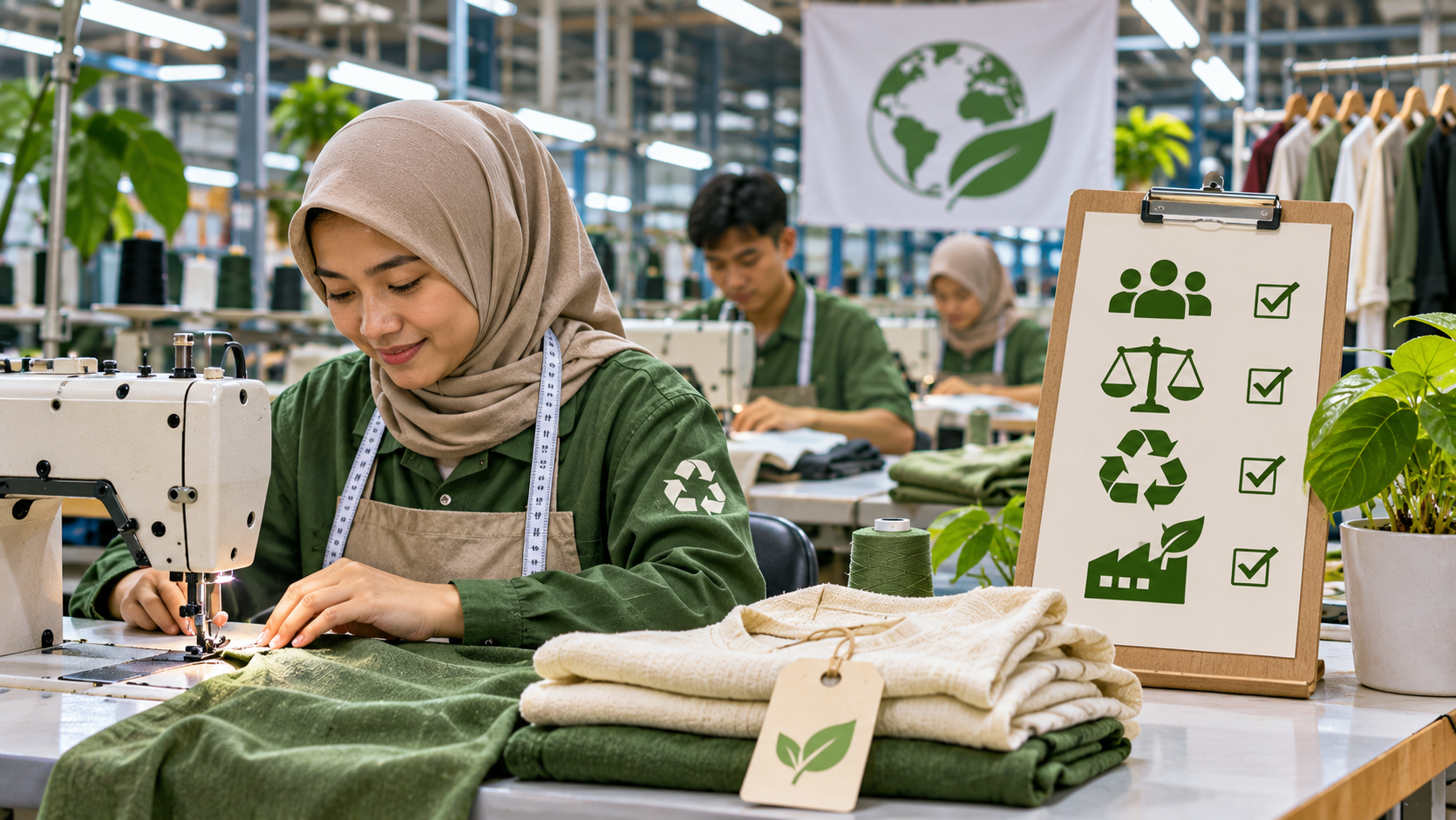
With Ethical Apparel Manufacturing Standards at the forefront, the fashion industry is undergoing a transformative journey that prioritizes integrity and sustainability. As consumers increasingly demand transparency and responsibility from brands, the focus on ethical practices has never been more critical. The evolution of manufacturing standards not only influences the choices of consumers but also shapes the way brands operate, compelling them to adopt more humane and environmentally friendly practices.
This shift towards ethical apparel manufacturing is not just a trend; it’s a necessary response to the challenges posed by fast fashion and its adverse effects on workers and the planet. By understanding the key components of ethical standards, recognizing the significance of certifications, and acknowledging the role of technology, we can appreciate how these factors contribute to a more responsible fashion industry.
The Importance of Ethical Apparel Manufacturing Standards in Modern Fashion
In today’s rapidly evolving fashion landscape, the significance of ethical apparel manufacturing standards cannot be overstated. As consumers become increasingly aware of the impact of their purchasing decisions, the demand for transparency and responsibility in the fashion industry continues to grow. This shift is not only reshaping how brands operate but also influencing the overall direction of the industry.
Ethical manufacturing standards in apparel are crucial for fostering a sustainable and fair industry. These standards encompass a range of practices aimed at ensuring fair labor conditions, reducing environmental impact, and promoting humane treatment of workers. With a global supply chain often shrouded in opacity, ethical standards serve as a guiding light, helping to hold brands accountable and ensuring that their production processes align with responsible practices. Furthermore, adhering to these standards can enhance a brand’s reputation, leading to increased consumer loyalty and market competitiveness.
Consumer Demand and Ethical Practices in Manufacturing
The rise in consumer demand for ethically produced apparel is a driving force behind the adoption of ethical manufacturing practices. Today’s shoppers are more informed, often researching brands before making purchases. They tend to favor companies that prioritize sustainability, fair labor practices, and environmental stewardship. The combination of social media and digital platforms has amplified this awareness, enabling consumers to voice their preferences and expectations clearly.
As a result, brands are compelled to reconsider their manufacturing processes. Companies like Patagonia and Everlane exemplify success in this area. Patagonia is renowned for its commitment to environmental sustainability, integrating recycled materials into its products and promoting fair labor practices. Their “Worn Wear” initiative encourages customers to repair and recycle clothing, thereby reducing waste and promoting a circular economy. Everlane, on the other hand, emphasizes transparency by revealing the true costs behind each product, along with details about their factories and labor practices.
The ripple effect of consumer demand for ethical practices is evident as more brands are beginning to follow suit, adapting their operations to align with these expectations. The evolution of consumer consciousness is shaping a new era in fashion, where ethical apparel manufacturing standards are not just a trend but a fundamental aspect of brand identity and business strategy.
Key Components that Define Ethical Apparel Manufacturing Standards
Ethical apparel manufacturing standards are essential for ensuring that the fashion industry operates responsibly. These standards are designed to create a sustainable and equitable environment for workers while prioritizing environmental protection. By focusing on key components such as fair labor practices, transparency, sustainable sourcing, and environmental stewardship, brands can ensure they contribute positively to society and the planet.
Fair Labor Practices
Fair labor practices are foundational to ethical apparel manufacturing. This encompasses a range of worker rights issues, including fair wages, reasonable working hours, and the right to unionize. Ethical manufacturers commit to providing safe working conditions free from discrimination and harassment.
- Living Wages: Ethical brands ensure that workers receive compensation that meets their basic needs and enables a decent standard of living.
- Safe Working Conditions: Factories are required to maintain a safe environment, minimizing hazards and ensuring that all health regulations are met.
- Worker Empowerment: Brands promote the right for workers to organize and advocate for their rights, creating a culture of respect and collaboration.
- Child Labor Prohibition: Ethical manufacturers strictly prohibit child labor, ensuring that all employees are of legal working age and provided with opportunities for education.
Environmental Considerations
Environmental considerations are integral to ethical apparel standards, reflecting a commitment to sustainability. From sourcing raw materials to production processes, brands must consider their ecological impact.
- Sustainable Materials: The use of organic cotton, recycled fabrics, and other sustainable materials reduces the environmental footprint of apparel production.
- Water Management: Ethical manufacturers implement practices that minimize water usage and treat wastewater before releasing it into the environment.
- Carbon Footprint Reduction: Brands aim to reduce greenhouse gas emissions through efficient energy use and sustainable transportation methods.
- Waste Management: Ethical production includes strategies for reducing waste, such as recycling fabric scraps and developing zero-waste patterns.
“Sustainable fashion is not just about the clothing; it’s about a commitment to the planet and the people who inhabit it.”
The Role of Certifications in Promoting Ethical Apparel Manufacturing
Certifications play a crucial role in the apparel industry by providing a framework for ethical practices, ensuring that companies adhere to specific environmental and social standards. They are essential for consumers who want to make informed choices about the products they purchase. These certifications not only help brands to differentiate themselves in a competitive market but also build trust with consumers who are increasingly concerned about sustainability and ethical production.
Various certifications exist that signify compliance with ethical manufacturing practices in the apparel industry. These certifications ensure that products are made under fair working conditions, with environmentally friendly processes. They set standards for labor rights, environmental impact, and product safety, reflecting a commitment to social responsibility. This is particularly important as consumers become more aware of the implications of their purchases, seeking transparency and accountability in the brands they support.
Comparison of Ethical Apparel Certifications
Understanding different certifications can help consumers identify brands that align with their values. Below is a comparison of four prominent certifications that represent commitment to ethical apparel manufacturing:
| Certification | Requirements | Benefits |
|---|---|---|
| GOTS (Global Organic Textile Standard) | Products must contain a minimum of 70% organic fibers and comply with social criteria. | Promotes organic farming, supports fair labor practices, and ensures environmentally friendly production. |
| OEKO-TEX Standard 100 | Products are tested for harmful substances and must meet specific ecological criteria. | Guarantees that textiles are free from harmful chemicals, protecting consumer health. |
| Fair Trade Certified | Producers must meet social, economic, and environmental standards set by Fair Trade International. | Ensures fair wages for workers, promotes sustainable farming, and empowers communities. |
| WRAP (Worldwide Responsible Accredited Production) | Factories must comply with labor and environmental standards, including safe working conditions. | Encourages ethical labor practices and fosters a safe working environment globally. |
Consumers can recognize these certifications on apparel products by looking for specific labels or tags attached to the garments. Each certification typically has a distinct logo that signifies compliance with its ethical standards. For instance, a garment labeled with the GOTS logo indicates that it is made of organic materials and produced under ethical conditions. Similarly, the Fair Trade Certified logo indicates adherence to fair labor practices. Shoppers should familiarize themselves with these logos to make more informed purchasing decisions, supporting brands that prioritize sustainability and ethical practices in their manufacturing processes.
Challenges Faced by Brands Implementing Ethical Apparel Manufacturing Standards
The journey toward ethical apparel manufacturing is filled with various challenges that brands must navigate. These obstacles can range from logistical issues to financial burdens, creating a complex landscape for companies committed to ethical practices. As the demand for ethically produced clothing increases, understanding these challenges becomes essential for both small and large manufacturers aiming to make a positive impact.
Common Challenges Encountered
Brands often face multiple hurdles when implementing ethical manufacturing practices. These challenges can be categorized into operational, financial, and cultural aspects that heavily influence their ability to succeed.
- Supply Chain Transparency: Many brands struggle with achieving complete transparency in their supply chains. Ensuring that every partner adheres to ethical practices requires extensive monitoring and communication.
- Compliance with Standards: Adapting to various ethical standards set by organizations can be overwhelming. Brands must invest time and resources to comply with certifications, which can vary greatly by region.
- Worker Training and Education: Educating workers about ethical standards is crucial but often neglected. Training involves costs and a commitment to long-term implementation strategies.
- Consumer Awareness and Demand: While consumer interest in ethical fashion is growing, many brands struggle to communicate their ethical initiatives effectively. This lack of awareness can impact sales and brand reputation.
Financial Implications for Manufacturers
The financial implications of implementing ethical standards can significantly affect both small and large manufacturers. For smaller companies, the upfront costs associated with transitioning to ethical practices can be a formidable barrier.
- Investment in Infrastructure: Smaller brands may lack the capital to invest in new technologies or facilities required for ethical production processes. This can lead to slower implementation rates compared to larger corporations.
- Higher Production Costs: Ethical materials and fair labor practices often lead to increased production costs. While large manufacturers may absorb these costs more easily, small brands can face dire financial consequences.
- Market Competition: Larger brands with established reputations often have more resources to market their ethical practices, overshadowing smaller competitors who may also prioritize ethics but lack visibility.
Examples of Brands Struggling with Ethical Implementation
Several brands have encountered significant setbacks while trying to adopt ethical manufacturing standards, providing valuable lessons in the process.
- H&M: The company’s ambition to source only from sustainable materials faced criticism when reports surfaced about unethical labor practices in its supply chain. H&M learned the importance of rigorous audits and transparency, leading to improved practices over time.
- Nike: Historically criticized for labor conditions in factories, Nike faced significant backlash in the late 1990s and early 2000s. The brand’s response included establishing the Fair Labor Association and committing to transparency, showcasing the need for proactive measures.
“The path to ethical manufacturing is not a straight line; it requires commitment, transparency, and a willingness to adapt.”
The Impact of Technology on Ethical Apparel Manufacturing
The intersection of technology and ethical apparel manufacturing is revolutionizing the industry, ushering in an era of sustainability, transparency, and efficiency. As consumers become increasingly aware of the environmental and social implications of their choices, technology plays a pivotal role in reshaping manufacturing practices to meet these rising expectations. Innovations in materials and production methods not only aim to reduce waste and enhance worker conditions but also help brands convey their commitment to ethical practices.
Technological advancements are transforming the apparel industry by introducing practices that prioritize sustainability and ethical standards. One notable advancement is the use of sustainable materials, which significantly decreases the environmental footprint of clothing production. Fabrics made from recycled plastics, organic cotton, and biodegradable fibers are becoming popular options. Moreover, technologies like 3D printing are revolutionizing how garments are designed and produced, allowing for custom fits and reducing material waste. These innovations represent a shift towards a more responsible fashion industry, where ethical practices are integrated into the very fabric of production.
Innovative Practices in Ethical Apparel Manufacturing
Several tech-driven solutions are enhancing ethical standards in the apparel sector, paving the way for a more sustainable future. Below are some of the innovative practices currently making waves:
- Sustainable Materials: The development and use of eco-friendly fabrics such as Tencel and recycled polyester are reducing dependence on virgin materials. This shift not only helps lower carbon emissions but also supports the circular economy.
- 3D Printing: This technology allows manufacturers to create prototypes quickly and produce garments on-demand, minimizing waste associated with overproduction. Brands like Adidas are already leveraging this technology to create customized footwear and apparel.
- Digital Supply Chain Management: Utilizing blockchain technology offers enhanced traceability and transparency in the supply chain. This ensures that consumers can verify the ethical sourcing of materials and labor practices, thereby fostering trust.
- AI-Driven Analytics: Artificial intelligence helps brands forecast demand more accurately, reducing overproduction and unsold stock. Companies such as Stitch Fix are using AI to refine inventory and tailor offerings to individual consumer preferences.
- Smart Textiles: The integration of technology into fabrics, such as moisture-wicking and temperature-regulating materials, promotes longevity and enhances the functionality of clothing. This encourages consumers to invest in high-quality pieces that last longer.
Consumer Responsibility in Supporting Ethical Apparel Manufacturing
As consumers, our choices carry significant weight in shaping the apparel industry. By opting for ethically manufactured clothing, we not only support fair labor practices but also contribute to a more sustainable and responsible fashion landscape. Understanding the importance of our purchasing habits empowers us to make informed decisions that can lead to positive changes in the industry.
The role of consumers is pivotal in promoting ethical practices within the apparel sector. With a growing awareness of issues such as labor rights, environmental sustainability, and animal welfare, consumers are increasingly using their purchasing power to drive change. By choosing brands that adhere to ethical manufacturing standards, individuals can send a strong message regarding the value of responsible production methods. Social media plays a crucial role in amplifying consumer voices and spreading awareness about ethical practices, creating a ripple effect that influences brand behavior and consumer expectations.
Actionable Tips for Making Informed Purchasing Decisions
Understanding how to shop ethically involves being aware of several factors that contribute to responsible consumerism. Here are key points to consider:
- Research Brands: Before making a purchase, take the time to investigate the brand’s ethics and production practices. Look for transparency in their supply chain and commitment to fair labor practices.
- Support Local and Sustainable Brands: Whenever possible, choose to buy from local artisans and brands that prioritize sustainability. Supporting these businesses can reduce your carbon footprint and promote ethical labor practices.
- Choose Quality Over Quantity: Investing in high-quality, durable clothing not only benefits your wardrobe but also reduces the environmental impact caused by fast fashion. A well-made item can last longer, minimizing waste.
- Look for Certifications: Seek out certifications such as Fair Trade, GOTS (Global Organic Textile Standard), or OEKO-TEX, which indicate adherence to ethical and ecological production standards.
- Stay Informed: Engage with articles, documentaries, and reports that highlight the importance of ethical fashion. Knowledge is key to making informed choices.
The influence of social media cannot be understated in its ability to raise awareness about ethical standards. Platforms like Instagram, Twitter, and TikTok serve as powerful tools where consumers can share their values and experiences regarding ethical fashion. By promoting brands that demonstrate ethical practices, consumers help cultivate an online culture that values responsibility and sustainability. These platforms allow for instant communication and mobilization, creating communities focused on promoting change.
“Consumer choices are a powerful force in shaping the future of the apparel industry, influencing brands to adopt more ethical practices.”
Overall, consumer responsibility in supporting ethical apparel manufacturing is a collective effort that can lead to meaningful change. By making informed decisions and advocating for transparency in the industry, consumers play a crucial role in fostering a more ethical and sustainable apparel market.
Future Trends in Ethical Apparel Manufacturing Standards
As the landscape of ethical apparel manufacturing continues to evolve, several trends are emerging that promise to reshape the industry significantly. The intersection of technology, consumer preferences, and global influences is driving a shift toward smarter, more responsible manufacturing practices. These trends not only reflect the growing demand for sustainable fashion but also highlight the importance of transparency and accountability within the supply chain.
The impact of globalization is profound, as interconnected markets and cultural exchanges foster a more informed consumer base. Increasingly, shoppers are prioritizing sustainability, often opting for brands that demonstrate ethical practices. This shift in consumer attitudes is pushing companies to adopt more stringent ethical standards, ensuring that their products are responsibly sourced and manufactured.
Emerging Brands Setting New Standards
Several innovative brands are leading the charge in ethical apparel manufacturing, demonstrating what can be achieved when sustainability is prioritized. These companies are not just meeting consumer demand; they are raising the bar for the entire industry. Their commitment to ethical practices often includes transparency in their supply chains and a focus on reducing environmental impact.
Here is a list of emerging brands redefining ethical manufacturing standards:
- Patagonia: Known for its environmental activism and commitment to fair labor practices, Patagonia continues to set benchmarks for sustainability in the apparel industry.
- Everlane: This brand emphasizes radical transparency, openly sharing the costs behind their products and the ethical factories where their clothing is made.
- Reformation: Focusing on eco-friendly materials and sustainable practices, Reformation has gained popularity for its trendy designs and commitment to reducing carbon footprints.
- People Tree: A pioneer in sustainable fashion, People Tree collaborates closely with Fair Trade artisans, ensuring fair wages and environmentally friendly production methods.
- Allbirds: This footwear brand is recognized for using natural materials and sustainable production methods, promoting a minimalist approach to fashion.
The emergence of these brands not only highlights the potential for positive change within the industry but also serves as an inspiration for traditional companies to adopt more ethical practices. As consumers become more aware of their purchasing power, the shift towards ethical apparel manufacturing is likely to accelerate, fostering a more sustainable future for fashion.
Ultimate Conclusion
In conclusion, the journey towards Ethical Apparel Manufacturing Standards reflects a growing awareness of consumer responsibility and the imperative for brands to adopt ethical practices. As we look to the future, embracing these standards will not only enhance the integrity of the fashion industry but also empower consumers to make informed choices. By supporting brands that prioritize ethics, we can collectively foster a sustainable future where fashion flourishes without compromising our values.
Q&A
What are ethical apparel manufacturing standards?
Ethical apparel manufacturing standards are guidelines and practices that ensure fair labor conditions, sustainable sourcing, and environmentally friendly production processes in the fashion industry.
How can consumers identify ethically made clothing?
Consumers can look for certifications, labels, and transparent supply chain information provided by brands to identify ethically made clothing.
Are ethical clothes more expensive?
Ethical clothes may be more expensive due to higher labor and production costs, but they often provide better quality and support fair trade practices.
What role do certifications play in ethical manufacturing?
Certifications validate that a brand meets specific ethical standards, helping consumers make informed choices and encouraging brands to maintain responsible practices.
Can small brands also adopt ethical standards?
Yes, small brands can adopt ethical standards, though they may face unique challenges; many are finding innovative ways to implement these practices effectively.