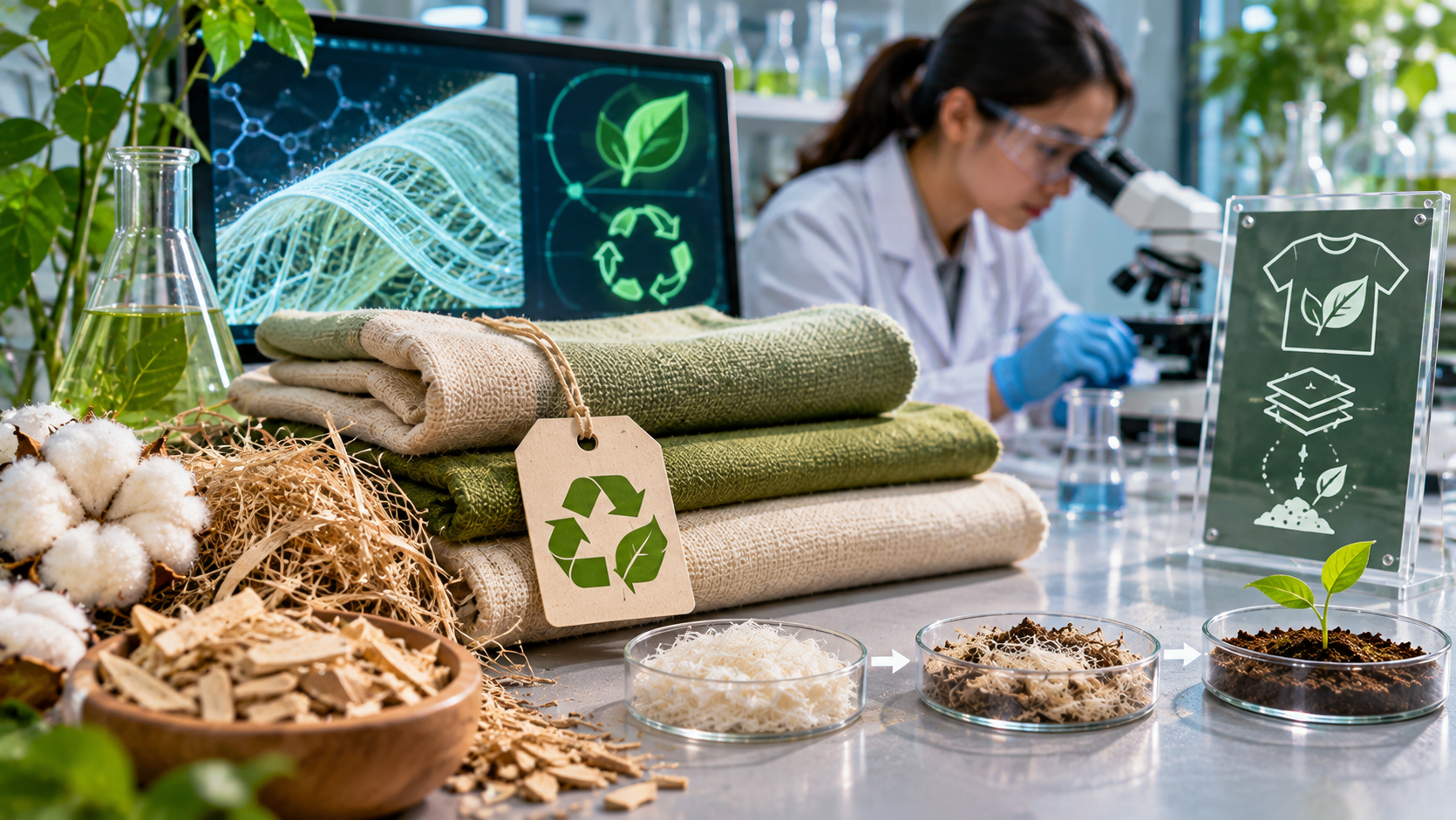
Kicking off with Biodegradable Fabric Development, this emerging field is transforming the fashion industry by merging sustainability with style. As consumers become more eco-conscious, the demand for materials that minimize environmental impact is on the rise. Biodegradable fabrics present a fascinating solution, offering an alternative to traditional textiles that often contribute to pollution and waste. This shift not only aligns with a growing awareness of environmental issues but also sparks innovation in fabric technology.
In this exploration, we’ll dive into the importance of biodegradable fabrics, highlighting their benefits over conventional materials, the innovative processes behind their production, and the challenges that still lie ahead. By understanding the potential of these materials, we can appreciate their role in shaping a more sustainable future for fashion and beyond.
The Importance of Biodegradable Fabrics in Sustainable Fashion
Biodegradable fabrics are emerging as a cornerstone of sustainable fashion, offering a critical solution to the environmental challenges posed by conventional textiles. The fashion industry, known for its significant ecological footprint, is increasingly turning to biodegradable materials as a means to mitigate waste and promote eco-friendliness. These fabrics, derived from natural fibers or innovative synthetic processes, can decompose naturally, reducing landfill accumulation and minimizing pollution.
The environmental impacts of conventional fabrics, such as polyester and nylon, are profound. These synthetic materials are typically derived from petroleum, a non-renewable resource, and their production involves energy-intensive processes that contribute to greenhouse gas emissions. Additionally, these fabrics do not biodegrade, leading to microplastic pollution in oceans and waterways, which poses significant dangers to marine life and ecosystems. On the other hand, biodegradable alternatives, such as organic cotton, Tencel, or fabrics made from recycled materials, offer a more sustainable lifecycle. They can decompose within months or a few years, returning valuable nutrients to the soil and reducing the environmental burden associated with textile waste.
Consumer awareness plays a pivotal role in promoting the use of biodegradable fabrics. With increased knowledge about the detrimental effects of conventional textiles on the planet, consumers are becoming more selective in their purchasing decisions. This shift in consumer behavior is a powerful driver for brands to adopt sustainable practices, including the use of biodegradable materials. As shoppers prioritize eco-friendly options, their demand encourages manufacturers to innovate and expand their sustainable fabric offerings.
Educating consumers about the benefits of biodegradable fabrics is essential for making informed choices. Understanding that these fabrics not only contribute to a reduced environmental footprint but also support ethical production practices can lead to a more conscious consumer base. As brands respond to this growing demand by incorporating biodegradable fabrics into their collections, the potential for a sustainable fashion revolution expands, reshaping industry norms and paving the way for a healthier planet.
Innovations in Biodegradable Fabric Materials
The world of textiles is rapidly evolving, driven by a growing demand for sustainable and environmentally friendly options. Biodegradable fabrics are at the forefront of this innovation, as researchers and manufacturers seek to reduce the environmental impact of traditional textiles. With advancements in material science, we are witnessing the emergence of new and exciting biodegradable fabric options that offer both functionality and sustainability.
One of the most significant developments in biodegradable fabrics is the use of natural fibers and bio-based polymers. These materials not only break down more easily in the environment but also reduce reliance on petroleum-based resources typically used in synthetic fabrics. Innovations in this field include the creation of fabrics from sources such as organic cotton, hemp, and bamboo, which are renowned for their biodegradability and minimal ecological footprint. Furthermore, researchers are exploring new ways to enhance the performance characteristics of these materials, such as water resistance and durability.
Examples of Biodegradable Materials in Development
Several innovative biodegradable materials are being developed and implemented within the textile industry. Notable examples include:
- Pineapple Leaves Fiber (Piñatex): This sustainable alternative to leather combines the agricultural waste of pineapple harvesting with innovative textile technology. Piñatex is not only biodegradable but also provides a unique aesthetic appeal, making it a favored choice for fashion designers seeking eco-friendly materials.
- Tencel (Lyocell): Made from sustainably sourced wood pulp, Tencel is a biodegradable fiber that is produced using a closed-loop process that recycles water and solvents. It boasts a silky feel and excellent moisture-wicking properties, making it suitable for a variety of clothing applications.
- Mycelium Leather: Derived from the root structure of mushrooms, mycelium leather is gaining traction as a sustainable alternative to traditional leather. It is both biodegradable and versatile, allowing for a range of textures and finishes, appealing to eco-conscious consumers.
- PLA (Polylactic Acid): This bio-based polymer is made from fermented plant starches, primarily corn. PLA is used in various textile applications and compostable products, offering a biodegradable solution with a similar feel to traditional plastics. Its potential for creating biodegradable fabrics is being actively explored.
Plant-based fibers are rapidly emerging as viable alternatives to synthetic biodegradable options. Unlike their synthetic counterparts, which may also be biodegradable but are often derived from non-renewable resources, plant-based fibers such as cotton, flax, and jute contribute positively to the environment through carbon sequestration during their growth. Additionally, these fibers typically require fewer chemical treatments, resulting in a lower ecological impact. The versatility and renewability of plant-based fibers position them as a frontrunner in the quest for sustainable fabric solutions, underscoring the importance of shifting towards more eco-friendly practices in the textile industry.
Manufacturing Process of Biodegradable Fabrics
The manufacturing process of biodegradable fabrics is an intricate and innovative endeavor that aligns with the growing demand for sustainable textiles. These fabrics, often derived from natural sources such as plant-based materials, offer an environmentally friendly alternative to traditional synthetic fabrics. Understanding how these materials are produced is crucial for appreciating their benefits and potential impact on the textile industry.
Biodegradable fabrics are typically produced using a variety of renewable resources, including organic cotton, hemp, bamboo, and even innovative biopolymers like polylactic acid (PLA) derived from corn starch. The process starts with sourcing the raw materials, which can either be cultivated directly from nature or processed from agricultural by-products. Unlike traditional fabrics that often rely on petrochemical sources, biodegradable fabrics emphasize sustainability from start to finish.
The production method involves several key steps that transform raw materials into finished biodegradable textiles. Each of these steps is designed to minimize environmental impact while maximizing the performance and aesthetic qualities of the final product.
Production Steps for Biodegradable Textiles
Understanding the specific steps involved in creating biodegradable textiles sheds light on their unique manufacturing processes. Below is a detailed overview of these essential steps:
- Raw Material Selection: Choosing plant-based materials or biopolymers that are renewable and sustainable.
- Processing Raw Materials: This involves breaking down the raw materials into fibers. For instance, cotton goes through ginning, while PLA requires polymerization from lactic acid.
- Spinning: The extracted fibers are then spun into yarns, a process that can be adjusted based on the desired fabric strength and texture.
- Weaving or Knitting: The yarns are woven or knitted into fabric, with techniques that vary to achieve different patterns and strengths.
- Dyeing and Finishing: Eco-friendly dyes are used to color the fabric, followed by finishing processes that may include treatments for softness or water resistance.
- Quality Control: Rigorous testing is conducted to ensure the fabric meets specific standards for durability, biodegradability, and safety.
- Distribution: Finally, the biodegradable fabrics are packaged and distributed, often with an emphasis on minimalistic, recyclable packaging to maintain their eco-friendly profile.
The notable distinction between biodegradable and traditional fabric production lies in the sourcing and processing of materials. Traditional fabrics often utilize non-renewable resources and chemical-intensive processes that are detrimental to environmental health. In contrast, the biodegradable fabric manufacturing process is designed to be as eco-conscious as possible, aiming for a lower carbon footprint and a commitment to sustainability throughout the lifecycle of the product. This shift is essential for addressing the environmental challenges posed by the textile industry today.
Challenges in Biodegradable Fabric Development
The development of biodegradable fabrics presents a unique set of challenges, primarily due to the intricate balance between sustainability, performance, and economic viability. As the demand for eco-friendly alternatives to conventional textiles increases, so does the complexity of satisfying consumer expectations while adhering to environmental standards. Key challenges include material sourcing, processing techniques, and achieving the desired durability and performance levels that can rival traditional fabrics.
One of the significant hurdles is the sourcing of raw materials that are both sustainable and capable of providing the necessary properties for textile applications. Many biodegradable fabrics rely on natural fibers such as cotton, hemp, or innovative materials like polylactic acid (PLA), which can be expensive to produce and process. Additionally, while biodegradable options may offer environmental benefits, they often struggle to match the durability and longevity of synthetic materials. This leads to a concern among consumers regarding the long-term value of biodegradable fabrics, as they may require more frequent replacement, ultimately limiting their appeal.
Economic Factors Affecting Scalability
The scalability of biodegradable fabric production is significantly influenced by various economic factors. High production costs associated with sustainable raw materials can deter manufacturers from fully transitioning to biodegradable options. Economic constraints influence both research and development investments and the operational costs of scaling production.
The following points highlight critical economic factors affecting scalability:
- Raw Material Costs: Sourcing sustainable materials can be more expensive compared to conventional fibers, impacting overall production costs.
- Technology Investment: Developing the technology necessary for efficient production processes requires substantial financial investment, which may be challenging for smaller companies.
- Market Demand: Fluctuations in consumer demand for biodegradable products can affect production volume and profitability, leading to an unstable market environment.
- Infrastructure Availability: Limited infrastructure for processing biodegradable materials can hinder large-scale production and distribution.
Durability and Performance Comparison
Comparing biodegradable fabrics with conventional materials reveals notable differences in durability and performance characteristics. While biodegradable options are designed to break down naturally over time, this can often compromise their lifespan and usability in various applications. Conventional fabrics, such as polyester and nylon, are engineered for durability, providing resistance to wear and tear, moisture, and other environmental factors.
The following points summarize the differences in durability and performance:
- Longevity: Biodegradable fabrics typically have a shorter lifespan, which may not meet the demands of high-performance applications.
- Moisture Resistance: Many conventional fabrics excel in moisture-wicking and water-resistant properties, whereas some biodegradable options may not offer the same level of protection.
- Maintenance Requirements: Biodegradable fabrics might require specific care instructions to maintain their integrity, unlike conventional materials that are often more forgiving.
- Environmental Impact: While conventional fabrics can persist in the environment for decades, biodegradable fabrics aim to reduce this impact by breaking down under specific conditions.
Applications and Market Potential of Biodegradable Fabrics
The rise of biodegradable fabrics marks a significant shift in the textile industry, responding to increasing environmental concerns and consumer demand for sustainable practices. These innovative materials are not just eco-friendly; they offer versatile applications across various sectors, revolutionizing how industries operate while contributing positively to our planet.
Biodegradable fabrics are making waves in multiple sectors, demonstrating their versatility and adaptability. From fashion to medical applications, these materials provide sustainable alternatives that meet the growing demand for environmentally responsible solutions. The increasing awareness of sustainability and the harmful effects of plastic waste have spurred interest in biodegradable fabrics, positioning them as a key player in future market trends.
Key Sectors Benefiting from Biodegradable Fabrics
The applications of biodegradable fabrics extend far beyond clothing. Here are some sectors that are reaping the benefits:
| Sector | Applications |
|---|---|
| Fashion | Eco-friendly clothing lines, sustainable accessories, and biodegradable packaging. |
| Healthcare | Biodegradable surgical gowns, drapes, and other medical textiles that reduce waste. |
| Automotive | Interior fabrics made from biodegradable materials to enhance eco-friendliness of vehicles. |
| Home Textiles | Biodegradable bed linens, curtains, and furniture upholstery that minimize environmental impact. |
| Packaging | Biodegradable bags and wraps that decompose naturally, reducing landfill contributions. |
The market potential for biodegradable fabrics is substantial. The global sustainable textiles market is projected to grow significantly, with a focus on eco-friendly materials responding to consumer demand. For instance, the growing trend of fast fashion’s environmental impact has led brands like Stella McCartney to champion biodegradable collections, demonstrating that sustainability can coexist with style. Additionally, as consumers become more conscious of their purchasing decisions, they actively seek products that align with their values.
“The demand for biodegradable fabrics is not a passing trend; it’s a fundamental shift in consumer behavior towards sustainability.”
In conclusion, the potential for biodegradable fabrics extends well beyond their environmental benefits. They are becoming essential in branding, as companies that adopt them are perceived as more responsible and forward-thinking, further fueling market growth. The future of textiles lies in sustainability, and biodegradable fabrics are at the forefront of this revolutionary movement.
Future Trends in Biodegradable Fabric Technology
As the world grapples with the mounting challenges of pollution and environmental degradation, the quest for sustainable alternatives is more critical than ever. Biodegradable fabrics stand at the forefront of this revolution, driven by innovations that promise to transform the textile industry. The future of biodegradable fabric technology is not just about creating materials that break down more easily; it’s about ensuring that the processes behind their creation are equally sustainable and eco-friendly.
Emerging trends in biodegradable fabric development are shaping a new landscape for textiles. Technological advancements in materials science, particularly in the realm of biopolymers, are paving the way for fabrics that not only decompose efficiently but also possess high performance characteristics. Innovations such as bio-based nylon, which is derived from renewable resources like castor beans, show significant promise. Additionally, the use of mycelium, the root structure of fungi, is gaining traction. This organic material can be cultivated to create leather-like fabrics that are both biodegradable and sustainable.
Innovative Technologies and Sustainable Practices
Continued research and development are unveiling a suite of exciting technologies that aim to enhance the sustainability of biodegradable fabrics. These advancements will significantly influence environmental practices across industries, with implications for waste reduction, circular economy models, and consumer behavior.
– Biopolymer Development: Research into biodegradable polymers is yielding innovative materials that can replace conventional synthetic textiles. These biopolymers can be derived from natural sources, reducing reliance on fossil fuels.
– Waste-to-Fabric Technologies: Companies are exploring the conversion of agricultural waste into fabric, creating a circular economy model that minimizes waste while generating valuable products.
– Smart Fabrics: The integration of technology into biodegradable fabrics, such as embedded sensors that monitor environmental conditions, is on the rise. These smart fabrics can aid in tracking biodegradability processes in real-time.
– Eco-Friendly Dyeing Processes: Innovations in dyeing technologies that utilize natural dyes and non-toxic processes are reducing the environmental impact of fabric production.
– Leading Companies: Several companies are at the forefront of these advancements, driving the industry toward a more sustainable future. Notable names include:
– Ecovative Design: Pioneering mycelium-based materials.
– Puma: Committed to developing biodegradable polyester.
– Stella McCartney: Integrating sustainable fabrics into high-fashion collections.
– H&M: Investing in the development of sustainable textile technologies.
– Tencel: Producing fibers from sustainably sourced wood pulp.
The evolution of biodegradable fabric technology is essential for a more sustainable future, ensuring that the textiles of tomorrow contribute positively to the environment while catering to the needs of a conscious consumer base.
Conclusion
In conclusion, the journey of Biodegradable Fabric Development represents a significant step towards a more sustainable fashion landscape. As we navigate through the challenges of production and scalability, the opportunities for innovation and market growth in biodegradable textiles are immense. With continued consumer support and technological advancements, the future of fashion can be reimagined, prioritizing environmental responsibility while maintaining style and quality.
Frequently Asked Questions
What are biodegradable fabrics made from?
Biodegradable fabrics can be made from natural fibers like cotton, hemp, and bamboo, as well as synthetic alternatives derived from renewable resources, such as polylactic acid (PLA).
How long does it take for biodegradable fabrics to decompose?
The decomposition time for biodegradable fabrics can vary widely, ranging from a few months to several years, depending on the material and environmental conditions.
Are biodegradable fabrics more expensive than traditional fabrics?
Typically, biodegradable fabrics can be more expensive due to the specialized materials and production processes; however, prices are expected to decrease as technology advances and demand increases.
Can biodegradable fabrics be recycled?
Many biodegradable fabrics are designed to decompose rather than being recycled, but some can be processed in facilities equipped to handle biodegradable materials.
What industries are adopting biodegradable fabrics?
Biodegradable fabrics are being adopted in various industries, including fashion, home textiles, automotive, and medical, as they seek more sustainable options.