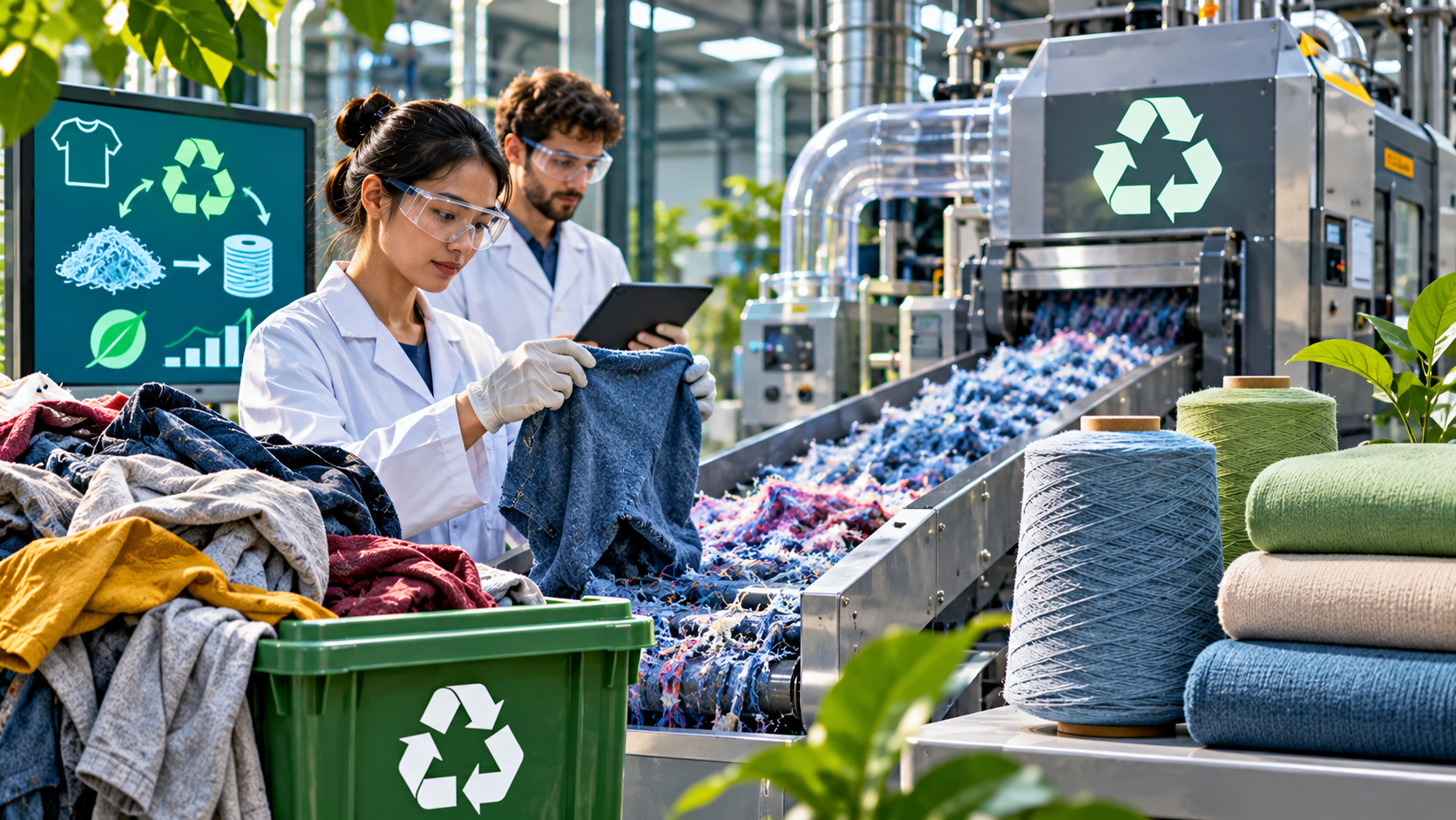
Textile Recycling Technologies are becoming increasingly essential in our quest for sustainability. As the fashion industry continues to grow, so does the amount of textile waste produced, making innovative recycling solutions vital for reducing environmental impact. These technologies not only help divert waste from landfills but also contribute to a circular economy, where materials are reused and repurposed, thus conserving resources and energy.
By employing various methods of recycling, including mechanical and chemical processes, we can transform discarded fabrics into valuable raw materials. This not only minimizes the need for virgin resources but also reduces pollution and greenhouse gas emissions associated with textile production. Exploring the current advancements in recycling technologies, the role of government regulations, and the impact of consumer awareness can provide a comprehensive understanding of how we can foster a more sustainable future.
The Importance of Textile Recycling Technologies in Sustainable Practices
Textile recycling technologies play a crucial role in promoting sustainable practices within the fashion and textile industry. As global consumption of textiles continues to rise, the need for innovative solutions to manage waste has never been more pressing. These technologies help divert textiles from landfills, reduce the environmental impact of textile production, and contribute to a circular economy where materials are reused rather than discarded.
The implementation of textile recycling technologies results in several significant environmental benefits. One of the most critical aspects is the reduction of waste generated by the fashion industry. According to the Environmental Protection Agency (EPA), about 17 million tons of textile waste ended up in landfills in 2018. By adopting recycling methods, companies can not only reduce this figure but also minimize the overall burden on landfill sites. Additionally, textile recycling technologies utilize various processes to convert waste into new materials, substantially lowering the demand for virgin resources. For instance, recycling one ton of cotton fabric can save approximately 7,000 gallons of water, reducing the strain on water resources that results from conventional cotton production.
Environmental Benefits of Textile Recycling
Understanding the specific environmental benefits derived from textile recycling technologies underscores their importance in sustainable practices. The following points illustrate how these technologies contribute positively to the environment:
-
Reduction of Greenhouse Gas Emissions:
Recycling textiles helps lower greenhouse gas emissions associated with their production. By reprocessing old materials, companies decrease the need for new production processes, which typically involve significant emissions.
-
Conservation of Natural Resources:
Textile recycling conserves valuable resources such as water, energy, and raw materials. For instance, producing recycled polyester uses about 75% less energy than producing new polyester from petroleum.
-
Reduction of Water Pollution:
The textile industry is known for its contribution to water pollution. By recycling, fewer chemicals and dyes are released into water bodies, preserving aquatic ecosystems and reducing health risks.
-
Promotion of Circular Economy:
Textile recycling supports the transition to a circular economy, where materials are kept in use for as long as possible, thereby minimizing waste and the demand for new resources.
In summary, the integration of textile recycling technologies into sustainable practices not only mitigates environmental degradation but also fosters a responsible approach to consumption and waste management within the industry.
Overview of Current Textile Recycling Technologies Available
Textile recycling has gained significant momentum in recent years due to increasing environmental concerns and the need for sustainable practices. Various technologies have been developed to recycle and repurpose textile waste, contributing to a circular economy. These technologies can be broadly classified into mechanical and chemical recycling methods, each with its own distinct processes and innovations.
Mechanical and Chemical Recycling Methods
Mechanical recycling is one of the oldest and most widely used methods for recycling textiles. This process involves collecting post-consumer textile waste, which is then sorted by fiber type and color before being mechanically shredded into smaller pieces. The shredded fibers are carded to remove impurities, and finally, they are spun into new yarns or fibers. This method is particularly effective for natural fibers like cotton and wool, but it can also be applied to synthetic fibers.
On the other hand, chemical recycling involves breaking down textile materials at a molecular level. This process is especially beneficial for synthetic fibers, such as polyester, which can be depolymerized into their constituent monomers. The resulting materials can then be re-polymerized into virgin-quality fibers. Key processes in chemical recycling include solvolysis, hydrolysis, and glycolysis, each utilizing different reagents and conditions to facilitate the breakdown of fibers.
Innovative technologies have emerged in recent years, enhancing the efficiency and effectiveness of textile recycling. One notable example is the development of enzymatic recycling, where specific enzymes are used to break down textiles. This method has shown promise in recycling blended fabrics, which have traditionally posed a significant challenge due to the difficulty in separating different fibers. Companies like Renewcell and Infinited Fiber Company are leading the way in utilizing this technology to create new, high-quality fibers from waste textiles.
Additionally, advancements in sorting technologies, such as artificial intelligence and machine learning, are revolutionizing the recycling process. These technologies enable more accurate sorting of textiles by fiber composition, which maximizes the recycling potential of collected textile waste. As these innovative methods and technologies continue to evolve, the textile recycling industry is poised to make significant strides in sustainability and resource conservation.
The Role of Government Regulations in Advancing Textile Recycling
Government regulations significantly shape the landscape of textile recycling initiatives. These regulations can create essential frameworks that guide manufacturers, retailers, and consumers toward sustainable practices. By establishing standards and expectations for waste management, governments can influence the effectiveness and efficiency of textile recycling efforts, which are crucial in addressing the environmental impacts of textile waste.
The impact of regulations on textile recycling initiatives can be profound. Legislative measures, such as mandatory recycling targets and extended producer responsibility (EPR), ensure that companies are held accountable for the lifecycle of their products. For instance, EPR policies require manufacturers to take responsibility for the collection and recycling of their products after consumer use. This not only encourages the development of recycling technologies but also fosters innovation in product design, aiming for sustainability from the outset.
Impact of Government Policies on Recycling Technology Adoption
Government policies can either promote or hinder the adoption of recycling technologies in the textile industry. Supportive legislation can provide financial incentives, such as tax breaks or grants, for companies investing in innovative recycling solutions. Conversely, overly stringent regulations without adequate support can deter companies from pursuing recycling initiatives due to high compliance costs.
Several key aspects influence this dynamic:
- Incentives for Innovation: Governments can provide funding for research and development in textile recycling technologies. For example, the EU’s Horizon 2020 program has allocated substantial resources toward sustainable textile innovations.
- Standardization of Recycling Processes: Establishing clear guidelines for textile recycling processes helps companies understand compliance requirements, reducing confusion and promoting industry-wide best practices.
- Public Awareness Campaigns: Governments can drive public engagement in recycling through campaigns that educate consumers about the importance of textile recycling, leading to increased participation in recycling programs.
- International Collaboration: Collaborating with international organizations can facilitate the exchange of best practices and regulations, enhancing global textile recycling efforts.
International regulations also play a crucial role in textile waste management. Treaties such as the Basel Convention, which controls the transboundary movement of hazardous wastes, impact how textile waste is handled globally. Countries that adhere to such agreements must ensure that their practices align with international standards, promoting responsible recycling methods and reducing illegal waste trafficking.
In summary, government regulations are pivotal in shaping the future of textile recycling. By creating supportive policies and international agreements, governments can foster a robust recycling ecosystem that benefits both the environment and the economy.
Challenges Faced by Textile Recycling Technologies
The textile recycling sector plays a pivotal role in addressing the environmental issues posed by fast fashion and wasteful disposal practices. However, it encounters several challenges that hinder efficient recycling processes. These challenges not only affect the industry’s sustainability efforts but also its overall growth and acceptance in the market.
One of the significant barriers to efficient textile recycling is economic viability. The costs associated with recycling technologies can be high, particularly when it comes to the initial setup and ongoing operational expenses. Traditional recycling methods often require significant labor and energy, making them less attractive compared to the cheaper alternative of producing new textiles from virgin materials. Moreover, the fluctuating prices of recycled materials can create uncertainty for businesses, discouraging investment in recycling technologies. According to a report by the Ellen MacArthur Foundation, the textile industry is estimated to lose $500 billion annually due to the lack of recycling and reuse practices.
Technological and Logistical Barriers
Technological advancements are crucial for improving textile recycling processes, yet many innovations remain underdeveloped or unadopted in the industry. The complexity of textile compositions, which often include multiple fibers and contaminants, poses a significant challenge for effective recycling. Many existing technologies struggle to efficiently separate and process these materials, leading to lower quality recycled fibers.
Logistically, the collection and sorting of textile waste present additional hurdles. Most municipalities lack efficient systems for collecting and sorting used clothing, leading to a large volume of textiles ending up in landfills. For instance, the Global Fashion Agenda emphasizes the need for improved infrastructure to facilitate better collection methods, stressing that many consumers are unaware of how to recycle their clothing properly.
Innovations are emerging to tackle these challenges. For example, companies like Worn Again Technologies are developing chemical recycling processes that can break down blended fabrics into their original components, allowing for high-quality recycling. Additionally, advancements in AI and machine learning are enhancing sorting technologies, enabling more precise identification of materials, which can significantly improve the efficiency of recycling operations. By addressing these challenges through innovation, the textile recycling industry can move toward a more sustainable future, ultimately reducing its environmental impact.
The Future of Textile Recycling Technologies
As the global fashion industry faces increasing scrutiny over its environmental impact, the future of textile recycling technologies emerges as a key focus area. In the next decade, advancements in these technologies are projected to revolutionize the way we approach textile waste, significantly enhancing recycling processes and material recovery rates. Innovations in chemical recycling, automation, and new material sciences will reshape industries, providing sustainable solutions to one of the largest contributors to landfill waste.
Anticipated advancements in textile recycling technologies include enhanced recycling efficiency and improved material recovery rates. Currently, traditional recycling methods often result in degraded fibers, limiting the quality of recycled products. In the coming years, developments in chemical recycling processes—such as using enzymes or advanced solvents—will enable the breakdown of textiles at the molecular level, allowing for the creation of virgin-quality fibers from post-consumer waste. As a result, recycling efficiency could increase by up to 50%, moving from current rates of around 15-20% toward a potential 70-80% recovery of materials.
Influence of Consumer Behavior on Technology Development
Consumer behavior will play a pivotal role in shaping future textile recycling technologies. The increasing awareness of sustainability among consumers will drive demand for recycled materials and eco-friendly products. As individuals become more committed to reducing their carbon footprint, they will likely prefer brands that prioritize sustainable practices. This shift will push companies to invest in innovative recycling technologies to meet consumer expectations.
To understand this influence, consider the following factors:
- Demand for Transparency: Consumers are increasingly seeking transparency regarding the sourcing and lifecycle of products. Brands that highlight their recycling initiatives are likely to gain consumer loyalty.
- Shift toward Circular Fashion: As the circular economy gains traction, consumers are showing a preference for products designed for longevity and recyclability, influencing brands to adopt more sustainable practices.
- Growth of Second-Hand Markets: The rise of second-hand clothing platforms showcases consumer willingness to embrace recycled materials, encouraging brands to explore recycling technologies to meet this demand.
- Eco-Friendly Innovations: Brands taking the lead in adopting eco-friendly technologies are attracting environmentally conscious consumers, encouraging competition and further advancements in textile recycling.
In conclusion, as advancements unfold in textile recycling technologies over the next decade, they will be shaped significantly by the evolving preferences and values of consumers. The synergy between innovative technology and consumer behavior could pave the way for a more sustainable and circular textile industry.
Case Studies of Successful Textile Recycling Programs
Textile recycling has gained significant traction globally, with numerous programs demonstrating successful initiatives that contribute to sustainability. These case studies showcase innovative solutions and collaborations that address the textile waste crisis while promoting circular economy principles.
One notable example is the Circular Textiles Program in Sweden, launched by the non-profit organization, Textile Exchange. This initiative focuses on creating a closed-loop system where textile waste is collected, sorted, and recycled into new fabrics. The collaboration involves key stakeholders, including local municipalities, clothing brands, and recycling facilities. By establishing collection points in urban areas, the program effectively engages consumers and raises awareness about textile recycling’s importance. In 2021, this initiative recycled over 5,000 tons of textiles, contributing to a significant reduction in landfill waste.
Collaboration in Local Initiatives
Successful textile recycling programs often thrive on collaboration among various stakeholders. The Levi Strauss & Co. has partnered with Goodwill Industries and The North Face in the “SecondHand” program. This initiative encourages customers to return their used apparel in exchange for discounts on future purchases. The collected garments are then resold, repaired, or recycled, fostering a sustainable business model. The key contributors to this initiative include retail partners, local non-profits, and consumers who actively participate.
The scaling potential of these successful programs is notable. The H&M Group has committed to using 100% recycled or sustainably sourced materials by 2030 through their “Close the Loop” program. They have formed partnerships with various recycling companies globally, aiming to establish more collection points and recycling facilities. The program’s success in Sweden is being replicated in other regions, such as North America and Asia, showcasing its scalability.
“The textile recycling sector can grow exponentially by leveraging existing infrastructures and consumer engagement.”
Investing in education and awareness campaigns is key to replicating these programs elsewhere, ensuring that consumers understand the significance of textile recycling. The collaboration among brands, non-profits, and local governments can create an effective ecosystem that not only reduces waste but also supports local economies.
The Impact of Consumer Awareness on Textile Recycling Technologies
Consumer awareness plays a pivotal role in shaping textile recycling practices and technologies. As individuals become more informed about the environmental implications of textile waste, they are more likely to engage in sustainable consumption and recycling behaviors. This heightened awareness can lead to a significant increase in the effectiveness and efficiency of textile recycling initiatives. When consumers understand the value of recycling their textiles, they are motivated to participate actively in programs designed to reduce waste and promote sustainability.
The influence of consumer knowledge on recycling practices is profound. Informed consumers are more likely to change their purchasing habits, opting for sustainable brands and products made from recycled materials. They also tend to support recycling initiatives by participating in programs that collect and process unwanted textiles. According to a report from the Ellen MacArthur Foundation, educating consumers about the recycling process and its environmental benefits can increase the recycling rate of textiles significantly. For instance, consumers who are aware of the amount of water and energy saved through recycling are more inclined to recycle their garments rather than discard them.
Strategies to Enhance Consumer Engagement with Recycling Programs
To boost consumer engagement in textile recycling, several effective strategies can be implemented. These strategies focus on education, accessibility, and community involvement, making recycling more appealing and straightforward.
1. Educational Campaigns: Organizations can implement campaigns that inform consumers about the positive environmental impact of recycling. This can include workshops, social media initiatives, and informative content that highlights the journey of textiles from disposal to recycling and their transformation into new products.
2. Incentive Programs: Offering incentives, such as discounts on future purchases or rewards for recycling participation, can motivate consumers to take part in recycling initiatives. For example, retailers might provide a coupon for customers who return used clothing.
3. Collaboration with Influencers: Partnering with social media influencers who promote sustainable fashion can amplify messages about textile recycling. Their reach can attract a younger audience, encouraging them to adopt sustainable practices.
4. Community Events: Organizing local events where consumers can bring their old clothes for recycling can create a sense of community and belonging. These events can also include educational booths to inform participants about the recycling process.
Successful campaigns, such as H&M’s “Garment Collecting Initiative,” have demonstrated the power of consumer engagement. Through this program, H&M encourages customers to bring unwanted clothes to their stores, offering a discount as an incentive. This initiative has not only increased recycling rates but has also raised awareness about sustainable fashion among consumers. Similarly, the “Fashion Revolution” campaign has encouraged transparency in the fashion industry and highlighted the importance of recycling through impactful social media hashtags and community-driven events.
Innovative Materials and Their Role in Textile Recycling
Textile recycling is evolving, and innovative materials are at the forefront of this transformation. As the fashion industry grapples with sustainability issues, manufacturers are increasingly adopting new materials that not only enhance recyclability but also reduce environmental impact. These materials often come from renewable sources, making them a viable alternative to traditional textiles.
Innovative materials play a crucial role in the textile recycling process by simplifying the separation and recovery of fibers. For instance, textiles made from blends of natural and synthetic fibers present significant recycling challenges. However, emerging materials such as bio-based polymers and fully biodegradable fibers are changing this landscape. These materials are designed to break down more efficiently in recycling environments, thus contributing to a circular economy.
Comparison of Traditional Textiles and Innovative Recyclable Materials
The sustainability of textile production is significantly improved through the use of innovative, recyclable materials compared to traditional textiles. Traditional fabrics like cotton and polyester often involve intensive resource use and are not easily recyclable when blended. In contrast, new materials like Tencel, made from sustainably sourced wood pulp, and Repreve, derived from recycled plastic bottles, exemplify how modern textiles can minimize waste and resource consumption.
The benefits of innovative materials include:
- Reduced Environmental Impact: These materials typically utilize less water and energy during production compared to conventional textiles.
- Enhanced Recycling Capability: Many innovative textiles are designed for easier recycling, reducing the burden on waste management processes.
- Lower Carbon Footprint: By utilizing renewable resources, innovative textiles contribute to a significant decrease in greenhouse gas emissions.
Manufacturers can transition towards using more recyclable materials by adopting practices such as:
- Sourcing Sustainable Inputs: Partnering with suppliers who provide innovative materials that adhere to sustainability principles.
- Investing in Research and Development: Focusing on the creation and enhancement of new materials that meet both performance and recyclability standards.
- Educating Consumers: Promoting awareness about the benefits of recyclable materials to drive demand for sustainable products.
Utilizing innovative materials not only aligns with environmental goals but also meets the increasing consumer demand for sustainable fashion.
Concluding Remarks
In summary, the journey of Textile Recycling Technologies is pivotal in shaping a more sustainable textile industry. As we face challenges such as economic barriers and consumer engagement, ongoing innovation and supportive regulations will be key to overcoming these hurdles. Together, consumers, manufacturers, and governments can work towards a transformative future where recycling technologies play a central role in mitigating textile waste and promoting environmental stewardship.
FAQ Explained
What are the main benefits of textile recycling?
Textile recycling reduces landfill waste, conserves natural resources, and decreases pollution and greenhouse gas emissions.
How can consumers contribute to textile recycling?
Consumers can participate by donating or recycling unwanted clothing, supporting brands that use recycled materials, and spreading awareness about recycling initiatives.
What are the common methods used in textile recycling?
The two primary methods are mechanical recycling, which involves shredding and re-spinning fibers, and chemical recycling, which breaks down materials to their monomers for reuse.
Are there any regulations specifically for textile recycling?
Yes, many countries have implemented regulations aimed at promoting textile recycling and reducing textile waste, which can include mandatory recycling targets and incentives for recycling initiatives.
What role do innovative materials play in textile recycling?
Innovative materials designed for recyclability can significantly enhance recycling processes, making it easier to recover and repurpose textiles without compromising quality.