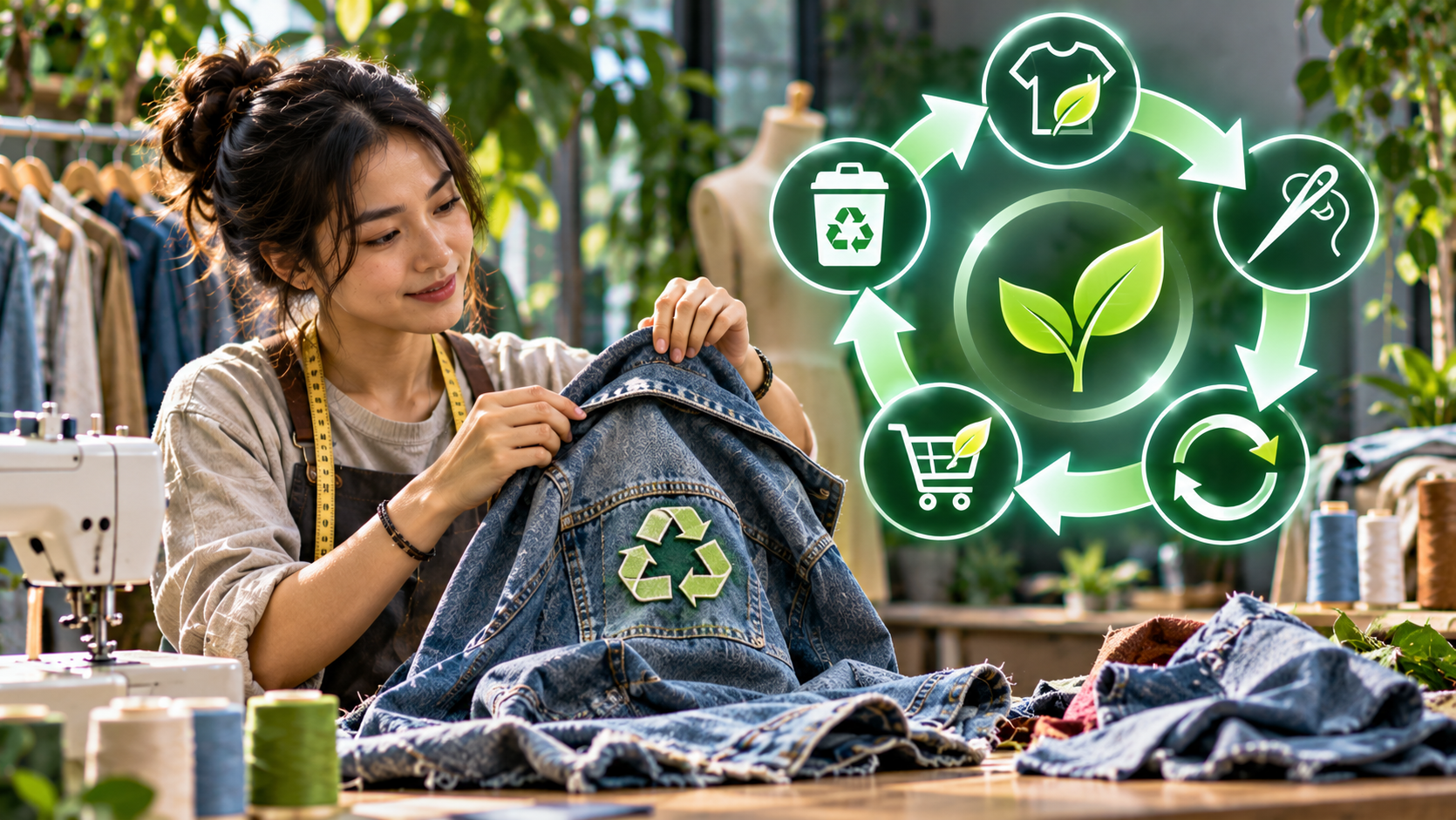
Circular Fashion Business Models are revolutionizing the way we think about clothing and sustainability. By shifting focus from traditional linear approaches to a circular economy, these models promote longevity and resource efficiency, challenging the fast fashion industry’s wasteful practices. This transformation not only reduces environmental impact but also reshapes consumer behavior towards more mindful purchasing decisions.
The core principles of circular fashion emphasize the lifecycle of products, ensuring that they are designed for reuse, repair, or recycling. For instance, a circular model might involve a brand creating garments from recycled materials, which can then be returned for recycling at the end of their life cycle. This innovative approach is increasingly relevant as consumers become more aware of the environmental ramifications of their shopping habits.
Understanding the Concept of Circular Fashion Business Models
Circular fashion is an innovative approach that seeks to redefine the traditional linear business models entrenched in the fashion industry. Unlike conventional models which follow a “take, make, dispose” trajectory, circular fashion promotes a regenerative system that emphasizes sustainability, longevity, and waste reduction. The fundamental principle of circular fashion is to create garments that are designed for a longer lifecycle, allowing materials to be reused, repaired, or recycled, thereby minimizing environmental impact. This paradigm shift encourages brands and consumers to rethink their roles in the lifecycle of fashion products, fostering a more responsible and sustainable approach to consumption.
One of the most compelling demonstrations of a circular fashion business model can be illustrated through the lifecycle of a jacket produced by a circular fashion brand. Initially, the jacket is crafted using sustainably sourced materials, such as organic cotton or recycled polyester, ensuring a minimal carbon footprint right from the start. Once the jacket is sold to a consumer, several pathways for its lifecycle are established. After its initial use, the consumer has options: the jacket can be returned to the brand for refurbishment and resale, donated to a partner organization, or even recycled into new fabric. This cycle continues, enabling the materials to constantly circulate within the economy rather than being discarded. Through this model, brands not only extend the life of their products but also foster consumer loyalty and engagement, as customers become part of a larger sustainable narrative.
Sustainability plays a pivotal role in shaping consumer behavior in circular fashion. As awareness regarding environmental issues rises, consumers are increasingly drawn to brands that prioritize ethical production practices and transparency. This shift in purchasing decisions is evident in the growing popularity of second-hand shopping and clothing rental services. Consumers are not merely seeking high-quality products; they are also interested in being part of a movement that supports sustainable practices. The increasing demand for sustainable fashion ultimately encourages brands to innovate and adopt circular practices, creating a positive feedback loop that benefits both the planet and the business itself.
Identifying Key Circular Fashion Business Models
The emergence of circular fashion business models marks a significant shift from the traditional linear fashion industry, which is often characterized by a take-make-dispose mentality. Circular fashion promotes sustainability by emphasizing the continual use of resources, thereby minimizing waste and maximizing value. This segment will delve into various circular fashion business models, including rental, resale, and upcycling, while also spotlighting successful brands that embody these innovative approaches.
Overview of Circular Fashion Business Models
Circular fashion encompasses a range of business models designed to extend the lifecycle of garments and reduce environmental impact. The following are key models within this paradigm:
- Rental: This model allows consumers to lease clothing for a specific period, catering especially to special occasions. By promoting access over ownership, rental services reduce the demand for new garments.
- Resale: This approach involves the selling of second-hand clothing, allowing items to find new owners rather than ending up in landfills. Resale platforms encourage a circular economy by enabling the exchange of previously owned items.
- Upcycling: Upcycling takes existing materials or products and transforms them into something of higher value or quality. This creative process not only reduces waste but also contributes to unique fashion offerings.
Successful Brands Exemplifying Circular Fashion Models
Several brands have successfully adopted these circular fashion models, showcasing unique strategies that resonate with sustainability-conscious consumers.
- Rent the Runway: This platform specializes in clothing rental, allowing users to rent designer garments for various events. By offering flexible subscription plans and a vast selection, Rent the Runway promotes a culture of sharing luxury fashion while significantly reducing the carbon footprint associated with fast fashion.
- ThredUp: As one of the largest online thrift stores, ThredUp operates on a resale model, providing a marketplace for second-hand clothing. Their commitment to transparency and sustainability is evident in their thorough quality checks and detailed impact reports, showcasing how resale can benefit both consumers and the planet.
- Reformation: This brand embraces upcycling as a core part of its identity. Reformation incorporates recycled materials into its products and often highlights their innovative practices, such as using surplus fabrics to create new designs, thereby minimizing waste and promoting sustainable production methods.
Comparison with Traditional Linear Business Approaches
In contrast to circular models, traditional linear fashion businesses typically follow a model centered on mass production, consumption, and disposal. The linear approach relies on a constant influx of new products, leading to excessive resource extraction and environmental degradation.
“Circular fashion offers a sustainable alternative, creating a system where products are designed for longevity and reusability.”
This comparison highlights several critical differences:
- Resource Use: Circular models prioritize resource efficiency and recycling, while linear models often encourage wasteful practices.
- Consumer Behavior: Circular fashion promotes shared consumption and mindful purchasing, whereas traditional models drive a culture of overconsumption.
- Environmental Impact: Circular business practices aim to reduce ecological footprints, contrasting with the detrimental impacts associated with fast fashion’s linear cycle.
These insights underscore the profound shift occurring in the fashion industry towards sustainability through circular business models.
The Role of Technology in Circular Fashion
Technology is becoming a cornerstone in the transition towards circular fashion business models, facilitating practices that enhance sustainability and reduce waste. By integrating innovative technologies, fashion brands can not only minimize their environmental footprint but also create new value from discarded materials, turning them into resources for future products. The revolution brought about by technology is not merely about efficiency; it’s about reimagining the life cycle of fashion products.
Innovative technologies are key players in the recycling and upcycling processes within the fashion industry. They allow for improved material collection, sorting, and processing, making it easier to repurpose fabrics and other resources. Technologies such as artificial intelligence (AI), blockchain, and advanced recycling methods are fundamentally reshaping how the fashion sector operates.
Innovative Technologies in Recycling and Upcycling
The application of advanced technologies in recycling and upcycling is creating new pathways for sustainability in fashion. These technologies not only improve processes but also ensure higher quality and efficiency in resource management. Here are some notable examples:
- Artificial Intelligence: AI is being utilized to optimize supply chains by predicting trends and managing inventory more effectively. This reduces overproduction and waste, which is a significant issue in the fashion industry.
- Blockchain: This technology offers transparency in the supply chain, allowing consumers to trace the origins of materials. Brands like Everledger are leveraging blockchain to track the lifecycle of materials, ensuring responsible sourcing and recycling.
- Advanced Recycling Technologies: Companies like Worn Again and Renewcell are developing methods to chemically recycle textiles, breaking down fabrics into their raw materials to create new fibers. This process significantly reduces the need for virgin resources.
- 3D Printing: This technology allows for the production of garments on demand, minimizing waste from excess inventory. Brands such as Adidas and Nike are exploring 3D printing to create customizable products that reduce material waste.
- Digital Fabric Printing: This method drastically cuts down dye waste and water usage compared to traditional methods. Companies like Spoonflower are using digital printing to create custom fabrics, promoting a more sustainable production model.
Real-world examples demonstrate how brands successfully integrate technology into their circular business strategies. Fashion label Stella McCartney has partnered with technology companies to develop innovative materials and sustainable production practices, emphasizing transparency and environmental responsibility. Similarly, H&M’s Conscious Collection utilizes recycled materials and leverages AI to enhance design efficiency and sustainability.
“Technology is not just a tool for efficiency; it’s a transformative force that can fundamentally change how we create and consume fashion.”
Challenges Facing Circular Fashion Business Models
Transitioning to circular fashion business models presents a unique set of challenges for companies striving to minimize their environmental impact while maximizing resource efficiency. These challenges often stem from existing linear practices deeply embedded in the industry, which can complicate the shift to more sustainable operations. Understanding these obstacles is essential for fostering effective strategies and ensuring consumer engagement in circular initiatives.
Among the most significant obstacles companies face are supply chain complexities, limited consumer awareness, and high initial investment costs. These hurdles not only affect operational efficiency but also have broader implications for sustainability and consumer perception. As brands attempt to pivot towards a circular economy, the perception of their commitment to sustainability can be influenced by how effectively they address these challenges.
Supply Chain Complexities
The transition to circular fashion models requires a significant overhaul of supply chain practices, which can be intricate and multifaceted. Companies often struggle with the integration of sustainable materials and processes, leading to operational inefficiencies. Key points include:
- Material Sourcing: Finding sustainable and recyclable materials can be challenging, especially when suppliers are not aligned with circular practices.
- Logistics Management: Implementing reverse logistics systems to facilitate the return of used products adds complexity to distribution networks.
- Collaboration with Stakeholders: Effective circular models necessitate cooperation among various stakeholders, including manufacturers, consumers, and recyclers, which can be difficult to establish.
Consumer Awareness and Engagement
Limited consumer awareness of circular fashion and its benefits can hinder the adoption of these models. Educating consumers about the importance of sustainable practices is crucial for creating market demand. Consider the following:
- Knowledge Gap: Many consumers lack understanding of circular principles, making it challenging for brands to convey value.
- Behavioral Change: Encouraging consumers to alter their purchasing habits to favor sustainable options requires significant marketing efforts.
- Perception of Quality: Some consumers associate recycled products with lower quality, impacting their willingness to buy.
Financial Barriers
High initial investment costs can deter companies from fully committing to circular fashion practices. These barriers can include:
- Infrastructure Investment: Establishing new facilities or retrofitting existing ones for circular processes often requires substantial financial resources.
- Research and Development: Developing innovative materials or recycling technologies demands significant R&D funding and time.
- Market Uncertainty: The long-term profitability of circular models is often uncertain, leading to hesitance among investors to fund such initiatives.
“Transitioning to a circular economy is not just about recycling; it’s about rethinking the entire system of production and consumption.”
By addressing these challenges with targeted strategies, such as investing in consumer education, enhancing supply chain partnerships, and securing financial backing for innovative projects, businesses can pave the way for a more sustainable future in the fashion industry.
Consumer Engagement in Circular Fashion Practices
The success of circular fashion business models significantly hinges on consumer engagement and education. In an era where sustainability is increasingly prioritized, brands must not only offer circular products but also cultivate an informed customer base that actively participates in sustainable practices. Engaging consumers helps bridge the gap between intention and action, enabling a shift towards more sustainable consumption patterns.
Consumer education plays a vital role in demystifying circular fashion principles. When brands invest in informing their audience about the benefits of circularity—like reduced waste, resource conservation, and ethical sourcing—they empower consumers to make conscious choices. Simple awareness can transform consumer behavior, encouraging individuals to seek out brands that align with their values and lifestyles, thus creating a more sustainable fashion ecosystem.
Effective Strategies for Engaging Consumers in Circular Practices
To effectively engage consumers in circular practices, brands can adopt a variety of strategies that resonate with their target audience. Below are some key approaches that enhance consumer involvement and foster a culture of sustainability:
- Educational Initiatives: Brands should implement workshops, webinars, and informative content that explain circular fashion concepts. This helps consumers understand their role in the circular economy.
- Transparency in Communication: Openly sharing the sustainability journey of products, including material sourcing and production processes, builds trust and encourages purchase decisions aligned with personal values.
- Incentivizing Sustainable Choices: Offering discounts or rewards for recycling or returning used products can motivate consumers to actively participate in circular practices, making sustainability a tangible benefit.
- Collaborative Platforms: Creating community-driven initiatives such as clothing swaps or upcycling workshops fosters a sense of belonging and encourages consumers to engage directly with sustainable fashion.
- Storytelling and Brand Narratives: Sharing stories about the brand’s impact on social and environmental issues can create emotional connections, motivating consumers to support brands that contribute positively to society.
Consumer behavior is a key determinant in the adoption of circular fashion. As consumers become more aware of the environmental impacts of their purchases, they increasingly lean towards brands that prioritize sustainability. Behavioral shifts often manifest in the following ways:
- Preference for Quality over Quantity: Consumers are increasingly valuing durable and timeless pieces that contribute to a circular economy, rather than fast fashion trends that promote disposability.
- Increased Demand for Transparency: Shoppers are now more likely to research brands’ ethical practices, seeking out information about labor conditions and environmental impact before making purchases.
- Participation in Second-hand Markets: The rise of platforms for buying, selling, and trading second-hand clothing indicates a growing acceptance and enthusiasm for reusing and recycling fashion items.
“Consumer engagement is not just about marketing; it’s about building a community that understands and values the circular economy.”
The Future of Circular Fashion Business Models
The future of circular fashion business models is poised for transformation as emerging trends and global policies shape the industry landscape. With sustainability at the forefront, businesses are encouraged to rethink their operations and product lifecycles. As consumer awareness grows, the demand for eco-friendly practices and products will drive innovation and collaboration in the sector.
Emerging Trends in Circular Fashion
Several key trends are emerging within the circular fashion industry that will significantly influence its future direction. These trends emphasize sustainability, technology integration, and consumer behavior shifts that align with the principles of a circular economy.
- Increased Use of Sustainable Materials: More brands are adopting biodegradable, recycled, and organic materials in their products. This shift not only reduces waste but also appeals to environmentally conscious consumers.
- Technological Innovation: Advances in technology, such as digital supply chains and blockchain, are enhancing transparency and traceability in fashion. These innovations allow consumers to verify the sustainability of products.
- Second-Hand and Rental Markets: The rise of thrift shopping and clothing rental services reflects changing consumer attitudes toward ownership. Brands like Rent the Runway and ThredUp are redefining fashion consumption.
- Product Longevity and Repairability: Designers are starting to focus on creating durable products that can be repaired or upgraded, reducing the need for new purchases. This trend encourages a shift from fast fashion to timeless designs.
Impact of Global Policies on Circular Fashion
Global policies are playing an essential role in shaping the practices and business models of circular fashion. Governments and international organizations are increasingly recognizing the need for sustainable practices in the fashion industry, leading to significant regulatory changes.
- Extended Producer Responsibility (EPR): Countries are implementing EPR laws that require manufacturers to take responsibility for the entire lifecycle of their products. This encourages brands to design for durability and recyclability.
- Incentives for Sustainable Practices: Governments are offering tax breaks and subsidies for companies that adopt circular practices, incentivizing more businesses to transition towards sustainable models.
- International Agreements on Sustainability: Agreements such as the Paris Agreement are pushing countries to commit to reducing carbon emissions, indirectly influencing the fashion industry to adopt circular practices to meet these targets.
Collaborations Between Brands and Stakeholders
Collaboration among brands, consumers, and various stakeholders is crucial for fostering a successful circular economy in fashion. Building partnerships can lead to innovative solutions and create a more sustainable ecosystem.
- Brand Partnerships: Collaborations between brands can lead to shared resources and knowledge, enabling the development of sustainable products. For instance, the partnership between Adidas and Parley for the Oceans has successfully produced footwear made from ocean plastic.
- Engagement with Consumers: Brands are increasingly involving consumers in their sustainability journeys through programs that encourage recycling and upcycling. This participatory approach enhances brand loyalty and drives consumer action.
- Cross-Industry Collaborations: Fashion brands are working alongside tech companies and recyclers to develop new solutions for waste management and material recovery, such as using AI for sorting textiles.
Final Review
In summary, Circular Fashion Business Models represent a proactive shift towards sustainability in the fashion industry. By embracing practices like rental, resale, and upcycling, brands can not only enhance their environmental credibility but also engage a growing base of conscious consumers. As technology continues to innovate and global policies evolve, the future of fashion looks promisingly circular, paving the way for a more sustainable and responsible industry.
Top FAQs
What are Circular Fashion Business Models?
They are innovative approaches in fashion that prioritize sustainability by promoting practices such as recycling, upcycling, renting, and reselling clothing to extend product lifecycles.
How do these models benefit the environment?
Circular Fashion Business Models reduce waste, lower carbon emissions, and minimize the use of new resources, contributing to a more sustainable fashion industry.
Can consumers participate in circular fashion?
Yes, consumers can engage by choosing to buy second-hand, renting clothes, and supporting brands that implement circular practices.
What role does technology play in circular fashion?
Technology facilitates recycling and upcycling processes, enhances efficiency in material use, and enables brands to track and manage their sustainable practices effectively.
What challenges do brands face in adopting circular models?
Brands may encounter obstacles such as higher initial costs, consumer education needs, and the complexity of changing existing supply chains.