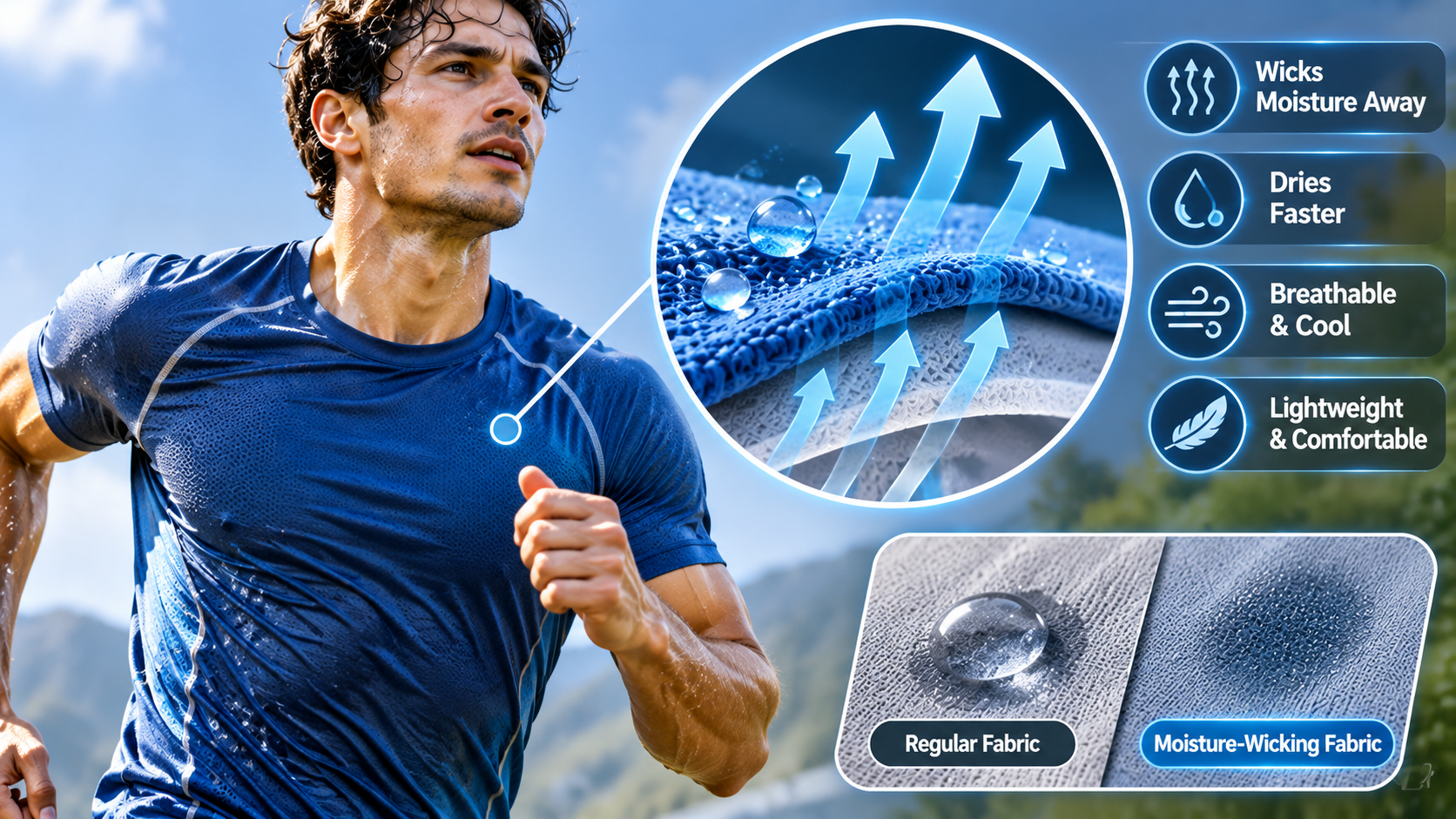
Moisture Wicking Textile Technology is revolutionizing the way athletes dress by transforming ordinary fabrics into high-performance gear. These innovative textiles are designed to pull sweat away from the skin, keeping athletes comfortable and focused on their game. With brands like Nike and Under Armour leading the charge, the impact of moisture management on athletic performance cannot be overstated.
This technology relies on a combination of synthetic and natural materials that enhance moisture transfer, allowing for quicker evaporation and better comfort during intense physical activity. By understanding the science behind these fabrics, consumers can appreciate the benefits they offer, not just in sports but across various applications.
The Importance of Moisture Wicking Textile Technology in Sports Apparel
Moisture wicking textile technology has revolutionized the world of sports apparel, allowing athletes to perform at their best while maintaining optimal comfort. This technology is designed to pull sweat away from the skin and disperse it across the surface of the fabric, enabling quicker evaporation. As a result, athletes experience enhanced performance, reduced discomfort, and improved endurance during their activities.
Moisture management plays a critical role in the performance of athletes. When sweat is effectively removed from the skin, athletes can maintain a stable body temperature, which is essential for peak performance. Excess moisture can lead to chafing and skin irritation, distracting athletes from their game or workout. The ability to stay dry and comfortable directly influences an athlete’s endurance, allowing them to focus on their performance rather than the discomfort caused by sweat-soaked clothing.
Popular Sports Apparel Brands Utilizing Moisture Wicking Technology
Several leading sports apparel brands have embraced moisture wicking textile technology, integrating it into their products to enhance athlete experience and performance. These brands have developed innovative fabrics that cater to the specific needs of athletes in various sports. The following are notable examples:
- Nike: Known for its Dri-FIT technology, Nike offers a range of moisture-wicking apparel designed to keep athletes dry and comfortable during workouts.
- Under Armour: The brand’s HeatGear line features advanced moisture management properties that help regulate body temperature and wick away sweat.
- Adidas: With its Climalite fabric, Adidas provides moisture-wicking capabilities that keep users dry while participating in sports and physical activities.
- Puma: Puma’s dryCELL technology efficiently moves moisture away from the skin, ensuring comfort and enhancing performance for athletes.
- Reebok: Reebok incorporates PlayDry technology into its apparel, promoting moisture management and breathability for a better workout experience.
These brands exemplify the successful integration of moisture wicking technology into their sports apparel, highlighting its importance for athletes seeking performance optimization and comfort during their activities.
The Science Behind Moisture Wicking Fabrics and Their Functionality
Moisture wicking textiles represent a significant advancement in fabric technology, specifically designed to enhance comfort and performance in various activities. The science behind these fabrics lies in their unique material composition and construction, which work together to manage sweat effectively. This discussion delves into the specific materials utilized, the moisture management process, and how fabric construction coupled with fiber technology elevates moisture wicking capabilities.
Materials Used in Moisture Wicking Textiles
The composition of moisture wicking fabrics is crucial to their performance. Common materials include synthetic fibers such as polyester, nylon, and polyolefin blends. Each of these materials possesses specific properties that contribute to effective moisture management:
- Polyester: Known for its durability and resistance to shrinking and stretching, polyester is a hydrophobic material that pulls moisture away from the skin, allowing it to evaporate quickly.
- Nylon: This lightweight and elastic material enhances breathability while also resisting mildew and mold, making it ideal for activewear.
- Polyolefins: Fabrics made from polyolefins, such as polypropylene, are unique because they do not absorb water, instead channeling moisture away from the body.
Moisture wicking fabrics often blend these materials with natural fibers like cotton or bamboo to enhance comfort while still maintaining wicking properties. The combination of fibers provides a balance of comfort, durability, and moisture management, making these textiles suitable for both athletic and everyday wear.
Moisture Management Process
Understanding how moisture wicking fabrics work involves examining the process from sweat absorption to evaporation. When a person sweats, the moisture initially forms on the skin’s surface. Moisture wicking fabrics utilize capillary action to draw this moisture away from the skin. This process occurs through various mechanisms:
- Absorption: The fabric’s surface quickly absorbs sweat, moving it through its fibers.
- Transport: The moisture is transported to the outer surface of the fabric, where it spreads out over a larger area.
- Evaporation: The increased surface area facilitates quicker evaporation, allowing the wearer to feel dry and comfortable.
The efficiency of this moisture management process not only enhances comfort but also plays a critical role in regulating body temperature during physical activities.
Fabric Construction and Fiber Technology
The construction of moisture wicking fabrics significantly influences their functionality. Various techniques and technologies are employed to enhance moisture management capabilities:
- Fabric Weaves: Different weaving techniques, such as mesh or interlock, can create breathable structures that allow heat and moisture to escape while maintaining durability.
- Microfiber Technology: Microfibers, which are finer than traditional fibers, increase the surface area of the fabric. This allows for enhanced wicking action and quicker drying times.
- Finish Treatments: Some fabrics undergo special treatments, such as hydrophilic finishes, which enhance their ability to absorb moisture and improve overall performance.
The combination of advanced materials and innovative fabric construction leads to textiles that not only wick moisture effectively but also provide comfort and longevity, catering to the needs of active individuals across various environments.
Different Types of Moisture Wicking Technologies and Their Applications
Moisture wicking technology has revolutionized how textiles interact with moisture, providing enhanced comfort and performance across various industries. This advanced approach is crucial in garments designed for active use, but it also finds applications in everyday wear, workwear, and outdoor gear. Understanding the different types of moisture wicking technologies available can help consumers and industries make informed choices.
Moisture wicking technologies are broadly classified into synthetic and natural fibers, each presenting unique benefits and effectiveness in moisture management. Synthetic fibers, such as polyester and nylon, are engineered to have excellent moisture wicking properties due to their hydrophobic nature, allowing them to pull moisture away from the skin and facilitate quick evaporation. Natural fibers, such as cotton and wool, while breathable, often retain moisture, making them less effective for active use. However, advancements in treatments and blends have improved the moisture-wicking capabilities of some natural fibers.
Types of Moisture Wicking Technologies
Various moisture wicking technologies exist in the market, each with distinct applications suited for different environments. Here’s a breakdown of some prevalent technologies:
- Polyester: Known for its lightweight and quick-drying properties, polyester is widely used in athletic wear. Its ability to pull moisture away from the skin makes it ideal for high-intensity activities.
- Nylon: Highly durable and elastic, nylon is often used in outdoor gear and workwear. It offers excellent moisture wicking capabilities while maintaining a soft touch against the skin.
- Merino Wool: This natural fiber is exceptional for temperature regulation and moisture management. It is popular in outdoor and performance wear due to its ability to wick moisture while providing insulation.
- Bamboo Fabric: Naturally moisture-wicking, bamboo fabric is favored for its eco-friendliness and softness. It’s commonly used in casual wear and undergarments.
- Coolmax: A specially engineered polyester fiber, Coolmax is designed to enhance moisture management, making it a popular choice for both athletic and leisure apparel.
The effectiveness of synthetic fibers versus natural fibers in moisture wicking stems from their inherent properties. Synthetic fibers, due to their hydrophobic characteristics, excel at drawing moisture away from the skin, leading to rapid evaporation. Natural fibers, while breathable, can struggle with moisture retention, although innovations in fabric treatments have led to improved performance in some cases.
Industry-Specific Applications of Moisture Wicking Technology
Moisture wicking technology is not limited to sportswear; it has found significant applications in various other industries. The following Artikels some of these applications:
- Workwear: Many industries, such as construction and manufacturing, benefit from moisture-wicking workwear. These garments help manage sweat in physically demanding environments, enhancing comfort and productivity.
- Outdoor Gear: For hiking, camping, and climbing, moisture-wicking fabrics are vital. They help regulate body temperature and keep the wearer dry, which is crucial for safety and enjoyment in outdoor activities.
- Medical Textiles: Hospitals and healthcare settings use moisture-wicking fabrics in uniforms and bedding to manage humidity and enhance comfort for both patients and staff.
- Fashion Industry: High-performance fabrics are increasingly making their way into everyday fashion, offering comfort and functionality in casual wear while appealing to consumers’ desire for multi-purpose clothing.
Moisture wicking technology enhances comfort and performance across various industries, proving beneficial far beyond sports.
Environmental Impact and Sustainability of Moisture Wicking Textiles
The production and use of moisture-wicking textiles present a unique set of ecological implications that merit careful consideration. As the demand for activewear and performance fabrics continues to rise, the environmental footprint of these products cannot be overlooked. Understanding the sustainability practices within the textile industry is essential for mitigating the adverse effects these fabrics can have on our planet.
The ecological implications of producing moisture-wicking fabrics are significant, primarily due to the materials used and the processes involved in manufacturing. Conventional moisture-wicking textiles are often derived from synthetic fibers such as polyester and nylon, which are petroleum-based. The extraction and processing of these materials contribute to environmental degradation, including significant energy consumption, greenhouse gas emissions, and pollution. Additionally, the dyeing and finishing processes can involve hazardous chemicals that pose risks to both ecosystems and human health.
Advancements in Sustainable Practices
The textile industry is increasingly recognizing the importance of sustainable practices, leading to advancements aimed at reducing the environmental impact of moisture-wicking fabrics. One significant development is the rise of recycled fibers. Many brands now utilize recycled polyester made from post-consumer plastic bottles, which not only conserves resources but also diverts waste from landfills.
Another practice gaining traction is the implementation of waterless dyeing technologies. Traditional dyeing methods consume vast amounts of water and generate wastewater. Innovations such as digital printing and the use of supercritical CO2 for dyeing dramatically reduce water usage and chemical runoff. Furthermore, companies are now adhering to stricter sustainability certifications, such as Global Organic Textile Standard (GOTS) or OEKO-TEX, which ensure environmental and social responsibility throughout the supply chain.
The shift toward eco-friendly materials is also noteworthy. Brands are exploring various natural fibers and innovative alternatives. For instance:
- Bamboo: Known for its moisture-wicking and antibacterial properties, bamboo is a rapidly renewable resource that requires fewer chemicals and water to grow compared to cotton.
- Organic Cotton: Cultivated without synthetic pesticides or fertilizers, organic cotton is a more sustainable choice, though moisture-wicking capabilities may be enhanced with blends.
- Tencel (Lyocell): Derived from sustainably sourced wood pulp, Tencel is biodegradable and produced in a closed-loop process that recycles water and solvents.
- Hemp: A hardy plant that requires minimal water and pesticides, hemp is gaining traction for its durability and moisture-wicking capabilities.
These materials not only provide effective moisture management but also align with sustainable practices that minimize environmental impact.
“Sustainability in textiles is not just a trend; it’s a necessity for the future of our planet.”
In summary, while moisture-wicking textiles have significant ecological implications, advancements in sustainable practices and the development of alternative materials highlight a transformative shift in the industry. Continued innovation and awareness are crucial for creating fabrics that meet both performance standards and environmental responsibilities.
Future Trends in Moisture Wicking Textile Technology
As the demand for high-performance textiles continues to grow, moisture-wicking technology is poised to evolve significantly. Innovations in materials and manufacturing techniques are expected to enhance the functionality and versatility of moisture management in fabrics. With a focus on sustainability and advanced performance, the future of moisture-wicking textiles will likely see exciting developments across various sectors.
Emerging innovations in moisture management are paving the way for more efficient and user-friendly textiles. One key area of focus is the development of advanced fibers that not only wick moisture away from the skin but also have antimicrobial properties. These fibers help reduce odor and improve comfort, making them ideal for activewear and other applications where prolonged wear is common. Moreover, the integration of eco-friendly materials, such as recycled fibers and bio-based polymers, is becoming more prevalent, ensuring that the production of moisture-wicking fabrics aligns with sustainable practices.
Integration of Smart Technologies in Moisture Wicking Fabrics
The incorporation of smart technologies into moisture-wicking textiles represents a groundbreaking shift in textile innovation. Smart fabrics equipped with sensors can monitor physiological signals, such as body temperature and sweat levels, providing real-time feedback to the wearer. This data can not only enhance personal comfort but also inform athletic performance and health monitoring.
For instance, imagine a running shirt that adjusts its breathability based on the wearer’s sweat output. Such textiles use specialized coatings that react to moisture levels, opening up vents when excess moisture is detected, thereby optimizing body temperature regulation.
Additionally, these smart fabrics can be connected to mobile devices for tracking fitness metrics, making them invaluable in sports and health industries. Here are some potential features of these smart textiles:
- Real-time sweat analysis
- Temperature regulation through adaptive materials
- Integration with wearable fitness trackers
- Alert systems for hydration needs based on sweat levels
- Data sharing with healthcare providers for monitoring conditions
Predictions for the Future of Moisture Wicking Technology in Various Industries
The future of moisture-wicking technology is bright, with significant implications across diverse industries, including sportswear, healthcare, and outdoor gear. It is anticipated that the demand for high-performance fabrics will continue to rise as consumers seek products that enhance their activities and well-being.
In the sportswear sector, brands are likely to invest in more durable moisture-wicking materials that withstand rigorous use while offering improved comfort and breathability. In healthcare, moisture-wicking textiles are expected to play a crucial role in developing medical garments that manage temperature and moisture for patients, especially in wound care and recovery.
Furthermore, the outdoor industry will benefit from technologically advanced fabrics that not only wick moisture but also provide UV protection and resistance to environmental elements. A notable example is the increasing popularity of moisture-wicking hiking gear, which combines durability with comfort, allowing outdoor enthusiasts to enjoy their activities without the discomfort of damp clothing.
Future trends suggest that as research advances and consumer preferences evolve, the applications of moisture-wicking technology will expand, leading to even more innovative solutions that enhance everyday life.
Consumer Insights
Choosing the right moisture-wicking fabric can significantly enhance your comfort during physical activities. Understanding the key factors involved in selecting these textiles ensures that consumers make informed decisions that best suit their lifestyle and needs. This guide highlights essential considerations and offers practical tools to help evaluate moisture-wicking clothing effectively.
Factors to Consider When Selecting Moisture Wicking Fabrics
When looking for the ideal moisture-wicking fabric, there are several crucial factors to keep in mind. These aspects influence not only the performance of the fabric but also its suitability for various activities and preferences.
- Fabric Composition: Look for synthetic fibers like polyester, nylon, or blends that provide enhanced moisture management capabilities. Natural fibers such as cotton may not wick moisture as effectively.
- Moisture Management Technology: Familiarize yourself with the technologies employed by brands (like CoolMax or Dri-FIT) that enhance moisture-wicking properties.
- Breathability: Ensure the fabric allows air circulation, which aids in evaporation and prevents overheating.
- Fit and Comfort: Select a fit that allows for movement without restriction; consider features like flat seams to reduce chafing.
- Durability: Assess how well the fabric withstands wear and washing, as frequent use may diminish performance over time.
- Care Instructions: Understanding how to properly care for your moisture-wicking clothing is essential for maintaining its performance.
Checklist for Assessing the Performance of Moisture Wicking Clothing
A practical checklist can help consumers evaluate moisture-wicking clothing before making a purchase. This assessment ensures the selected garment meets your performance expectations.
- Does it feature moisture-wicking technology?
- Is the fabric breathable and lightweight?
- Have you checked the reviews for its performance during physical activities?
- Is it comfortable and does it allow freedom of movement?
- Is the garment durable enough for your intended use?
- Are the care instructions manageable for your lifestyle?
Comparison of Different Brands and Their Moisture Wicking Claims
Different brands offer varying levels of performance when it comes to moisture-wicking properties. User reviews can provide insight into these claims, helping consumers make educated choices. Here’s a comparison based on consumer feedback:
| Brand | Claimed Technology | User Rating | Pros | Cons |
|---|---|---|---|---|
| Under Armour | Moisture Transport System | 4.5/5 | Highly breathable, quick-drying | May fit snug for some users |
| Adidas | AEROREADY | 4/5 | Soft feel, stylish designs | Less effective in extreme heat |
| Nike | Dri-FIT | 4.7/5 | Excellent moisture management | Higher price point |
| Columbia | Omni-Wick | 4.3/5 | Affordable, good for casual wear | May not perform as well for intense workouts |
The right choice in moisture-wicking fabric can transform your workout experience, keeping you dry and comfortable throughout.
Wrap-Up
In conclusion, Moisture Wicking Textile Technology represents a significant advancement in fabric engineering that plays a crucial role in enhancing athletic performance and comfort. As we continue to see innovations in this field, from sustainable materials to smart textiles, it’s clear that the future holds exciting possibilities for both athletes and everyday users seeking optimal performance in their clothing.
FAQs
What are moisture wicking fabrics made of?
Moisture wicking fabrics are typically made from synthetic fibers like polyester and nylon, but some natural fibers like merino wool can also wick moisture effectively.
How do I care for moisture wicking textiles?
It’s best to wash moisture wicking fabrics in cold water and avoid fabric softeners, which can hinder their moisture-wicking properties. Air drying is recommended to maintain the fabric’s integrity.
Can moisture wicking fabrics help with odor control?
Yes, many moisture wicking fabrics are treated with antimicrobial agents that help control odors by preventing the growth of bacteria.
Are there eco-friendly options for moisture wicking fabrics?
Yes, there are eco-friendly moisture wicking fabrics made from recycled materials or organic fibers that offer similar performance while being more sustainable.
How can I tell if a fabric is moisture wicking?
Look for labels that specifically mention moisture wicking or moisture management, and check user reviews for feedback on the fabric’s performance.