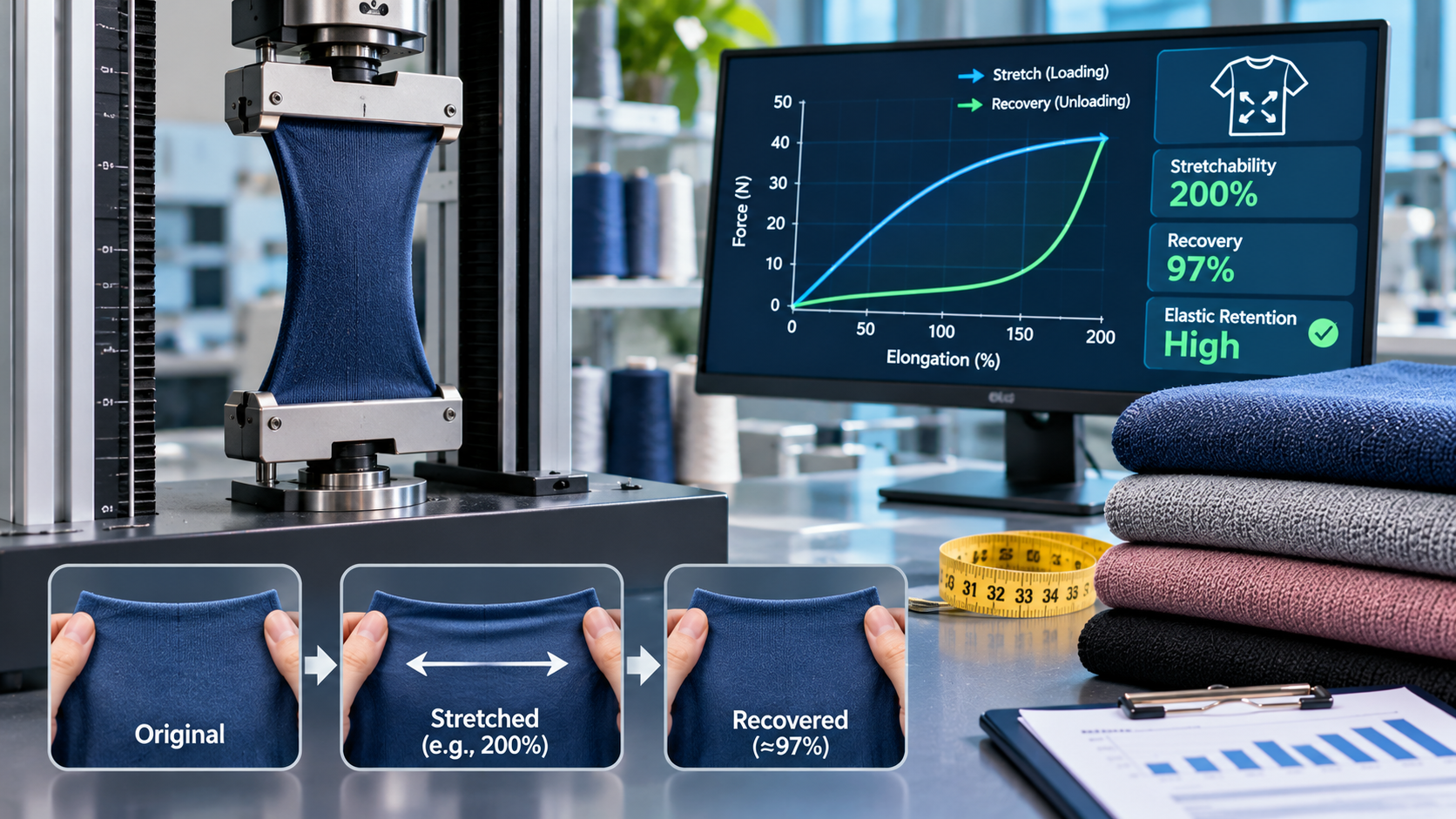
Stretch Fabric Recovery Performance is a fascinating topic that intertwines science and fashion, significantly impacting how we experience clothing. With the rise of activewear and performance garments, understanding the nuances of stretch fabric recovery is more important than ever. From the way these fabrics behave under tension to their ability to bounce back to shape, their characteristics dictate comfort, fit, and overall quality.
This exploration will delve into the fundamentals of stretch fabrics, covering their essential properties and the relationship between elasticity and recovery. We will also examine the various types of stretch fabrics used in different industries, highlighting their unique recovery capabilities. As we navigate through the factors influencing recovery performance, testing methods, and real-world applications, readers will gain a comprehensive understanding of why stretch fabric recovery performance matters.
Understanding the Fundamentals of Stretch Fabric Recovery Performance
Stretch fabrics are designed to provide flexibility and comfort, making them integral to various applications ranging from athletic wear to upholstery. The primary characteristic of these fabrics is their ability to stretch and return to their original shape after being subjected to tension. This quality is crucial in performance-oriented textiles where movement and fit are essential. High-performance stretch fabrics are engineered with specific material compositions and construction techniques that enhance their elasticity and recovery capabilities, ensuring they maintain their structure and function over time.
When discussing the relationship between elasticity and recovery, it is important to note that elasticity refers to a fabric’s ability to stretch when force is applied, while recovery denotes the fabric’s ability to return to its original dimensions once the force is removed. The degree of elasticity directly influences recovery performance; materials with high elasticity can stretch significantly but may also experience reduced recovery if they are not engineered correctly. For example, fabrics with a lower recovery percentage may become permanently stretched or misshapen with repeated use, which is a critical consideration in manufacturing and selecting textiles for high-stress environments.
In various industries, several types of stretch fabrics are commonly utilized, each exhibiting distinct recovery capabilities. Understanding these fabric types aids in selecting the right material for specific applications. Below are some prevalent types of stretch fabrics noted for their recovery performance:
Common Types of Stretch Fabrics
The choice of stretch fabric can greatly impact performance, comfort, and durability. Here are some notable examples:
- Spandex (Lycra): Known for its exceptional elasticity, Spandex can stretch up to five times its original size while maintaining strong recovery, making it popular in sportswear and swimwear.
- Nylon: Features good stretch capabilities and recovery, often used in activewear and outdoor clothing due to its moisture-wicking properties and durability.
- Polyester: Offers moderate stretch and excellent recovery, widely used in athletic apparel and home textiles for its resilience and color retention.
- Elastane blends: Fabrics blended with elastane combine the strengths of other fibers with stretch and recovery, commonly found in form-fitting garments.
Each of these fabrics contributes uniquely to the performance characteristics desired in active and everyday wear. The choice of material will ultimately depend on the intended use, desired flexibility, and recovery requirements.
Factors Influencing Stretch Fabric Recovery Performance
Stretch fabric recovery performance is a crucial aspect that determines the longevity and comfort of textile products. Recovery performance refers to how well a fabric returns to its original shape after being stretched. Several factors influence this characteristic, including material composition, weave structure, and environmental conditions. Understanding these factors can help manufacturers choose the right materials for their intended applications, ensuring that the final product meets consumer needs effectively.
The composition of the fabric plays a significant role in its recovery performance. Stretch fabrics are generally made from a blend of fibers, which can include natural fibers like cotton and synthetic fibers like spandex or polyester. Each type of fiber has unique properties that affect recovery. Natural fibers often provide breathability and comfort but may lack the elasticity needed for significant stretch and recovery. In contrast, synthetic fibers like spandex offer excellent elasticity and recovery but can sometimes sacrifice breathability. The ideal blend of these fibers is crucial; for instance, a common ratio is 95% cotton and 5% spandex, which balances comfort with the necessary stretch.
Material Composition and Weave Structure
The weave structure of the fabric also impacts its recovery performance significantly. Different weave patterns can alter the amount of stretch and the way a fabric behaves under tension. For instance, a knit fabric typically offers more stretch and recovery compared to woven fabrics because of its inherent structure, allowing for greater freedom of movement. Fabrics made with a tighter weave may offer better durability but might restrict stretchability, affecting how well they recover after being stretched.
Another important aspect is the role of environmental conditions. Factors such as humidity, temperature, and exposure to sunlight can all influence the recovery performance of stretch fabrics. High humidity can weaken the fibers, leading to diminished recovery over time. Similarly, extreme temperatures can affect the elasticity of synthetic fibers, causing them to lose their shape after repeated use. For example, fabrics exposed to high temperatures may experience thermal degradation, resulting in a permanent change in structure that impacts recovery.
When comparing natural and synthetic stretch fabrics, the recovery performance varies significantly. Natural fabrics, while more environmentally friendly and breathable, often do not recover as well as their synthetic counterparts. However, they provide comfort and are less likely to irritate the skin. On the other hand, synthetic fabrics excel in recovery and durability, making them ideal for activewear and performance garments. The decision to use one over the other typically depends on the intended use and consumer preference.
Natural fabrics provide comfort, while synthetic fabrics excel in recovery and durability.
Understanding these factors allows textile manufacturers and consumers to make informed decisions about their fabric choices, ultimately enhancing the functionality and satisfaction of their products.
Testing Methods for Stretch Fabric Recovery Performance
Evaluating the recovery performance of stretch fabrics is crucial for determining their durability and functionality in various applications. Standardized testing methods provide a systematic approach to assess how well these fabrics can return to their original shape after being stretched. This evaluation is essential for industries such as fashion, sportswear, and home textiles, where the integrity of the fabric significantly impacts usability and consumer satisfaction.
Recovery performance is primarily determined through standardized tests that measure tensile strength and elongation. Tensile strength refers to the maximum amount of stress a fabric can withstand while being stretched before breaking, while elongation measures how much the fabric can be extended before it returns to its original length. Together, these parameters are critical in understanding a fabric’s ability to maintain its structure and performance after multiple uses. Fabrics with high tensile strength and adequate elongation typically exhibit excellent recovery performance, making them ideal for active wear and other demanding environments.
Standardized Testing Methods
Several standardized testing methods are employed to assess the recovery performance of stretch fabrics. Each method serves specific purposes and applications within the industry. The following table Artikels some of the most common testing methods, along with their relevant applications:
| Testing Method | Description | Application |
|---|---|---|
| ASTM D5034 | Tensile Strength Test – Measures the force required to break the fabric. | Used in quality control for apparel and upholstery. |
| ASTM D stretch recovery | Measures the fabric’s ability to return to its original dimensions after being stretched. | Essential in evaluating performance in sportswear and active garments. |
| ISO 13934-1 | Determines the force required to stretch the fabric to a specified elongation. | Applicable in the testing of technical textiles for industrial uses. |
| BS EN 14704-1 | Assessing fabric recovery after repeated stretching cycles. | Important for testing fabrics used in swimwear and form-fitting garments. |
Understanding these testing methods is fundamental for manufacturers looking to enhance the performance of their stretch fabrics. By adhering to these standardized testing protocols, they can ensure the quality and reliability of their products, ultimately leading to improved customer satisfaction in a competitive market.
Applications of Stretch Fabric Recovery Performance in Industry
The significance of stretch fabric recovery performance in the sportswear and activewear industry cannot be overstated. As athletes and fitness enthusiasts demand higher levels of comfort, durability, and performance from their apparel, the ability of fabrics to recover their shape after stretching becomes crucial. Stretch fabric recovery performance refers to how well a material returns to its original dimensions after being stretched. This characteristic is essential in activewear, as it directly influences the longevity of garments and the overall user experience.
The impact of recovery performance on comfort and fit in clothing design is significant. Performance fabrics designed for sportswear must not only stretch to accommodate movement but also return to their initial form to prevent sagging and maintain a flattering silhouette. For example, brands like Lululemon and Nike utilize advanced polyester and elastane blends in their products to achieve optimal recovery performance. Lululemon’s popular Align Pant features a fabric that stretches and recovers well, ensuring that wearers can enjoy high-intensity workouts without worrying about the fabric losing its shape or becoming transparent. Similarly, Nike’s Dri-FIT technology includes fabrics engineered to wick moisture and maintain their structure, enhancing athlete comfort during rigorous activities.
Case Study of Innovative Application in Textiles
A noteworthy case study that illustrates the innovative application of stretch fabric recovery performance is the collaboration between Under Armour and the textile manufacturer, Invista. Together, they developed the “UA HOVR” running shoe, which incorporates a specially engineered stretch fabric upper that provides exceptional recovery properties. The fabric not only supports the foot during motion but also ensures that the shoe maintains its original shape, providing consistent fit over time.
This innovative fabric technology utilizes a blend of nylon and elastane, which allows for breathability and flexibility while retaining structural integrity. As a result, athletes experience less fatigue as the shoe adapts to their movements without losing responsiveness. The recovery performance of the upper contributes to improved comfort and reduces the risk of blisters and chafing, common issues faced by runners. This case highlights how advancements in stretch fabric technology can lead to enhanced performance and satisfaction in athletic footwear, ultimately setting new standards in the industry.
Overall, the applications of stretch fabric recovery performance are vast and continue to evolve, impacting both the design and functionality of activewear in a dynamic and competitive market.
Innovations and Future Trends in Stretch Fabric Recovery Technology
Recent advancements in stretch fabric technology have made significant strides in enhancing recovery performance, which refers to the ability of a fabric to return to its original shape after being stretched. This is especially crucial in activewear and performance gear, where elasticity and durability are paramount. Innovations in materials science and engineering have led to the development of fabrics that not only meet but exceed the expectations of consumers seeking high-performance apparel.
The focus on recovery performance has prompted manufacturers to explore new fiber blends and manufacturing techniques that enhance the elasticity and longevity of stretch fabrics. For example, advancements in synthetic fibers, such as nylon and polyester, have been combined with natural fibers like cotton to create hybrid materials that offer superior recovery characteristics. Additionally, the incorporation of advanced knitting technologies allows for the creation of intricate patterns that provide targeted support and stretch in key areas, thereby optimizing the performance of the fabric during physical activities.
Emerging Innovations in Stretch Fabric Recovery
The landscape of stretch fabric recovery technology is rapidly evolving, driven by both performance demands and sustainable practices. Manufacturers are increasingly prioritizing eco-friendly materials and processes, reflecting a growing consciousness regarding the environmental impacts of textile production. The following bullet points highlight notable innovations and trends that are shaping the future of stretch fabric recovery:
- Recycled Fibers: The use of recycled plastics, such as PET, is becoming prevalent in the production of stretch fabrics, contributing to sustainability while maintaining performance standards.
- Smart Textiles: These fabrics incorporate technology that can monitor biometrics and adjust tension and support based on the wearer’s movements, offering dynamic recovery capabilities.
- Biodegradable Elastane: Innovations in elastane have led to the development of biodegradable options that retain excellent recovery properties without contributing to long-term environmental waste.
- 3D Knitting Technology: This technique allows for the creation of seamless garments that provide enhanced flexibility and recovery by eliminating weaknesses typically found at seams.
- Moisture Management Systems: New fabrics are engineered to manage moisture effectively, which not only enhances comfort but also aids in maintaining the structural integrity and recovery performance of the material.
The interplay between material science, innovation, and sustainability is paving the way for a new era in stretch fabric recovery technology. As brands continue to invest in research and development, the emphasis on creating high-performance fabrics that are also environmentally responsible will likely become the norm, leading to better products and a reduced ecological footprint in the textile industry.
The Role of Stretch Fabric Recovery Performance in Consumer Satisfaction
The significance of stretch fabric recovery performance cannot be overstated when it comes to consumer satisfaction. Recovery performance refers to a fabric’s ability to return to its original shape after being stretched, which is foundational for garments that are designed for active lifestyles. This quality directly impacts how consumers perceive their clothing, influencing their purchasing decisions and overall satisfaction. When consumers invest in stretch fabrics, they expect a balance between comfort, durability, and aesthetics. If the fabric fails to recover well, it leads to undesirable results, such as sagging or distortion, leaving consumers frustrated and likely to seek alternatives.
The relationship between recovery performance and consumer satisfaction is robust. High recovery performance not only enhances the fit and feel of the garment but also contributes to the garment’s longevity. As a result, consumers are more likely to choose brands that prioritize this aspect in their clothing lines. For manufacturers, this creates a feedback loop that is essential for innovation. Consumer reviews and feedback act as critical data points that inform manufacturers about fabric performance in real-world conditions. When customers voice their experiences, especially regarding recovery performance, brands are compelled to reconsider their fabric choices and production processes.
Consumer Feedback and Manufacturer Innovation
The communication between consumers and manufacturers regarding stretch fabric performance is vital for driving improvements in the industry. Feedback from consumers often highlights specific areas where recovery performance may fall short, guiding manufacturers in their design and material selection processes. For instance, a popular athletic wear brand may receive feedback indicating that their leggings lose shape after a few washes. This insight can prompt the brand to invest in more advanced fabric technologies that enhance recovery.
Several testimonials underscore the importance of recovery in clothing choices. One consumer remarked, “I love my yoga pants because they maintain their shape, even after multiple workouts. I can trust them to fit well every time.” This highlights how effective recovery performance fosters brand loyalty. Another customer shared that “after trying different brands, I found one that offers leggings that truly bounce back. It makes all the difference during my runs.” Such testimonials emphasize the intrinsic value of recovery performance in consumer decision-making.
Ultimately, stretch fabric recovery performance serves as a critical touchpoint within the consumer journey, affecting product satisfaction and retention. When brands listen and respond to consumer needs, they not only bolster their reputation but also enhance overall consumer satisfaction, creating a thriving market for innovation in stretch fabrics.
Summary
In summary, Stretch Fabric Recovery Performance plays a crucial role in the textile industry and has a direct impact on consumer satisfaction. By understanding the various factors that contribute to recovery performance, along with the innovative advancements in fabric technology, both manufacturers and consumers can make informed choices. Ultimately, the emphasis on recovery performance enhances not only the functionality of clothing but also the overall consumer experience, making it a key element in modern textile design.
Popular Questions
What is stretch fabric recovery performance?
It refers to the ability of stretch fabrics to return to their original shape after being stretched, which is crucial for comfort and fit.
How is recovery performance tested?
Recovery performance is typically evaluated using standardized tests that measure factors like tensile strength and elongation under stress.
Why is recovery performance important in activewear?
It ensures that activewear maintains its shape and support during movement, enhancing comfort and performance.
Do natural fabrics recover as well as synthetic ones?
Generally, synthetic fabrics tend to have better recovery performance compared to natural fabrics due to their elastic properties, but advancements in natural fibers are improving this aspect.
Can environmental conditions affect stretch fabric recovery?
Yes, factors like humidity and temperature can impact the recovery performance of stretch fabrics, affecting their elasticity and durability.