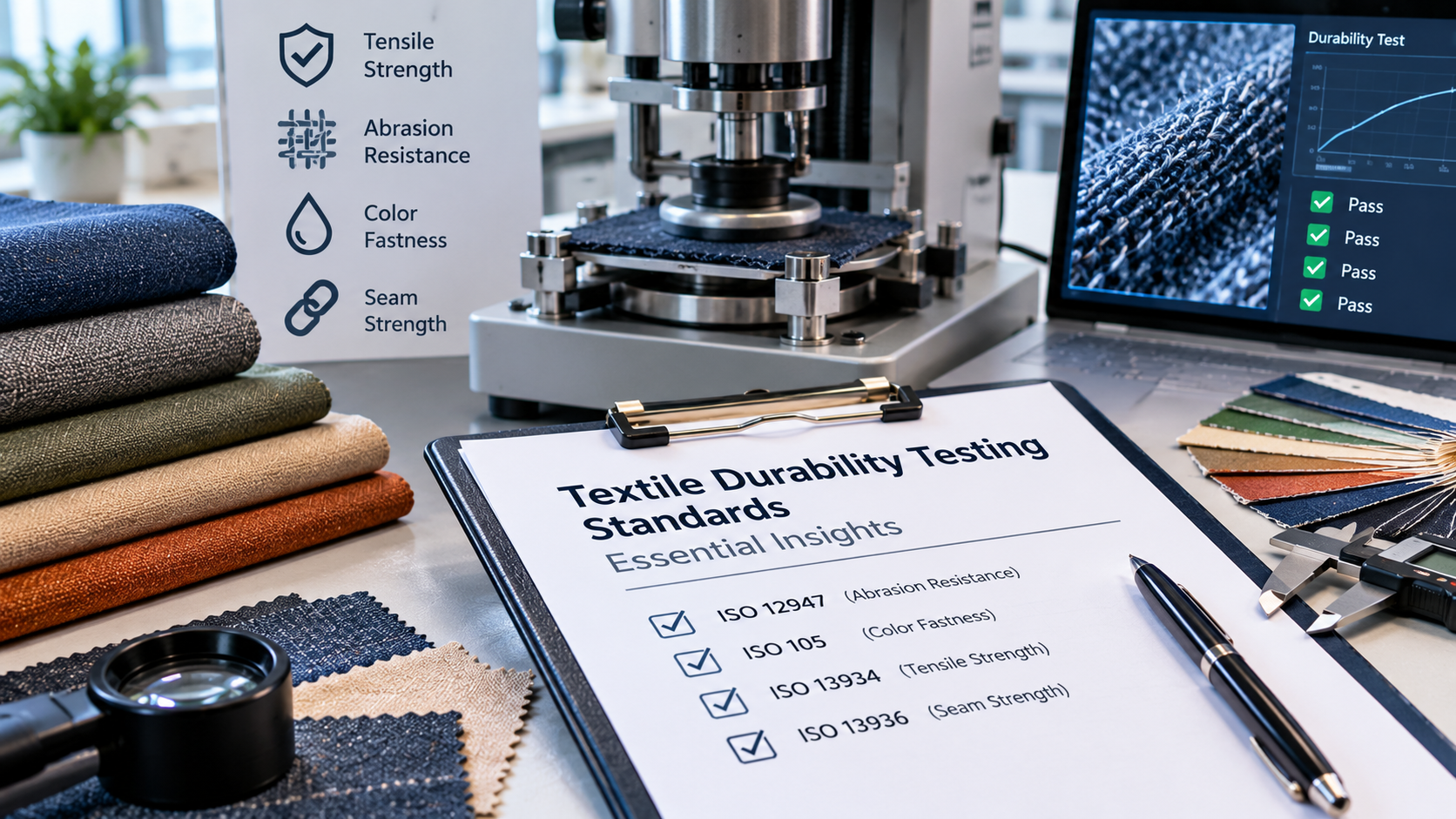
Textile Durability Testing Standards form the backbone of the textile industry, playing a vital role in ensuring that products not only meet consumer expectations but also withstand the test of time. These standards serve as benchmarks for quality and performance, fostering consumer trust and enabling market acceptance of various textile goods. With industries like fashion, automotive, and healthcare relying heavily on these standards for compliance and safety, understanding their importance becomes critical for manufacturers and consumers alike.
As the textile landscape evolves, so do the methods and technologies used to assess durability. From traditional testing techniques to innovative solutions, the industry is witnessing a significant transformation. Exploring these advancements not only highlights the ongoing commitment to quality but also underscores the importance of rigorous testing in promoting sustainable practices and reducing waste. This journey through textile durability testing opens up a world of insights and practical applications that can shape the future of textile production.
The Importance of Textile Durability Testing Standards in the Textile Industry
Textile durability testing standards are essential in ensuring that fabrics can withstand the rigors of everyday use while maintaining their aesthetic and functional properties. These standards provide a framework that manufacturers use to assess the strength, longevity, and overall quality of textiles, ensuring that they meet both consumer expectations and regulatory requirements. By adhering to these testing standards, manufacturers can identify issues early in the production process, reduce waste, and enhance product quality, which is vital in a competitive market.
Adherence to textile durability testing standards greatly influences consumer trust and market acceptance of textile products. When consumers know that a fabric has been rigorously tested, they are more likely to feel confident in their purchases. This confidence translates into brand loyalty and repeat business. Additionally, products that meet established standards often enjoy a competitive edge in the marketplace, as they are perceived as safer, higher-quality options. This is particularly important in industries such as fashion and home textiles, where durability and quality are critical to customer satisfaction. Furthermore, compliance with recognized testing standards can facilitate entry into international markets where specific regulations may apply, further enhancing a brand’s global reach.
Industries Relying on Textile Durability Testing
Numerous industries depend heavily on textile durability testing to ensure compliance with safety regulations and product performance expectations. Here are some key sectors where these standards are particularly crucial:
- Apparel Industry: Garments are subject to various stressors, from washing to wearing. Testing ensures that clothing can endure everyday activities without degrading.
- Automotive Sector: Upholstery materials in vehicles must meet strict durability standards to withstand wear and tear from usage and environmental factors.
- Healthcare: Medical textiles, such as surgical gowns and drapes, require rigorous testing for resistance to wear, fluids, and bacteria to ensure patient safety.
- Home Textiles: Items like curtains, upholstery, and bedding are tested for colorfastness and abrasion resistance to ensure long-lasting quality in domestic settings.
The established standards not only guide manufacturers in producing reliable textiles but also protect consumers from potential harm from subpar products. Furthermore, these testing protocols foster innovation by encouraging the development of new fabrics that can meet or exceed established durability benchmarks. The importance of textile durability testing standards cannot be overstated, as they play a central role in shaping a responsible, quality-driven textile industry.
Overview of Common Textile Durability Testing Methods
Textile durability testing is essential for ensuring that fabrics can withstand various stresses and maintain their functionality and aesthetics over time. The evaluation of textile durability involves several standardized testing methods that assess different aspects such as strength, wear resistance, and color retention. This overview highlights the most commonly used testing methods within the industry, aiding manufacturers and consumers in selecting suitable materials for their needs.
Understanding the various textile durability testing methods can provide valuable insights into the performance characteristics of textiles. By adhering to established standards, manufacturers can ensure product quality and longevity. Below, several key testing methods utilized in the evaluation of textile durability are detailed, highlighting their significance in the textile industry.
Common Textile Durability Testing Methods
Various testing methods exist to assess the durability of textiles, each focusing on specific attributes that determine quality and longevity. Here are some prominent methods employed in the industry:
- Tensile Strength Testing: This method measures the maximum amount of tension a fabric can withstand before breaking. It’s crucial for determining how well a textile will perform under stress, especially in applications like upholstery or clothing. The test is performed using a tensile testing machine, which pulls the fabric until it fails, recording the force applied.
- abrasion Resistance Testing: This test evaluates a fabric’s ability to resist wear from friction. Abrasion resistance is especially important for textiles used in high-traffic areas, such as carpets or workwear. The method involves rubbing the fabric against an abrasive material and measuring the number of cycles it withstands before showing signs of wear.
- Colorfastness Testing: This assesses how well a fabric retains its color when exposed to various environmental factors, such as washing, light, or perspiration. Colorfastness is critical for textiles used in clothing and home furnishings, as fading can significantly affect their appearance. The testing involves exposing the fabric to different conditions and evaluating any changes in color.
- Pilling Resistance Testing: Pilling refers to the formation of small balls of fiber on the surface of a fabric, which can occur due to friction or abrasion. This test determines the fabric’s propensity to pill, which can impact both the aesthetic and functional longevity of the textile. The method typically involves subjecting the fabric to rubbing cycles and assessing the degree of pilling that develops.
To facilitate a clearer understanding of the effectiveness and applications of these testing methods, the following table compares them across different textile types:
| Testing Method | Effectiveness | Typical Applications |
|---|---|---|
| Tensile Strength | High | Upholstery, technical textiles |
| Abrasion Resistance | Critical | Carpets, outdoor fabrics, workwear |
| Colorfastness | Essential | Apparel, home textiles |
| Pilling Resistance | Moderate | Apparel, upholstery fabrics |
Selecting the appropriate testing method allows manufacturers and users to predict how textiles will perform in real-world conditions, ensuring products meet consumer expectations and industry standards.
Key Standards Organizations and Their Contribution to Textile Durability
Textile durability testing is a critical aspect of the textile industry, ensuring that fabrics meet the necessary quality standards for performance, safety, and longevity. Several organizations have taken on the responsibility of developing and maintaining these standards, playing a pivotal role in the industry. Among them, ASTM International, the International Organization for Standardization (ISO), and the American Association of Textile Chemists and Colorists (AATCC) stand out for their significant contributions to textile durability.
These organizations have established a framework for testing methodologies that manufacturers must adhere to, ensuring that textiles can withstand various conditions without losing their functionality or appearance. They regularly review and update their standards based on advancements in technology, emerging research, and feedback from industry stakeholders. Collaboration between these organizations, manufacturers, and researchers is essential to keep testing methods relevant and effective.
Significant Standards Established by Key Organizations
The contributions of ASTM, ISO, and AATCC can be seen in the formulation of critical standards that guide the textile industry. Three notable standards include:
1. ASTM D5034 – Standard Test Method for Breaking Strength and Elongation of Textile Fabrics (Grab Test): This standard Artikels a method for assessing the strength and elasticity of fabrics. The grab test is essential for determining fabric durability under tensile stress. Manufacturers rely on this test to evaluate the suitability of fabrics for different applications, ensuring that they can withstand forces encountered during typical use.
2. ISO 12947 – Textiles – Determination of the Abrasion Resistance of Fabrics by the Martindale Method: This international standard details a method for measuring the durability of textiles against abrasion. It is particularly relevant for upholstery and garment fabrics that require resistance to wear and tear. The Martindale apparatus simulates the friction that occurs during normal use, providing valuable data to textile manufacturers about the longevity of their products.
3. AATCC 61 – Test Method for Colorfastness to Laundering: This standard evaluates how well a fabric maintains its color after repeated washings. Colorfastness is a critical aspect of textile durability, impacting both the aesthetic and functional qualities of the fabric. By adhering to this standard, manufacturers can ensure that their products remain visually appealing and retain their integrity over time.
These organizations not only develop these standards but also engage with manufacturers and researchers to refine testing methods. They often host workshops, webinars, and conferences to facilitate knowledge sharing across the industry. This collaborative approach helps in aligning testing standards with technological advancements, ensuring that the durability tests remain relevant and comprehensive in today’s fast-evolving textile landscape. The ongoing dialogue between standards organizations and the industry fosters innovation and drives improvements in textile quality and performance.
The Impact of Textile Durability Testing on Sustainable Practices
Textile durability testing standards play a crucial role in promoting sustainable manufacturing practices within the textile industry. By ensuring that fabrics can withstand wear, washing, and various environmental conditions, these testing standards help manufacturers produce long-lasting products. This longevity not only benefits consumers by providing quality products but also aligns with sustainability goals by reducing the frequency of replacements, thereby curbing waste. In this context, durability testing acts as a cornerstone for sustainable practices, influencing the entire lifecycle of textile products.
Durability testing is linked to sustainable manufacturing in several significant ways. Firstly, it encourages the use of high-quality materials that can endure the rigors of daily use. This aspect is essential for sustainable practices since better quality textiles lead to fewer discarded items, ultimately contributing to waste reduction. Furthermore, rigorous testing can inform manufacturers about the performance of various materials, enabling them to make informed decisions regarding fabric selection that balances durability with environmental impact. For instance, natural fibers like organic cotton and hemp are increasingly being tested for their resilience against wear while also considering their lower environmental footprints compared to synthetic fibers.
Examples of Sustainable Textiles Benefiting from Durability Testing
Several sustainable textiles have demonstrated improved performance and reduced environmental impact as a result of rigorous durability testing. The following examples illustrate how durability testing has enhanced the sustainability of textile products:
- Organic Cotton: Known for its reduced pesticide use, organic cotton has undergone extensive durability testing to ensure it meets consumer expectations for longevity. The testing shows that organic cotton can perform comparably to conventional cotton, which encourages manufacturers to choose it over less sustainable options.
- Recycled Polyester: This fabric, made from post-consumer plastic bottles, has been subjected to durability tests that confirm its strength and longevity. As a result, brands are increasingly using recycled polyester as a viable alternative to virgin polyester, thus promoting circular fashion.
- Hemp Fabric: Hemp’s natural resilience and strength have been validated through durability testing. Manufacturers have embraced hemp due to its minimal environmental impact during cultivation and its long-lasting properties, making it an ideal choice for sustainable textiles.
Testing not only enhances the quality and durability of textiles but also plays a pivotal role in waste reduction and lifecycle improvement. By identifying weak points in fabric performance through durability assessments, manufacturers can adjust their processes, materials, or designs to extend the product lifespan. For example, if durability tests reveal that a particular seam style is prone to failure, manufacturers can modify their stitching techniques to enhance overall strength. This proactive approach leads to lower return rates and less waste, translating into a more sustainable manufacturing cycle.
Moreover, robust durability testing contributes to the development of innovative textiles that can replace less sustainable options. For instance, advancements in bio-based materials are being rigorously tested to ensure they meet the necessary durability benchmarks while still being environmentally friendly. This shift not only promotes sustainability through material innovation but also encourages manufacturers to consider their ecological footprint in every aspect of textile production.
In summary, textile durability testing standards serve as a vital link between quality assurance and sustainable manufacturing practices. By focusing on the longevity and environmental impact of materials, durability testing helps the industry move toward a more sustainable future while also satisfying consumer demand for durable products.
Innovations in Textile Durability Testing Technologies
The textile industry has witnessed significant advancements in durability testing technologies over recent years. These innovations not only enhance the accuracy of testing methods but also streamline processes and reduce time-to-market for new fabrics. As consumer demand for high-quality, durable textiles grows, these technological improvements have become essential in ensuring that products meet industry standards.
One of the most notable advancements in textile durability testing is the shift from traditional mechanical methods to digital fabric testing and automated machinery. Traditional testing typically involves labor-intensive manual procedures, such as using tensile testers and abrasion testers, which can introduce human error and require considerable time investment. In contrast, innovative technologies enable real-time data collection and analysis, allowing for more precise assessments of fabric performance under various conditions.
Comparison of Traditional and Innovative Testing Methods
Comparing traditional textile durability testing methods with innovative technologies highlights the efficiency and accuracy improvements brought by modern tools. Below is a table summarizing the key differences:
| Aspect | Traditional Testing Methods | Innovative Testing Technologies |
|---|---|---|
| Efficiency | Time-consuming, often requiring days to complete tests. | Rapid results, with many tests completed in hours or less. |
| Accuracy | Prone to human error, variability in results due to manual handling. | High precision, utilizing automated systems to minimize errors. |
| Data Collection | Manual logging and analysis of test results. | Real-time data analysis, often integrated with machine learning for predictive insights. |
| Cost | Lower initial investment, but high long-term costs due to inefficiencies. | Higher initial investment, but significant long-term savings through efficiency gains. |
| Flexibility | Fixed testing parameters that can limit scope. | Customizable testing parameters to suit various fabric types and performance needs. |
Recent innovations such as automated fabric testers equipped with sensors and imaging technology allow for comprehensive evaluations of fabric characteristics like strength, stretch, and colorfastness. These machines can conduct multiple tests simultaneously, further accelerating the testing process and ensuring that materials meet the demanding standards of consumers and regulatory bodies.
Digital fabric testing platforms also leverage advanced algorithms to predict fabric behavior under various conditions, vastly improving the accuracy of durability assessments. For instance, companies like [insert recognizable company name, e.g., ASTM International or ISO], are at the forefront of integrating these technologies into their standards, allowing manufacturers to create textiles that not only withstand wear and tear but also respond to consumer trends.
The implications of these advancements are profound. As testing becomes more efficient and reliable, manufacturers can better ensure that their products meet quality standards. This not only boosts consumer confidence but also reduces waste and rework, ultimately leading to more sustainable production practices in the textile industry.
Challenges Faced in Implementing Textile Durability Testing Standards
Implementing textile durability testing standards presents a variety of challenges for manufacturers. These obstacles can significantly impact the production process, quality assurance, and overall business operations. Understanding these challenges is crucial for manufacturers aiming to uphold high-quality standards while remaining competitive in the market.
One primary challenge is the complexity of the standards themselves. Textile durability testing encompasses various methods and protocols that can vary widely depending on the type of fabric and intended use. This complexity can lead to confusion among manufacturers regarding which specific tests to implement. Moreover, the constant evolution of industry standards and regulations can require manufacturers to frequently update their testing protocols, adding to the difficulty of maintaining compliance.
Economic factors also play a significant role in the implementation of testing protocols. The costs associated with testing can be substantial, especially for small to medium-sized enterprises (SMEs). Expenses may include the purchase of specialized equipment, hiring trained personnel, and conducting tests that might be beyond the financial reach of some manufacturers. Additionally, logistical challenges such as sourcing materials for testing and ensuring timely delivery of samples can disrupt the testing process, delaying production timelines.
Economic and Logistical Factors
The integration of economic and logistical factors in textile durability testing can create hurdles that are hard to overcome. The following points highlight key aspects that can hinder effective implementation:
- High Testing Costs: Advanced testing methods often require expensive equipment and materials, which might strain budgets.
- Training and Expertise: Manufacturers must invest in training staff or hiring specialized personnel, which can be a challenge for smaller operations.
- Supply Chain Issues: Delays in obtaining raw materials for testing can lead to bottlenecks in the production process.
- Regulatory Changes: The textile industry is subject to changing regulations, requiring manufacturers to adapt their testing protocols continually.
To address these challenges effectively, manufacturers can adopt several best practices. Collaborating with testing laboratories can help streamline the testing process, while pooling resources with other organizations can mitigate costs. Establishing a well-defined testing plan that aligns with business objectives and regulatory requirements can also facilitate smoother implementation. Furthermore, investing in staff training and development ensures that employees are well-versed in relevant testing protocols, enhancing the quality of the results obtained.
Future Trends in Textile Durability Testing Standards
As the textile industry evolves, so too must the standards that govern the durability testing of fabrics. With increasing consumer awareness and demands for sustainability, the future of textile durability testing is poised for significant transformation. Innovations in technology, shifting market expectations, and evolving regulations are set to redefine the benchmarks for assessing textile longevity and performance.
Anticipated developments in textile durability testing standards are driven by a multitude of factors. The push for sustainability has prompted manufacturers to seek more eco-friendly testing methods and materials. Additionally, advancements in technology, such as artificial intelligence (AI) and automation, promise to streamline testing processes and enhance accuracy. Regulatory bodies are also expected to tighten guidelines, focusing on a broader scope of durability parameters, including the environmental impact of textiles. These trends indicate a movement towards a more holistic approach to durability testing, considering both the performance and the sustainability of textile products.
Predicted Trends in Textile Durability Assessment
Several key trends are anticipated to shape the future of textile durability assessment. These trends reflect the industry’s response to consumer demands, technological innovations, and regulatory changes. Key points to consider include:
- Sustainability Focus: Expect a shift towards eco-friendly materials and testing methods. Durability testing standards will increasingly incorporate criteria that assess environmental impact, encouraging the use of sustainable fabrics.
- Smart Textile Technologies: Innovations in smart textiles, which incorporate sensors for real-time monitoring of wear and tear, are likely to influence durability testing. This technology allows for proactive maintenance and longer product lifecycle management.
- Regulatory Changes: Anticipated tightening of regulations will likely enforce higher durability benchmarks, particularly for textiles used in critical applications such as healthcare and safety. Compliance with these new standards will become paramount for manufacturers.
- Digital Testing Methods: The rise of virtual testing methodologies using computer simulations will provide manufacturers with efficient ways to predict durability without extensive physical testing. This shift can significantly reduce time and resources spent on product development.
- Consumer-Centric Standards: As consumers demand transparency, there will be a greater emphasis on reporting detailed durability metrics. Standards will evolve to require clearer labeling about the durability and longevity of textile products, aiding consumers in their purchasing decisions.
The future of textile durability testing lies in the intersection of sustainability, innovation, and consumer engagement, setting the stage for a more responsible and informed textile industry.
Conclusive Thoughts
In summary, Textile Durability Testing Standards are not just guidelines; they are essential components that drive quality, safety, and sustainability in the textile industry. As we embrace new technologies and methodologies, the future of textile durability testing looks promising, paving the way for enhanced product performance and consumer trust. By staying informed about these standards, stakeholders can ensure their products not only meet the required safety benchmarks but also contribute to a more sustainable and responsible textile industry.
FAQ Section
What is the purpose of textile durability testing?
The purpose of textile durability testing is to evaluate and ensure that textile products can withstand various conditions and use over time, ultimately ensuring consumer satisfaction and safety.
How often should textiles be tested for durability?
Textiles should be tested for durability before entering the market, and regularly thereafter, especially when there are changes in materials, production processes, or regulations.
Who sets the textile durability testing standards?
Textile durability testing standards are set by various organizations, including ASTM, ISO, and AATCC, which develop and maintain guidelines for testing methods and performance criteria.
Can durability testing help with sustainability?
Yes, durability testing can significantly enhance sustainability by identifying longer-lasting textiles, reducing waste, and improving the lifecycle of products through reliable performance assessments.
Are there specific standards for sustainable textiles?
While there are no exclusive standards for sustainable textiles, many existing durability testing standards incorporate sustainability criteria to promote eco-friendly practices within the industry.