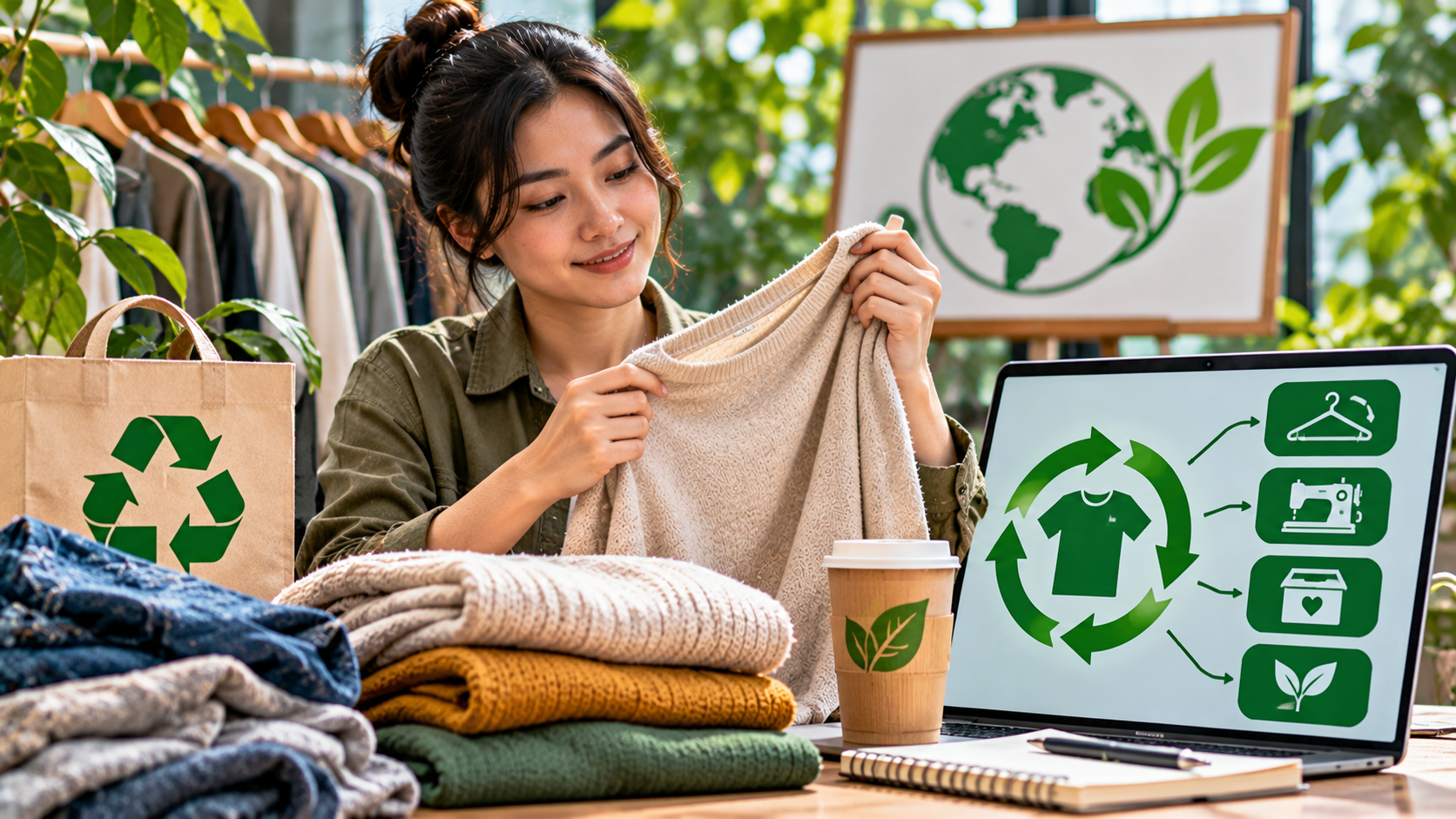
As Clothing Waste Reduction Strategies takes center stage, this opening passage beckons readers into a world crafted with good knowledge, ensuring a reading experience that is both absorbing and distinctly original.
The global clothing industry has reached a critical juncture as it grapples with the staggering impact of textile waste on our environment. With millions of tons of clothing discarded each year, the consequences extend beyond overflowing landfills. From the production phase, where vast resources are consumed, to the eventual disposal of garments, the environmental degradation caused by clothing waste is profound. Statistics reveal that the fashion industry contributes significantly to pollution and carbon emissions, making it imperative for us to adopt effective waste reduction strategies. By exploring innovative recycling techniques, sustainable practices, and community initiatives, we can collectively mitigate the adverse effects of clothing waste and foster a more sustainable future.
Understanding the Impact of Clothing Waste on the Environment
The issue of clothing waste has escalated into a significant environmental concern, affecting our planet in numerous profound ways. As fashion trends shift rapidly and consumers increasingly engage in fast fashion, the accumulation of discarded textiles has reached staggering levels. This excess not only clogs landfills but also releases harmful pollutants into the environment, highlighting the urgent need for awareness and action regarding clothing waste.
Clothing waste contributes to environmental degradation through several mechanisms. First and foremost, the production of textiles requires substantial natural resources, including water, energy, and raw materials. For instance, it takes approximately 2,700 liters of water to produce one cotton t-shirt, a resource-intensive process that strains local water supplies. When clothing is discarded, the environmental cost is multiplied, as the materials often end up in landfills where they can take decades to decompose. The decomposition of synthetic fibers, such as polyester, can take over 200 years, during which they emit methane, a potent greenhouse gas that exacerbates climate change.
Globally, the statistics surrounding clothing waste are alarming. According to the World Economic Forum, around 92 million tons of textile waste are generated each year, and this figure is projected to increase to 134 million tons by 2030. In the United States alone, the Environmental Protection Agency (EPA) reported that in 2018, over 17 million tons of textile waste were sent to landfills, equating to about 68 pounds per person. Such numbers emphasize the magnitude of the clothing waste problem and its implications for our environment.
The long-term effects of clothing waste on ecosystems and biodiversity are dire. As landfills overflow with discarded garments, the surrounding areas suffer from soil and water contamination. Toxic chemicals from dyes and finishes leach into the ground, posing risks to wildlife and plant life. Additionally, the accumulation of clothing in natural habitats disrupts local ecosystems, leading to a decline in biodiversity. The loss of plant and animal species can have cascading effects, destabilizing food chains and altering the natural balance. This interconnectedness highlights the importance of addressing clothing waste as a crucial aspect of environmental sustainability.
Innovative Recycling Techniques for Textile Waste Management
The textile industry is one of the largest contributors to global waste, with millions of tons of clothing ending up in landfills each year. Innovative recycling techniques have emerged as essential strategies for reducing textile waste and promoting sustainable consumption. These methods not only help manage waste effectively but also contribute to a circular economy where materials are reused and repurposed.
Overview of Innovative Recycling Techniques
Numerous innovative recycling techniques have been developed to address textile waste, each with unique processes and benefits. Here are some notable methods:
1. Mechanical Recycling: This technique involves shredding and separating fibers from textiles, allowing the production of new yarns. It is suitable for cotton and wool but can degrade the quality of synthetic fibers. Nonetheless, it remains effective for producing low-quality fabrics.
2. Chemical Recycling: Chemical processes break down fibers into their original monomers, enabling the creation of virgin-quality fibers from recycled textiles. This method is particularly beneficial for polyester and nylon, as it helps maintain material integrity, thus effectively reducing waste.
3. Upcycling: Upcycling transforms old clothing and textiles into new products without extensive processing. This creative approach can lead to unique fashion items and reduces the demand for new raw materials, making it a popular choice among eco-conscious designers.
4. Closed-Loop Recycling: This method ensures that textiles are continuously recycled back into the production process, creating a sustainable cycle. Brands like Patagonia have adopted this technique, allowing their products to be made entirely from recycled materials.
5. Biodegradable Textiles: Innovations in material science have led to the development of textiles that break down naturally over time when disposed of. This reduces landfill contributions significantly while maintaining the usability of the fabric during its lifecycle.
The effectiveness of these recycling methods varies. Mechanical recycling is widely adopted but may lead to quality issues, while chemical recycling preserves material characteristics but is often more resource-intensive. Upcycling offers a creative solution but may not scale as effectively as industrial methods. Understanding these differences helps brands and consumers make informed choices regarding textile waste management.
| Initiative | Description | Impact |
|---|---|---|
| Patagonia Worn Wear | A program encouraging customers to repair, reuse, and recycle their old Patagonia gear. | Reduces landfill waste and promotes sustainable consumption. |
Levi’s Water| Technique that reduces water usage in the production of jeans. |
Conserves water resources and lowers environmental impact. |
|
| H&M Garment Collecting Initiative | Stores collect used textiles for recycling into new garments. | Encourages responsible disposal and recycling of clothing. |
| Reformation’s Recycled Fabrics | Utilizes recycled materials in their clothing lines, reducing the need for virgin materials. | Decreases textile waste and promotes circular fashion. |
The Role of Sustainable Fashion Brands in Waste Reduction
Sustainable fashion brands are emerging as crucial players in the fight against clothing waste. By adopting environmentally friendly practices and promoting a circular economy, these brands are reshaping how we think about fashion consumption and production. Their commitment to reducing waste not only helps the environment but also paves the way for a more responsible approach to fashion that consumers can embrace.
Many sustainable fashion brands employ innovative strategies to minimize waste throughout their supply chains. These brands prioritize ethical sourcing, use organic or recycled materials, and implement production processes that limit excess fabric and waste. One standout example is Patagonia, known for its commitment to sustainability. The brand encourages consumers to buy less by promoting their Repair and Reuse program, which extends the life of garments through repairs and offers a platform for customers to buy used Patagonia products. Similarly, Reformation focuses on transparency and sustainability, using eco-friendly materials while actively reducing its carbon footprint. Their “RefScale” measures the environmental impact of their products, allowing consumers to make informed choices.
Another significant player is Eileen Fisher, which has a take-back program that encourages customers to return used garments, which are then refurbished or recycled. This not only minimizes landfill contributions but also underscores the importance of a circular economy.
Consumer education is pivotal in supporting and amplifying the impact of sustainable fashion brands. By understanding the implications of their purchasing decisions, consumers can opt for brands that prioritize sustainability over fast fashion. Educational initiatives, whether through workshops, online resources, or social media campaigns, help inform consumers about the benefits of choosing sustainable options.
As more people become aware of the environmental ramifications of clothing waste, the demand for eco-conscious brands is likely to grow. This shift in consumer behavior can encourage traditional fashion labels to adopt more sustainable practices, ultimately leading to a reduction in overall clothing waste.
Strategies for Upcycling and Repurposing Old Clothing
Upcycling and repurposing old clothing not only helps to reduce waste but also offers a creative outlet for individuals looking to express their personal style. By transforming garments that may no longer serve their original purpose, we can give them new life, all while making a positive impact on the environment. This approach encourages sustainability and fosters a culture of creativity, innovation, and individuality.
Individuals can engage in various upcycling projects that breathe new life into old clothing. For example, an oversized t-shirt can be transformed into a trendy tote bag with just a few cuts and stitches. Denim jeans can be converted into stylish shorts, or even a chic cushion cover. The possibilities are endless, limited only by one’s imagination and resourcefulness.
A few popular DIY upcycling project ideas include:
– Tote Bags from T-shirts: Cut off the sleeves and neckline of an old t-shirt, then sew or tie the bottom closed. You have a new tote bag perfect for groceries or beach outings.
– Patchwork Denim: Combine pieces from different pairs of jeans to create a unique patchwork design, whether it’s a new pair of shorts or a stylish jacket.
– Scarves from Old Sweaters: Use the sleeves of an old sweater to create cozy, warm scarves. Simply cut the sleeves off, and you have a fashionable accessory.
– Fabric Headbands: Cut strips from old shirts or dresses, braid them together, and secure the ends to create a cute headband.
– Quilts from Old Clothes: Gather several pieces of fabric from old clothing and sew them together to make a cozy quilt, preserving memories in the process.
In these projects, using common materials is essential to maximize creativity and minimize waste. The following list includes materials often found in many households that can be repurposed easily:
- Old t-shirts
- Denim jeans
- Fabric scraps
- Sweaters
- Button-up shirts
- Scarves
- Old bed linens
- Fabrics from curtains
By engaging in upcycling, individuals not only reduce clothing waste but also contribute to a more sustainable lifestyle, showing that creativity can be both stylish and environmentally friendly.
The Importance of Donation and Resale in Clothing Waste Management
Donating and reselling clothing are pivotal strategies in the fight against clothing waste. By extending the life cycle of garments, we not only reduce the volume of textiles that end up in landfills but also promote sustainable consumption. When clothing is donated or resold, it can provide additional value to someone else while simultaneously mitigating environmental damage. The impact of these practices is significant as they play a crucial role in a circular economy, where resources are reused and repurposed, reducing the demand for new products.
The act of donating or reselling clothing serves as a powerful catalyst in waste reduction efforts. It directly decreases the amount of textile waste generated, as the average person discards around 81 pounds of clothing each year. Contributing to a second-hand market diminishes the need for new production, which is resource-intensive and often harmful to the environment. Notably, the resale market is projected to grow from $28 billion in 2019 to $64 billion by 2024, highlighting a burgeoning awareness of sustainable fashion among consumers. By choosing second-hand items, individuals can significantly lower their carbon footprints and promote an eco-friendly lifestyle.
Guide to Effectively Donate or Sell Unwanted Clothing
Preparing items for donation or resale is essential to ensure that they are well-received and can fulfill their purpose. Here’s a helpful guide to streamline the process:
Start by assessing your wardrobe and selecting items that you no longer wear or need. Aim for clothing that is still in good condition, free of significant wear and tear, and clean.
When preparing items:
- Clean and Repair: Launder all items and fix any minor repairs like buttons or hems. This makes the clothing more appealing to potential new owners.
- Sort by Category: Organize items into categories such as tops, bottoms, and accessories to simplify the donation or selling process.
- Research Donation Centers: Look for local charities or thrift shops that accept clothing donations. Ensure that they align with your values and have a good reputation.
- Explore Resale Platforms: Utilize online marketplaces such as Poshmark, Depop, or eBay for selling. Take clear photos and write accurate descriptions to attract buyers.
- Consider Drop-off Locations: Some organizations have convenient drop-off bins for easy donations, making it simple to contribute.
The benefits of the second-hand clothing market resonate deeply with the goal of waste reduction. In fact, buying second-hand clothing can save up to 82% in carbon emissions compared to purchasing new items. Additionally, studies show that over 95% of textiles can be reused or recycled, emphasizing the potential impact of simply passing along unwanted clothing. By embracing donation and resale, we all have the opportunity to contribute positively to our environment and foster a culture of sustainability.
Community Initiatives and Events Promoting Clothing Waste Reduction
Communities worldwide are increasingly recognizing the need to address clothing waste and its environmental impact. Various initiatives and events have emerged, aiming to promote awareness and encourage sustainable practices among residents. By pooling resources and fostering collaboration, these community efforts are effective in creating a culture of sustainability and responsible consumption.
One prominent initiative is the organization of clothing swaps. These events allow individuals to exchange gently used clothing without monetary transactions, effectively extending the lifespan of garments and reducing waste. Participants bring items they no longer need and leave with new-to-them pieces, fostering a sense of community while promoting sustainable fashion. The benefits of clothing swaps include reducing landfill contributions, encouraging creativity in styling, and emphasizing the value of second-hand clothing. Additionally, they provide a platform for community members to meet and interact, strengthening local ties.
Repair Workshops and Their Benefits
Repair workshops are another excellent way to engage communities in clothing waste reduction. These events teach participants essential skills such as sewing, mending, and upcycling. By learning how to repair and repurpose garments, individuals become more resourceful and less likely to discard damaged items. The environmental benefits are significant, as extending the life of clothing reduces the demand for new materials and lessens the overall carbon footprint of the fashion industry. Moreover, these workshops can be social gatherings, creating networks of support and knowledge-sharing among participants.
To get involved in local movements aimed at reducing clothing waste, individuals can consider the following actions:
- Participate in community clothing swaps to contribute to the circular economy.
- Attend or volunteer at repair workshops to learn valuable skills and help others.
- Organize awareness campaigns about sustainable fashion practices in schools or local organizations.
- Connect with local environmental groups focused on textile waste reduction.
- Start a social media group to promote clothing exchange events and sustainable fashion tips.
By engaging in these community initiatives, individuals not only support local efforts to combat clothing waste but also contribute to a more sustainable future for all.
The Future of Clothing Production and its Environmental Implications
As the clothing industry faces increased scrutiny over its environmental impact, the future of clothing production is shifting towards more sustainable practices. Innovations in manufacturing techniques, materials, and technologies are paving the way for a system that not only minimizes waste but also promotes responsible consumption. This transformation is essential in responding to the growing urgency of climate change and resource depletion.
Emerging sustainable practices are redefining how clothing is produced, contrasting sharply with traditional manufacturing methods. Traditional fashion production often involves resource-intensive processes, significant waste generation, and ethical concerns related to labor practices. In contrast, forward-thinking methods aim to optimize resource use and promote recycling and upcycling. For instance, on-demand production allows brands to create items based solely on consumer demand, minimizing overproduction and excess inventory.
Sustainable Practices and Technologies Transforming Clothing Production
Several key trends and technologies are revolutionizing the clothing industry and mitigating waste:
1. Circular Fashion: This model emphasizes designing products with their entire lifecycle in mind. Brands like Stella McCartney are pioneering this approach, ensuring that materials can be reused or recycled at the end of a garment’s life.
2. 3D Printing: This technology allows for precise manufacturing with minimal waste. Companies like Adidas are using 3D printing to create customized shoes and apparel, reducing surplus inventory and material waste.
3. Biodegradable Materials: Innovations in textile development have led to the creation of materials that break down more easily than traditional fabrics. For example, companies like Tencel are producing fibers from sustainably sourced wood that are biodegradable at the end of their life cycle.
4. Digital Fabrication: This technique utilizes advanced software to optimize patterns and cutting processes, thus reducing off-cuts. Brands adopting this technology can achieve a significant reduction in fabric waste.
5. Supply Chain Transparency: Blockchain technology is enhancing accountability and transparency in supply chains. This allows consumers to track the origins of their clothing, ensuring ethical practices and reducing the likelihood of wasteful production methods.
By adopting these innovative practices, the fashion industry can transition towards a more sustainable future that not only reduces environmental impact but also aligns with consumer values.
Conclusive Thoughts
In summary, effective Clothing Waste Reduction Strategies are essential for addressing the growing environmental crisis posed by the fashion industry. By understanding the impact of clothing waste, embracing innovative recycling techniques, and supporting sustainable fashion brands, we can make informed choices that benefit both the planet and future generations. Engaging in community initiatives, upcycling, and responsible donation practices further enhances our efforts toward a circular economy in fashion. Together, we hold the power to influence change and promote a more sustainable approach to clothing consumption.
Essential FAQs
What are the main causes of clothing waste?
Clothing waste is primarily caused by fast fashion trends, overconsumption, poor quality garments, and lack of awareness regarding proper disposal practices.
How can individuals contribute to clothing waste reduction?
Individuals can reduce clothing waste by buying less, choosing sustainable brands, participating in clothing swaps, donating or selling unwanted clothes, and upcycling old garments.
What role does consumer education play in waste reduction?
Consumer education is crucial as it raises awareness about the environmental impacts of clothing waste and encourages responsible purchasing and disposal habits.
Are there any successful examples of recycling initiatives in fashion?
Yes, several fashion brands have implemented successful recycling initiatives, such as H&M’s garment collecting program and Patagonia’s Worn Wear program, which promote recycling and responsible consumption.
How effective is donating clothing compared to throwing it away?
Donating clothing significantly reduces waste by giving items a second life and supporting charitable organizations, whereas throwing them away contributes to landfill overflow.