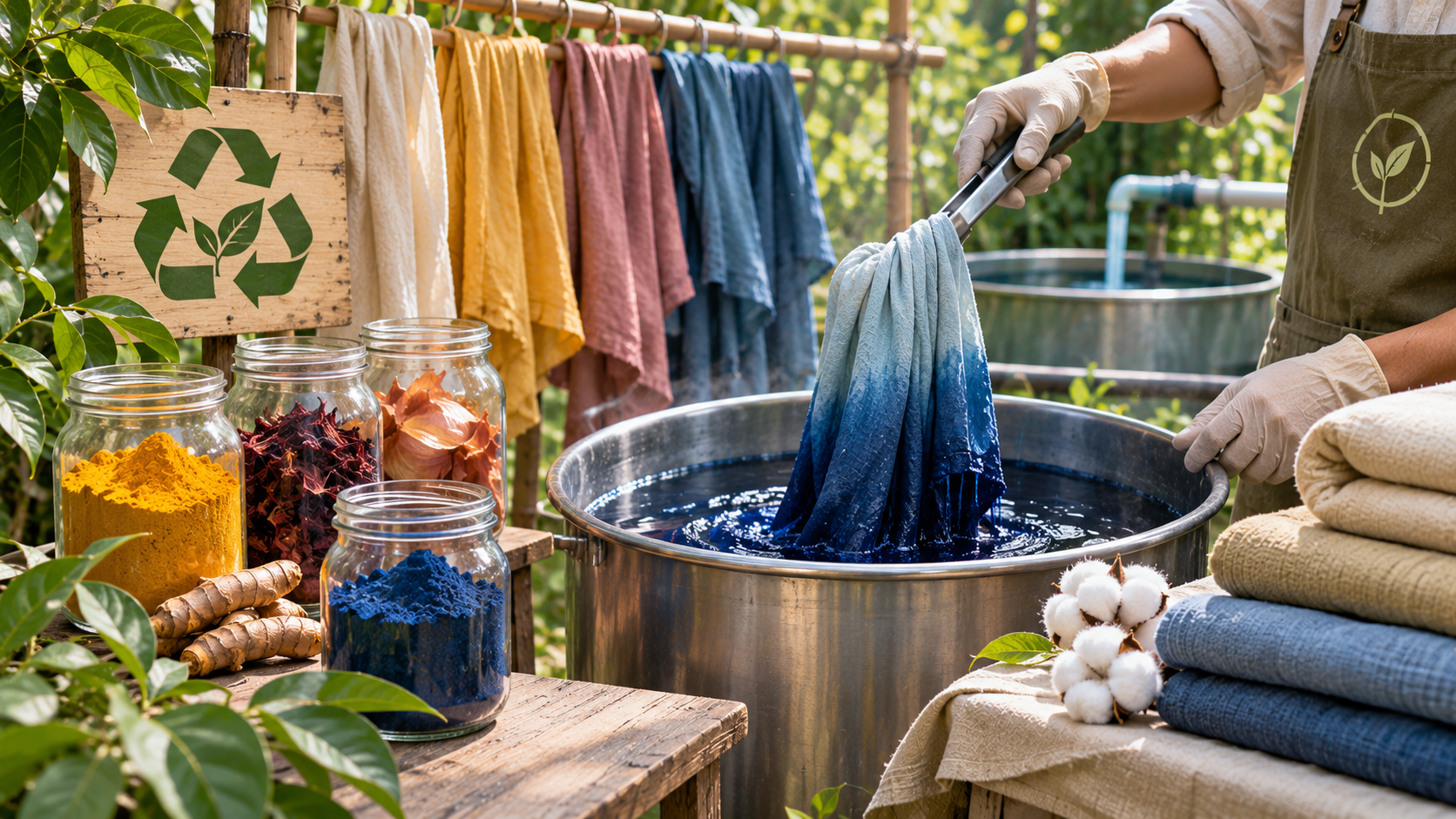
Low Impact Textile Dyeing Processes are gaining traction in today’s fashion industry as we increasingly lean towards sustainable practices. These innovative techniques play a crucial role in reducing environmental damage while promoting a more responsible approach to textile production. By focusing on resource conservation and waste reduction, low impact dyeing not only benefits our planet but also paves the way for brands to align with consumer values.
Traditional dyeing methods often involve harmful chemicals and excessive water usage, contrasting sharply with their low impact counterparts that utilize natural dyes and advanced technologies. As we delve deeper into this topic, we’ll explore various aspects of low impact dyeing, from the types of natural dyes used to the challenges faced by the industry in adopting these processes.
The significance of low impact dyeing in sustainable fashion
Low impact dyeing processes have become a crucial element in advancing sustainable fashion. These methods aim to minimize environmental impact while still delivering vibrant and lasting colors to textiles. As the fashion industry faces increasing scrutiny over its ecological footprint, low impact dyeing represents a practical solution for reducing harmful effects on the planet while promoting a more sustainable production cycle.
The significance of low impact dyeing lies in its ability to conserve resources and minimize waste within the textile industry. Traditional dyeing processes often demand large quantities of water and toxic chemicals, contributing to pollution and environmental degradation. In contrast, low impact dyeing utilizes eco-friendly materials and innovative technologies that reduce water usage, eliminate harmful substances, and promote the recycling of dyestuffs. This shift not only helps in protecting ecosystems but also aligns with the growing consumer demand for sustainable fashion choices.
Examples of brands promoting low impact dyeing
Several brands and initiatives are leading the charge in adopting low impact dyeing practices, showcasing the feasibility and importance of these methods in modern fashion. Here are notable examples:
- Patagonia: This outdoor clothing brand is renowned for its commitment to sustainability. Patagonia employs low impact dyes and has developed a line of recycled fabrics that use significantly less water and energy during production.
- Everlane: Dedicated to transparency, Everlane has adopted a low impact dyeing process that utilizes safe and biodegradable dyes. Their focus on ethical manufacturing includes a commitment to reducing water usage and waste in their dyeing processes.
- Reformation: This fashion brand is known for its eco-friendly practices, including the use of low impact dyes. Reformation’s commitment to sustainability extends to their entire supply chain, ensuring that their dyeing processes are both innovative and environmentally conscious.
These brands not only exemplify the principles of low impact dyeing but also inspire others in the industry to embrace sustainable practices. By prioritizing eco-friendly dyeing methods, they demonstrate that it is possible to create fashionable, high-quality products while remaining mindful of the environment.
Overview of traditional vs. low impact textile dyeing methods
Traditional textile dyeing methods have been the backbone of the industry for centuries, utilizing natural and synthetic dyes in various processes. However, as environmental concerns become more pressing, low impact dyeing methods have emerged as sustainable alternatives, reducing the harmful effects associated with conventional practices. This overview compares traditional and low impact dyeing techniques, highlighting their resource usage, chemical inputs, and overall environmental impact.
Comparison of Resources and Chemicals
The resources and chemicals involved in traditional dyeing methods often lead to substantial environmental damage. Typically, these processes utilize large volumes of water, energy, and synthetic dyes containing toxic substances. In contrast, low impact dyeing methods prioritize sustainability by employing fewer resources and safer alternatives. For example, low impact dyes are often derived from natural sources or are designed to be less harmful, reducing the overall ecological footprint.
Low impact dyeing methods aim for a circular economy, minimizing waste and resource consumption.
Traditional dyeing may require up to 100 liters of water to produce a single kilogram of dyed fabric, whereas low impact techniques can reduce this necessity significantly. Additionally, many conventional dyes require chemical mordants, which can be hazardous to both the environment and human health. Low impact processes, on the other hand, utilize non-toxic, biodegradable mordants or none at all, making a substantial difference in chemical usage.
Technological Advancements in Dyeing Techniques
Recent technological advancements have greatly influenced the evolution of low impact dyeing techniques. Innovations such as digital printing, supercritical CO2 dyeing, and the use of nanotechnology have revolutionized the dyeing process. Digital printing allows for precise application of color, reducing dye waste, while supercritical CO2 dyeing eliminates the need for water and harmful chemicals, making it a game-changer in sustainability.
The development of these technologies often comes with substantial investments in research and development, allowing manufacturers to create more efficient processes that align with eco-friendly practices. As the industry embraces these advancements, the adoption of low impact methods becomes increasingly viable for more businesses, paving the way for a greener future.
Advantages and Disadvantages of Dyeing Methods
Understanding the advantages and disadvantages of both traditional and low impact dyeing methods is crucial for making informed decisions in textile production.
Traditional dyeing methods have several benefits, including:
- Established techniques with a long history of usage.
- A wide range of color options available due to diverse dye sources.
- Familiarity among artisans and workers in the industry.
However, they come with notable downsides:
- High environmental pollution due to chemical runoff and water usage.
- Health risks associated with exposure to toxic chemicals.
- Increased energy consumption and waste generation.
On the other hand, low impact dyeing methods present advantages such as:
- Reduced chemical use and lower toxicity levels.
- Significantly lower water and energy requirements.
- Enhanced consumer appeal due to growing demand for sustainable products.
Yet, these methods can also face challenges:
- Higher initial investment costs for new technologies.
- Limited color palette compared to traditional methods.
- Possibly longer production times depending on the method used.
By weighing these factors, stakeholders in the textile industry can make strategic decisions that balance quality, sustainability, and consumer demand.
Common natural dyes used in low impact dyeing processes
Natural dyes have gained popularity in the textile industry for their environmental benefits and aesthetic appeal. Unlike synthetic dyes, which can be harmful to both the environment and human health, natural dyes are derived from plants, minerals, and even insects, offering a sustainable alternative for low-impact dyeing processes. This section delves into the types of natural dyes commonly used, their sourcing and processing, as well as the textiles that can be effectively dyed with them.
Types of natural dyes
Natural dyes can be broadly classified into two categories: plant-based dyes and mineral-based dyes. Each category offers unique colors and properties that can enhance the appeal of textiles.
Plant-based dyes are derived from various parts of plants, including leaves, roots, flowers, and fruits. Some of the most popular plant-based dyes include:
- Indigo: Known for its deep blue hue, indigo is derived from the leaves of the Indigofera plant. The dyeing process involves fermentation, which can be complex but results in stunning shades of blue.
- Madder: Madder root produces a vibrant red dye. It has been used for centuries and is known for its lightfastness, making it ideal for long-lasting colors.
- Turmeric: This spice provides a bright yellow dye and is easily sourced. Turmeric is known for its antibacterial properties, making it a great choice for textiles.
- Walnut hulls: The husks of walnuts yield a rich brown dye that is both sustainable and effective on various fabrics.
Mineral-based dyes, on the other hand, are derived from naturally occurring minerals and can offer earthy tones. Common examples include:
- Iron: This mineral can produce shades of gray and black, depending on the mordant used. Iron is often utilized in conjunction with plant dyes to enhance color and depth.
- Alum: Although primarily used as a mordant to fix colors, alum can also impart a soft yellow tint to fabrics.
The sourcing of these natural dyes often involves sustainable practices. Many artisans harvest plants at specific times to ensure optimal color extraction without depleting resources. For instance, indigo farmers carefully cultivate their crops and utilize traditional fermentation methods to produce dye. Similarly, madder roots are often collected and processed in a way that promotes biodiversity in their growing regions.
Textiles suitable for natural dyeing
Natural dyes can be effectively applied to a variety of textiles, enhancing their properties and appearance. Common fabrics used in natural dyeing include cotton, silk, wool, and linen. Each fabric type interacts differently with dyes, resulting in unique color outcomes and textures.
- Cotton: This versatile fabric absorbs natural dyes exceptionally well, making it a popular choice for vibrant colors. Its breathability and softness enhance the overall feel of dyed garments.
- Silk: Known for its luxurious properties, silk accepts a wide range of natural dyes, yielding rich and luminous colors. The sheen of silk combined with natural dyes creates visually stunning textiles.
- Wool: Wool fibers have a natural affinity for dye, resulting in vibrant, long-lasting colors. The texture of wool also adds depth to the finished product.
- Linen: While linen can be more challenging to dye, it produces beautiful, unique shades and has a distinct texture that many find appealing.
The properties of textiles dyed with natural dyes often include enhanced softness and breathability, making them comfortable to wear. Due to the organic nature of the dyes, many people also appreciate the subtle variations in color, which can add character and uniqueness to each piece.
Natural dyes offer not just color, but a connection to the history and environment from which they are sourced.
Innovative technologies enhancing low impact dyeing
The textile industry is undergoing a significant transformation, primarily driven by innovative technologies that support low impact dyeing processes. These advancements not only help in minimizing environmental footprints but also enhance operational efficiency. Embracing methods such as digital printing and waterless dyeing has become crucial in addressing the challenges of traditional dyeing techniques, making them more sustainable.
Innovative technologies like digital printing and waterless dyeing play a vital role in the evolution of low impact dyeing processes. Digital printing allows for precise application of dye, reducing the quantity of dye required and minimizing waste. Waterless dyeing techniques, on the other hand, eliminate water usage altogether by employing methods such as supercritical carbon dioxide dyeing or solvent-based approaches. Both technologies contribute significantly to lowering the consumption of water and energy, which are critical factors in traditional dyeing processes.
Comparison of Traditional Dyeing Techniques and Innovative Approaches
Comparing traditional dyeing methods with innovative approaches highlights significant differences in efficiency and environmental impact. Traditional dyeing often involves large amounts of water, energy, and chemical treatments, leading to substantial waste and pollution. In contrast, innovative methods offer a streamlined and eco-friendly alternative. Below are key comparisons:
- Water Usage: Traditional dyeing processes can consume thousands of liters of water per batch, whereas waterless dyeing techniques can operate with minimal or no water, drastically reducing overall consumption.
- Energy Consumption: Digital printing and waterless dyeing require less energy compared to conventional dyeing methods, which often rely on heat and extensive processing times.
- Material Waste: Digital dyeing enables on-demand production, significantly reducing overproduction and leftover materials that often go to waste in traditional dyeing.
- Environmental Impact: The use of fewer chemicals and water in innovative methods decreases the pollution load on local ecosystems, providing a more sustainable alternative to conventional practices.
“Innovative dyeing technologies represent a paradigm shift in the textile industry, enabling manufacturers to meet sustainability goals while enhancing efficiency.”
The advancements in dyeing technology not only meet the demands of modern consumers for sustainable practices but also pave the way for a more responsible textile industry. Through the integration of digital printing and waterless dyeing, the potential for a cleaner, more efficient production process is within reach.
Regulatory frameworks and certifications for low impact dyeing
The textile industry is undergoing a significant transformation, with a growing emphasis on sustainability and environmental responsibility. Regulatory frameworks and certifications play a crucial role in ensuring that low impact dyeing processes are adopted widely and effectively. These guidelines not only help manufacturers comply with legal standards but also encourage the adoption of eco-friendly practices that benefit both the environment and public health.
Several regulatory frameworks govern low impact dyeing practices in the textile industry, reflecting a global effort to minimize environmental impacts. Key regulations include:
Existing Regulatory Frameworks
These regulations are designed to minimize the ecological footprint of dyeing processes, ensuring that they are safe for both the environment and human health. Important frameworks include:
- REACH (Registration, Evaluation, Authorisation and Restriction of Chemicals): This European Union regulation aims to protect human health and the environment from the risks posed by chemicals. It requires manufacturers to provide information on the properties and hazards of chemical substances used in dyeing.
- OEKO-TEX® Standard 100: This certification ensures textiles are free from harmful substances, focusing on the entire production process, including dyeing. It promotes environmentally-friendly dyeing methods.
- GOTS (Global Organic Textile Standard): GOTS provides a comprehensive framework for organic textiles, covering ecological and social criteria. It emphasizes the requirement for low impact dyes and sustainable practices within the manufacturing process.
- ISO 14001: This international standard focuses on effective environmental management systems and helps organizations improve their environmental performance, including during dyeing processes.
The significance of these regulations lies in their ability to foster a culture of sustainability within the textile industry. By adhering to these frameworks, companies can demonstrate their commitment to responsible manufacturing practices.
Available Certifications for Low Impact Dyeing
Certifications are vital in recognizing companies that meet low impact dyeing standards. They not only validate compliance with regulatory frameworks but also enhance brand credibility. Notable certifications include:
- Bluesign®: This certification ensures that products are manufactured with minimal impact on people and the environment. It focuses on input stream management, including the dyeing process.
- Cradle to Cradle Certified®: This certification assesses products based on their safety, circularity, and responsibility. It emphasizes sustainable dyeing practices in its evaluation criteria.
- Global Recycled Standard (GRS): The GRS certifies products made from recycled materials, including textiles dyed with low-impact methods, encouraging manufacturers to reduce waste.
These certifications not only signify compliance but also act as marketing tools that attract environmentally conscious consumers. They bolster the reputation of companies in a market that increasingly values sustainable practices.
Significance of Regulations and Certifications
The role of regulations and certifications extends beyond compliance; they serve as catalysts for change within the textile industry. They promote sustainable practices among manufacturers by:
- Establishing clear standards that guide manufacturers in adopting low impact dyeing methods.
- Encouraging innovation in dye technologies that minimize water usage and chemical pollution.
- Facilitating market access for environmentally friendly products, aligning with consumer demand for sustainable textiles.
- Creating a competitive advantage for certified companies, leading to increased market share and brand loyalty.
The commitment to low impact dyeing practices represented by these regulations and certifications reflects a broader movement towards sustainability in the textile industry, ensuring a healthier planet for future generations.
Challenges faced by the textile industry in adopting low impact dyeing processes
The textile industry is increasingly recognizing the need for sustainable practices, particularly in the area of dyeing processes. While the shift to low impact dyeing techniques promises environmental benefits, manufacturers face significant challenges during this transition. Addressing these obstacles is essential for the industry to move towards more sustainable practices and meet the demands of eco-conscious consumers.
Several challenges impede the transition to low impact dyeing practices, including high initial costs, technological limitations, and fluctuating consumer demand for sustainable textiles. Manufacturers often struggle to justify the investment in new technologies that low impact dyeing requires, especially when traditional methods are more established and cost-effective. Furthermore, the integration of new processes into existing production lines can be complicated and may lead to temporary disruptions in manufacturing.
Barriers related to cost, technology, and consumer demand
Cost considerations play a crucial role in the adoption of low impact dyeing methods. Initial setup costs for new dyeing technologies can be prohibitively expensive. This includes not just the equipment itself but also the training required for staff to operate these systems effectively. Manufacturers must find a balance between investing in sustainable practices and maintaining competitiveness in a price-sensitive market.
Technological barriers also present challenges, as not all dyeing technologies are compatible with existing systems. Some companies find that upgrading to efficient low impact dyeing technology involves significant research and development efforts. For instance, the transition to digital printing or new dyeing methods like air dyeing requires not just new equipment but also a change in the entire production workflow.
Consumer demand influences the viability of low impact dyeing processes as well. While there is a growing trend towards environmentally friendly products, many consumers still prioritize cost and style over sustainability. The challenge lies in convincing these consumers of the value of low impact dyes.
Many companies are finding ways to overcome these challenges. For example, some brands have successfully integrated low impact dye processes by collaborating with technology providers and investing in R&D to develop proprietary solutions that reduce costs over time. Brands like Patagonia and Eileen Fisher have pioneered the use of natural dyes and sustainable practices while actively engaging consumers through transparency about their processes, cultivating a loyal customer base that values sustainability.
In conclusion, while the challenges of adopting low impact dyeing processes are significant, the textile industry is progressively finding innovative solutions. By addressing cost, technology, and consumer demand, manufacturers can make strides toward a more sustainable future.
The future of low impact dyeing in the textile industry
As the textile industry grapples with its environmental impact, low impact dyeing processes are emerging as a vital part of sustainable practices. The shift towards these methods not only aligns with global sustainability initiatives but also resonates with growing consumer demand for eco-friendly products. This section delves into the expected trends and innovations that will shape the future of low impact dyeing.
Trends in Low Impact Dyeing
The future of low impact dyeing is poised for significant advancements driven by sustainability trends in the textile industry. Environmental concerns, regulatory pressures, and changing consumer preferences are motivating brands to adopt practices that minimize their ecological footprint. Some key trends include:
- Increased use of natural and organic dyes: More brands are transitioning to plant-based dyes that are biodegradable and less harmful to the environment.
- Waterless dyeing technologies: Innovations such as digital printing and foam dyeing are reducing water usage, a critical factor in traditional dyeing processes.
- Recycled materials: The use of recycled fibers and dyes helps conserve resources and reduces waste, integrating circular economy principles into textile production.
- Eco-certifications: Brands are increasingly seeking certifications like GOTS (Global Organic Textile Standard) and OEKO-TEX, which assure consumers of sustainable practices.
Innovations Enhancing Low Impact Dyeing
Advancements in technology are playing a crucial role in enhancing the effectiveness and efficiency of low impact dyeing processes. These innovations not only optimize resource use but also improve color quality and durability. Significant innovations include:
- Bio-based dyes: The development of dyes derived from microorganisms or waste materials presents new opportunities for sustainable color options.
- Smart textiles: Integrating dyeing processes with smart textile technology allows for color changes according to environmental stimuli, reducing the need for multiple dyeing processes.
- Advanced dyeing machines: New machinery designed for low impact dyeing minimizes energy consumption and maximizes color uptake, ensuring efficient use of dyes and water.
- Digital dyeing solutions: Adoption of digital printing reduces waste by allowing for on-demand production, significantly lowering excess inventory and dyeing costs.
Consumer Behavior and Market Demand
Consumer awareness around environmental issues is reshaping market dynamics in the textile industry. The demand for transparency and sustainability is prompting brands to adopt low impact dyeing practices. Key factors influencing this shift include:
- Demand for sustainable products: Consumers are increasingly prioritizing purchases from brands that demonstrate a commitment to environmental responsibility.
- Social media influence: Platforms like Instagram and TikTok have raised awareness about sustainable fashion, driving consumers to seek out brands that practice low impact dyeing.
- Transparency in sourcing: Consumers are demanding information about the sourcing and production processes, leading brands to disclose their dyeing methods and materials.
- Emergence of eco-conscious brands: Startups focused on sustainability are gaining popularity, influencing traditional brands to adapt their practices to stay competitive.
Last Word
In conclusion, the future of low impact dyeing processes looks promising as technological advancements and consumer demand continue to drive sustainable practices within the textile industry. By prioritizing eco-friendly methods, we can not only enhance the quality of our garments but also contribute positively to our environment. Together, we can support a transformation towards a more sustainable fashion landscape.
Query Resolution
What are low impact dyeing processes?
Low impact dyeing processes refer to methods that minimize environmental harm by using sustainable resources, natural dyes, and reduced water and energy consumption.
How do natural dyes compare to synthetic dyes?
Natural dyes are derived from plants and minerals, often with less environmental impact compared to synthetic dyes, which can contain harmful chemicals.
Are low impact dyeing processes more expensive?
While initial costs may be higher due to the sourcing of natural materials, long-term benefits can outweigh expenses through reduced waste and compliance with sustainable regulations.
Can all textiles be dyed using low impact methods?
Most textiles can be dyed using low impact methods, but the effectiveness depends on the fabric type and the specific natural dye used.
What innovations are on the horizon for low impact dyeing?
Future innovations may include improved digital printing techniques, further advancements in waterless dyeing, and enhanced natural dye formulations that increase efficiency and colorfastness.