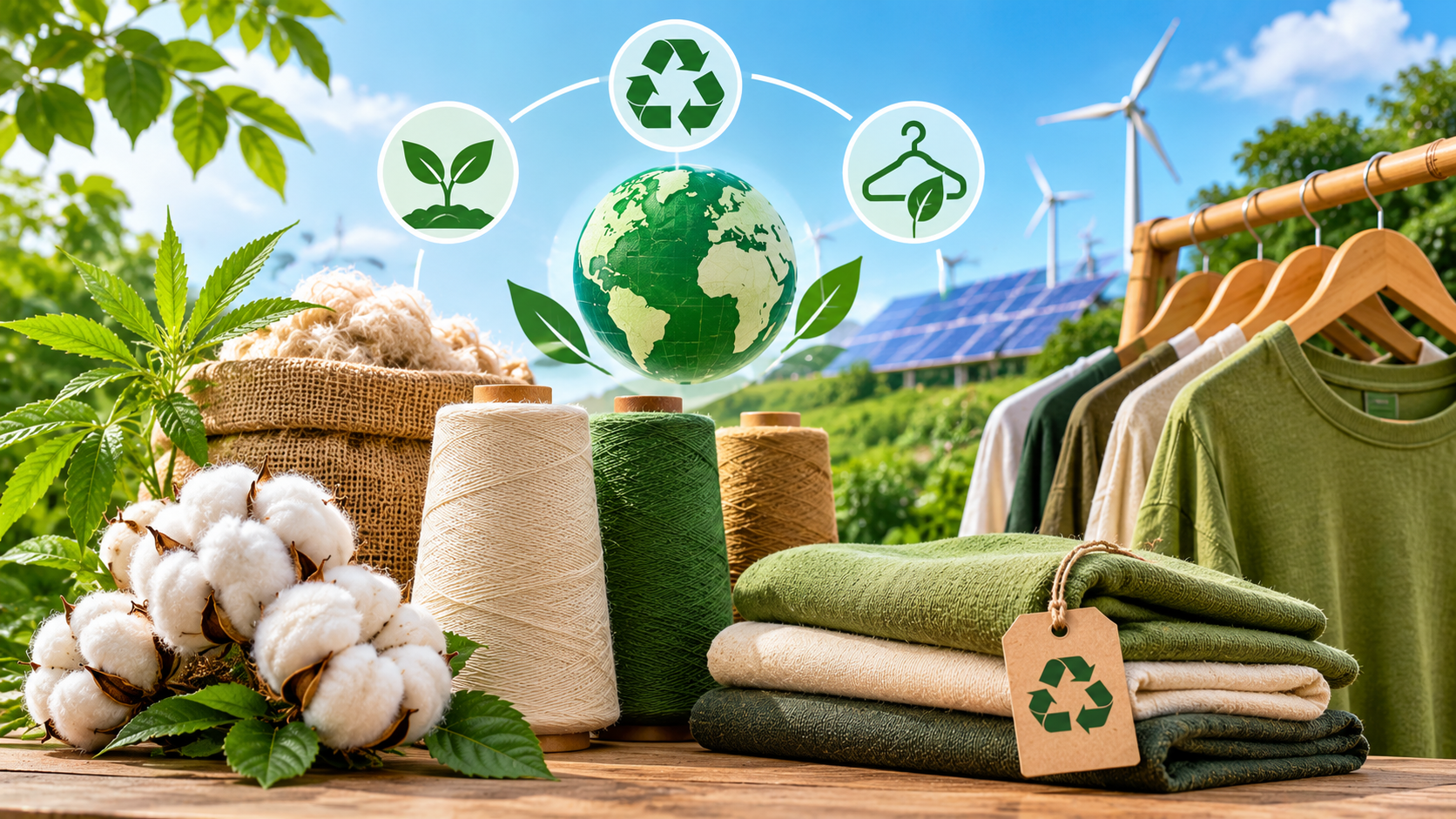
Sustainable Clothing Material Sourcing is revolutionizing the fashion industry by promoting eco-friendly practices that benefit both the environment and society. As awareness of environmental issues grows, consumers are increasingly seeking out clothing made from sustainable materials that minimize harmful impacts. This discussion delves into the essentials of sustainable sourcing, highlighting its importance in today’s fashion landscape.
The exploration begins with an understanding of what qualifies as sustainable materials, contrasting them with traditional textiles and their environmental footprints. By recognizing the lifecycle of these materials, we can see how responsible sourcing and ethical practices contribute significantly to a more sustainable future. This conversation is not just about fabrics; it’s about reshaping industry standards and fostering transparency across the supply chain.
Sustainable Materials in Fashion
The fashion industry is undergoing a significant transformation as awareness of environmental issues grows. Sustainable clothing material sourcing has emerged as a key strategy for brands aiming to reduce their ecological footprint. This approach emphasizes the importance of selecting materials that not only meet aesthetic and functional needs but also align with principles of sustainability. Understanding the basics of sustainable materials is essential for anyone involved in the fashion sector, whether they are designers, manufacturers, or consumers.
Sustainable materials are those that minimize harm to the environment throughout their lifecycle—from production to disposal. Traditional clothing materials, such as cotton and polyester, often involve harmful agricultural practices, excessive water usage, and energy-intensive manufacturing processes that contribute to pollution and waste. For example, conventional cotton farming requires large quantities of pesticides and fertilizers, which can contaminate water supplies, and its production is water-intensive. In contrast, sustainable alternatives like organic cotton, Tencel (lyocell), and recycled polyester are designed with an eco-friendly mindset. Organic cotton is grown without synthetic chemicals, while Tencel is derived from sustainably sourced wood pulp and processed in a closed-loop system that recycles water and solvents. Recycled polyester, made from post-consumer plastic bottles, helps reduce waste and the demand for virgin materials.
Environmental Impact of Traditional and Sustainable Materials
The environmental impact of clothing materials is a crucial factor in the conversation around sustainability. Traditional materials often contribute to significant ecological damage, while sustainable options aim to mitigate these effects. Here are some key differences in their impact:
- Water Consumption: Traditional cotton requires over 7,000 liters of water to produce just one kilogram of fabric, impacting water resources. In contrast, sustainable practices, like those used in organic cotton farming, can reduce water usage significantly.
- Carbon Emissions: Polyester, primarily derived from petroleum, generates high carbon emissions during production. Sustainable alternatives like recycled polyester can reduce these emissions by repurposing existing plastic waste.
- Pesticides and Chemicals: Conventional farming methods for materials like cotton use harmful chemicals that can leach into ecosystems. Sustainable materials are often grown using organic methods, thereby avoiding toxic substances.
- Waste Generation: The fast fashion model contributes to mountains of textile waste. Sustainable clothing, especially those made from recycled materials, helps to close the loop by diverting waste from landfills.
Understanding what qualifies as sustainable materials in the fashion industry is essential for making informed choices. Sustainable materials can include:
- Organic Fabrics: Made from fibers grown without synthetic pesticides or fertilizers, promoting biodiversity and soil health.
- Recycled Materials: Fabrics produced from reclaimed waste, such as recycled polyester or nylon, reducing the need for virgin resources.
- Natural Fibers: Materials like hemp and linen, which require fewer resources and chemicals to cultivate compared to conventional crops.
- Innovative Fabrics: New materials such as Piñatex (made from pineapple leaf fibers) and mushroom leather, which provide sustainable alternatives to animal-derived products.
By embracing sustainable materials, the fashion industry can take meaningful steps toward reducing its environmental impact, supporting ethical production practices, and promoting a more sustainable future for fashion.
The Lifecycle of Sustainable Clothing Materials
The lifecycle of sustainable clothing materials spans from the initial sourcing of raw materials through to the product’s end-of-life. Understanding this lifecycle is crucial for both manufacturers and consumers who wish to minimize their environmental impact. Sustainable clothing materials are designed to meet the needs of today without compromising the ability of future generations to meet theirs, emphasizing responsible sourcing, production, and disposal practices.
The journey of sustainable clothing begins with the careful selection of raw materials. These materials are often derived from renewable resources, which are harvested with minimal environmental disruption. For instance, organic cotton is sourced from farms that do not use synthetic pesticides or fertilizers, promoting healthy soil and biodiversity. Similarly, Tencel, made from sustainably sourced wood pulp, is produced in a closed-loop process that recycles water and solvents. On the other hand, recycled polyester is manufactured from post-consumer plastic bottles, significantly reducing waste and the consumption of virgin materials.
Transparency in the sourcing process is vital in the realm of sustainable fashion. It allows consumers to make informed decisions based on ethical standards. Brands that provide clear information about their supply chains, including the origins of their materials and the practices involved in their production, foster trust and loyalty. This transparency can lead to several key benefits for consumers:
- Empowerment: Knowledge of sourcing practices enables consumers to support brands that align with their values.
- Encouragement of Best Practices: When brands maintain transparency, they are often held accountable, promoting higher ethical standards within the industry.
- Enhanced Sustainability: Transparent sourcing can lead to improved practices and innovations that further reduce environmental impacts.
Another critical aspect of the lifecycle of sustainable clothing materials is the production phase. Manufacturers committed to sustainability often utilize eco-friendly dyes and processes that reduce water and energy consumption. They might employ renewable energy sources, such as solar or wind power, to minimize their carbon footprint. Moreover, ethical labor practices are another hallmark of sustainable production, ensuring fair wages and safe working conditions for those involved in the manufacturing process.
Once clothing items are produced, they enter the consumer phase, where responsible consumption becomes essential. Consumers can contribute to sustainability by choosing durable and versatile clothing that can adapt to various styles and occasions, reducing the need for frequent purchases. By caring for their clothes properly—washing in cold water, air drying, and repairing instead of discarding—consumers can extend the lifespan of their garments.
Finally, the disposal phase presents opportunities for further sustainability. Rather than sending clothing to landfills, consumers are encouraged to recycle or repurpose their garments. Many brands now offer take-back programs that allow consumers to return worn items for recycling or resale, thus closing the loop in the lifecycle of sustainable clothing materials.
In summary, the lifecycle of sustainable clothing materials embraces a comprehensive approach to fashion, emphasizing responsible sourcing, production ethics, conscious consumerism, and eco-friendly disposal methods. As consumers become more aware of the implications of their purchasing choices, the demand for transparency and sustainability in the clothing industry will continue to grow, ultimately leading to a more responsible and ethical fashion landscape.
Innovations in Sustainable Fabric Technology
Recent advancements in sustainable fabric technology are transforming the textiles industry, offering innovative solutions that significantly reduce environmental impact. These innovations encompass a variety of materials and manufacturing processes designed to minimize pollution, waste, and resource consumption while also enhancing the functionality and appeal of fabrics. The shift towards sustainability is not just a trend; it’s a necessity for a healthier planet, and many companies are now prioritizing eco-friendly practices and materials in their production lines.
One of the key areas of innovation is the development of bio-based and recycled fibers. Traditional fabric production often relies on petroleum-based synthetic fibers, which contribute to pollution and environmental degradation. In contrast, innovative techniques now include the use of organic materials derived from agricultural waste, such as corn or pineapple leaves, to create biodegradable alternatives. For instance, fabrics made from hemp or organic cotton require fewer chemicals and water, making them more sustainable than conventional cotton.
Comparison of Traditional and Innovative Sustainable Techniques
The differences between traditional fabric production methods and innovative sustainable techniques highlight the significant advancements being made in the industry. Traditional processes typically focus on mass production, relying heavily on chemical treatments and non-renewable resources. These methods can result in vast amounts of waste and pollution. In contrast, sustainable techniques emphasize resource efficiency and environmental stewardship. Here are several notable advancements:
- Recycled Fabrics: Innovations such as recycling PET plastic bottles into fabric reduce waste and the need for virgin materials. Brands like Patagonia are leading the charge in this area, utilizing recycled materials in their clothing lines.
- Waterless Dyeing Technologies: Traditional dyeing processes consume massive amounts of water and chemicals. New waterless dyeing technologies use supercritical carbon dioxide to infuse color into fabrics, significantly reducing water usage and pollution.
- 3D Knitting: This technique allows for the creation of garments without producing fabric waste, as it knits the material directly into the desired shape. Brands like Adidas have pioneered this approach with their Futurecraft line.
- Organic and Natural Dyes: Moving away from synthetic dyes to organic materials, such as indigo from plants, helps reduce chemical runoff into water systems.
Market leaders in sustainable fabric technology include companies such as EILEEN FISHER, which focuses on responsible sourcing and aims to eliminate waste, and TENCEL, known for its sustainably sourced lyocell fibers produced from renewable wood sources. Additionally, companies like Repreve and Econyl are making strides in the production of recycled fibers, showcasing how the industry is evolving towards more eco-friendly practices. As these innovations gain traction, the future of fabric production looks promising, paving the way for a more sustainable and responsible textile industry.
Ethical Sourcing Practices in the Clothing Industry
In an era where consumers are increasingly aware of the impact of their purchasing decisions, ethical sourcing practices have emerged as a cornerstone of sustainable clothing material sourcing. This approach not only emphasizes the environmental aspects of production but also highlights the social implications of how materials are sourced. Ethical sourcing seeks to ensure that the products we wear are made in ways that are fair to workers, environmentally sustainable, and socially responsible. The significance of these practices cannot be overstated; they foster transparency, accountability, and a commitment to sustainability in the clothing industry.
Ethical sourcing practices play a critical role in promoting a responsible supply chain. By ensuring that materials are sourced from suppliers who uphold fair labor standards, provide safe working conditions, and use environmentally friendly processes, brands can create a positive impact on both communities and ecosystems. This approach not only helps to protect workers’ rights but also builds trust with consumers who are increasingly looking for brands that align with their values. The clothing industry has long been criticized for its exploitative practices, including sweatshop labor and environmentally damaging production methods. Ethical sourcing practices aim to combat these issues by holding brands accountable for their sourcing decisions.
Role of Certifications and Standards in Promoting Ethical Sourcing
Certifications and standards are vital tools in the quest for ethical sourcing within the clothing industry. They serve as benchmarks for companies, guiding them in their sourcing practices and providing consumers with the assurance that products are ethically produced. Various certifications exist, each focusing on different aspects of ethical sourcing—be it labor rights, environmental sustainability, or fair trade.
One of the most recognized certifications is the Global Organic Textile Standard (GOTS), which ensures that textiles are made from organic fibers while adhering to strict environmental and social criteria. Another important certification is the Fair Trade Certified label, which guarantees that producers receive fair wages and work under safe conditions. The OEKO-TEX Standard 100 is another noteworthy certification that tests textiles for harmful substances, ensuring that they are safe for consumers and the environment.
These certifications not only help brands communicate their commitment to ethical sourcing but also encourage manufacturers to adopt more sustainable practices. Consumers, in turn, benefit from having clear, recognizable symbols that guide their choices.
Several brands exemplify ethical sourcing in their operations, demonstrating that it is possible to be both profitable and responsible. For instance, Patagonia is renowned for its commitment to environmental sustainability and ethical labor practices. They source organic cotton and recycled materials, and their supply chain transparency is unparalleled, as they openly share information about their factories and sourcing processes. Similarly, Reformation focuses on sustainable materials and ethical manufacturing, showcasing a line of clothing designed with minimal environmental impact in mind. By highlighting these brands, it becomes evident that ethical sourcing not only meets consumer demand for sustainable practices but also creates a competitive edge in the market.
These practices and certifications are instrumental in reshaping the clothing industry, making it more sustainable and equitable for all stakeholders involved.
Consumer Awareness and Demand for Sustainable Clothing
The conversation around sustainable clothing has gained significant traction in recent years, as consumers become increasingly aware of the environmental and social impacts of their clothing purchases. This shift in perception is not just a trend; it represents a fundamental change in the way people think about fashion and its place in a sustainable future. As this awareness grows, so does the demand for sustainable clothing, compelling brands to rethink their sourcing practices and prioritize eco-friendly materials.
Consumer awareness regarding sustainable clothing is driven by a range of factors, including documentaries, social media, and campaigns by environmental organizations. As consumers learn about the detrimental effects of fast fashion—such as pollution, waste, and poor labor practices—they are more inclined to seek out brands that align with their values. This has created a ripple effect, influencing brands to adopt sustainable sourcing practices that prioritize recycled, organic, or otherwise responsibly sourced materials.
Impact of Consumer Demand on Brand Practices
The rising consumer demand for sustainable clothing has a profound impact on how brands operate. To remain competitive, companies are increasingly forced to adopt sustainable sourcing strategies. This demand influences brands in several ways:
1. Material Innovation: Brands are investing in research and development to create new sustainable fabrics. For instance, companies are exploring alternatives like Tencel or recycled polyester, which require less water and energy to produce compared to conventional fabrics.
2. Transparency: Consumers now expect brands to be transparent about their sourcing practices. This has led to brands publishing detailed sustainability reports that Artikel their supply chains, the materials used, and the impact of their production methods.
3. Consumer Education Initiatives: Brands are recognizing the importance of educating their customers about sustainable clothing. This includes sharing information on care practices that extend the lifespan of garments, thus promoting a more sustainable consumption cycle.
4. Collaborations and Certifications: Many brands are forming partnerships with environmental organizations or pursuing certifications like Global Organic Textile Standard (GOTS) to validate their commitment to sustainability, giving consumers confidence in their choices.
Educating consumers about the importance of sustainable clothing material sourcing is crucial in fostering a more sustainable fashion industry. Effective strategies for this education include:
– Storytelling: Brands can share compelling narratives about the origins of their materials and the benefits of sustainable practices. This can create an emotional connection between consumers and the products they purchase.
– Workshops and Events: Hosting workshops that focus on sustainable fashion, care, and repair can engage the community and enhance awareness. These events can teach consumers about the lifecycle of clothing and the importance of making informed choices.
– Social Media Campaigns: Leveraging social media platforms to raise awareness about the impacts of clothing choices can reach a wide audience. Engaging content, such as infographics and videos, can simplify complex information and encourage sharing among peers.
– In-store Signage: Providing educational materials in physical retail locations can prompt shoppers to consider the sustainability of their purchases. Clear labeling of sustainable materials helps consumers make informed decisions.
Through these strategies, brands can not only meet consumer demand but also play a vital role in transforming the clothing industry towards a more sustainable future.
Barriers to Implementing Sustainable Sourcing in Fashion
Transitioning to sustainable clothing material sourcing presents various challenges for fashion brands. These hurdles not only complicate the integration of sustainable practices but also affect the overall efficacy and commitment to sustainability within the industry. Identifying and addressing these barriers is crucial for brands aiming to evolve responsibly.
The primary barriers to implementing sustainable sourcing are often linked to cost, availability, and consumer perception. Many brands find that sustainable materials can be significantly more expensive than traditional options. This price discrepancy can deter brands from fully committing to sustainability, especially if they are operating on thin profit margins. Moreover, sustainable materials may not be as readily available or may require extensive supply chain adjustments, which can complicate sourcing practices.
Common Challenges Faced by Brands
To fully understand the challenges, it’s vital to recognize several key points that contribute to the overall difficulty of sustainable sourcing in the fashion industry:
- Higher Costs: Sustainable materials often come at a premium, affecting budgets and profit margins. This financial strain can lead brands to prioritize cost over ethical considerations.
- Supply Chain Complexity: Transitioning to sustainable practices may require restructuring existing supply chains, which can be both time-consuming and costly.
- Limited Supplier Availability: Many sustainable materials are not widely produced; thus, sourcing them can be challenging. Brands might struggle to find suppliers who meet sustainability standards.
- Lack of Consumer Awareness: Consumer demand for sustainable options is growing, but many shoppers remain uninformed about the benefits of sustainable fashion, making it difficult for brands to justify price increases.
- Regulatory Hurdles: Different regions have varying regulations regarding sustainable practices, which can lead to confusion and compliance issues for international brands.
To overcome these barriers, brands can adopt several potential solutions. Firstly, investing in education around sustainable sourcing for both internal teams and consumers can foster greater understanding and acceptance, which might lead to increased demand for sustainable products. Collaborating with other brands and stakeholders within the industry can also streamline resources and information sharing, reducing individual costs and risks associated with sustainable sourcing.
Successful Case Studies of Brands
Many brands have successfully navigated the challenges of sustainable sourcing. For instance, Patagonia has made a name for itself in sustainable fashion by prioritizing transparency in its supply chain and sourcing recycled materials. The company’s commitment to environmental responsibility is evident in its business model, which focuses on repairing and recycling products instead of encouraging excessive consumption.
Another exemplary case is Stella McCartney, which has long championed animal welfare and sustainability. By innovating with sustainable materials like organic cotton and recycled polyester, she has shown that luxury fashion can be both beautiful and environmentally friendly. Through these examples, it is clear that overcoming barriers to sustainable sourcing not only enhances brand reputation but can also lead to positive financial outcomes in the long run.
The Role of Government and Policy in Sustainable Sourcing
Government regulations and policies play a critical role in shaping the landscape of sustainable clothing material sourcing. By establishing guidelines, offering incentives, or imposing penalties, governments can encourage or discourage practices that affect the sustainability of the fashion industry. In recent years, there has been a growing recognition of the need for policy frameworks that promote eco-friendly sourcing, ensuring that environmental and social responsibility are prioritized in textile production and consumption.
Effective government policies can support sustainable sourcing in various ways. For instance, regulations can mandate the use of sustainable materials, incentivize companies to adopt greener practices, and promote transparency in supply chains. Conversely, ineffective or poorly designed policies can hinder progress by allowing unsustainable practices to continue unchecked. The right approach can foster a culture of sustainability that extends beyond compliance, driving innovation and long-term growth in the fashion sector.
Successful Policies Promoting Sustainability in Fashion
Several countries have implemented successful policies that promote sustainability within the fashion industry. These initiatives serve as models for others to follow and demonstrate that government action can lead to meaningful change. Some noteworthy examples include:
- France’s Fashion Pact: Launched in 2019, this initiative brings together companies, governments, and NGOs to commit to three key areas: climate, biodiversity, and oceans. By collaborating, participants work toward reducing their environmental impact, making France a leader in sustainable fashion policies.
- Denmark’s Circular Economy Action Plan: This plan focuses on promoting sustainability through circular business models. The Danish government has committed to supporting the development of recycling technologies and resource efficiency in textiles, fostering a system where materials are reused rather than discarded.
- UK’s Modern Slavery Act: While primarily focused on human rights, this legislation indirectly supports sustainable sourcing by requiring businesses to report on supply chain transparency. The aim is to combat forced labor, which often occurs in unsustainable textile production processes.
- Sweden’s Textile Strategy: The Swedish government has set ambitious goals for textile sustainability, emphasizing the importance of eco-friendly materials and responsible consumer behavior. Their focus on innovation and support for sustainable startups is paving the way for a more sustainable future in fashion.
The effectiveness of these policies can be seen in their impact on industry practices and consumer awareness. For instance, the Fashion Pact has attracted over 100 global brands, demonstrating the collective move toward sustainability. In Denmark, the commitment to circular economy principles has spurred investment in recycling technologies, significantly reducing textile waste.
Comparing the effectiveness of various governmental approaches reveals different strategies that yield results. For instance, France’s collaborative approach contrasts with Sweden’s emphasis on innovation, showing that while one country may find success through partnerships, another may thrive by fostering a vibrant startup culture. This diversity in methods indicates that there is no one-size-fits-all solution; rather, each country must tailor its policies to its unique economic context and cultural values.
The interplay between government policy and sustainable sourcing is complex, yet crucial. As fashion continues to evolve, the role of government in shaping sustainable practices will be paramount in ensuring that the industry can thrive without compromising the environment or society.
Future Trends in Sustainable Clothing Material Sourcing
As the fashion industry continues to evolve, the quest for sustainability remains a focal point. The future of sustainable clothing material sourcing is not just a trend but a necessary shift toward preserving our planet. With increasing environmental awareness and a push for ethical production practices, the sourcing of materials will see significant transformation in the coming years.
Several key trends are shaping the future of sustainable clothing material sourcing. The rise of innovative materials, such as bio-fabricated textiles made from agricultural waste or mycelium, marks a shift away from conventional fabrics. These alternatives offer lower environmental impact and greater adaptability to changing consumer needs. Additionally, the integration of recycled materials into clothing production is gaining traction. By utilizing post-consumer waste, brands can reduce their carbon footprint while delivering high-quality products.
Technological Advancements in Material Sourcing
Technology is playing a vital role in shaping the landscape of sustainable clothing material sourcing. Innovations such as 3D printing and digital fabric development allow designers to create garments with minimal waste. This technology not only streamlines production processes but also encourages experimentation with materials that have previously been deemed unviable.
Moreover, advancements in artificial intelligence (AI) and data analytics are enabling brands to make more informed decisions regarding material sourcing. For instance, companies can now analyze consumer behavior to predict what sustainable materials will resonate with their audience. This data-driven approach minimizes the risk of overproduction and aligns production with actual demand.
In addition to these technological breakthroughs, blockchain technology is being adopted to enhance transparency in the supply chain. By tracking the journey of materials from source to finished product, brands can provide consumers with verifiable information about the sustainability of their garments. This transparency builds trust and encourages consumers to choose brands that prioritize ethical practices.
Evolving Consumer Preferences Towards Sustainable Materials
As awareness of environmental issues grows, consumer preferences are also shifting towards sustainability. Today’s shoppers are more educated and conscious about their purchases, often seeking brands that align with their values. The demand for sustainable materials is likely to rise as consumers increasingly prioritize eco-friendly options over traditional fabrics.
This evolving preference is contributing to a larger cultural movement where brands are held accountable for their sourcing practices. More consumers are opting for second-hand clothing and rental services, which promote circular fashion by extending the lifecycle of garments. Moreover, initiatives that encourage upcycling and repair are becoming popular, as they support the idea of reducing waste rather than merely recycling.
A significant example of changing consumer preferences is the rise of brand loyalty towards companies that embed sustainability into their ethos. Brands like Patagonia and Everlane have successfully created a loyal customer base by prioritizing transparency and environmental responsibility, showcasing that the future of clothing sourcing will be driven by consumer demand for sustainability.
Last Recap
In summary, Sustainable Clothing Material Sourcing is more than a trend; it’s a necessary shift in how the fashion industry operates. As we embrace innovative technologies and ethical practices, we pave the way for a more sustainable future. Consumers’ growing demand for transparency and accountability will continue to influence fashion brands, pushing them towards responsible sourcing. Together, we can support a movement that aligns fashion with values of sustainability and ethics.
FAQ Corner
What are the main benefits of sustainable clothing materials?
Sustainable clothing materials reduce environmental impact, promote ethical labor practices, and often provide better quality products that last longer.
How can I identify sustainable clothing brands?
Look for certifications like GOTS (Global Organic Textile Standard), Fair Trade, or brands that transparently share their sourcing practices and materials.
Are sustainable materials more expensive?
While some sustainable materials may have a higher upfront cost, they often offer greater durability and longevity, providing better value over time.
Can sustainable clothing be stylish?
Absolutely! Many brands are combining sustainability with contemporary designs, proving that eco-friendly clothing can be both fashionable and functional.
What role do consumers play in promoting sustainable fashion?
Consumers influence brands through their purchasing choices, pushing for more sustainable options and holding companies accountable for their practices.