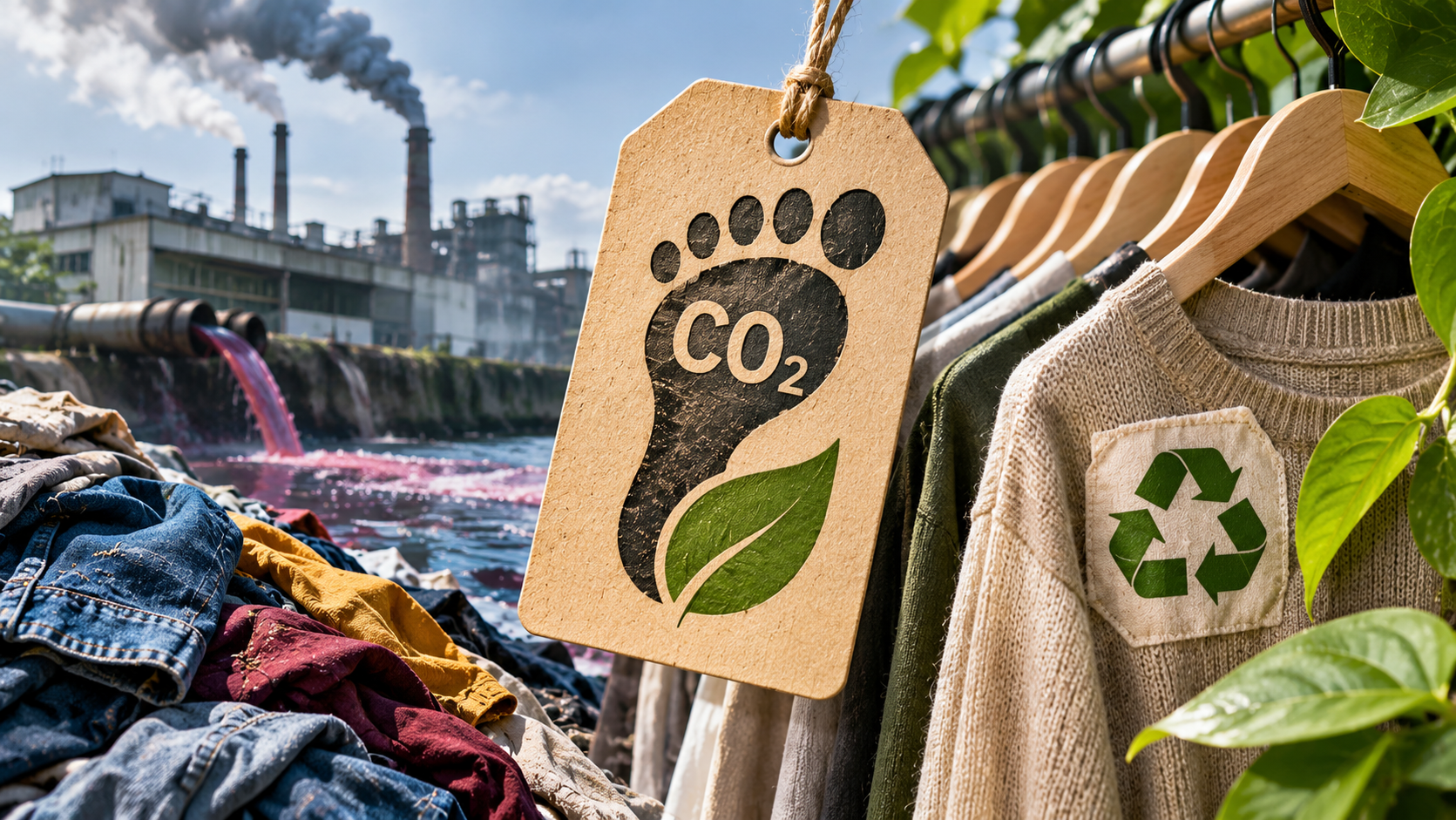
Carbon Footprint of Fashion Production is more than just a buzzphrase; it encapsulates a pressing issue at the intersection of style and sustainability. As the fashion industry continues to evolve, so does its environmental impact, significantly marked by carbon emissions throughout the production process. From the sourcing of raw materials to the final product, understanding these emissions is crucial for both consumers and producers alike.
Fashion production contributes heavily to global carbon footprints, with various stages such as material sourcing, manufacturing, and distribution all playing substantial roles. High-impact materials, particularly synthetic fibers, further exacerbate the problem, leading to an urgent need for change. Recognizing these realities can empower consumers to make informed choices and encourage the industry to adopt better practices.
The Environmental Impact of Fashion Production and Its Contribution to Carbon Footprint
The fashion industry is one of the most polluting sectors globally, significantly contributing to carbon emissions through its production processes. With an estimated 2.1 billion metric tons of greenhouse gases emitted annually, the environmental effects of fashion production are profound. This impact is not just a result of the clothing worn but extends through numerous stages of production, from raw material extraction to manufacturing, distribution, and disposal. Each phase contributes uniquely to the overall carbon footprint, marking fashion as a considerable player in climate change.
Fashion production typically involves several stages, each contributing to carbon emissions. These stages include the sourcing of raw materials, manufacturing, transportation, and end-of-life disposal. The cultivation of natural fibers like cotton and the production of synthetic fibers like polyester demonstrate high carbon footprints due to energy-intensive processes. Cotton farming, for instance, requires substantial water and chemical use, leading to significant emissions during both cultivation and processing. Polyester, predominantly derived from petroleum, not only consumes fossil fuels in its production but also releases microplastics into the environment.
Another critical contributor to the carbon footprint is the dyeing and finishing processes, which often require high temperatures and large volumes of water. For example, the conventional dyeing process emits about 20% of global wastewater and significant carbon emissions due to the energy needed to heat and treat water. Furthermore, transportation plays a substantial role, especially in a globalized industry where raw materials and finished goods are shipped worldwide. This logistical network adds layers of emissions at every transit point.
Examples of high-impact materials include leather and denim, both notorious for their resource-intensive production processes. The tanning process in leather production is particularly harmful, releasing greenhouse gases and pollutants into the environment. Denim production, especially distressed jeans, is another prime example, where techniques like sandblasting and stone washing dramatically increase the carbon output and water consumption.
Emphasizing sustainable practices and materials can mitigate these impacts, but the current trajectory of the fashion industry indicates a need for immediate and deliberate change to reduce its overall carbon footprint.
Analyzing Consumer Behavior and Its Role in Carbon Footprint of Fashion
Consumer behavior plays a crucial role in shaping the carbon footprint of the fashion industry. The choices individuals make regarding their clothing purchases and usage not only reflect personal style but also have significant environmental implications. Understanding these behaviors can help identify areas for improvement and promote more sustainable practices within the fashion sector.
Influential Consumer Behaviors in Fashion
Several consumer behaviors significantly affect the carbon footprint associated with fashion production. By focusing on these behaviors, we can grasp how individual decisions contribute to broader environmental issues.
- Preference for Fast Fashion: Many consumers gravitate towards fast fashion, characterized by low-cost, trend-driven clothing. This behavior encourages a cycle of overconsumption, resulting in increased production and higher emissions.
- Disposal Habits: The tendency to discard clothing rather than recycle or donate it leads to substantial textile waste. Landfills contribute to greenhouse gas emissions, as decomposing fabrics release methane.
- Brand Loyalty to Sustainable Labels: While fast fashion dominates, a growing segment of consumers is prioritizing brands that emphasize sustainability. This shift can drive companies toward greener practices, but it requires a collective effort to be impactful.
The rise of fast fashion has transformed consumer decisions, often prioritizing immediate gratification over sustainable practices. With trends changing rapidly, people feel pressured to keep up with the latest styles, leading to impulsive buying behaviors. The environmental cost of this trend is significant, as it often results in multiple collections being produced each season, with each item made using resources that contribute to carbon emissions.
Impact of Fast Fashion Trends on Consumer Decisions
Fast fashion is not just a shopping phenomenon; it’s also a cultural shift that influences consumer habits in profound ways. The urgent need to remain fashionable leads consumers to overlook the environmental ramifications of their choices.
The marketing strategies employed by fast fashion brands capitalize on consumers’ desire for novelty and affordability. This often fosters a mindset of disposability, where clothing is viewed as temporary rather than an investment. As a result, consumers may purchase items with little thought about their life cycle or the environmental cost of production.
“Fast fashion’s rapid production cycles and low prices discourage consumers from considering the environmental impact of their clothing choices.”
The Role of Consumer Education in Reducing Carbon Footprint
Educating consumers about the environmental impact of their fashion choices is essential for fostering more sustainable behaviors. This knowledge empowers individuals to make informed decisions that align with eco-friendly practices.
Understanding the carbon footprint associated with textile production, transportation, and disposal can lead to a more critical approach to shopping. When consumers are aware of the implications of their choices, they may be more inclined to support sustainable brands, invest in high-quality, durable pieces, or engage in clothing swaps and upcycling.
- Awareness Campaigns: Initiatives that highlight the carbon footprint of clothing production can motivate consumers to reconsider their shopping habits.
- Transparency in Supply Chains: Brands that provide insight into their production processes and sustainability efforts foster trust and encourage consumers to make environmentally conscious choices.
- Community Engagement: Local events focused on sustainable fashion promote collaboration and collective action, reinforcing the importance of reducing the carbon footprint.
By prioritizing consumer education, the fashion industry can pave the way for a significant reduction in its carbon footprint, ultimately contributing to a more sustainable future.
Sustainable Fashion Practices Aimed at Reducing Carbon Emissions
The fashion industry has a significant impact on the environment, contributing to high levels of carbon emissions through various stages of production, distribution, and consumption. However, there are sustainable practices that can effectively minimize the carbon footprint of fashion production, leading to a more environmentally friendly industry. Implementing these practices not only helps in reducing emissions but also promotes ethical consumption and production.
Sustainable fashion practices are essential for addressing the climate crisis and transforming the way clothing is made and consumed. Below are several strategies that the fashion industry can adopt to reduce its carbon emissions significantly.
Sustainable Practices in Fashion Production
To combat the damaging effects of traditional fashion production, several innovative sustainable practices have emerged. These methods not only lower carbon emissions but also contribute to a healthier planet. The following list Artikels five sustainable practices that can make a notable difference:
- Use of Organic Materials: Switching to organic cotton, hemp, and other natural fibers reduces the reliance on chemical pesticides and fertilizers, which contribute heavily to carbon emissions. For instance, brands like
Patagonia
source organic cotton for their apparel, significantly lowering their carbon footprint.
- Recycling and Upcycling: Recycling old garments and upcycling materials into new products prevent waste and reduce the need for new raw materials. Brands like
Levi’s
have introduced programs that encourage customers to recycle their jeans, effectively reducing landfill waste and emissions associated with virgin material production.
- Energy Efficient Manufacturing: Employing renewable energy sources in factories can drastically cut down on carbon emissions.
Everlane
is committed to transparency about their factories, many of which utilize renewable energy to power their operations.
- Local Production: Producing clothing closer to the consumer reduces transportation emissions. Companies like
Amour Vert
prioritize local production in the U.S., which minimizes carbon output associated with shipping.
- Slow Fashion Movement: Encouraging consumers to buy less but of higher quality promotes longevity in clothing, resulting in reduced consumption and waste. Brands like
Eileen Fisher
focus on timeless designs that encourage customers to invest in fewer, better items.
To illustrate the impact of sustainable practices versus traditional methods, the following table compares carbon output associated with each approach.
| Practice Type | Carbon Emissions (kg CO2 per item) |
|---|---|
| Traditional Cotton Production | 16.6 |
| Organic Cotton Production | 5.0 |
| Fast Fashion (high-volume production) | 24.0 |
| Sustainable Production (local/fair trade) | 10.0 |
In summary, these sustainable practices not only aim to reduce carbon emissions but also foster a more responsible approach to fashion consumption and production. Brands that adopt these methods are leading the way toward a more sustainable future, demonstrating that it is possible to combine style with environmental stewardship.
The Role of Technology in Mitigating Carbon Footprint in Fashion Production
In the ever-evolving landscape of fashion, technology plays a pivotal role in addressing the carbon footprint associated with production processes. As concerns about climate change intensify, leveraging technological advancements has become essential for the industry to move towards sustainability. By integrating innovative solutions, fashion brands can significantly reduce carbon emissions while maintaining product quality and consumer appeal.
Advancements in Sustainable Fabric Production
The production of sustainable fabrics has seen significant technological advancements, resulting in lower carbon emissions and a reduced environmental impact. One notable innovation is the development of bio-fabricated materials, such as those made from plant-based sources or recycled plastics. These fabrics not only require less energy and water to produce but also reduce reliance on traditional, resource-intensive materials like cotton or polyester.
For instance, brands like Stella McCartney are utilizing innovative materials like Mylo™, a leather alternative made from mycelium, which is the root structure of mushrooms. This approach not only cuts down on carbon emissions but also decreases water usage compared to conventional leather production.
Impact of 3D Printing on Fashion Production
3D printing technology is revolutionizing the way fashion items are designed and produced, offering a more efficient and eco-friendly approach. This method allows for on-demand manufacturing, which significantly reduces waste associated with overproduction and excess inventory.
With 3D printing, designers can create intricate patterns and structures with minimal material usage, thereby lowering the carbon footprint. For example, brands like Adidas have embraced this technology to produce footwear that is customized to meet individual consumer needs while minimizing waste. The ability to print products locally also reduces the carbon emissions linked to transportation.
Integration of Data Analytics in Emission Tracking
Data analytics serves as a crucial tool for fashion companies seeking to understand and manage their carbon emissions. By utilizing advanced analytics, brands can monitor their environmental impact throughout the supply chain, from raw material sourcing to final product delivery.
Implementing real-time data tracking allows companies to identify inefficiencies in their processes and make informed decisions that contribute to sustainability goals. For example, brands can analyze energy consumption patterns, waste generation, and transportation emissions, enabling them to adopt strategies that effectively reduce their overall carbon footprint.
Furthermore, companies like H&M have begun employing data analytics to enhance their circular economy initiatives, ensuring that resources are utilized effectively and waste is minimized.
“Technology is not just a tool; it’s a transformative force that can redefine the future of fashion in sustainable ways.”
The Importance of Lifecycle Assessment in Fashion for Carbon Footprint Reduction
Lifecycle Assessment (LCA) has emerged as a critical tool in evaluating the environmental impacts of fashion products, particularly regarding their carbon footprints. By examining every stage of a product’s life—from raw material extraction through production, use, and disposal—LCA provides valuable insights that can guide brands towards more sustainable practices. Understanding this process is vital for reducing carbon emissions and promoting environmentally friendly initiatives within the fashion industry.
LCA is significant for brands as it not only identifies the areas where emissions are highest but also enables informed decision-making that leads to lower carbon footprints. Through this comprehensive analysis, brands can pinpoint the most impactful changes, whether it be sourcing materials sustainably, optimizing manufacturing processes, or designing for recyclability. Essentially, LCA serves as a roadmap for brands looking to reduce their environmental impact while still meeting consumer demands.
Steps for Conducting an LCA for a Fashion Item
Conducting a Lifecycle Assessment for a fashion item involves several key steps, each contributing to a deeper understanding of its environmental impact. Below is a structured approach to performing an effective LCA:
1. Goal and Scope Definition: Clearly Artikel the objectives of the assessment. Identify what you want to achieve, such as reducing carbon emissions or improving material efficiency. Also, define the boundaries of the assessment—what stages of the product life you will include.
2. Inventory Analysis: Gather data on all inputs and outputs associated with each stage of the product’s lifecycle. This includes raw materials, energy consumption, water usage, and waste generated. Accurate data collection is essential for a reliable assessment.
3. Impact Assessment: Analyze the data to evaluate the potential environmental impacts, particularly focusing on carbon emissions. This step often involves the use of specific tools and methodologies that quantify emissions throughout the product lifecycle.
4. Interpretation: Review the findings to determine key areas where improvements can be made. This interpretation should reflect the initial goals set in the first step and guide the decision-making process.
5. Implementation of Improvements: Based on the insights gained from the LCA, brands can implement strategies to reduce their carbon footprint. This may involve altering material choices, enhancing production techniques, or adopting more sustainable business practices.
6. Communication and Reporting: Finally, reporting the results transparently to stakeholders, including consumers, is crucial. This enhances brand credibility and encourages others within the industry to adopt LCA in their sustainability efforts.
By following these steps, fashion brands can systematically assess and enhance the sustainability of their products, ultimately leading to a significant reduction in carbon emissions.
“Lifecycle Assessment enables brands to make informed decisions that minimize their environmental impact.”
Policy and Regulation Impact on Fashion’s Carbon Footprint
Government policies play a critical role in shaping the carbon footprint of the fashion industry. Regulations can either encourage sustainable practices or perpetuate environmentally harmful behaviors, which is why it’s crucial to analyze their impact. As countries recognize the urgency of climate change, many are implementing regulations aimed at reducing carbon emissions from various sectors, including fashion production.
The effectiveness of these regulations varies significantly across countries, influenced by economic conditions, political will, and the level of public awareness regarding sustainability. For instance, European nations often lead with strict regulations, such as the EU’s Green Deal, which includes initiatives to promote circular fashion and reduce textile waste. In contrast, countries with less stringent regulations may struggle to implement effective measures, resulting in higher carbon emissions from fashion production.
Comparison of Regulations Across Countries
Different countries have adopted diverse regulatory frameworks to address the carbon footprint of the fashion industry. Comparing these frameworks sheds light on their effectiveness in curbing emissions.
Countries like Sweden and France have pioneered mandatory environmental reporting for fashion brands, requiring them to disclose their carbon emissions and sustainability practices. This transparency encourages companies to adopt greener practices, as consumers increasingly demand accountability. On the other hand, nations with minimal regulations often see limited progress in reducing the carbon footprint of their fashion sectors.
The following points highlight additional examples of regulatory approaches and their outcomes:
- Extended Producer Responsibility (EPR): Countries like Germany and Norway have implemented EPR laws, holding manufacturers accountable for the entire lifecycle of their products. This encourages recycling and reduces landfill waste.
- Carbon Pricing: Canada has introduced carbon pricing mechanisms, incentivizing manufacturers to decrease their emissions. This financial penalty for carbon output has successfully prompted companies to innovate more sustainable production methods.
- Import Tariffs on Non-Sustainable Products: Some nations, such as Australia, have considered imposing tariffs on imports of non-sustainably produced fashion items. This approach aims to level the playing field for domestic sustainable brands and discourage environmentally harmful imports.
The importance of these regulatory measures cannot be overstated, as they create a framework within which fashion brands must operate. Effective policies can significantly reduce the carbon impact of fashion, promoting more sustainable practices that benefit the environment and society as a whole.
“Regulatory measures are essential in guiding the fashion industry toward a more sustainable future, as they create accountability and encourage innovation.”
The Influence of Supply Chain Management on Fashion’s Carbon Footprint
Supply chain management plays a pivotal role in determining the carbon emissions associated with fashion production. By optimizing each step—from raw material sourcing to distribution—brands can significantly reduce their environmental impact. The fashion industry is notorious for its extensive and often convoluted supply chains, which contribute to excessive greenhouse gas emissions. The way products are sourced, manufactured, and delivered directly influences the carbon footprint of companies.
The relationship between supply chain management and carbon emissions in fashion is intricately connected. For instance, the choice of suppliers, the distance materials must travel, and the energy sources used during production all contribute to overall emissions. Brands that prioritize efficient logistics and responsible sourcing can substantially mitigate their carbon footprints.
Local Sourcing and Logistics Improvements
Local sourcing and improvements in logistics are effective strategies for reducing carbon emissions in fashion production. When brands source materials closer to their production facilities, they can lower transportation-related emissions considerably. Additionally, optimizing logistics by implementing efficient transportation routes and methods can lead to significant reductions in carbon outputs.
Examples of successful local sourcing and logistics improvement initiatives include:
- Patagonia: This outdoor clothing brand sources many of its materials locally, reducing the travel distance and, consequently, the emissions associated with transport. By focusing on regional suppliers, Patagonia minimizes its carbon footprint and supports local economies.
- Everlane: Known for its transparency, Everlane emphasizes local sourcing and works with ethical factories closer to its customer base. By doing so, the brand reduces shipping emissions and enhances traceability in its supply chain.
- Reformation: This sustainable fashion brand has implemented a “Local” collection, featuring products made from materials sourced within a specific geographic area. This effort not only lessens carbon emissions but also promotes local artisans and reduces overproduction.
These examples showcase how local sourcing can foster a more sustainable approach while also providing economic benefits to local communities.
Scalable Supply Chain Model for Minimizing Carbon Emissions
Designing a scalable supply chain model focused on minimizing carbon emissions requires integrating sustainability at every level. This model should incorporate various elements:
1. Supplier Selection: Choose suppliers who prioritize sustainable practices, including energy efficiency and waste reduction.
2. Material Innovation: Utilize eco-friendly materials that require less energy during production and can be sourced locally.
3. Efficient Manufacturing Processes: Implement lean manufacturing techniques to minimize waste and energy use during production.
4. Optimized Distribution: Develop logistics strategies that reduce transportation distances and utilize low-emission vehicles.
5. Collaborative Partnerships: Engage in partnerships with local organizations to share resources, knowledge, and strategies aimed at reducing carbon footprints across the supply chain.
Implementing a scalable model involves not just the initial steps of sourcing sustainably but also committing to ongoing assessment and improvement. Data collection and analysis can help brands understand their carbon emissions across different supply chain stages, allowing for more targeted reductions.
“A sustainable supply chain not only addresses carbon emissions but also builds resilience and fosters positive community impact.”
Last Word
In summary, the discussion of the carbon footprint of fashion production illustrates the intricate relationships between consumer behavior, production practices, and environmental sustainability. By embracing sustainable innovations and being mindful of purchasing decisions, both fashion brands and consumers can contribute to a more sustainable future. Ultimately, reducing carbon emissions in fashion isn’t just a trend; it’s a necessary evolution toward a healthier planet.
Frequently Asked Questions
What is carbon footprint in fashion?
It refers to the total greenhouse gas emissions caused by fashion production, including all stages from raw material sourcing to end-of-life disposal.
How can consumers reduce their fashion carbon footprint?
Consumers can opt for sustainable brands, buy second-hand clothing, and make conscious decisions to reduce overconsumption.
Are all fashion brands equally harmful to the environment?
No, some brands implement sustainable practices and materials that significantly lower their carbon emissions compared to others.
What role does government policy play in fashion?
Government policies can set regulations and standards that encourage or mandate reductions in carbon emissions from fashion production.
What are sustainable materials in fashion?
Sustainable materials include organic cotton, recycled fabrics, and biodegradable fibers that have a lower environmental impact.