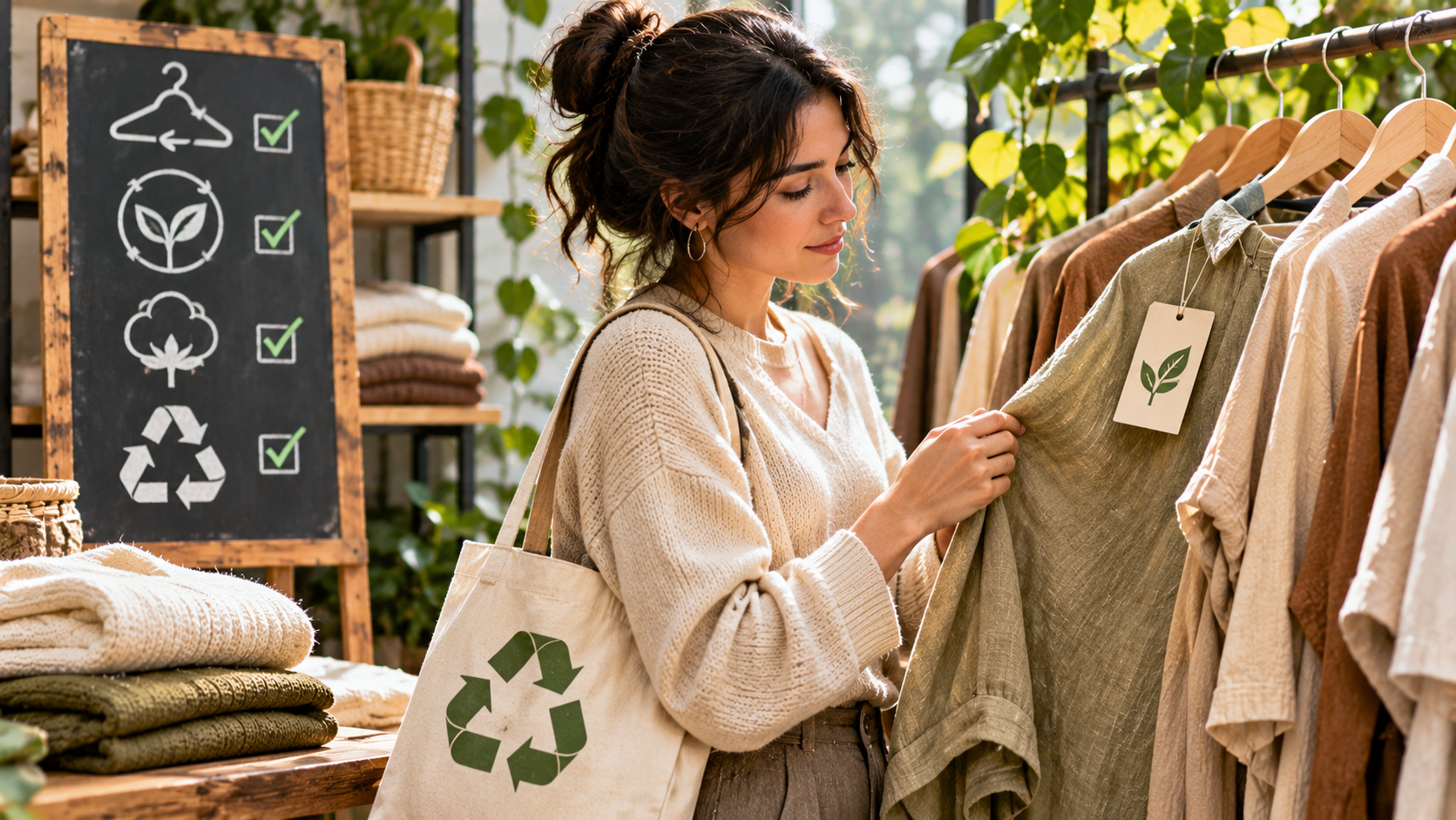
Slow Fashion Consumer Behavior is reshaping the way we think about clothing and our purchasing decisions. In a world where fast fashion dominates, slow fashion emerges as a refreshing antidote that encourages mindfulness and sustainability. This approach not only highlights the importance of quality over quantity but also emphasizes the environmental and social impacts of our fashion choices. As more consumers become aware of the consequences of their shopping habits, the slow fashion movement gains momentum, pushing for a more responsible and ethical industry.
The significance of slow fashion lies in its roots, which stem from a desire to counteract the harmful practices prevalent in fast fashion. By prioritizing sustainable production methods, ethical labor practices, and timeless designs, slow fashion promotes a culture of thoughtful consumption. Brands that embody this philosophy, such as Patagonia and Eileen Fisher, are becoming beacons of hope in the fashion industry, inspiring consumers to rethink their relationship with clothing and embrace a more conscious lifestyle.
Slow Fashion Defined and Its Importance
Slow fashion is an approach to apparel design, production, and consumption that emphasizes sustainability, quality, and ethical practices. It emerged in response to the pervasive fast fashion industry, which prioritizes rapid production, low costs, and trendy designs at the expense of ethical labor practices and environmental integrity. The slow fashion movement encourages consumers to be more mindful about their purchases, opting for pieces that are not only stylish but also made with care, fostering a deeper connection between consumers and the garments they choose to wear.
The significance of slow fashion in today’s consumer culture cannot be overstated. As awareness of environmental issues grows, more individuals are seeking alternatives to the detrimental impacts of fast fashion. The production of fast fashion items contributes to massive waste due to their short lifecycle, as well as significant pollution from chemical dyes and synthetic fibers. In stark contrast, slow fashion emphasizes durability, biodegradability, and minimalism, encouraging consumers to invest in timeless pieces that last longer and are made from sustainable materials.
Environmental Impacts of Fast Fashion versus Slow Fashion
Fast fashion has a profound negative impact on the environment, characterized by several key issues. The industry is notorious for its high water consumption, with an estimated 2,700 liters of water required to produce a single cotton t-shirt. Moreover, it generates a staggering amount of waste; in the U.S. alone, approximately 11 million tons of textile waste end up in landfills each year.
In contrast, slow fashion seeks to mitigate these environmental harms. It promotes practices such as local sourcing, reduced water usage, and the use of organic materials. By prioritizing quality over quantity, slow fashion brands significantly reduce waste. For instance, brands like Patagonia and Eileen Fisher not only produce garments that are built to last but also have robust recycling programs that encourage customers to return their used clothing for repurposing.
Some notable brands embodying the slow fashion philosophy include:
- Patagonia: Renowned for its commitment to environmental sustainability, Patagonia offers repairs and encourages recycling, emphasizing the importance of reusing clothing.
- Eileen Fisher: This brand focuses on ethical production and offers a take-back program to ensure old garments are recycled or repurposed.
- Reformation: A stylish option that highlights eco-friendly fabrics and sustainable manufacturing processes, demonstrating that fashion can be both chic and responsible.
“Choosing slow fashion is not just about making a purchase; it’s about aligning values with actions.”
The Motivations Behind Slow Fashion Consumer Choices
The increasing interest in slow fashion reflects a significant shift in consumer attitudes towards clothing and the fashion industry as a whole. This movement emphasizes quality, sustainability, and ethical production, contrasting sharply with the fast fashion model that prioritizes speed and low cost. Understanding the motivations behind this shift is crucial to appreciating the values that drive modern consumers toward slow fashion.
A primary driver for consumers embracing slow fashion is the growing awareness of the environmental impact of fast fashion. People are increasingly conscious of how clothing production contributes to pollution, waste, and resource depletion. As a response, many consumers are choosing brands that prioritize sustainability, as they aim to minimize their carbon footprint and support eco-friendly practices. Additionally, slow fashion typically emphasizes durable materials and timeless designs, which resonate with those seeking longevity in their wardrobes.
Ethics and Sustainability in Consumer Purchasing Decisions
The intersection of ethics and sustainability plays a pivotal role in shaping consumer behavior towards slow fashion. Many consumers are motivated by the desire to make responsible choices that align with their personal values.
When evaluating the ethical aspects of their purchases, consumers consider factors such as fair labor practices, transparency in the supply chain, and respect for workers’ rights. Slow fashion brands often prioritize these values, ensuring fair wages and safe working conditions for their employees. This commitment not only appeals to ethically-minded shoppers but also builds trust in the brand.
Moreover, sustainability practices, such as using organic materials and adopting circular economy principles, attract consumers who are concerned about climate change and environmental degradation. The following points highlight key motivations related to ethics and sustainability:
- Transparency: Consumers appreciate brands that openly share their production processes and sourcing of materials, allowing them to make informed decisions.
- Waste Reduction: By choosing slow fashion, consumers actively participate in reducing textile waste, as these garments are often designed to last longer.
- Support for Local Economies: Many slow fashion brands commit to local production, which helps sustain communities and reduce transportation emissions.
Personal Values and Lifestyle Choices Impacting Consumer Behavior
The influence of personal values and lifestyle choices on consumer behavior towards slow fashion cannot be overstated. Many individuals view their clothing choices as a reflection of their beliefs and lifestyle, leading them to seek out slow fashion options that align with their identity.
The desire for self-expression and individuality drives consumers to choose unique, handcrafted items over mass-produced clothing. This quest for authenticity is often tied to a broader lifestyle that values quality over quantity, encouraging individuals to curate their wardrobes with intention.
Additionally, consumers’ commitment to minimalism and simplicity often guides their fashion choices. The following points detail how personal values and lifestyle choices manifest in slow fashion consumer behavior:
- Mindfulness: Many individuals practice mindful consumption, focusing on purchases that add value to their lives and minimize unnecessary clutter.
- Connection to Craftsmanship: Consumers are drawn to the artistry of slow fashion, valuing items crafted with care and attention to detail.
- Community Engagement: Purchasing from local artisans or small brands fosters a sense of community and connection, aligning with the values of many slow fashion advocates.
Through these motivations, it is evident that slow fashion consumers are not merely making a purchasing decision; they are expressing their values, beliefs, and commitment to a more sustainable and ethical world.
The Role of Social Media in Shaping Slow Fashion Awareness
Social media has become a powerful tool in raising awareness about slow fashion, creating a platform for brands, consumers, and advocates to connect and share their messages. With the rapid rise of platforms like Instagram, TikTok, and Pinterest, the discussion around sustainable fashion practices has gained momentum, influencing consumer behavior significantly. The visual nature of these platforms allows for compelling storytelling, making it easier for individuals to understand the impact of their fashion choices on the environment and society.
The influence of social media platforms extends beyond simple awareness; they actively shape consumer perceptions and behaviors. By showcasing the stories behind clothing items, from ethical production processes to the artisans involved, social media encourages consumers to form a deeper connection with their purchases. This shift in narrative is essential for the slow fashion movement, which emphasizes quality, sustainability, and ethical consumption over fast fashion’s disposable culture.
Influencers and Bloggers in Fashion Consumption
Influencers and bloggers play a pivotal role in transforming consumer perceptions about fashion consumption. They serve as key opinion leaders, often bridging the gap between consumers and sustainable fashion brands. Through their curated content, these individuals not only highlight slow fashion brands but also educate their followers on the importance of mindful shopping. Their platforms provide a space for discussion and dissemination of valuable information regarding the benefits of slow fashion, such as reduced environmental impact and support for local economies.
The authenticity and relatability that influencers bring can significantly sway consumer choices. For instance, when influencers share personal stories about their transition to slow fashion, it humanizes the movement and makes it more accessible. This drive for authenticity resonates with followers, prompting a shift in their purchasing habits toward more sustainable options.
In the table below, we illustrate notable social media campaigns that promote slow fashion initiatives, highlighting the effectiveness of these campaigns in fostering awareness and encouraging responsible consumer behavior.
| Campaign Name | Platform | Description |
|---|---|---|
| Fashion Revolution Week | A global movement that encourages consumers to ask brands, “Who made my clothes?” promoting transparency in fashion supply chains. | |
| Slow Fashion Season | A campaign encouraging consumers to engage in sustainable fashion practices for a whole season, focusing on second-hand shopping and wardrobe remixing. | |
| Eco Age’s #30Wears | This initiative promotes the idea that clothes should be worn at least 30 times, challenging consumers to think critically about their purchases. | |
| Project 333 | Blogging Platforms | A minimalist fashion challenge that encourages participants to create a capsule wardrobe of 33 items for three months. |
Challenges Faced by Slow Fashion Consumers
Adopting slow fashion practices comes with its own set of challenges that consumers must navigate. While the movement emphasizes sustainability, ethical production, and quality over quantity, several barriers can hinder its widespread acceptance. Understanding these challenges is crucial for both consumers and advocates of slow fashion.
One of the primary hurdles for slow fashion consumers is the accessibility of products. Unlike fast fashion, which often dominates the market with low prices and vast availability, slow fashion brands typically operate on a different scale. They might be less visible in mainstream retail settings, resulting in limited options for consumers. Additionally, the cost of slow fashion items can be significantly higher due to ethical sourcing and environmentally-friendly production practices, which can deter budget-conscious shoppers.
Accessibility Comparison Between Slow Fashion and Fast Fashion
The disparity in accessibility between slow and fast fashion can be illustrated through various factors that shape consumer experiences in different markets. Here’s a look at how these factors play out:
- Price Point: Fast fashion brands offer low-cost items that are often more feasible for everyday consumers. For example, a basic t-shirt from a fast fashion retailer might cost around $10, whereas a slow fashion equivalent could be priced at $50 or more due to its sustainable materials and fair labor practices.
- Local Availability: In urban areas, fast fashion retailers are ubiquitous, making it easy for consumers to purchase trendy items quickly. Conversely, slow fashion brands may be found in specialty boutiques or online, which can limit immediate access for many shoppers.
- Brand Awareness: Fast fashion companies invest heavily in marketing and advertising, which increases their visibility. Slow fashion brands often rely on grassroots marketing and word-of-mouth, which can mean less recognition and consumer trust in some communities.
- Consumer Education: Many consumers remain unaware of the benefits of slow fashion. While fast fashion is well-known for its low prices and trendy styles, the slow fashion narrative requires a deeper understanding of sustainability, ethical labor practices, and long-lasting quality, which can take time to communicate effectively.
Methods for Overcoming Challenges Through Community Support and Education
To address the challenges faced by slow fashion consumers, several methods can be implemented that focus on community support and educational initiatives. These strategies are aimed at fostering a more informed consumer base that understands and appreciates the value of slow fashion.
- Community Workshops: Organizing local workshops can empower consumers with knowledge about sustainable practices, upcycling, and the importance of buying from ethical brands. These workshops can create a supportive environment for sharing ideas and experiences.
- Collaborative Buying Groups: Forming groups that buy slow fashion items together can help mitigate the cost barrier. By pooling resources, consumers can collectively purchase higher-quality items at a reduced price.
- Online Platforms: Utilizing social media and online communities dedicated to slow fashion can facilitate discussions, share stories, and promote brands that align with sustainable values. These platforms can also help connect consumers with local slow fashion retailers.
- Educational Campaigns: Initiatives that educate the public about the environmental and social impacts of fast fashion can shift consumer attitudes. Campaigns can highlight success stories from slow fashion brands and encourage consumers to reconsider their purchasing habits.
“Embracing slow fashion is not just about changing what we wear; it’s about transforming the entire culture of consumption.”
By leveraging community support and education, consumers can navigate the challenges of slow fashion more effectively, leading to a larger movement towards sustainable and ethical consumption practices.
The Future of Slow Fashion Consumer Behavior
As the fashion landscape evolves, slow fashion is carving out its niche, attracting a conscientious consumer base focused on sustainability and ethical practices. The future of slow fashion consumer behavior is poised to shift in response to emerging trends, innovative brand practices, and enhanced consumer education. By understanding these dynamics, brands can effectively connect with a growing demographic that values quality and responsibility over quantity.
The landscape of slow fashion is continuously shaped by cultural and environmental changes. Increased awareness of climate change and ethical labor practices are steering consumer choices toward more sustainable options. Moreover, the emergence of digital platforms and community engagement is further refining how consumers interact with fashion brands. Key trends that may influence future consumer behavior include:
Potential Trends Influencing Consumer Behavior
The following trends are likely to shape the future of slow fashion and affect consumer choices significantly:
- Increased Transparency: Brands that openly share their production processes, sourcing, and labor practices can build trust and loyalty with consumers.
- Personalization: Customization and personalized shopping experiences can appeal to consumers looking for unique, meaningful purchases.
- Digital Engagement: Virtual reality and augmented reality technologies can create immersive shopping experiences, enabling consumers to connect more deeply with brands and products.
- Resale and Rental Markets: A trend toward second-hand shopping and clothing rentals allows consumers to enjoy fashion sustainably, reducing waste associated with fast fashion.
- Community Focus: Brands that foster community involvement and local craftsmanship resonate well with consumers prioritizing local economies and unique narratives.
Innovative Practices for Brands
To attract more consumers to slow fashion, brands can adopt several innovative practices:
- Collaborative Collections: Partnering with artists or local craftsmen can produce exclusive collections that highlight unique designs while supporting local talent.
- Upcycling Initiatives: Encouraging consumers to bring in old garments for repurposing can reduce waste and create a sense of connection between the consumer and the brand.
- Subscription Services: Offering subscription boxes with curated, sustainable clothing options can provide consumers with convenience while reinforcing a commitment to slow fashion.
- Impact Measurement: Providing consumers with easy-to-understand metrics on the positive impacts of their purchases can enhance brand value and customer loyalty.
Strategies for Educating Consumers
Educating new consumers about the benefits of slow fashion is essential for building a loyal customer base. Effective strategies include:
- Storytelling: Brands can share compelling stories about their materials, production processes, and the artisans behind the products to create an emotional connection with consumers.
- Workshops and Events: Hosting events that educate consumers about sustainable practices and the impact of fast fashion can foster community and brand loyalty.
- Content Marketing: Creating informative content such as blogs, podcasts, or videos focused on slow fashion topics can engage consumers and position brands as thought leaders.
- Social Media Campaigns: Utilizing platforms to share educational content and success stories can increase visibility and consumer understanding of slow fashion’s benefits.
The Economic Impact of Slow Fashion on the Fashion Industry
The relationship between the slow fashion movement and the economy is multifaceted, showcasing how sustainable practices can reshape financial landscapes. As consumers increasingly gravitate towards ethical and sustainable choices, the economic benefits for local economies and job markets become evident. In this section, we explore the potential economic uplift that slow fashion can bring, particularly in supporting local businesses and fostering employment opportunities.
Economic Benefits to Local Economies
Adopting slow fashion practices has the potential to significantly benefit local economies. By emphasizing local production and sourcing, slow fashion supports artisans and small businesses. This approach can revitalize communities, create a more resilient economy, and enhance local culture. The following points illustrate these economic benefits:
- Support for Local Artisans: Slow fashion encourages consumers to purchase from local artisans, which fosters community pride and keeps money circulating within the local economy. This support helps maintain traditional crafts and ensures the survival of local skills.
- Reduction of Carbon Footprint: By prioritizing local production, slow fashion reduces transportation costs and emissions, ultimately benefiting the environment and enhancing community health.
- Encouragement of Circular Economies: Slow fashion promotes the concept of reusing and recycling, which can lead to the establishment of local repair shops and thrift stores, creating additional local jobs and resources.
Impact on Employment and Job Creation
The slow fashion movement is not just a trend; it represents a shift toward sustainable practices that can lead to substantial job creation. This shift can redefine employment landscapes in several ways:
- Job Creation in Sustainable Practices: As brands embrace ethical production methods, new roles emerge in areas such as sustainable sourcing, product lifecycle management, and eco-friendly manufacturing techniques.
- Training and Education Opportunities: The rise of slow fashion has prompted the need for specialized training programs in sustainable practices, providing employment opportunities in education and training sectors.
- Boosting Local Economies: By investing in local production methods, slow fashion brands contribute to job creation not only in manufacturing but also in logistics, retail, and distribution within local communities.
“The transition to slow fashion is not merely a trend; it represents a fundamental shift in how we think about consumption and its impact on our economy.” – Jane Smith, CEO of Ethical Threads
“Investing in sustainable fashion means investing in our communities’ futures; it’s a way to create jobs while preserving our planet.” – John Doe, Sustainable Business Advocate
Ending Remarks
In conclusion, the evolution of Slow Fashion Consumer Behavior underscores a shifting paradigm in the fashion landscape. As individuals become increasingly aware of ethical considerations and environmental impacts, the demand for sustainable and responsible practices grows. The future of fashion lies in our hands, and by choosing slow fashion, we not only support ethical brands but also contribute to a healthier planet. This journey towards a more sustainable future is not just a trend; it is a fundamental change in how we perceive and engage with fashion itself.
Question Bank
What is slow fashion?
Slow fashion refers to a movement that promotes sustainable practices, ethical labor, and quality over quantity in clothing production.
How does slow fashion impact the environment?
Slow fashion reduces the environmental footprint of clothing production by focusing on sustainable materials and ethical manufacturing processes.
Why are consumers choosing slow fashion?
Consumers are motivated by a desire for sustainability, ethical practices, and a preference for high-quality, long-lasting garments.
Can slow fashion be affordable?
While some slow fashion items may have a higher upfront cost, they often provide better long-term value due to their durability and timeless design.
How does social media influence slow fashion?
Social media raises awareness about slow fashion, allowing influencers to share sustainable brands and promote conscious consumerism.