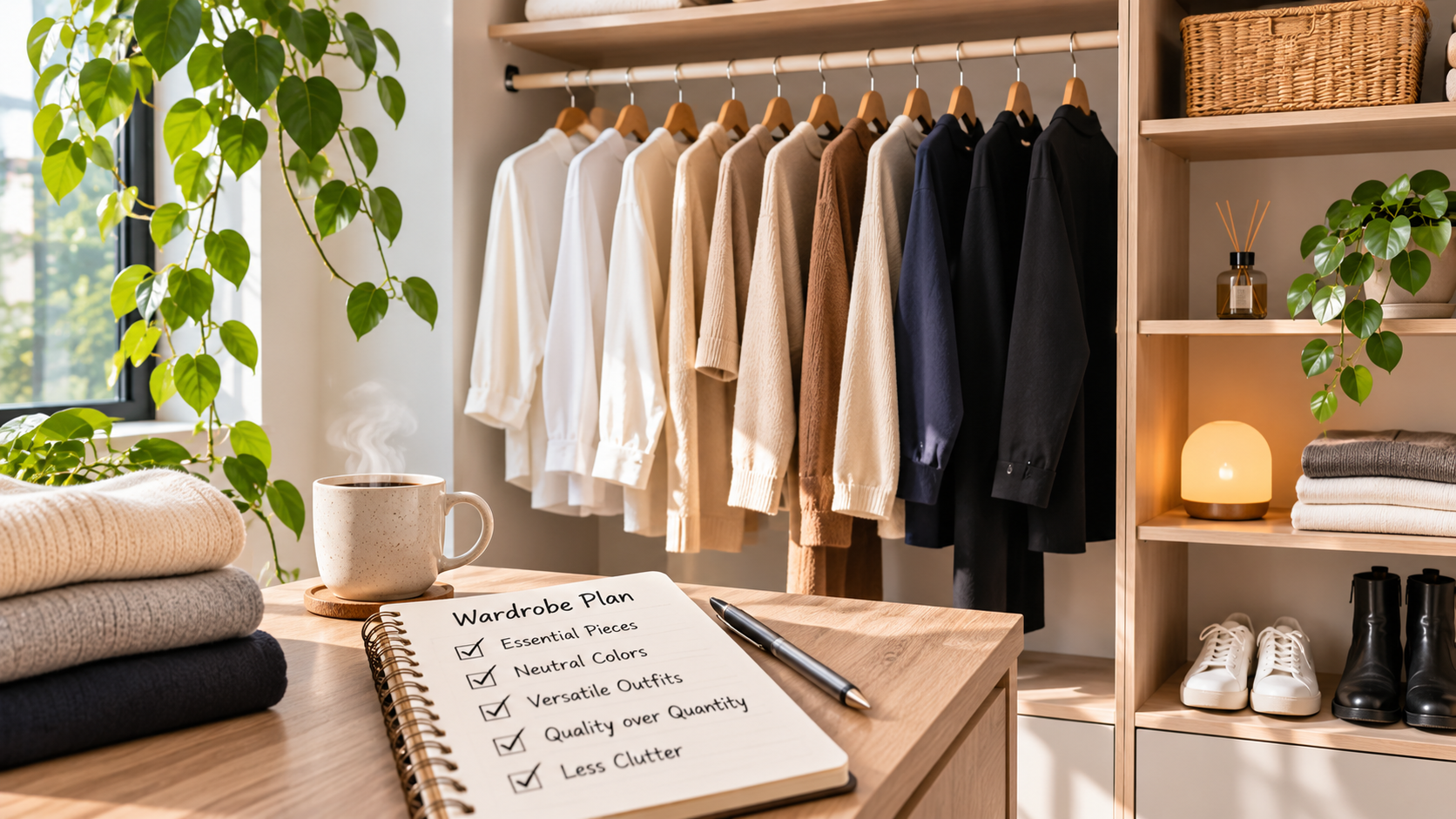
Minimalist Wardrobe Planning is more than just a trend; it’s a transformative philosophy that can redefine how we view our clothing choices and daily lives. By focusing on the essentials and eliminating excess, this approach fosters not only a more organized closet but also a clearer mind. Imagine waking up each day to a wardrobe that reflects your personal style without the clutter, allowing for a seamless start to your day.
At its core, minimalist wardrobe planning encourages mindful consumption and thoughtful curation of your clothing items. This method not only streamlines your outfit decisions but also elevates your personal style, making it easier to express yourself creatively while embracing simplicity. With this guide, you’ll explore the principles, steps, and strategies to curate and maintain a minimalist wardrobe that suits your lifestyle.
The concept and philosophy behind minimalist wardrobe planning
Minimalist wardrobe planning is rooted in the broader movement of minimalism, which emphasizes simplicity and intentionality in various aspects of life. The concept emerged as a response to consumer culture, where the abundance of choices often leads to overwhelm and dissatisfaction. It encourages individuals to prioritize quality over quantity, focusing on a curated selection of clothing that aligns with their lifestyle, personal style, and values. This philosophy promotes the idea that less is more, allowing for a more meaningful and organized approach to wardrobe management.
The core principles of minimalist wardrobe planning revolve around intentionality, versatility, and functionality. By selecting timeless pieces that can be mixed and matched, individuals can create numerous outfits from a limited number of items. This not only simplifies the decision-making process but also reduces clutter, making it easier to maintain an organized space. A minimalist wardrobe often includes neutral colors and classic styles, which contribute to a cohesive look and are suitable for various occasions. This approach not only enhances personal style but also fosters a sense of clarity and calm amidst the chaos of modern life.
Impact on Organization and Decision Fatigue
Adopting a minimalist wardrobe can significantly improve organization and reduce decision fatigue. With fewer clothing options to choose from, individuals spend less time contemplating what to wear each day. This streamlined process can lead to a more efficient morning routine and a more positive start to the day. The simplicity of a minimalist wardrobe means that every piece has a purpose, which reduces the mental clutter associated with overwhelming choices.
The benefits extend beyond just time-saving; they also impact mental clarity. When the wardrobe is organized, individuals can easily find what they need without rummaging through excessive amounts of clothing. A well-structured closet serves as a visual representation of order, which can create a tranquil environment conducive to productivity and creativity.
“Less clutter leads to more clarity.”
The psychological benefits of embracing minimalism in clothing choices are profound. By eliminating distractions caused by excessive options, individuals can focus on what truly matters. This can boost self-esteem and confidence, as a carefully selected wardrobe reflects personal identity and values. Furthermore, the act of decluttering can have a therapeutic effect, providing a sense of accomplishment and relief. Ultimately, minimalist wardrobe planning fosters not only a more organized life but also a healthier mindset, encouraging individuals to live intentionally and authentically.
Steps to create a minimalist wardrobe
Creating a minimalist wardrobe is not just about reducing the number of items you own; it’s about making thoughtful choices that reflect your personal style and needs. By decluttering your closet and selecting versatile, high-quality pieces, you can simplify your daily routine and enhance your overall lifestyle. Here’s a detailed guide on how to embark on this rewarding journey.
Evaluating Current Clothing Items
The first step in creating a minimalist wardrobe is to assess your current clothing collection. This evaluation helps you understand what you truly wear and what has become excess. To effectively evaluate your clothing:
- Gather All Items: Take all your clothing out of the closet and drawers. This will give you a clear view of what you own.
- Try on Each Piece: As you go through each item, try it on to check the fit and comfort level. This will help you remember how each piece feels.
- Ask Key Questions: For each item, consider questions such as: Do I love this piece? Have I worn it in the last year? Does it fit well? Is it in good condition?
- Sort into Categories: Create three piles: Keep, Discard, and Donate. The “Keep” pile should only include items you truly wear and love.
Deciding What to Keep or Discard
Deciding what to keep and what to let go of can be challenging. Utilizing a structured approach can make this process smoother and more effective. Consider the following guidelines:
- Quality Over Quantity: Focus on high-quality pieces that will last longer. If an item is damaged or worn out, it may be time to let it go.
- Functional Versatility: Keep items that can serve multiple purposes or can be styled in different ways. For instance, a blazer can elevate both casual and formal outfits.
- Personal Style Alignment: Retain pieces that reflect your current style and lifestyle. If your wardrobe doesn’t align with how you want to present yourself, it’s time for a change.
- Emotional Attachment: While nostalgia is natural, if an item no longer serves a purpose in your life, it may be best to part ways.
Selecting Versatile Pieces
Choosing versatile clothing is crucial in building a minimalist wardrobe. Versatile pieces can be mixed and matched to create various outfits, maximizing the use of each item. Keep these tips in mind when selecting your key pieces:
- Neutral Colors: Opt for neutral colors that easily blend with others. Shades like black, white, gray, and beige can form the foundation of your wardrobe.
- Classic Styles: Invest in timeless cuts and styles that won’t go out of fashion quickly. A well-tailored pair of jeans or a classic white shirt can be styled for any occasion.
- Layering Options: Choose items that can be layered effectively, such as lightweight cardigans or versatile dresses, which adapt to various weather conditions.
- Statement Accessories: Incorporate a few key accessories that can transform a simple outfit into something special, like a statement necklace or a colorful scarf.
“A minimalist wardrobe is about making space for what truly matters—both in style and in life.”
Key pieces for an effective minimalist wardrobe
Creating a functional minimalist wardrobe revolves around choosing essential pieces that offer versatility and longevity. The goal is to curate a collection that simplifies your daily choices while still allowing you to express your personal style. By focusing on quality over quantity, you can build a wardrobe that not only looks good but also aligns with sustainable practices and responsible consumerism. Below are the must-have items that form the foundation of a minimalist wardrobe, along with insights on fabric choice and effective color palettes.
Essential Clothing Items
A minimalist wardrobe should consist of versatile pieces that can be easily mixed and matched. Here are the key items that everyone should consider:
- Classic White Shirt: This timeless piece can be dressed up or down, making it suitable for various occasions. Opt for a high-quality cotton or linen blend for comfort and breathability.
- Tailored Blazer: A well-fitted blazer instantly elevates any outfit, whether paired with jeans or over a dress. Choose a neutral color like black, navy, or gray for maximum versatility.
- Basic T-Shirts: Invest in a few high-quality t-shirts in neutral colors. They serve as the perfect base for layering and can be worn alone or under other garments.
- Quality Denim Jeans: Select one or two pairs of well-fitting, classic cut jeans that complement your body shape. Dark wash jeans are ideal for both casual and semi-formal occasions.
- Versatile Dresses: A simple, well-cut dress can be dressed up with accessories for a night out or worn casually during the day. Stick to solid colors or subtle patterns for a cohesive look.
- Comfortable Footwear: Choose quality shoes that are both comfortable and stylish. A pair of classic loafers, ankle boots, or minimalist sneakers can serve multiple purposes.
- Outerwear: A timeless trench coat or a stylish overcoat is essential for colder weather. Selecting a classic color will ensure it pairs well with the rest of your wardrobe.
- Accessories: Minimalist jewelry and a few quality bags will help in adding character to your outfits without overwhelming your look.
The importance of fabric choice cannot be overstated in building a minimalist wardrobe. Sustainable fabrics like organic cotton, Tencel, and recycled polyester not only reduce environmental impact but also contribute to the longevity of your pieces. Prioritizing fabrics that are durable and easy to care for ensures that you can maintain your wardrobe with minimal effort. In addition, opting for natural fibers often means better breathability and comfort, which is crucial for everyday wear.
Effective Color Palettes
Creating a cohesive minimalist wardrobe is greatly enhanced by the strategic use of color. A well-chosen color palette can simplify outfit coordination and enhance the overall aesthetic of your wardrobe. Here are some effective color themes to consider:
- Neutrals: Base your wardrobe around neutral colors such as black, white, gray, and beige. These shades effortlessly mix and match, providing endless outfit combinations.
- Earth Tones: Colors like olive green, terracotta, and rust can add warmth and richness to your wardrobe while still being versatile.
- Monochromatic Shades: Building outfits within the same color family, varying the tones and textures, creates an elegant and polished look.
- Accent Colors: Introduce one or two accent colors that complement your neutrals. A muted navy or soft blush can provide subtle pops of color without overwhelming your palette.
In summary, the key to an effective minimalist wardrobe lies in selecting essential pieces that are versatile and sustainable, combined with a cohesive color palette to ensure that your outfits are effortlessly stylish.
How to maintain a minimalist wardrobe over time
Maintaining a minimalist wardrobe is an ongoing process that requires intentionality and awareness. Over time, it’s essential to regularly review and refine your collection to ensure it continues to meet your needs while reflecting your personal style. By incorporating specific strategies, you can keep your wardrobe functional, stylish, and true to the principles of minimalism.
Regularly reviewing and refining your wardrobe
Establishing a routine for assessing your wardrobe can help you stay aligned with your minimalist goals. Regular reviews allow you to evaluate whether your clothing still serves its purpose or if it’s time to let go of items that no longer fit your lifestyle. Consider scheduling a seasonal review, where you can go through your clothes, assess their wearability, and make decisions about what to keep or donate.
- Set a schedule: Choose a specific time, such as at the beginning of each season, to reassess your wardrobe. This consistent approach makes it easier to stay organized.
- Assess wearability: Take note of items that you haven’t worn in the last season. These pieces may no longer align with your current style or needs.
- Consider emotional attachment: While it’s natural to have sentimental attachments to certain pieces, recognize when feelings may cloud your judgment about practicality.
One-in, one-out rule
The ‘one-in, one-out’ rule is a helpful strategy that promotes maintaining a balanced wardrobe. This approach dictates that for every new item you acquire, you must let go of an existing piece. This practice not only helps prevent clutter but also encourages more thoughtful purchasing decisions.
The ‘one-in, one-out’ rule ensures that your wardrobe stays manageable and reflective of your current style.
- Encourages mindfulness: By enforcing this rule, you’ll think carefully about the necessity of new purchases, ensuring they truly serve a purpose in your wardrobe.
- Fosters appreciation: Regularly letting go of pieces allows you to appreciate what you choose to keep, resulting in a wardrobe that feels curated and special.
Resisting fast fashion
Fast fashion can be tempting due to its affordability and trendy offerings, but it often leads to overconsumption and clutter. To maintain a minimalist wardrobe, it’s crucial to adopt mindful purchasing habits.
- Invest in quality: Focus on purchasing fewer high-quality items that are durable and timeless, rather than multiple low-cost, trendy pieces that may wear out quickly.
- Do your research: Before making a purchase, consider the brand’s ethical practices and the environmental impact of the clothing.
- Set a budget: Establish a shopping budget that prioritizes quality over quantity, helping you make more responsible choices when adding to your wardrobe.
The role of seasonal changes in wardrobe planning
Seasonal changes play a significant role in wardrobe planning, particularly in a minimalist approach, where the objective is to maintain a curated and functional clothing collection. Adapting your wardrobe to align with the changing seasons not only enhances your style but also ensures that your clothing choices are practical and comfortable. A well-planned seasonal wardrobe can simplify daily dressing, promote sustainability, and reduce clutter.
To effectively adapt a minimalist wardrobe for changing seasons, it is essential to assess your current collection and identify versatile pieces that can transition across different weather conditions. Begin by evaluating your clothing for functionality and comfort, considering items that can layer well. For instance, lightweight turtlenecks can be worn under dresses in the summer and serve as a base layer in winter. Focus on choosing a palette that complements the season, such as earthy tones and rich fabrics in fall or light, airy materials in spring.
Methods for storing out-of-season clothing
Proper storage techniques for out-of-season clothing are crucial to prevent clutter while ensuring easy access when needed. Effective storage methods include:
- Vacuum-sealed bags: Using vacuum-sealed bags not only saves space but also protects your clothing from dust, dirt, and moisture. Simply fold your items neatly, remove the air with a vacuum, and store them under your bed or in a closet.
- Clear storage bins: Clear bins allow you to see the contents at a glance, making it easy to retrieve items. Label each bin according to the season or clothing category for efficient organization.
- Under-bed storage: Utilize the space under your bed with low-profile storage bins or drawers. This keeps your out-of-season items out of sight and maintains a tidy living area.
- Seasonal rotation: Regularly rotate your wardrobe by moving out-of-season items to the back and bringing forward the current season’s clothes. This encourages you to engage with your clothing more frequently.
Benefits of seasonal capsule wardrobes include reduced decision fatigue, enhanced creativity in outfit combinations, and a more organized closet. To create a seasonal capsule wardrobe, select a limited number of essential pieces that work well together, focusing on versatility and adaptability. Start with a base of core essentials such as:
- Neutral tops and bottoms: Choose colors that can easily mix and match with other pieces.
- Layering items: Incorporate lightweight cardigans or jackets that can add variety and warmth.
- Statement accessories: Use accessories to change up your look without needing to add more clothing.
This method not only simplifies your wardrobe but also allows for a more intentional selection of clothing that reflects your personal style while adapting to the demands of each season.
Challenges and solutions in minimalist wardrobe planning
Transitioning to a minimalist wardrobe can bring a range of challenges that may test one’s resolve and emotional resilience. Understanding these obstacles and how to navigate them is essential for a successful transition. This section will address common difficulties encountered during this journey and offer practical solutions to overcome them.
Common challenges faced during transition
Many individuals experience various obstacles when shifting to a minimalist wardrobe. Recognizing these challenges can help in developing effective strategies to tackle them. Below are some prevalent issues:
- Attachment to clothing: Many people develop emotional connections to their clothing items due to memories or significant life events associated with them. This attachment can make it difficult to part with items, even if they are no longer worn.
- Fear of scarcity: The worry about not having enough clothing for different occasions can lead to anxiety about letting go of items. This fear often stems from societal conditioning to have a varied wardrobe.
- Overwhelm during decluttering: The process of going through one’s belongings can be daunting. Sorting through numerous items and making decisions about what to keep or discard can create a sense of paralysis, preventing progress.
Solutions to overcome challenges
Addressing these challenges effectively requires a thoughtful approach. Here are several strategies that can be employed:
- Mindfulness and reflection: Before decluttering, take time to reflect on the emotional value of each item. Acknowledge feelings of attachment, and consider whether the memories can be cherished without the physical item.
- Limitations on quantity: Set specific guidelines for the number of items to keep in each category (e.g., five pairs of shoes). This can reduce the fear of scarcity and help prioritize functionality over quantity.
- Small steps: Approach decluttering gradually. Start with a small section, like a single drawer or a few hangers, to avoid feeling overwhelmed. This incremental progress can build confidence and motivation.
Emotional aspects of letting go
Letting go of clothing items can invoke a range of emotions, from relief to sadness. Understanding these emotions is crucial for a smoother transition. Here are some coping mechanisms to manage these feelings:
- Journaling: Document your feelings during the decluttering process. Writing about your attachment to certain items can help clarify your thoughts and ease the emotional burden.
- Celebrating memories: Instead of focusing solely on loss, celebrate the memories associated with the items you are letting go. Acknowledge the role these items played in your life while embracing new possibilities.
- Support networks: Share your journey with friends or family. Discussing your experiences can provide emotional support and make the process feel less isolating.
Dealing with societal pressures
Societal expectations regarding clothing can add an additional layer of complexity to minimalist wardrobe planning. Navigating these pressures requires a strong sense of self and clarity about personal values.
- Defining personal style: Take the time to identify what you genuinely enjoy wearing and what makes you feel confident. This personal style will serve as a foundation for your wardrobe choices, independent of societal trends.
- Building confidence: Practicing self-acceptance can reduce the impact of external opinions. Affirmations and positive self-talk can reinforce your decision to embrace minimalism.
- Educating others: When faced with skepticism about your choices, be open to sharing the benefits of a minimalist wardrobe. Discussing your values can shift the narrative from judgment to understanding.
The impact of minimalist wardrobe planning on personal style
Adopting a minimalist wardrobe can significantly influence personal style, allowing individuals to express themselves more authentically while simplifying their choices. By focusing on quality over quantity, minimalist wardrobe planning encourages individuals to curate pieces that truly resonate with their identity, enhancing their overall aesthetic. This approach can lead to a more coherent and intentional style that reflects personal values and preferences.
A minimalist wardrobe promotes a clearer vision of personal style by reducing the clutter of excess clothing options. Instead of being overwhelmed by choices, individuals can focus on versatile, timeless pieces that can be mixed and matched effortlessly. This not only simplifies daily outfit decisions but also encourages creativity in styling. With a limited selection, individuals are often inspired to showcase their unique flair through innovative combinations, accentuating their personal expression without the distraction of unnecessary items.
Balance between minimalism and creativity in outfit choices
Finding the right balance between minimalism and creativity is essential for a successful wardrobe. While a minimalist approach encourages a streamlined selection of clothing, it does not stifle creativity; rather, it fosters it. Individuals can embrace a capsule wardrobe filled with classic pieces that serve as a solid foundation for various stylistic expressions.
The following points illustrate how minimalism and creativity coexist harmoniously in a wardrobe:
- Versatile pieces: Investing in high-quality, versatile items allows for multiple styling options, enabling personal expression without compromising on minimalism.
- Accessory emphasis: Minimalist wardrobes can highlight accessories, which can transform a simple outfit into a unique expression of style.
- Color palettes: Sticking to a cohesive color scheme promotes creativity within limited choices, making it easier to mix and match while maintaining an individual aesthetic.
- Layering techniques: Mastering layering with a few staple pieces can yield varied looks, encouraging creative outfit combinations without the need for an extensive collection.
Embracing a minimalist wardrobe does not mean sacrificing personal style; instead, it empowers individuals to refine their looks and express themselves more boldly.
Style icons exemplifying minimalist wardrobes
Several style icons have successfully embodied minimalist wardrobe principles, showcasing how this approach can enhance personal style while remaining true to their identities. These individuals often rely on a curated selection of staple pieces that convey their unique fashion sensibilities.
For example, the actress and style icon Emma Watson has been known for her commitment to sustainable fashion and minimalist aesthetics. Watson frequently opts for classic silhouettes and neutral color palettes, allowing her elegance to shine without overwhelming distractions.
Similarly, the model and entrepreneur Karlie Kloss showcases a minimalist approach through her use of tailored pieces and a limited color palette, often favoring monochromatic looks that highlight her figure. Her style exudes sophistication while remaining effortlessly chic.
These icons demonstrate that a minimalist wardrobe can serve as a canvas for personal expression, enabling individuals to refine their style while making intentional choices that resonate with their lifestyle and values. By focusing on quality pieces, they set an example of how minimalism can indeed elevate one’s personal aesthetic.
Future trends in minimalist wardrobe planning
As the world evolves, so does the concept of minimalist wardrobe planning. This approach to fashion is not only about reducing clutter but also about making thoughtful choices that reflect personal values and sustainability. With changing consumer behavior and technological advancements, the future of minimalist wardrobes is looking more promising and innovative than ever.
The landscape of fashion is constantly shifting, influenced by various factors such as sustainability, cultural shifts, and the technological revolution. Minimalist wardrobe planning is expected to evolve in tandem with these changes, emphasizing quality over quantity and encouraging consumers to invest in timeless pieces that align with their lifestyles.
Technological Integration in Wardrobe Planning
Technology is set to play a significant role in shaping the future of minimalist wardrobes, providing tools and platforms that streamline the styling process and enhance user experience. Apps and virtual styling services are emerging as vital resources for consumers aiming to simplify their wardrobe choices. The following points illustrate the impact of technology on minimalist wardrobe planning:
- Wardrobe Management Apps: Applications like Cladwell and ShopLook help users curate their wardrobes by encouraging them to track their clothing items, suggest outfit combinations, and plan seasonal wear.
- Virtual Try-Ons: Technologies such as augmented reality (AR) allow users to try on clothes virtually, minimizing the need for physical shopping and reducing impulse purchases.
- Personal Styling Services: Online platforms offer personalized styling advice based on individual preferences and body types, enabling consumers to build a minimalistic wardrobe tailored to their unique needs.
- Data Analytics: Brands utilize data analytics to understand consumer behavior, leading to the production of versatile pieces that cater specifically to minimalist shoppers.
Shifts in Societal Attitudes Toward Consumption
The growing awareness of environmental issues and the impact of fast fashion is reshaping societal attitudes toward consumption and minimalism in fashion. More consumers are embracing the idea of less being more, leading to significant changes in how they approach their wardrobes. This shift is characterized by:
- Sustainability Focus: Consumers are increasingly prioritizing sustainable brands that promote ethical manufacturing processes and use eco-friendly materials.
- Quality Over Quantity: The notion of investing in fewer but higher-quality items is gaining traction, as people seek durability and timelessness in their clothing choices.
- Minimalist Lifestyle Promotion: Influencers and thought leaders advocate for a minimalist lifestyle through social media, inspiring others to declutter and simplify their wardrobes.
- Secondhand and Vintage Shopping: The rise of thrift culture and vintage shopping reflects a growing acceptance of reusing and recycling clothing, aligning with minimalist principles.
“Minimalism in fashion transcends mere aesthetics; it’s a lifestyle choice that prioritizes sustainability and mindful consumption.”
Epilogue
In conclusion, adopting a minimalist wardrobe is not merely about reducing the number of clothes you own but about creating a sustainable, functional, and stylish collection that resonates with your values. As you navigate the world of minimalist planning, remember that each piece in your wardrobe should serve a purpose and bring you joy. Embrace the freedom that comes with simplicity and let your wardrobe reflect the best version of yourself.
Commonly Asked Questions
What is minimalist wardrobe planning?
Minimalist wardrobe planning is a method of curating your clothing collection by focusing on essential, versatile pieces that support a simpler lifestyle.
How do I decide what to keep in my minimalist wardrobe?
Evaluate your current clothes based on how often you wear them, their versatility, and whether they bring you joy.
Can I still have stylish outfits with a minimalist wardrobe?
Absolutely! Minimalist wardrobes can enhance your style by allowing for creative mixing and matching of versatile pieces.
How do I deal with emotional attachments to clothes?
Recognize the memories tied to items, but focus on how they fit into your current lifestyle and whether they are serving you now.
Is it expensive to build a minimalist wardrobe?
While quality pieces can be an investment, a minimalist wardrobe can ultimately save you money by reducing impulse purchases and focusing on essentials.