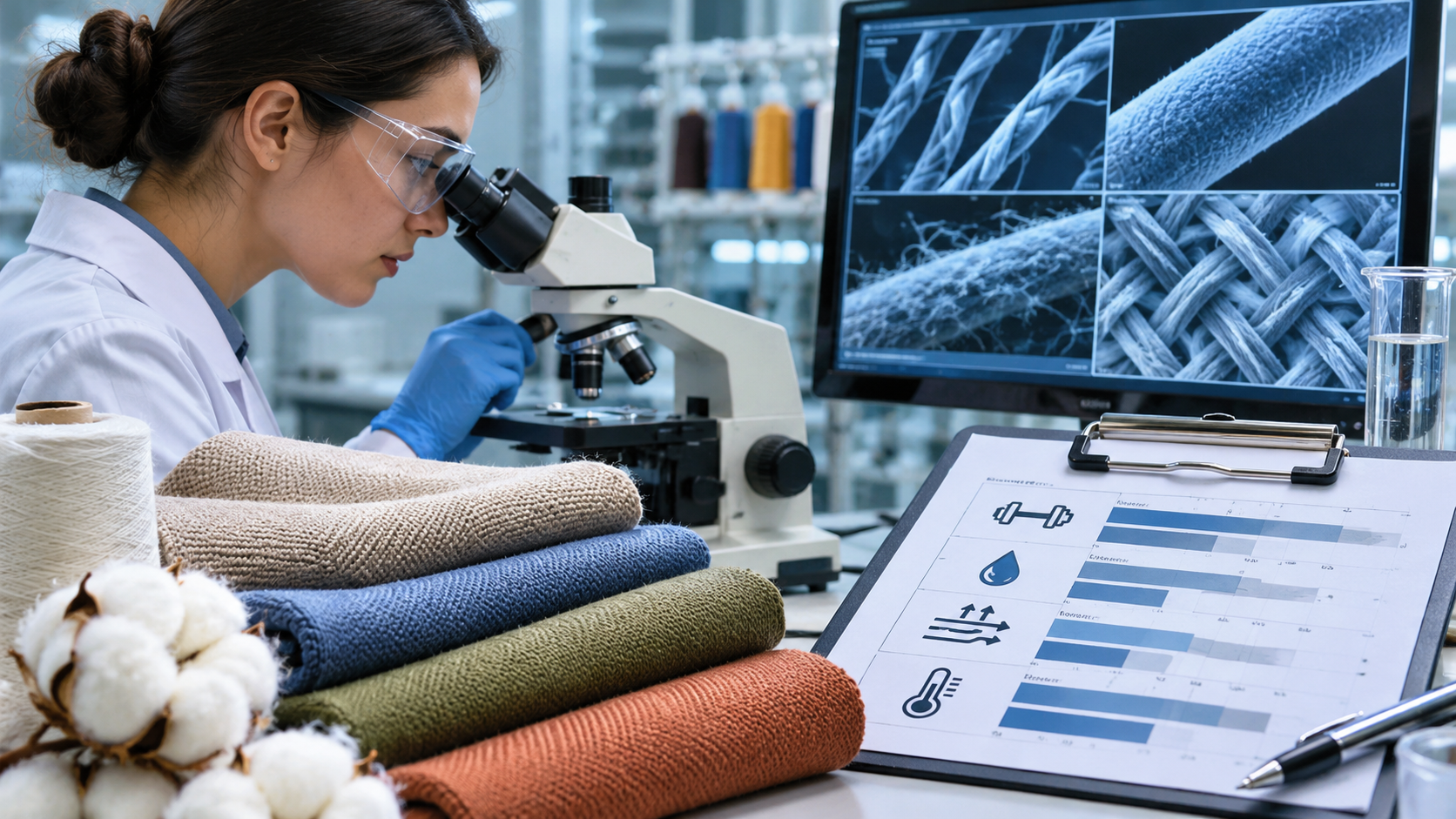
Delving into Textile Fiber Performance Analysis reveals the critical role that fiber performance plays across industries, from fashion to manufacturing. Understanding how various fibers respond to environmental stresses and their specific applications is key to optimizing product quality and sustainability.
The performance of textile fibers not only impacts the durability and functionality of products but also has significant implications for environmental sustainability. By analyzing factors like tensile strength, elasticity, and the latest innovations in fiber technology, we uncover the intricate balance between performance and ecological responsibility.
Understanding the Importance of Textile Fiber Performance
Evaluating textile fiber performance is crucial across various industries, from fashion to industrial applications. The characteristics of fibers significantly impact the usability, durability, and overall effectiveness of textile products. By understanding these performance metrics, companies can make informed decisions that enhance product quality and contribute to sustainability efforts.
The evaluation of textile fiber performance serves multiple industries, each with unique requirements that dictate the types of fibers used. For instance, in the fashion industry, aesthetic qualities such as drape and texture are essential, while in the automotive industry, fibers need to exhibit high durability, resistance to wear, and flame retardant properties. Moreover, the healthcare sector demands textiles that are hygienic, comfortable, and capable of withstanding rigorous cleaning processes. Thus, it’s vital to assess fibers on various parameters such as tensile strength, moisture absorption, and thermal insulation.
Applications and Performance Requirements of Textile Fibers
Understanding the specific applications of textile fibers allows for a deeper insight into their performance requirements. Each application comes with distinct challenges and expectations that fibers must meet to ensure functionality and consumer satisfaction.
– Fashion and Apparel:
– Emphasis on aesthetic appeal, comfort, and breathability.
– Fabrics must maintain shape and color over time.
– Home Textiles:
– Performance in terms of durability and ease of care is crucial.
– Materials need to be resistant to fading and stains.
– Automotive Textiles:
– High resistance to wear and tear, as well as fire safety standards must be met.
– Lightweight yet strong materials contribute to safety and efficiency.
– Medical Textiles:
– Textiles must be sterile, hypoallergenic, and easy to clean.
– Performance under repeated sterilization processes is critical.
– Industrial Textiles:
– Require exceptional strength and resistance to harsh environments.
– Used for applications like filtration, safety gear, and geotextiles.
The role of fiber performance extends beyond functionality; it also plays a critical part in sustainability and environmental impact. When manufacturers prioritize performance alongside eco-friendly production methods, significant strides can be made in reducing waste and promoting the use of renewable resources.
Role of Fiber Performance in Sustainability
The sustainability of textile production heavily relies on the performance characteristics of the fibers used. Opting for fibers that are not only durable but also biodegradable can minimize environmental footprints. Sustainable practices often involve:
– Utilizing natural fibers such as organic cotton, hemp, and bamboo which are renewable and have lower environmental impact.
– Incorporating recycled materials into new textile products, thereby reducing waste and promoting a circular economy.
Fiber performance also impacts the lifecycle of textile products. High-quality fibers tend to have longer lifespans, meaning garments and products will require less frequent replacement. This not only saves resources but also reduces landfill contributions.
Moreover, the energy consumption during production varies based on the fiber type. Synthetic fibers often require more energy to produce compared to natural fibers. By focusing on the development and use of high-performance natural fibers, industries can significantly lower their carbon footprints.
Ultimately, the significance of textile fiber performance is profound, influencing everything from product viability to environmental sustainability. Understanding these dynamics is essential for stakeholders in the textile industry to create high-quality, responsible products that meet consumer demands and ecological standards.
Key Factors Influencing Textile Fiber Performance
Textile fibers exhibit a variety of performance characteristics that are essential for their application in different fabrics and products. Factors such as tensile strength, elasticity, and durability directly influence how these fibers perform under various conditions. Understanding these elements allows manufacturers and consumers to select the appropriate materials for specific uses, enhancing the functional and aesthetic properties of textiles.
Environmental conditions play a significant role in the performance of textile fibers. Factors such as humidity, temperature, and exposure to sunlight can alter the physical and chemical properties of fibers. For instance, fibers can swell or lose strength when exposed to high humidity levels, while extreme temperatures can cause fibers to become brittle or lose elasticity.
Tensile Strength and Elasticity
Tensile strength refers to the maximum amount of tensile (pulling) stress that a fiber can withstand before failure. This characteristic is influenced by:
- Fiber Composition: Natural fibers like cotton have lower tensile strength compared to synthetic fibers such as nylon or polyester. For example, polyester fibers can withstand significant stress and are commonly used in heavy-duty applications.
- Processing Techniques: The methods employed during fiber processing, such as twisting or weaving, can enhance or reduce tensile strength. For instance, tightly woven fabrics generally exhibit greater strength than loosely woven variants.
- Moisture Content: The presence of moisture can affect tensile strength. Natural fibers may lose strength when wet, while synthetic fibers often retain their integrity. A study showed that cotton loses approximately 20% of its strength when wet.
Elasticity is the ability of a fiber to return to its original shape after being stretched. Factors affecting elasticity include:
- Fiber Structure: The molecular structure of fibers determines their elasticity. For instance, elastane fibers have a unique coiled structure that allows for significant stretch and recovery.
- Temperature Effects: Changes in temperature can influence the elasticity of fibers. Higher temperatures can cause some synthetic fibers to lose elasticity over time.
Durability and Environmental Impact
Durability reflects the lifespan and resistance of fibers to wear and tear. Several factors contribute to this characteristic:
- Fiber Type: Synthetic fibers generally outperform natural fibers in terms of durability. For example, nylon exhibits excellent abrasion resistance, making it suitable for products that undergo heavy use, such as outdoor gear.
- Environmental Conditions: Ultraviolet (UV) exposure can weaken fibers over time. For instance, outdoor textiles made from polyester have UV stabilizers added to prolong their life.
- Chemical Resistance: Fibers like aramid are known for their resistance to chemicals and heat, making them ideal for protective clothing.
Understanding these factors is essential for manufacturers when designing textiles that meet specific performance standards. Attention to fiber composition, processing methods, and environmental resilience can lead to the development of textiles that not only meet consumer needs but also withstand the test of time.
Various Testing Methods for Textile Fiber Performance
To ensure the quality and durability of textile fibers, various testing methods are employed to assess their performance characteristics. These evaluations provide vital insights into how fibers will behave under different conditions, thereby influencing their application in textiles and apparel. This section Artikels the standard testing methods used, emphasizing both physical and chemical testing procedures that contribute to the overall understanding of fiber properties.
Standard Testing Methods for Assessing Fiber Performance
Different testing methods are crucial for evaluating the performance of textile fibers. These methods vary in terms of their approaches, but they all aim to measure essential characteristics such as strength, durability, and chemical resistance. The two primary categories of testing methods are physical testing and chemical testing.
Physical Testing Procedures
Physical testing plays a significant role in determining the mechanical properties of fibers. Common procedures include tensile testing and abrasion resistance testing.
Tensile testing measures the strength and elongation of fibers when subjected to a pulling force. This test helps in understanding the maximum load a fiber can withstand before breaking. The tensile strength is expressed in units such as pounds per square inch (psi) or megapascals (MPa).
Abrasion resistance testing evaluates how well a fiber can withstand friction and wear over time. This is particularly important for fabrics in high-use environments, such as workwear or upholstery. The procedure typically involves rubbing the fiber against a standardized abrasive surface and measuring how long it takes for the fiber to degrade or show signs of wear.
Chemical Testing Methods
Chemical testing methods are essential for analyzing how fibers react to various chemicals, such as dyes, solvents, and cleaning agents. These tests help in determining the fiber’s suitability for specific applications, especially in industries where chemical exposure is inevitable.
One common chemical test is the solubility test, which identifies the type of fiber based on its reaction to specific solvents. For example, natural fibers may dissolve in specific chemical solutions, while synthetic fibers will generally remain intact.
Another critical chemical analysis is the pH test, which assesses the fiber’s reaction to changes in acidity or alkalinity. This is particularly relevant in dye processes and laundering, where changes in pH can affect colorfastness and overall performance.
Understanding the performance characteristics of textile fibers through systematic testing ensures the selection of appropriate materials for specific applications, ultimately enhancing product quality and consumer satisfaction.
Comparative Analysis of Natural and Synthetic Fibers
The comparison of natural and synthetic fibers is critical in understanding their unique performance characteristics and applications. Each type of fiber has specific strengths and weaknesses that make them suitable for various uses in textiles. This analysis highlights those differences, providing insight into where each type excels or falls short.
Performance Characteristics of Natural Fibers
Natural fibers, derived from plants, animals, or minerals, possess unique properties that influence their performance in textile applications. They are generally biodegradable, which contributes to their environmental friendliness. Key characteristics include breathability, moisture absorption, and comfort. However, they also exhibit certain limitations, such as susceptibility to pests and moisture, which can lead to degradation over time.
In terms of applications, natural fibers like cotton and wool are ideal for garments that require comfort and breathability. They are often used in clothing, upholstery, and textiles for home goods. The following points summarize their key performance characteristics:
- Comfort: Natural fibers are generally softer and more comfortable against the skin.
- Moisture Management: They can absorb moisture, making them suitable for warm climates.
- Biodegradability: Natural fibers decompose naturally, reducing environmental impact.
- Durability: While some natural fibers like linen can be quite durable, others may wear out faster.
Performance Characteristics of Synthetic Fibers
Synthetic fibers, created through chemical processes, offer several performance advantages that natural fibers may lack. They are known for their strength, elasticity, and resistance to environmental factors. Synthetic fibers, such as polyester and nylon, are often used in applications requiring durability and resilience, like outdoor gear and performance wear.
Despite their advantages, synthetic fibers tend to be less breathable and may trap heat against the skin. They are also less environmentally friendly due to their non-biodegradable nature. Below are key performance characteristics relevant to synthetic fibers:
- Strength: Synthetic fibers are typically stronger than natural fibers and can withstand rough handling.
- Moisture Wicking: Many synthetic fibers are designed to wick moisture away from the body, enhancing comfort during physical activity.
- Color Retention: They often retain color better than natural fibers, making them popular for vibrant designs.
- Environmental Impact: The production and disposal of synthetic fibers raise concerns due to pollution and plastic waste.
Advantages and Disadvantages in Specific Applications
The advantages and disadvantages of natural and synthetic fibers vary significantly based on the application. Understanding these differences can assist manufacturers and consumers in making informed choices.
Natural fibers are often preferred in apparel and home textiles due to their comfort and breathability. However, applications that require rigorous durability may find synthetic fibers more suitable. The table below summarizes the advantages and disadvantages of each fiber type in common applications:
| Application | Natural Fiber Advantages | Synthetic Fiber Advantages |
|---|---|---|
| Apparel | Comfort, Breathability | Durability, Moisture Wicking |
| Outdoor Gear | Biodegradability | Strength, Resistance to Elements |
| Home Textiles | Softness, Aesthetic Appeal | Color Retention, Ease of Care |
Case Studies Illustrating Performance Differences
Real-world applications demonstrate the performance differences between natural and synthetic fibers. In the fashion industry, clothing made from organic cotton has gained popularity due to its comfort and breathability, making it ideal for summer wear. Conversely, synthetic materials like polyester have revolutionized activewear, providing athletes with moisture-wicking properties that enhance performance during intense workouts.
One notable case is the development of eco-friendly outdoor apparel, where brands are blending organic cotton with recycled polyester to create garments that offer both comfort and durability. This blend capitalizes on the advantages of both fiber types, showcasing innovation in textile production.
Another example can be seen in home furnishings, where wool rugs are favored for their natural aesthetic and warmth, while synthetic rugs offer stain resistance and easy maintenance, catering to different consumer needs.
These case studies highlight how understanding the performance characteristics of natural and synthetic fibers can lead to better product choices that meet specific requirements in various applications.
Innovations in Textile Fiber Development
The textile industry is undergoing a significant transformation driven by innovations in fiber technologies. These advancements not only improve the performance of fabrics but also enhance functionality and sustainability. As the demand for high-performance textiles rises, researchers and manufacturers are focusing on incorporating cutting-edge technologies that cater to various applications, from sportswear to smart home textiles.
Nanotechnology has emerged as a pivotal force in enhancing fiber performance. By manipulating materials at the molecular or atomic level, manufacturers can create fibers that possess superior qualities such as increased strength, lightweight characteristics, and resistance to environmental factors. These innovations lead to textiles that are not only more durable but also more efficient in their applications. For instance, nanofibers can be woven into fabrics to create lightweight yet robust materials, ideal for outdoor gear and personal protective equipment.
Impact of Nanotechnology and Smart Textiles on Fiber Performance
The integration of nanotechnology and the development of smart textiles are redefining the landscape of textile fiber performance. Smart textiles, also known as electronic textiles or e-textiles, are fabrics that enable electronic components to be embedded within them, allowing for functionality that was previously unimaginable. These textiles not only respond to environmental stimuli but also interact with users in real-time.
Key advancements include:
- Self-Cleaning Fabrics: Utilizing nanotechnology, these textiles are treated with nanoparticles that repel dirt and water, allowing for easy maintenance and longevity.
- Thermo-Regulating Textiles: Innovation in fiber materials enables the creation of fabrics that can adapt to temperature changes, helping maintain body temperature and comfort levels.
- Health Monitoring Textiles: Smart fabrics equipped with sensors can monitor vital signs such as heart rate and temperature, providing real-time health data for athletes or patients.
- Energy Harvesting Fabrics: These advanced textiles can capture energy from the environment (like solar or kinetic energy) and convert it to power small electronic devices.
The potential applications of these innovative materials are vast. For example, self-cleaning fabrics could revolutionize work uniforms, significantly reducing maintenance costs. Thermo-regulating textiles are ideal for athletic wear, enhancing performance by providing comfort across different weather conditions. In healthcare, smart textiles can lead to more effective patient monitoring, improving outcomes through timely interventions.
In summary, the current innovations in textile fiber technologies are setting new standards for performance. By harnessing the power of nanotechnology and the capabilities of smart textiles, the industry is moving towards a future where textiles are not just materials but active participants in our daily lives.
The Role of Fiber Performance in Product Lifecycle Management
In today’s competitive textile industry, understanding the role of fiber performance in product lifecycle management (PLM) is vital for ensuring that products meet consumer expectations and sustainability goals. Fiber performance encompasses various attributes such as durability, comfort, and environmental impact, which collectively influence every stage of a product’s life—from design to disposal. By integrating fiber performance metrics into PLM strategies, companies can enhance product quality and operational efficiency.
Performance metrics are integral to both the design and manufacturing processes, providing crucial data that influences material selection, product development, and quality assurance. These metrics help designers align their visions with functional requirements, ensuring that the final product not only looks good but also performs well under various conditions. In manufacturing, performance evaluations guide the optimization of production methods and resource allocation, ultimately reducing waste and increasing profitability.
Importance of Performance Metrics in Design and Manufacturing Processes
Performance metrics serve as the backbone for decision-making in the textile industry, impacting how products are designed and manufactured. By assessing attributes like tensile strength, elasticity, and moisture management, companies can make informed choices about the fibers they utilize. The following points highlight the significant role of performance metrics:
- Material Selection: Choosing the right fiber based on performance data ensures that products meet the required standards for durability and comfort.
- Cost Efficiency: Understanding performance metrics allows manufacturers to optimize processes, reducing production costs while maintaining high quality.
- Quality Assurance: Continuous performance evaluations facilitate consistent quality checks, ensuring that each product meets consumer expectations.
- Sustainability Considerations: Metrics related to environmental impact help in selecting eco-friendly fibers, contributing to a more sustainable product lifecycle.
Impact of Performance Evaluations on Product Innovations and Market Competitiveness
Performance evaluations not only help in maintaining product quality but also play a crucial role in driving innovation and enhancing market competitiveness. The insights gained from performance data can lead to groundbreaking product developments that set a brand apart. The following aspects illustrate how performance evaluations foster innovation:
- Consumer-Centric Products: Analyzing performance metrics enables brands to create products that cater to consumer needs, such as improved breathability for activewear or superior softness for everyday clothing.
- Technological Advancements: Continuous evaluation of fiber performance encourages investments in research and development, leading to the introduction of innovative materials and manufacturing techniques.
- Market Responsiveness: Performance evaluations allow companies to quickly adapt to changing market trends, ensuring they remain relevant and competitive.
- Enhanced Brand Reputation: High-performance products lead to increased customer satisfaction and loyalty, thereby enhancing a brand’s reputation and market position.
“Integrating fiber performance into product lifecycle management strategies is not just about meeting standards; it’s about setting new benchmarks in quality and sustainability.”
Future Trends in Textile Fiber Research
As the textile industry evolves, the focus on innovative materials and performance analysis continues to sharpen. Future trends in textile fiber research point towards a convergence of technology, sustainability, and enhanced functionality. These advancements aim not only to improve product performance but also to reduce environmental impact, catering to a more eco-conscious consumer base.
Emerging trends in textile fiber research are reshaping how we approach performance analysis. Technological innovations, such as smart textiles and bioengineered fibers, are gaining traction. These fibers integrate functionalities like moisture management, UV protection, and temperature regulation, impacting overall textile performance. Moreover, advancements in nanotechnology are enabling the development of fibers with enhanced durability and stain resistance, which are particularly appealing to the activewear and home textile markets.
Emerging Trends in Textile Fiber Research
The textile fiber industry is witnessing several key trends that are expected to transform its landscape. These trends not only enhance the performance of textiles but also align with consumer demands for greater functionality and sustainability. Key trends include:
- Smart Textiles: The incorporation of electronics into textiles allows for interactive features such as health monitoring and environmental response.
- Bio-based Fibers: There is a growing interest in fibers derived from renewable resources, such as algae and agricultural by-products, which reduce reliance on petroleum-based products.
- Nano-enhanced Fibers: Utilizing nanotechnology can improve various properties of fibers, such as strength and thermal regulation, leading to longer-lasting and more efficient textiles.
- Circular Economy Practices: The focus on recycling and upcycling textiles is leading to the development of fibers that can be easily regenerated, promoting sustainability throughout the lifecycle of textiles.
Sustainability is a pivotal aspect shaping future textile fiber innovations, as consumers and industries increasingly prioritize eco-friendly practices. The drive for sustainable fibers involves not only reducing the environmental impact of production but also ensuring that the end-of-life of textile products is managed responsibly. This movement is encouraging research into biodegradable fibers and closed-loop recycling systems.
Sustainability in Textile Fiber Innovations
Research in sustainable textile fibers is focused on minimizing environmental footprints while maximizing performance. This focus has led to several important developments:
- Biodegradable Fibers: Innovations are emerging in fully biodegradable fibers that can decompose naturally, reducing landfill contributions.
- Waterless Dyeing Techniques: New dyeing processes that use less water and fewer chemicals are being developed, significantly lowering the environmental impact of fabric production.
- Recycled Fibers: The utilization of recycled plastics and textiles into new fiber products is making substantial strides, decreasing waste and resource consumption.
- Energy-efficient Production Methods: Advances in production technologies are leading to processes that consume less energy and reduce greenhouse gas emissions.
Despite the promising advancements in textile fiber research, certain challenges and opportunities persist. Advancing textile fiber performance research will require overcoming material limitations, scaling sustainable practices, and addressing market demands for cost-effective solutions. Innovations must balance performance attributes with sustainable practices, ensuring that products meet consumer expectations while minimizing negative environmental impacts.
Challenges and Opportunities in Textile Fiber Performance Research
The landscape of textile fiber research presents both challenges and opportunities that will shape its future direction. Key considerations include:
- Material Compatibility: Integrating new sustainable materials into existing production processes often poses technical challenges that require innovative solutions.
- Cost Implications: While innovative materials may offer superior properties, their production costs can be higher, necessitating market strategies to make them competitive.
- Consumer Education: Informing consumers about the benefits of sustainable textiles is crucial for market acceptance and demand.
- Regulatory Compliance: Navigating the evolving landscape of regulations regarding sustainability can present hurdles for manufacturers, but it also drives innovation and improvements.
Closing Summary
In summary, the exploration of Textile Fiber Performance Analysis provides valuable insights into how fiber characteristics shape product development and industry standards. As we embrace new technologies and sustainability practices, the future of textile fibers looks promising, opening doors to innovative materials that meet the demands of modern consumers.
Question Bank
What are the main performance metrics for textile fibers?
The main performance metrics include tensile strength, elasticity, durability, and moisture management.
How do natural fibers compare to synthetic fibers in performance?
Natural fibers generally offer better breathability and comfort, while synthetic fibers tend to have higher durability and resistance to environmental factors.
What testing methods are commonly used for assessing textile fibers?
Common testing methods include tensile testing, abrasion resistance tests, and chemical stability evaluations.
How does fiber composition influence performance?
Fiber composition directly affects properties like strength, elasticity, and resistance to moisture and UV light, which are essential for performance.
What role does sustainability play in fiber performance analysis?
Sustainability influences the choice of materials and production methods, driving innovations that enhance performance while minimizing environmental impact.