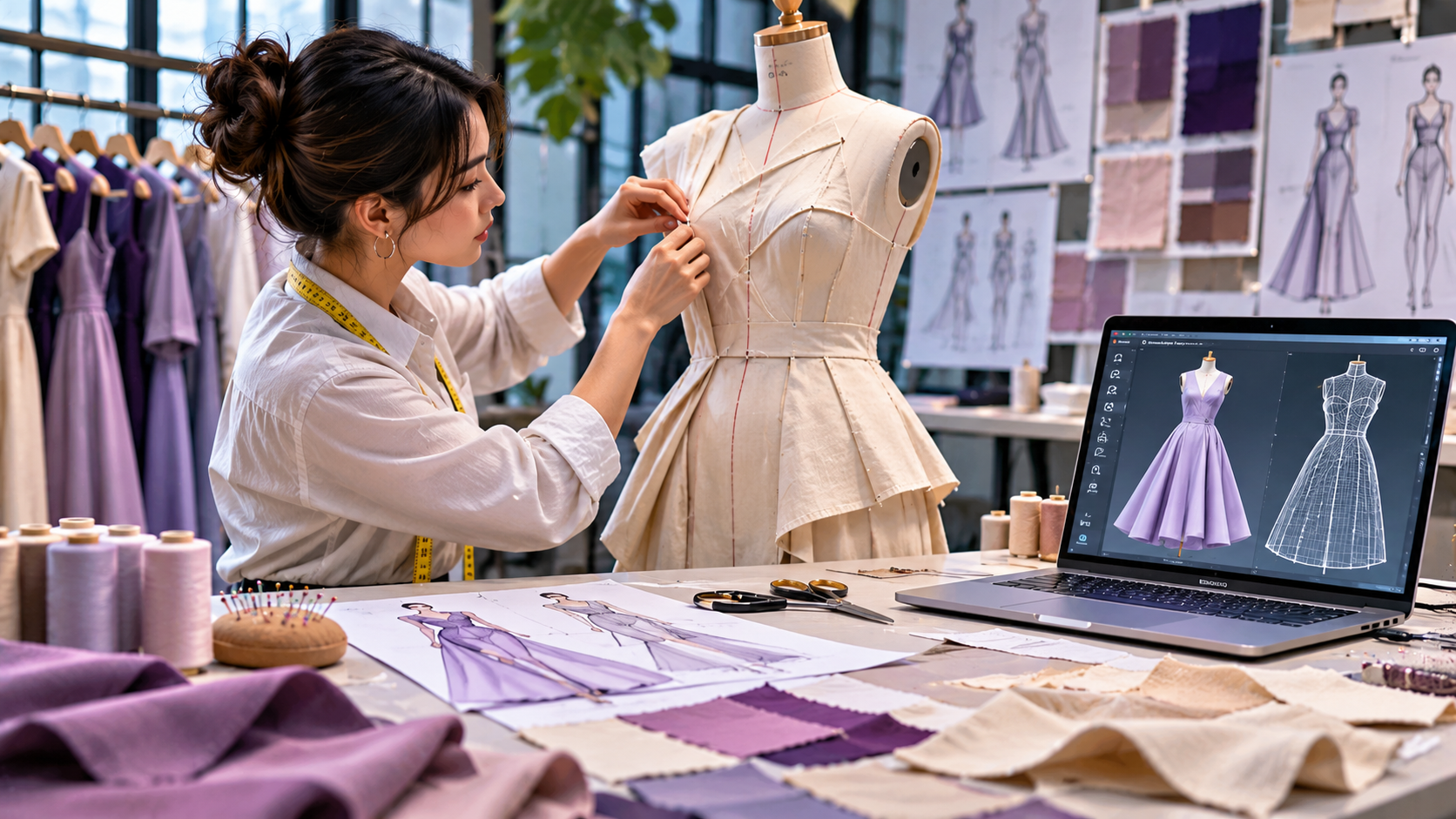
Kicking off with Fashion Sampling and Prototyping, this process plays a pivotal role in transforming creative ideas into tangible products. By exploring various sampling methods, designers can fine-tune their concepts, reduce costs, and streamline production timelines. This overview highlights the essential functions of fashion sampling, presenting it as a vital tool in the ever-evolving fashion landscape.
From traditional techniques like draping to modern 3D modeling, the world of prototyping is rich and diverse. Each method offers unique advantages and challenges, ultimately shaping how brands bring their visions to life. Understanding these nuances is key for anyone involved in fashion design, as it directly impacts product quality and market relevance.
The role of fashion sampling in the product development cycle
Fashion sampling serves as a critical bridge between design concepts and final products, enabling designers to visualize and refine their ideas before mass production. This initial step in the product development cycle not only brings creative visions to life but also helps in determining feasibility and marketability. By allowing designers to create prototypes, sampling facilitates rigorous testing, evaluation, and adjustment, ensuring that the final product aligns with both brand standards and consumer expectations.
Sampling plays a vital role in minimizing both time and costs associated with full production. By identifying potential issues early in the development process, fashion brands can avoid costly mistakes that arise from producing large quantities of flawed products. Additionally, this iterative process allows for quick adjustments in response to feedback, thereby streamlining the workflow. For instance, many successful brands utilize sampling to refine their offerings, such as Zara, which employs a rapid prototyping method to quickly respond to changing fashion trends, thus maintaining a competitive edge in the fast-paced market.
Cost Efficiency through Sampling
The financial implications of fashion sampling are significant, as it allows brands to allocate resources more effectively. Here are key points on how sampling contributes to cost efficiency:
- Reduced Waste: By producing smaller quantities of samples, brands can minimize excess materials and labor costs that come with overproduction.
- Early Problem Detection: Sampling enables brands to identify design flaws or production issues before full-scale manufacturing, saving potential rework costs.
- Market Testing: Samples can be used for focus groups or consumer testing, providing invaluable insights without the financial commitment of large production runs.
- Flexible Design Adjustments: Quick modifications to samples can lead to final products that better meet market demands, reducing the risk of unsold inventory.
“Sampling is not just a step in the process; it’s a strategic tool that enhances creativity while keeping costs in check.”
Brand Utilization of Sampling Techniques
Various fashion brands adopt innovative sampling techniques to refine their collections. The following examples illustrate how sampling contributes to their product development processes:
- Prototyping Labs: Brands like Nike have established dedicated prototyping labs where designers can experiment with materials, construction techniques, and styles, ensuring they achieve the desired aesthetics and functionality.
- Virtual Sampling: Companies such as Adidas use 3D digital sampling technology to create virtual prototypes, allowing for quicker iterations and reducing the need for physical samples.
- Collaborative Sampling: Brands like H&M collaborate with local artisans to create unique samples that reflect regional craftsmanship, enhancing their product diversity and appeal.
Through these methods, brands not only streamline their development cycles but also enhance their ability to meet consumer demands effectively, driving greater success in the competitive fashion industry.
Techniques utilized in fashion prototyping
Prototyping is a crucial step in the fashion design process, allowing designers to visualize their concepts and test designs before final production. Various techniques are employed to transform ideas into tangible samples, each with its unique strengths and weaknesses. Understanding these methods can significantly impact the efficiency and outcome of the design process.
Draping
Draping involves arranging fabric directly on a dress form to create a three-dimensional representation of a garment. This technique allows designers to experiment with fabric flow, texture, and silhouette without the need for a flat pattern.
- Advantages:
- Immediate visual feedback on design ideas.
- Flexibility to adjust shapes and proportions on the spot.
- Encourages creativity through tactile interaction with fabric.
- Disadvantages:
- Time-consuming compared to other methods.
- Requires a good understanding of fabric properties.
- The final pattern may need to be drafted separately, adding to the workload.
Flat Patterning
Flat patterning is a method where designers create a two-dimensional pattern based on body measurements. This technique is widely used in the industry to ensure accuracy and consistency in garment sizes.
- Advantages:
- Precision in fit due to the use of specific measurements.
- Easier to create variations and sizes of the same design.
- Compatible with digital pattern-making tools for efficiency.
- Disadvantages:
- Lacks the immediacy and creative expression of draping.
- Can be challenging for those without technical skills in pattern drafting.
- May require more revisions to achieve the desired look.
3D Modeling
3D modeling utilizes computer software to create virtual representations of garments. This technique allows designers to visualize how fabrics will behave in movement and light, offering insight before the physical prototyping stage.
- Advantages:
- Rapid iteration and modification of designs without physical materials.
- Ability to simulate fabric drape and fit accurately.
- Convenient for sharing designs with teams and stakeholders remotely.
- Disadvantages:
- Requires specialized software and training, which can be costly.
- May not capture the tactile qualities of fabrics accurately.
- Can lead to over-reliance on technology, potentially stifling creativity.
Technology and Tools in Prototyping
Various technologies and tools are available to streamline the fashion prototyping process. From advanced sewing machines to digital pattern-making software, these tools can enhance efficiency and creativity.
- CAD Software: Programs like Adobe Illustrator and Gerber AccuMark allow for precise pattern drafting and adjustments.
- Sewing Machines: High-tech sewing machines equipped with computerized systems can automate stitching for increased speed and accuracy.
- 3D Printing: This technology can produce detailed garment samples or accessories, allowing for quick iterations and experimentation.
- Virtual Reality: VR technology can simulate runway shows or fittings, providing an immersive experience for designers and clients.
The influence of fashion sampling on sustainability practices
Fashion sampling plays a crucial role in promoting sustainability within the fashion industry. By allowing designers to create prototypes and test materials before full production runs, sampling significantly reduces waste associated with overproduction and unsold inventory. This proactive approach not only minimizes environmental impact but also fosters a culture of responsibility among brands. As consumer awareness of sustainability increases, so does the importance of incorporating sustainable practices into fashion sampling.
Effective sampling techniques contribute to sustainability in several ways. Brands can now utilize digital sampling methods, which decrease the need for physical materials and samples, thus reducing the overall carbon footprint. For instance, 3D design software allows designers to visualize and modify their collections virtually, fostering creativity without the environmental costs associated with traditional sampling. By adopting these methods, brands are paving the way for a more sustainable future.
Ways brands are reducing waste through effective sampling techniques
To further illustrate how fashion sampling can minimize waste, several strategies have emerged in the industry. These methods not only contribute to sustainability but also enhance efficiency and cost-effectiveness.
- Digital Sampling: Brands now leverage digital tools to create virtual samples, allowing them to visualize designs without producing physical items. This drastically cuts down on material waste and resource consumption.
- Limited Production Runs: By producing smaller quantities of samples, brands can better gauge market interest, reducing the risk of overproduction and unnecessary waste.
- Recycled Materials: Many brands are making a conscious effort to use recycled fabrics and materials in their sampling processes, which helps to divert waste from landfills and reduce resource extraction.
- Sample Sales and Donations: Instead of discarding unsold samples, brands are increasingly opting to sell or donate them, ensuring that these items have a second life rather than contributing to waste.
Case studies of brands successfully implementing sustainable sampling methods
Numerous brands have successfully integrated sustainable sampling techniques into their practices, showcasing the positive impact of these strategies on both the environment and their business models.
Brands like Stella McCartney and Reformation exemplify the shift towards sustainable fashion practices through innovative sampling methods.
Stella McCartney has been a pioneer in the fashion industry, using eco-friendly materials and digital sampling techniques to minimize waste. Her brand embraces the philosophy of “buy less, choose well,” emphasizing quality over quantity.
Reformation, on the other hand, combines sustainable practices with trendy designs, utilizing a robust sampling process that emphasizes the use of sustainable materials. They have developed a system to track their environmental footprint, ensuring that every sample is produced with sustainability in mind.
These examples highlight the growing trend among brands to adopt sustainable sampling practices, proving that it is possible to innovate responsibly within the fashion industry. As more companies follow suit, the influence of fashion sampling on sustainability will continue to expand, paving the way for a more eco-conscious future.
The impact of consumer feedback on fashion prototyping
Consumer feedback has become a crucial element in the fashion prototyping process, driving brands to adapt their designs to better meet the expectations and desires of their target audience. In a rapidly evolving industry, understanding consumer preferences is not just beneficial but essential for success. This phase of development allows brands to eliminate the guesswork that has traditionally plagued fashion design, thereby fostering a more consumer-centric approach.
The incorporation of consumer feedback into the prototyping phase can significantly refine the design process. Feedback helps identify which elements resonate with consumers and which do not, allowing designers to make informed decisions on material choice, cuts, and overall aesthetics. By integrating this feedback, brands can move closer to producing items that are not only innovative but also commercially viable.
Methods for collecting and integrating consumer feedback
A variety of strategies can be employed to gather and utilize consumer insights effectively throughout the prototyping phase. These methods ensure that the feedback loop is both comprehensive and constructive, ultimately enhancing the final product.
- Surveys and Questionnaires: Brands often use surveys to gather large amounts of quantitative and qualitative data from consumers regarding their preferences. This method allows for a structured way to assess consumer sentiment before finalizing prototypes.
- Focus Groups: Engaging a select group of consumers in discussions about prototypes can yield valuable insights. This qualitative feedback helps designers understand the emotional responses to their designs.
- Social Media Engagement: Platforms like Instagram and Facebook allow brands to showcase prototypes and solicit direct feedback from followers. This real-time interaction can significantly influence design adjustments.
- Wear Testing: Some brands send prototypes to select customers for wear testing, allowing them to provide feedback on comfort, fit, and style. This firsthand experience can lead to important refinements before full-scale production.
Consumer feedback is not merely about gathering opinions; it is about integrating insights into the design ethos. Successful brands have demonstrated the power of adapting prototypes based on consumer feedback. For instance, Nike’s use of the Nike By You program allows customers to customize their shoes, significantly influencing design decisions and leading to increased customer satisfaction. Similarly, Zara utilizes customer sales data and feedback from store associates to quickly pivot its design strategies, ensuring that their collections align with current consumer demands.
In conclusion, the impact of consumer feedback on fashion prototyping cannot be overstated. By employing various methods to gather insights and embracing a culture of responsiveness, brands are better equipped to navigate the complexities of the fashion marketplace.
The relationship between fashion sampling and trend forecasting
Fashion sampling and trend forecasting are interlinked processes that significantly influence the fashion industry’s creative cycle. Sampling allows designers to experiment with concepts, materials, and styles, while trend forecasting provides insight into the evolving preferences of consumers. Together, they form a symbiotic relationship that helps brands stay relevant and appealing in a fast-paced market.
The intersection of fashion sampling and trend forecasting is crucial for designers aiming to align their collections with market demands. Designers utilize samples to test materials, shapes, and color palettes that resonate with current trends. This iterative process enables them to refine their ideas based on real-time feedback, ensuring that the final collection reflects what consumers desire. As designers create prototypes, they can gauge interest through focus groups, social media engagement, and direct consumer feedback, which informs their future design decisions.
Tools and resources for trend analysis through sampling
A variety of tools and resources assist designers in analyzing trends through sampling, providing essential data and insights that guide their creative processes. The following are key components in this analysis:
- Trend Forecasting Reports: Companies like WGSN and Trendstop offer comprehensive reports that Artikel upcoming trends, providing designers with a clear vision of market expectations.
- Social Media Analytics: Platforms like Instagram and Pinterest serve as real-time trend indicators, allowing designers to monitor consumer preferences and the popularity of specific styles or materials.
- Fashion Shows and Trade Fairs: Events such as New York Fashion Week or Premiere Vision present opportunities for designers to observe emerging trends and network with industry experts, reinforcing their understanding of market direction.
- Consumer Surveys and Focus Groups: Qualitative research tools enable designers to engage with their target audience, gathering insights that can shape their sampling and prototyping efforts.
Understanding the relationship between fashion sampling and trend forecasting allows designers to craft collections that are not only innovative but also closely aligned with consumer desires. By leveraging these tools and resources, brands can enhance their market relevance, ultimately leading to greater success and sustainability in the competitive landscape of fashion.
Challenges faced in the fashion sampling and prototyping process
The fashion industry is notorious for its fast pace and high expectations, where sampling and prototyping play crucial roles in bringing designs to life. However, various challenges can hinder the smooth execution of these processes. Understanding these hurdles and devising effective strategies to tackle them is essential for brands aiming to stay competitive and innovative.
One of the most significant challenges faced in the sampling and prototyping process includes limitations in budget, time, and resources. With the need to produce high-quality samples quickly, brands often find themselves constrained financially, leading to compromises in quality or creativity. Additionally, limited access to skilled labor or materials can further complicate the prototyping phase.
Common hurdles in sampling and prototyping
Various factors contribute to the challenges faced during sampling and prototyping in the fashion industry. Recognizing these hurdles is crucial for strategizing effective solutions. The following points detail some of these common obstacles:
- Budget Constraints: Many brands, especially startups, operate within tight financial limits. This often leads to prioritizing cost over quality, which can impact the final product significantly.
- Time Limitations: The fast-paced nature of fashion demands rapid turnaround times for samples, making it challenging to achieve the desired level of detail and quality.
- Resource Availability: Access to materials and skilled labor can be inconsistent, which can delay the prototyping process. Brands may struggle to find the right suppliers or artisans to meet their specific needs.
- Technology Integration: Embracing new technologies for sampling and prototyping requires investment and upskilling, which can be daunting for some brands.
- Communication Gaps: Miscommunication between designers, manufacturers, and suppliers often leads to discrepancies in samples, resulting in wasted time and resources.
The good news is that several strategies can be employed to overcome these challenges. For instance, brands can adopt a phased approach to sampling, where prototypes are gradually refined based on feedback. This not only spreads costs over time but also allows for adjustments without significant rework. Additionally, investing in digital sampling technologies can streamline the process, reducing the need for physical materials while speeding up turnaround times.
Real-world examples of brands navigating these obstacles include Nike, which utilizes advanced 3D design software to create digital prototypes, significantly cutting down on time and resources. Similarly, the brand Everlane has implemented a transparent pricing model that helps them manage budgets effectively while maintaining high production standards. By learning from these examples, other fashion brands can better equip themselves to tackle the challenges inherent in sampling and prototyping.
The future of fashion sampling and prototyping in a digital era
The fashion industry is on the brink of a significant transformation as digital technologies revolutionize traditional sampling and prototyping processes. This new era not only streamlines design workflows but also enhances sustainability and creativity, making the fashion design process more efficient and environmentally friendly.
Digital technology is radically changing how designers approach the sampling and prototyping phases of fashion development. Traditional methods often involve costly materials and extensive time commitments, which can lead to waste and inefficiencies. With the integration of 3D modeling software, designers can create accurate representations of their ideas in a virtual environment. This allows for rapid iteration and adjustments, minimizing the need for physical samples. Additionally, technologies such as AI-driven analytics can predict trends and consumer preferences, enabling designers to make data-informed decisions from the outset.
Virtual Sampling and Augmented Reality in Fashion Design
The rise of virtual sampling and augmented reality (AR) is set to reshape the design landscape fundamentally. Virtual sampling enables designers to produce lifelike digital prototypes without the need for physical materials, significantly reducing costs and environmental impact. AR further enhances the design process by allowing designers and clients to visualize garments in real-time, merging digital elements with the physical world.
The importance of these technologies can be highlighted through several key advancements:
- 3D Design Software: Tools like Clo3D and Browzwear allow designers to create detailed digital garments that can be viewed from multiple angles, facilitating a more comprehensive design experience.
- Augmented Reality Apps: Brands are increasingly adopting AR apps that let consumers “try on” clothing virtually using their smartphones, thus improving customer engagement and reducing return rates.
- Digital Showrooms: Fashion brands are leveraging virtual showrooms to showcase collections to buyers, enabling a global reach without the logistical challenges of physical travel.
The integration of virtual sampling and augmented reality is not just about technology; it’s about reimagining how fashion meets consumers in a digital-first world.
Emerging trends in fashion sampling and prototyping are shaping the industry’s future. The shift towards sustainable practices is influencing how materials are sourced, with designers opting for digital alternatives that require less waste. Moreover, the demand for personalization is driving the development of on-demand production models, where garments are tailored to individual specifications rather than mass-produced. This trend not only caters to consumers’ desires for unique products but also helps reduce overproduction and its environmental impact.
The convergence of digital technology with fashion sampling and prototyping opens an exciting chapter for the industry, fostering innovation while addressing crucial sustainability challenges.
Closure
In summary, Fashion Sampling and Prototyping is not just about creating samples; it’s about fostering innovation and sustainability in the fashion industry. With the ongoing integration of technology and consumer feedback, the future of fashion sampling promises to be more efficient and eco-friendly. As brands continue to navigate challenges and leverage new opportunities, the importance of these processes in shaping the industry cannot be overstated.
FAQ Guide
What is the primary purpose of fashion sampling?
The primary purpose of fashion sampling is to test and refine design concepts before full production, allowing designers to assess fit, materials, and overall aesthetics.
How does consumer feedback influence prototyping?
Consumer feedback is crucial in prototyping as it helps designers understand market preferences, leading to adjustments that enhance product appeal and functionality.
What are some common challenges in fashion sampling?
Common challenges include budget constraints, time limitations, and resource availability, which can hinder the sampling process.
How are brands implementing sustainable sampling methods?
Brands are adopting sustainable sampling methods by using eco-friendly materials, minimizing waste, and utilizing digital tools to reduce physical prototypes.
What role does technology play in fashion prototyping?
Technology enhances fashion prototyping by enabling virtual sampling and 3D modeling, which streamline the design process and reduce production time.