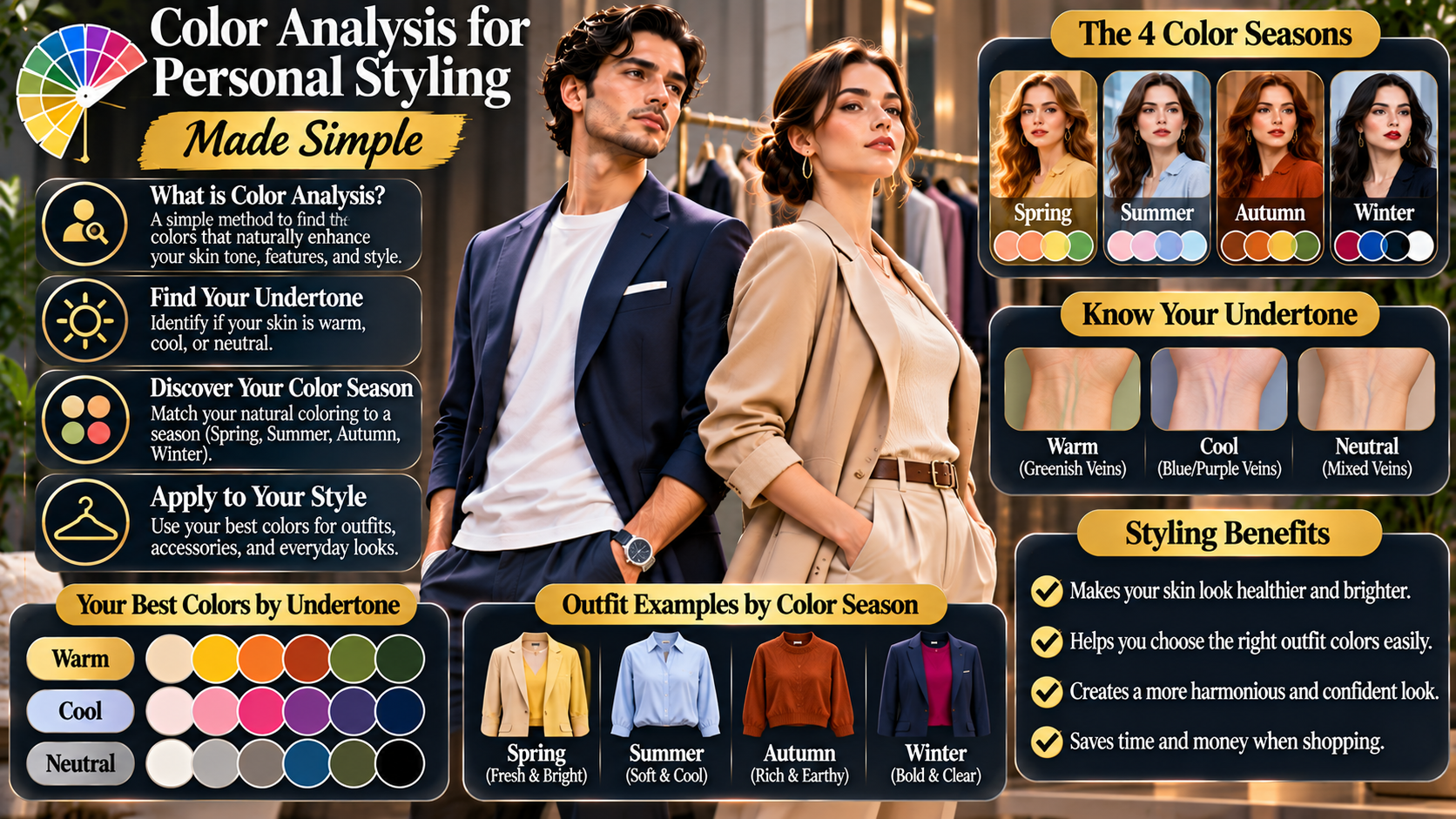
Color Analysis for Personal Styling is a fascinating journey into the world of hues, tones, and shades that can elevate your wardrobe and personal expression. Understanding the principles of color theory is essential, as it not only influences how you choose clothing but also impacts how others perceive you. By exploring the emotional and psychological effects of colors, you can make informed decisions that reflect your personality and style.
From seasonal color analysis to creating personalized color palettes, this guide will empower you with the knowledge to select colors that suit your complexion and enhance your overall look. Discover how accessories can play a pivotal role in your styling choices, and learn strategies to overcome common color-related challenges. With insights into cultural influences and future trends, you’ll be well-equipped to embrace color in a way that feels both authentic and stylish.
Understanding the Basics of Color Theory in Personal Styling
Color theory is an essential aspect of personal styling, serving as the foundation for how colors interact and complement each other. By understanding the principles of color theory, individuals can make informed choices about their wardrobe, leading to a more cohesive and appealing personal style. Color influences mood, perception, and even social interactions, making it a powerful tool in the realm of personal aesthetics.
At the core of color theory are the primary, secondary, and tertiary colors. Primary colors, which include red, blue, and yellow, cannot be created by mixing other colors. These colors serve as the building blocks for creating other hues. Secondary colors arise from mixing two primary colors; for instance, red and blue combine to create purple, blue and yellow create green, and red and yellow produce orange. Tertiary colors are formed by mixing a primary color with a secondary color, resulting in hues like red-orange or blue-green. The selection of these colors in styling can greatly impact an individual’s appearance; for instance, vibrant primary colors can create a bold statement, while soft pastels might convey a more relaxed vibe.
Color Harmonies and Their Application
Understanding color harmonies is crucial for achieving a balanced and aesthetically pleasing look. Color harmonies involve the arrangement of colors in a way that is visually appealing. Three main types of color schemes are commonly used in personal styling: complementary, analogous, and triadic.
– Complementary Colors: These colors are opposite each other on the color wheel, such as blue and orange or red and green. Using complementary colors can create a striking contrast that draws attention, making it ideal for outfits meant to stand out.
– Analogous Colors: These colors sit next to each other on the color wheel, like blue, blue-green, and green. Analogous color schemes tend to be harmonious and soothing, making them excellent choices for a cohesive look.
– Triadic Colors: This scheme involves three colors that are evenly spaced around the color wheel, such as red, yellow, and blue. Triadic color combinations are vibrant and lively, offering a playful and dynamic approach to styling.
Utilizing these color harmonies allows individuals to create outfits that not only reflect personal style but also enhance their overall appearance. Color theory is not just about what looks good; it is about using colors strategically to convey mood and personality effectively.
The Psychological Effects of Color Choices in Clothing
Colors are more than just visual stimuli; they carry psychological weight that influences our emotions, perceptions, and even interactions with others. When it comes to personal styling, the colors we choose to wear can dramatically affect how we feel about ourselves and how we are perceived by others. By understanding the psychological effects of different colors, we can make more informed choices in our wardrobe that align with our desired emotional states and social interactions.
The emotional response to color is rooted in personal experiences, cultural meanings, and psychological associations. For instance, colors have the power to evoke feelings ranging from calmness to excitement, and even aggression. Here’s a deeper look at how specific colors can influence emotions and perceptions:
Psychological Associations with Common Colors
Understanding the psychological impact of colors is crucial when selecting outfits. Each hue can elicit distinct emotional responses, which can be leveraged in personal styling. Below are common color associations that can guide your wardrobe choices:
- Blue: Often linked to calmness and tranquility, blue is a color that promotes a sense of trust and dependability. Wearing blue can create an impression of professionalism and stability, making it a popular choice for business attire.
- Red: Known for its boldness, red evokes strong emotions such as passion, energy, and urgency. This vibrant color can draw attention and create a sense of excitement, making it ideal for social events where you want to stand out.
- Green: Associated with nature, growth, and harmony, green has a soothing quality that can bring a sense of peace and balance. It’s a versatile color that can be worn in both casual and formal settings, promoting a positive and refreshing vibe.
- Yellow: Bright and cheerful, yellow is often linked to happiness and optimism. It can stimulate feelings of joy and creativity, making it a great choice for casual outings or when you want to uplift your mood.
When selecting colors, consider the emotional response you wish to evoke. For example, if aiming to project confidence and establish authority, incorporating blue or red into your outfit may be advantageous. Alternatively, if you wish to create a calming atmosphere, opt for greens or softer hues. This strategic approach to color can not only enhance your personal style but also positively influence your interactions and overall perception in social settings.
Seasonal Color Analysis and Its Application in Wardrobe Selection
Seasonal color analysis is a method used to determine which colors best complement an individual based on their unique coloring characteristics. This analysis categorizes people into four seasonal types—Winter, Summer, Autumn, and Spring—each associated with distinct color palettes. By recognizing personal color harmonies, individuals can enhance their style, making wardrobe selection more streamlined and effective.
In seasonal color analysis, the four seasonal types are characterized primarily by the interplay of skin tone, hair color, and eye color. Each season reflects specific color qualities that resonate with an individual’s natural features.
Categorizing Individuals into Seasonal Types
To determine an individual’s seasonal type, it’s essential to assess three main traits: skin tone, hair color, and eye color. Understanding these attributes allows for a more personalized approach to color selection.
– Winter: Winters have cool undertones with skin that can range from very fair to deep. Their hair is often dark, with shades like black, dark brown, or cool blondes. Eye colors typically include icy blue, cool green, or dark brown.
– Palette: Bright, bold colors like royal blue, emerald green, and crisp white.
– Summer: Summers feature cool undertones with a lighter complexion, often having soft or muted tones. Hair colors may include ash blonde, light to medium brown, and their eyes are usually blue, gray, or soft hazel.
– Palette: Soft pastels, lavender, and cool blues.
– Autumn: Individuals categorized as Autumn have warm undertones with golden or olive skin tones. Their hair tends to be red, auburn, or warm browns, and eye colors are rich and warm, such as hazel or green.
– Palette: Earthy tones like olive green, mustard yellow, and burnt orange.
– Spring: Springs have warm undertones with a fair or peachy complexion. Their hair is often golden blonde, light red, or strawberry blonde, and their eyes are bright and clear, often blue or green.
– Palette: Bright, cheerful colors like coral, peach, and turquoise.
By categorizing individuals into these seasonal types, they can curate a wardrobe that enhances their natural beauty and aligns with their personal style preferences. Choosing clothing that complements their seasonal palette not only improves their appearance but also boosts their confidence.
Creating a Personalized Color Palette for Individual Styling
Creating a personalized color palette is an essential step for anyone looking to enhance their wardrobe and overall style. A well-crafted color palette not only reflects your unique personality but also harmonizes with your natural features, making it easier to select clothing and accessories that truly resonate with you. This guide will walk you through a step-by-step process to develop your own color palette tailored to your preferences and lifestyle.
To create an effective personal color palette, it’s vital to consider your individual style, lifestyle, and color preferences. These elements work in synergy to help you choose colors that not only look great together but also align with who you are and how you live. Understanding the significance of these aspects lays the foundation for a cohesive and functional color palette.
Step-by-Step Guide to Creating Your Color Palette
Begin by assessing your personal style. Take the time to analyze what you currently wear and what resonates with you. Acknowledging your likes and dislikes will assist in curating a color palette that feels authentic.
Next, consider your lifestyle. Do you have a professional work environment requiring a specific dress code, or do you lean towards casual, relaxed attire? Your daily activities will guide the colors you should consider for your wardrobe.
The third step involves identifying your skin undertone, eye color, and hair color. This is crucial as certain colors will complement your natural features while others may not have the same positive effect.
Utilize the following methods to assess colors that complement your features effectively:
- Color Swatches: Use fabric swatches in various hues to hold up against your face in natural light. Notice which colors make your skin glow and which might wash you out.
- Personal Reflection: Take pictures wearing different colors and observe which shades enhance your overall appearance. This visual assessment can be quite enlightening.
- Professional Guidance: Consider a consultation with a stylist or color analyst who can provide expert advice tailored to you.
After gathering this information, narrow down your choices to a maximum of 12 core colors. Include a mix of neutrals, accent colors, and statement colors that can be easily interchanged. Finally, create a physical or digital board showcasing your selected colors, making it a handy reference when shopping or planning outfits.
“Your personalized color palette is not just about aesthetics; it’s about creating a wardrobe that feels like you.”
Integrating Color Analysis into Everyday Fashion Choices
Understanding color analysis is an essential step toward enhancing your personal style. By identifying your seasonal color palette, you can make informed decisions about your wardrobe that reflect your personality and complement your natural features. Integrating these principles into your daily fashion choices not only simplifies getting dressed but also ensures that you consistently look your best while feeling confident in your appearance.
When applying color analysis to outfit selection, it’s crucial to consider how colors interact and create a harmonious look. Begin by selecting a base color from your palette that flatters your skin tone, hair, and eyes. Then, build your outfit around this color by incorporating additional shades that either match or contrast effectively. For instance, if you’re wearing a navy top, you might pair it with light gray trousers and burgundy shoes, allowing the colors to complement each other without overpowering your overall appearance.
Mixing and Matching Colors for Cohesion
Mixing colors can be daunting, but when anchored in your color analysis, it becomes an exciting venture. Here are some strategies to ensure your looks remain cohesive:
- Use the 60-30-10 Rule: This classic interior design principle can be applied to fashion. Allocate 60% of your look to a dominant color, 30% to a secondary color, and 10% to an accent color. For example, if your dominant color is a soft blue dress, pair it with a light gray cardigan and vibrant yellow accessories.
- Stick to a Color Family: Choose colors that belong to the same family or share similar undertones. Pair warm colors like peach, coral, and soft red for a unified appearance, or cool shades like mint, turquoise, and lavender for a refreshing look.
- Utilize Patterns Wisely: Patterns can include multiple colors from your palette. For instance, a floral print featuring your chosen colors can serve as a standout piece while the rest of your outfit remains neutral, allowing the floral design to shine.
Adapting Color Choices for Various Occasions
Color choices can also vary depending on the occasion, and adapting your palette accordingly can enhance your overall presentation. For casual outings, lighter and brighter colors might be appropriate, conveying a relaxed and approachable vibe. In contrast, darker or more muted colors can be ideal for formal events, projecting sophistication and elegance.
- Casual Outings: Opt for lighter, cheerful colors like soft yellows or blues. These colors not only mirror the carefree nature of casual gatherings but also enhance your overall mood.
- Work Attire: Stick to professional shades such as navy, gray, or deep green for a polished look. Pair these with lighter pieces to create a balanced appearance that remains sophisticated.
- Formal Events: Choose classic colors like black, deep burgundy, or emerald green. These shades evoke elegance and can be complemented with metallic accessories for an elevated finish.
By integrating color analysis principles into your everyday fashion choices, you not only streamline your decision-making process but also enhance your style’s overall cohesiveness and adaptability.
The Role of Accessories in Enhancing Color Choices
Accessories play a vital role in personal styling, serving as the finishing touches that elevate an outfit and highlight the primary clothing colors. While clothing forms the foundation of any look, accessories can dramatically alter the visual impact of an ensemble. They allow individuals to express their personal style, add layers of interest, and even introduce new color dynamics without overwhelming the outfit. The right accessory can not only complement the main colors in your outfit but can also frame your overall appearance, accentuating your best features and harmonizing your look.
When selecting accessories, it’s essential to consider how they’ll interact with your chosen color palette. Accessories such as bags, shoes, and jewelry can either harmonize or create a striking contrast that enhances your primary colors. Here are some examples of how to make informed choices:
Choosing Accessories for Your Color Palette
Begin by identifying your dominant colors based on your color analysis. For instance, if you have a warm undertone, earthy tones such as browns, oranges, and greens may be your go-to colors. A deep burgundy handbag or a pair of mustard yellow shoes can perfectly complement a warm-toned outfit.
In contrast, cooler undertones may benefit from accessories in shades of blue, silver, or rich jewel tones like emerald or amethyst. For example, pairing a navy blue dress with a teal clutch can create a cohesive yet vibrant look that draws attention to your outfit without clashing.
Consider your jewelry choices as well. If you’re wearing a light and airy pastel outfit, opt for delicate gold or rose gold accessories that will harmonize with the overall softness of your look. On the other hand, if you’re donning a bold monochromatic outfit, statement jewelry in contrasting colors can add visual excitement.
To introduce pops of color into a neutral wardrobe, accessories are invaluable. Neutral outfits serve as a blank canvas, allowing brighter accessories to truly shine. For instance, a classic all-black ensemble can be energized with a bright red scarf or bold fuchsia heels. This approach not only adds interest but can also make the overall look feel more modern and fresh.
“Accessories are the exclamation point of a woman’s outfit.” – Mike Nichols
Additionally, scarves, hats, and belts are versatile accessories that can transform a look based on how they are styled. A patterned scarf can introduce multiple colors into your outfit, while a bold belt can cinch a silhouette and add a dash of personality.
Ultimately, accessories are more than just functional items; they are essential tools for enhancing color choices and elevating personal style. Embracing the right accessories allows anyone to create a unique and polished look that reflects their individuality.
Overcoming Color-Related Styling Challenges
Color can evoke emotions, convey messages, and even impact our confidence. However, navigating the realm of color in personal styling can sometimes be daunting. Many individuals face common challenges when selecting outfits that feature colors. By understanding these challenges and employing effective solutions, anyone can enhance their wardrobe and personal style. This section explores prevalent color dilemmas, offering practical tips and insights to empower you in your color choices.
Common Challenges in Choosing Colors for Outfits
Several challenges can arise when choosing colors for outfits, which can create uncertainty and frustration. Acknowledging these issues is the first step toward overcoming them.
- Clashing Colors: One of the most common challenges is pairing colors that simply don’t work together. This can lead to outfits that feel jarring or lack cohesion. The solution lies in understanding color theory, specifically the concept of complementary colors that can enhance each other rather than clash. For instance, blue and orange or red and green can create striking contrasts that are visually appealing.
- Overwhelming Patterns: Another challenge is incorporating patterns into your outfits. Bold patterns can dominate an outfit, making it difficult to incorporate other colors without overwhelming the viewer. A practical approach is to balance a patterned piece with solid colors that complement the colors within the pattern. This creates harmony and ensures that your outfit remains stylish without appearing chaotic.
- Personal Insecurities: Many individuals feel insecure about specific colors, often due to past experiences or societal influences. To address this, start with colors that you know you already enjoy and feel comfortable wearing. Gradually introduce new colors in small doses, such as accessories or layering pieces, to build confidence as you experiment.
Navigating color matching dilemmas can be simplified by understanding the principles of color coordination. Utilizing a color wheel can be particularly helpful in identifying harmonious combinations and avoiding clashes. Remember, the goal is to create an outfit that not only looks good but also makes you feel confident.
“Color is a power which directly influences the soul.” – Wassily Kandinsky
When it comes to personal insecurities related to color choices, it’s essential to embrace your unique style. Everyone has different tastes and preferences, and what looks great on one person may not resonate with another. Find inspiration in fashion icons or social media, but always remember to stay true to yourself. By gradually expanding your color palette and experimenting with different shades, you’ll soon discover the colors that enhance your personal styling journey.
The Impact of Cultural Factors on Color Preferences in Fashion
Color preferences in fashion are deeply intertwined with cultural backgrounds, shaping not only individual styles but also collective identities. Different cultures associate specific colors with various meanings, reflecting historical, social, and spiritual beliefs. As individuals navigate the world of personal styling, acknowledging these diverse color associations is crucial in crafting a look that resonates with their identity while respecting cultural significances.
Cultural perspectives on color can vary greatly and often carry significant weight in personal expression. For instance, in Western cultures, black is commonly associated with sophistication and formality, often seen in evening wear and business attire. However, in many Eastern cultures, black may symbolize mourning and loss. This disparity highlights the importance of understanding cultural contexts when selecting wardrobe colors. Additionally, colors like red can symbolize luck and prosperity in cultures such as Chinese, while in others, it might denote danger or caution.
Significance of Colors in Various Cultures
Colors hold unique meanings across different cultures, and it is essential to consider these meanings when developing a personal style. Here are some key insights into color significance in various cultures:
- Red: In China, red is a color of celebration and happiness, often worn during weddings and festivities. In contrast, in some African cultures, red can represent the struggle and sacrifice.
- White: Traditionally seen as a color of purity and peace in Western cultures, white is often worn at weddings. However, in many Asian cultures, white is associated with mourning and is worn at funerals.
- Green: This color symbolizes nature and fertility in many cultures. In Islamic cultures, green is considered sacred and represents paradise.
- Blue: In many cultures, blue is a calming color, often associated with tranquility. However, it can also signify sadness, as seen in the phrase “feeling blue.”
When creating a personal style, it is vital to respect these cultural nuances. For example, when dressing for a multicultural event, one might opt for colors that celebrate the occasion’s diversity rather than those that could unintentionally offend or misrepresent. Additionally, integrating personal favorite colors that also carry positive meanings in various cultures can help to forge a connection between individual identity and broader cultural narratives.
Personal stylists and fashion enthusiasts should strive to create wardrobes that are not only reflective of their preferences but also considerate of cultural significances. This approach not only enhances personal expression but also fosters mutual respect and understanding in a diverse society.
Future Trends in Color Usage for Personal Styling
The landscape of color usage in personal styling is evolving rapidly, influenced by cultural shifts, technology, and sustainability movements. As we look to the future, we can anticipate a palette that reflects not only individual preferences but also broader societal trends. Personal stylists and fashion enthusiasts alike must stay ahead of these trends to ensure that their wardrobes remain fresh and relevant.
Emerging trends indicate a growing preference for colors that convey a sense of calm and balance. Soft pastels, earthy tones, and muted shades are gaining traction as individuals seek comfort in their clothing choices. This shift can be attributed to the rising awareness of mental wellness and the desire for clothing that promotes a serene lifestyle. Shades like sage green, soft lavender, and warm beige are set to dominate wardrobes, offering versatility and a sense of connection to nature.
Influence of Technology and Social Media on Color Trends
The role of technology and social media in shaping color trends cannot be overstated. Platforms like Instagram, TikTok, and Pinterest are pivotal in the dissemination of color trends, where influencers and brands showcase vibrant palettes and styling tips. The immediacy of social media allows trends to emerge and evolve rapidly, as users share their interpretations in real-time.
Color forecasting technologies, such as those used by Pantone and other trend agencies, provide insights into upcoming colors based on social media analytics and market research. For instance, the 2023 Pantone Color of the Year was inspired by a desire for renewal and self-expression, highlighting the influence of collective sentiment on color choices.
Incorporating these trends into personal wardrobes requires a thoughtful approach. Here are practical strategies to adapt to new color trends:
– Assess Personal Palette: Determine which emerging colors resonate with your skin tone and personal style. This ensures that new additions complement existing pieces.
– Start Small: Introduce new colors through accessories or layering pieces, such as scarves, bags, or shoes, rather than overhauling your entire wardrobe.
– Mix and Match: Experiment with combinations of trendy colors and your staple pieces to create fresh looks while maintaining your unique style.
– Stay Informed: Follow fashion influencers, color forecasters, and trend reports to stay updated on the latest palette shifts, enabling informed choices for future purchases.
“Color is a power which directly influences the soul.” – Wassily Kandinsky
With an eye on these trends and a willingness to adapt, anyone can navigate the dynamic world of personal styling while remaining true to their individual expression.
Closing Summary
In conclusion, mastering color analysis is not just about choosing the right shades, but about understanding how those colors resonate with your identity and lifestyle. By integrating color analysis into your personal styling routine, you can create a unique aesthetic that stands out and reflects who you are. As fashion continues to evolve, staying informed about color trends will ensure that your wardrobe remains fresh, vibrant, and expressive.
Essential Questionnaire
What is color analysis?
Color analysis is the study of how different colors interact with individuals based on their skin tone, hair color, and eye color to identify the best shades for personal styling.
Why is color important in personal styling?
Colors can evoke emotions and perceptions, making them crucial in personal styling as they influence how you feel and how others perceive you.
How do I determine my seasonal color type?
Your seasonal color type can be determined by analyzing your natural features, such as your skin tone, hair color, and eye color, to categorize you into spring, summer, autumn, or winter.
Can I wear colors outside my seasonal palette?
Absolutely! While seasonal palettes offer guidance, personal style and preferences should take precedence, allowing you to experiment with colors that make you feel good.
How can I incorporate color analysis into my daily outfits?
Start by choosing a few key pieces in your best colors, then mix and match with neutral tones and accessories that complement those shades for a cohesive look.