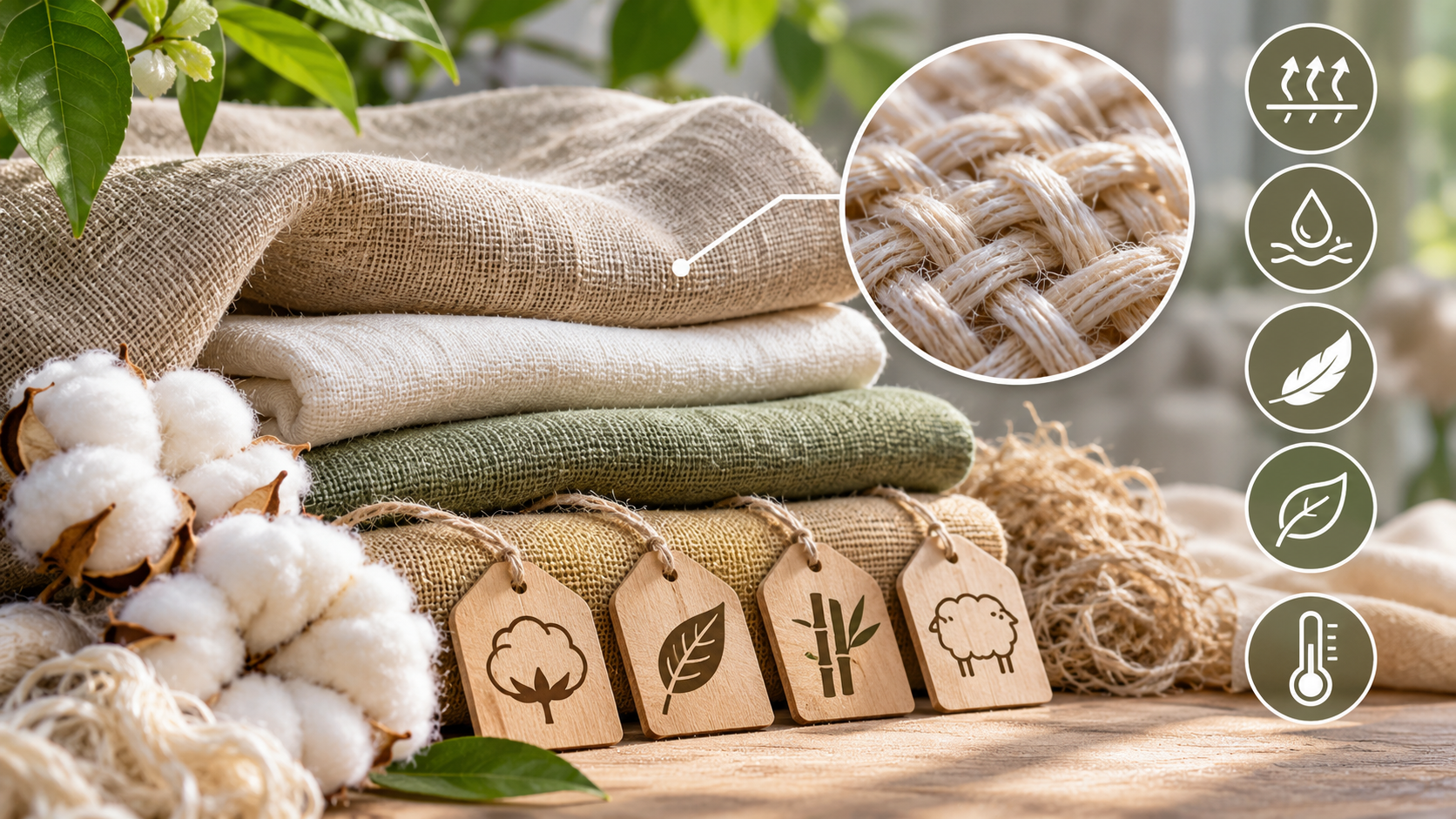
Natural Fiber Fabric Characteristics open the door to understanding the unique qualities that these materials bring to our everyday lives. From the soft touch of cotton to the luxurious feel of silk, natural fibers are not just fabric; they are a part of our environment, culture, and fashion. This exploration delves into the diverse types of natural fibers, their structural differences, and the environmental implications of their sourcing, providing a well-rounded view of why natural fabrics deserve a place in your wardrobe.
As we navigate through the durability, breathability, and aesthetic appeal of these fabrics, it becomes clear how they stand out against synthetic alternatives. Moreover, their sustainable nature positions them favorably in a world that is increasingly conscious about environmental impact, making natural fibers a smart choice for both consumers and designers alike.
Understanding the Composition of Natural Fiber Fabrics is essential for appreciating their unique qualities.
Natural fiber fabrics have gained recognition for their comfort, breathability, and eco-friendliness. Understanding their composition is crucial, as it reveals the distinct characteristics that make them appealing in the world of textiles. By exploring different types of natural fibers, their structural differences, and the environmental considerations tied to their sourcing, one can truly appreciate the value of these fabrics.
Main Types of Natural Fibers
Natural fibers can be broadly categorized into plant-based and animal-based fibers. Each type offers unique properties that influence fabric characteristics.
- Cotton: Sourced from the cotton plant, cotton fibers are soft, absorbent, and versatile. They are commonly used in clothing, home textiles, and industrial products due to their breathability and comfort.
- Linen: Derived from the flax plant, linen is known for its strength and durability. It has a natural luster and is highly breathable, making it ideal for warm weather clothing. Its moisture-wicking properties also help in regulating body temperature.
- Wool: Wool is obtained from sheep, and its crimped structure traps air, providing excellent insulation. It is naturally elastic, resistant to wrinkles, and has moisture-regulating capabilities, making it suitable for cold weather garments.
- Silk: Sourced from silkworms, silk is prized for its luxurious feel and natural sheen. Its smooth texture and ability to drape beautifully make it a popular choice for formal wear and high-end textiles.
Structural Differences and Fabric Properties
The structure of natural fibers significantly impacts their properties, affecting everything from durability to comfort. Understanding these structural differences can help in selecting the right fabric for specific applications.
Cotton fibers consist of flattened, spiral-shaped cells that contribute to their softness and absorbency. Linen fibers are longer and have a smoother surface, which enhances their strength and resistance to wrinkles. Wool fibers feature a scaly outer layer, giving them natural elasticity and warmth, while silk fibers have a smooth, lustrous surface that results in a delicate and luxurious feel.
These structural variations lead to different fabric behaviors, such as how they respond to moisture, heat, and wear. For instance, cotton and linen fabrics are highly breathable and ideal for summer wear, while wool and silk offer insulation and elegance for cooler temperatures and formal occasions.
Environmental Impact of Sourcing Natural Fibers
The environmental implications of sourcing natural fibers are becoming increasingly significant in today’s eco-conscious market. The cultivation and harvest of these fibers can lead to various environmental effects, which in turn influence their characteristics.
Cotton, while widely used, is often associated with high water consumption and the use of pesticides during cultivation. Sustainable cotton farming practices, such as organic farming, aim to minimize these impacts through reduced chemical use and crop rotation strategies.
Linen, on the other hand, requires less water and pesticides, making it a more sustainable option. The flax plant used to produce linen can grow in poor soil and is less resource-intensive. This sustainability is reflected in the fabric’s durability and lifecycle.
Wool production has its own set of challenges, including land usage and methane emissions from sheep. However, responsible farming practices, including regenerative grazing, can enhance soil health and reduce carbon footprints.
Silk production also raises environmental concerns, particularly regarding the use of water and energy in the sericulture process. Ethical silk farming practices focus on minimizing environmental impact and ensuring the welfare of silkworms.
Understanding these aspects not only sheds light on the unique characteristics of natural fiber fabrics but also emphasizes the importance of sustainable practices in the textile industry.
The Durability of Natural Fiber Fabrics compared to synthetic alternatives plays a significant role in their application.
Natural fiber fabrics, such as cotton, linen, and wool, have long been cherished for their unique qualities, including breathability, comfort, and aesthetic appeal. However, one of their most important characteristics is durability, especially when compared to synthetic alternatives like polyester and nylon. Understanding how these fabrics perform under various conditions is crucial for consumers and manufacturers alike, particularly in industries where longevity is paramount.
Natural fibers have inherent advantages when it comes to durability, but the comparison with synthetic fabrics is nuanced. While synthetic fabrics often boast higher tensile strength and resistance to wear and tear, natural fibers possess unique qualities that can make them equally robust in specific applications. For instance, cotton is renowned for its softness and comfort but may not match the tear strength of nylon. On the other hand, wool, with its natural elasticity and resilience, can outperform many synthetics in terms of wear resistance.
Comparison of Strength and Lifespan
When evaluating the strength and lifespan of natural versus synthetic fibers, it is essential to consider the specific context in which they are used. Each fiber type has its strengths and weaknesses based on its molecular structure and the environment it is subjected to. Below is an overview of various natural fibers compared to their synthetic counterparts:
- Cotton: While cotton has good tensile strength, it can weaken when wet. With proper care, however, cotton fabrics can last for many years, making them suitable for everyday clothing and home textiles.
- Linen: Linen is one of the strongest natural fibers and can withstand significant wear. Its lifespan is further extended by its resistance to mildew and insects, making it an excellent choice for summer garments and home furnishings.
- Wool: Wool is naturally resilient and resistant to wrinkling and soiling, which contributes to its durability. Its ability to retain warmth even when wet makes it ideal for outdoor apparel.
- Polyester: As a synthetic fabric, polyester is generally more resilient against abrasion and fading. However, it can retain odors, and its lifespan may be compromised by heat exposure.
- Nylon: Known for its high tensile strength, nylon outlasts many natural fibers in extreme conditions, making it popular for outdoor and performance gear.
Understanding the care and maintenance of natural fiber fabrics is essential for maximizing their durability over time. Proper washing methods, drying techniques, and storage conditions can significantly affect the lifespan of these materials. For instance, washing cotton in cold water and avoiding excessive heat when drying can prevent shrinking and fading, while wool should ideally be hand-washed or dry cleaned to maintain its integrity.
Specific Use Cases for Durability
Certain applications demand fabrics that can withstand rigorous use and environmental challenges. Natural fibers meet these demands in various sectors, including fashion, home textiles, and industrial applications. The following use cases highlight where the durability of natural fibers shines:
- Outdoor Apparel: Wool and linen are commonly used in outdoor clothing, providing warmth, moisture-wicking properties, and resistance to UV rays.
- Home Textiles: Products such as linen tablecloths and cotton bed linens benefit from natural fibers that can endure frequent washing while maintaining their form and color.
- Workwear: In industries requiring durable clothing, cotton duck and canvas fabrics are often utilized for their strength and ruggedness in demanding environments.
- Athletic Wear: While many athletic garments are synthetic, the use of merino wool in base layers offers excellent temperature regulation and durability for active individuals.
Natural Fiber Fabrics and their Breathability which is a critical feature for comfort in clothing.
Natural fiber fabrics are celebrated not only for their aesthetic appeal but also for their remarkable breathability. This characteristic plays an essential role in ensuring comfort, particularly in garments worn against the skin. Breathability in clothing supports airflow and moisture management, making it a vital feature in fashion, especially for those seeking comfort in various climate conditions.
Natural fibers such as cotton, linen, and wool possess inherent properties that facilitate air circulation and moisture absorption. Cotton, with its natural structure, allows air to flow easily through the fabric, while its ability to wick moisture away from the skin helps to keep the wearer dry. Linen, derived from the flax plant, has a unique weave that promotes ventilation, making it ideal for hot weather. Wool fibers, characterized by their crimped structure, create air pockets that provide insulation while also allowing moisture vapor to escape, thus maintaining comfort across different temperatures.
Breathability Enhances Comfort in Various Climates
Breathability is crucial for accommodating varying environmental conditions, enhancing the wearer’s comfort. Different climates pose unique challenges, and natural fibers excel in addressing them through their breathable qualities.
In tropical and warm climates, breathability prevents overheating and helps regulate body temperature. The lightweight nature of cotton and linen allows these fabrics to dry quickly and avoid the discomfort of sweat-soaked clothing. For example, a loose-fitting linen shirt offers both style and practicality, keeping the body cool and allowing for unobstructed air circulation.
In contrast, in colder climates, wool provides breathability while retaining warmth, making it an excellent choice for layering. Wool’s ability to manage moisture ensures that sweat does not lead to chills, thereby maintaining comfort during outdoor activities. A wool sweater or thermal base layer can keep a person warm without overheating, striking the perfect balance between insulation and breathability.
The importance of breathability extends beyond comfort and into fashion, influencing design choices and fabric selections.
Examples of Breathable Clothing Types
Certain clothing types benefit significantly from the breathability offered by natural fibers. These include:
– Activewear: Natural fiber blends in activewear provide moisture-wicking properties while allowing for movement and comfort.
– Summer Dresses and Shirts: Lightweight cotton and linen fabrics are preferred for summer attire due to their soft texture and breathability.
– Athletic Socks: Wool socks are favored for their ability to wick moisture and regulate temperature, making them ideal for outdoor sports.
– Underwear: Natural fibers like bamboo and cotton are often used in underwear for their softness and breathability, ensuring comfort throughout the day.
The choice of natural fiber fabrics in these garments underscores the importance of breathability in clothing design, ensuring that comfort and style coexist seamlessly.
Breathability in clothing not only enhances comfort but also plays a crucial role in overall garment performance, especially in varying climatic conditions.
The Sustainable Aspect of Natural Fiber Fabrics should be highlighted in today’s environmentally conscious market.
In a world that is becoming increasingly aware of the environmental impacts of consumer choices, natural fiber fabrics stand out as a beacon of sustainability. These materials not only offer a connection to nature but also embody practices that aim to reduce harm to the planet. The sustainable aspects of natural fibers, including their harvesting methods and carbon footprint, play a crucial role in their growing popularity among eco-conscious consumers.
Sustainable Harvesting and Processing of Natural Fibers
Sustainable harvesting and processing of natural fibers is vital for minimizing environmental degradation. Many natural fibers, such as organic cotton, hemp, and linen, are cultivated without synthetic pesticides or fertilizers, promoting a healthier ecosystem. The methods used in these processes typically include crop rotation and polyculture, which enhance soil fertility and biodiversity.
The processing of these fibers also reflects sustainability. For instance, the production of organic cotton involves the use of renewable resources and requires less water compared to conventional cotton farming. The spinning and weaving processes are often powered by renewable energy sources, further contributing to a reduced ecological footprint.
“Sustainable practices in the cultivation and processing of natural fibers help preserve ecosystems and reduce the carbon footprint of textile production.”
Natural Fibers and Carbon Footprint Reduction
Natural fibers are instrumental in reducing the carbon footprint compared to synthetic fibers, which are derived from petrochemicals. The production of synthetic fibers, such as polyester, results in significant greenhouse gas emissions and requires substantial energy consumption. In contrast, the life cycle of natural fibers tends to be less harmful.
For example, the cultivation of bamboo, which grows rapidly and requires minimal resources, leads to a significantly lower carbon output. Studies have shown that for every ton of bamboo produced, an equivalent of up to 30% of its weight in carbon dioxide is sequestered from the atmosphere, showing the potential of natural fibers to positively impact climate change.
Consumer Trends Favoring Sustainability
The consumer landscape is shifting dramatically towards sustainability, with more individuals prioritizing eco-friendly products in their purchasing decisions. This trend is reflected in the growing demand for natural fabrics, as consumers seek out materials that align with their values regarding environmental stewardship.
Market research indicates that brands emphasizing sustainable practices see increased loyalty and sales. In particular, a survey revealed that 66% of global consumers are willing to pay more for sustainable brands. This shift is influencing manufacturers to adopt more sustainable practices in their production processes, leading to a more significant overall impact on the textile industry.
As awareness of environmental issues grows, the demand for natural fiber fabrics is likely to continue rising, shaping the future of fashion and textile industries towards a more sustainable path.
Natural Fiber Fabrics’ Aesthetic Qualities contribute significantly to their popularity in fashion and design.
Natural fiber fabrics have long been celebrated for their unique aesthetic qualities that enhance their appeal in the realms of fashion and design. These materials, derived from natural sources such as plants and animals, not only offer comfort and breathability but also bring an array of visual and tactile attributes that elevate garments to a new level of sophistication. As designers increasingly prioritize sustainability, the allure of natural fibers is more pronounced than ever, captivating consumers who appreciate both beauty and eco-consciousness.
The texture, drape, and appearance of various natural fibers play a crucial role in their aesthetic appeal. For instance, cotton is renowned for its soft and smooth texture, making it a staple in casual wear, while linen’s slightly coarse feel lends a rustic charm to summer garments. Wool, with its unique crimp, provides warmth and a luxurious drape, ideal for tailored pieces. These textures not only influence the way a fabric feels against the skin but also affect how it falls on the body, creating silhouettes that can be both flattering and functional. In contrast to synthetic fabrics, which may often feel plastic-like or overly stiff, natural fibers exude a sense of warmth and authenticity that resonates with consumers.
Comparison of Visual Characteristics Between Natural and Synthetic Fibers
When it comes to color retention and dyeing potential, natural fibers often outshine their synthetic counterparts. Natural fibers such as silk and wool possess a unique ability to absorb dyes deeply, resulting in vibrant hues that maintain their intensity over time. This quality is particularly appealing for designers looking to create visually stunning and enduring pieces. In comparison, synthetic fibers may exhibit issues with color fading or lack the rich depth that natural fibers can achieve. The natural fibers’ inherent characteristics not only allow for a broader palette of colors but also enable the creation of unique prints that can enhance a garment’s overall aesthetic.
The following examples illustrate how some fashion designers and brands effectively utilize natural fibers to create remarkable collections:
- Stella McCartney: Known for her commitment to sustainability, McCartney often incorporates organic cotton, linen, and Tencel into her collections, creating pieces that are both stylish and environmentally friendly.
- Isabel Marant: This designer frequently uses natural fibers like cotton and wool, showcasing their textures in bohemian-inspired designs that emphasize a relaxed, chic aesthetic.
- Eileen Fisher: A brand synonymous with sustainable practices, Eileen Fisher employs natural fibers such as organic linen and wool to craft timeless garments that highlight simple designs enriched by the inherent beauty of the materials.
These designers exemplify how the aesthetic qualities of natural fibers can be harnessed to create visually stunning collections that resonate with consumers seeking both style and sustainability.
The Care and Maintenance Requirements of Natural Fiber Fabrics require attention to prolong their life.
Natural fiber fabrics, such as cotton, linen, wool, and silk, are cherished for their comfort and breathability. However, they require specific care and maintenance practices to ensure their longevity and maintain their aesthetic appeal. Knowing how to wash, dry, and store these fabrics properly can significantly increase their lifespan and preserve their unique characteristics.
The care and maintenance of natural fiber fabrics involve delicate handling to prevent damage while ensuring cleanliness. Each type of natural fiber has its own set of requirements based on its unique properties. By adhering to best practices for washing, drying, and storing these materials, you can protect your investment and enjoy your garments for years to come.
Best Practices for Washing, Drying, and Storing Natural Fiber Fabrics
Proper washing techniques are essential for maintaining the quality of natural fiber fabrics. Here are the best practices for each type:
- Cotton: Machine wash in cold water to prevent shrinking. Use a mild detergent and avoid bleach. Cotton can be tumble-dried on low heat but should be removed promptly to prevent wrinkling.
- Linen: Hand wash or machine wash on a gentle cycle with cold water. Linen should be air-dried to avoid stiffness. Iron while slightly damp to maintain its smooth texture.
- Wool: Hand washing is recommended using a wool-specific detergent. Lay flat to dry to prevent stretching. Never wring out wool; instead, gently press to remove excess water.
- Silk: Dry cleaning is often the best option for silk. If washing at home, use cold water and a mild detergent, then air-dry away from direct sunlight to prevent fading.
Storing natural fiber fabrics correctly is just as crucial as washing. Improper storage can lead to moth infestations or degradation of the fibers. Here are some effective storage tips:
- Store in a cool, dry place to avoid moisture buildup.
- Use breathable garment bags for longer-term storage to protect against dust and pests.
- Avoid hanging delicate fabrics like silk, as this can cause stretching. Instead, fold them neatly.
- For wool garments, consider using cedar blocks or lavender sachets to deter moths.
Neglecting proper care can have serious implications for the longevity and appearance of natural fiber fabrics. Over time, improper washing can lead to fading, shrinking, and even the breakdown of fibers, diminishing the garment’s usability. Additionally, not storing fabrics correctly can result in irreversible damage from pests or environmental factors.
To maintain and repair natural fiber garments effectively, consider the following tips:
- For small tears, use a needle and thread that matches the fabric color to stitch the tear closed gently.
- For fraying edges, you can apply a fray check solution or carefully trim the edges to prevent further fraying.
- Regularly inspect garments for signs of wear and handle minor repairs promptly to avoid larger issues.
- Wash garments only when necessary to preserve their fibers and color.
Implementing these care strategies ensures that your natural fiber fabrics remain in optimal condition, allowing you to enjoy their beauty and comfort for a long time.
The Versatility of Natural Fiber Fabrics across various applications beyond clothing is worth exploring.
Natural fiber fabrics are not only favored for their comfort and breathability in clothing but also for their remarkable versatility across a variety of industries. Their sustainability and eco-friendliness make them an attractive option for numerous applications beyond traditional garments. From home textiles to innovative technology, natural fibers are being utilized in creative and impactful ways.
The diverse applications of natural fiber fabrics extend into multiple sectors, showcasing their adaptability and functionality. Industries such as home textiles, interior design, and crafts are increasingly incorporating these materials. Natural fibers like cotton, linen, jute, and hemp are commonly found in products ranging from upholstery to rugs, offering aesthetic charm and durability. Their natural properties make them ideal for creating eco-friendly alternatives in everyday products.
Applications in Home Textiles and Accessories
Natural fiber fabrics play a significant role in the home textiles industry, contributing to sustainability while enhancing home aesthetics. Below are some common applications:
- Curtains and Drapes: Natural fibers provide excellent light filtration and insulation, making them popular choices for window treatments. Fabrics like linen and cotton lend a soft, elegant look to any room.
- Rugs and Carpets: Jute and sisal rugs are not only durable but also add a rustic touch to interiors. Their natural patterns fit well in various decor styles.
- Bedding: Products made from organic cotton or bamboo fibers are gaining popularity due to their softness and hypoallergenic properties, enhancing comfort during sleep.
- Table Linens: Natural fibers are commonly used in tablecloths and napkins, as they are easy to clean and provide an eco-friendly alternative to synthetic materials.
In addition to home textiles, artisans and manufacturers are creatively using natural fibers in modern design. The rise of sustainable fashion has prompted designers to explore innovative designs that resonate with eco-conscious consumers.
Innovative Uses of Natural Fibers in Technology and Eco-Friendly Products
Natural fibers are not restricted to conventional applications; they are increasingly being integrated into technology and eco-friendly products. This section highlights some cutting-edge uses:
- Biodegradable Composites: Natural fibers like hemp and flax are utilized in the production of biodegradable composites for automotive and aerospace industries, providing lightweight alternatives that reduce environmental impact.
- Insulation Materials: Natural fibers such as sheep wool and cotton are now being used in eco-friendly insulation solutions, offering excellent thermal performance and reducing energy consumption in buildings.
- Smart Textiles: Innovations in textiles have led to the incorporation of natural fibers in smart clothing that can monitor health metrics or enhance athletic performance while remaining eco-friendly.
- Eco-Friendly Packaging: Natural fibers are emerging as sustainable packaging options, providing biodegradable alternatives to plastic and reducing waste in the packaging industry.
The creative use of natural fibers by artisans showcases their potential in modern design. From handcrafted items to contemporary art pieces, these materials are allowing artists to express their vision while advocating for sustainability.
Examples of Artisans and Manufacturers Using Natural Fibers
Artisans around the world are reimagining traditional craft techniques with natural fibers. Here are a few noteworthy examples:
- Handwoven Textiles: Artisans in regions like Guatemala and India are known for their exquisite handwoven products made from cotton and silk, blending cultural heritage with modern design aesthetics.
- Eco-Friendly Fashion Brands: Brands like Reformation and Amour Vert are leading the charge in sustainable fashion, using fabrics derived from organic cotton, linen, and Tencel to create stylish yet environmentally friendly clothing.
- Upcycled Products: Many designers are now upcycling discarded natural fibers to create unique accessories and home goods, highlighting the importance of waste reduction in the fashion industry.
- Art Installations: Some contemporary artists are utilizing natural fibers to create large-scale installations that comment on sustainability and the relationship between humanity and nature.
As natural fiber fabrics continue to gain traction across different sectors, their potential impact on sustainability and design innovation grows exponentially. The creative possibilities are endless, making them an exciting area of exploration for both consumers and creators alike.
Epilogue
In conclusion, the characteristics of natural fiber fabrics reveal not only their practical benefits but also their role in promoting sustainability and aesthetic beauty in fashion. As we shift towards more eco-friendly choices, embracing the unique qualities of natural fibers can enhance our personal style while contributing positively to the planet. The versatility and charm of these fabrics ensure they will continue to inspire innovation and creativity across various industries.
Popular Questions
What are the main types of natural fibers?
The main types of natural fibers include cotton, linen, wool, and silk, each derived from different sources such as plants and animals.
How do natural fibers compare to synthetic fabrics in terms of durability?
Natural fibers often have varying degrees of durability, with some like wool being quite strong, whereas synthetic fabrics tend to outperform them in extreme wear conditions.
Are natural fiber fabrics breathable?
Yes, natural fiber fabrics are known for their breathability, allowing air circulation and moisture absorption, making them comfortable to wear in various climates.
How can I care for my natural fiber garments?
Best practices include gentle washing, air drying, and proper storage to maintain the fabric’s integrity and appearance.
What is the environmental impact of using natural fibers?
Sourcing natural fibers can be more sustainable compared to synthetic materials, as they are biodegradable and often involve less energy-intensive processes.