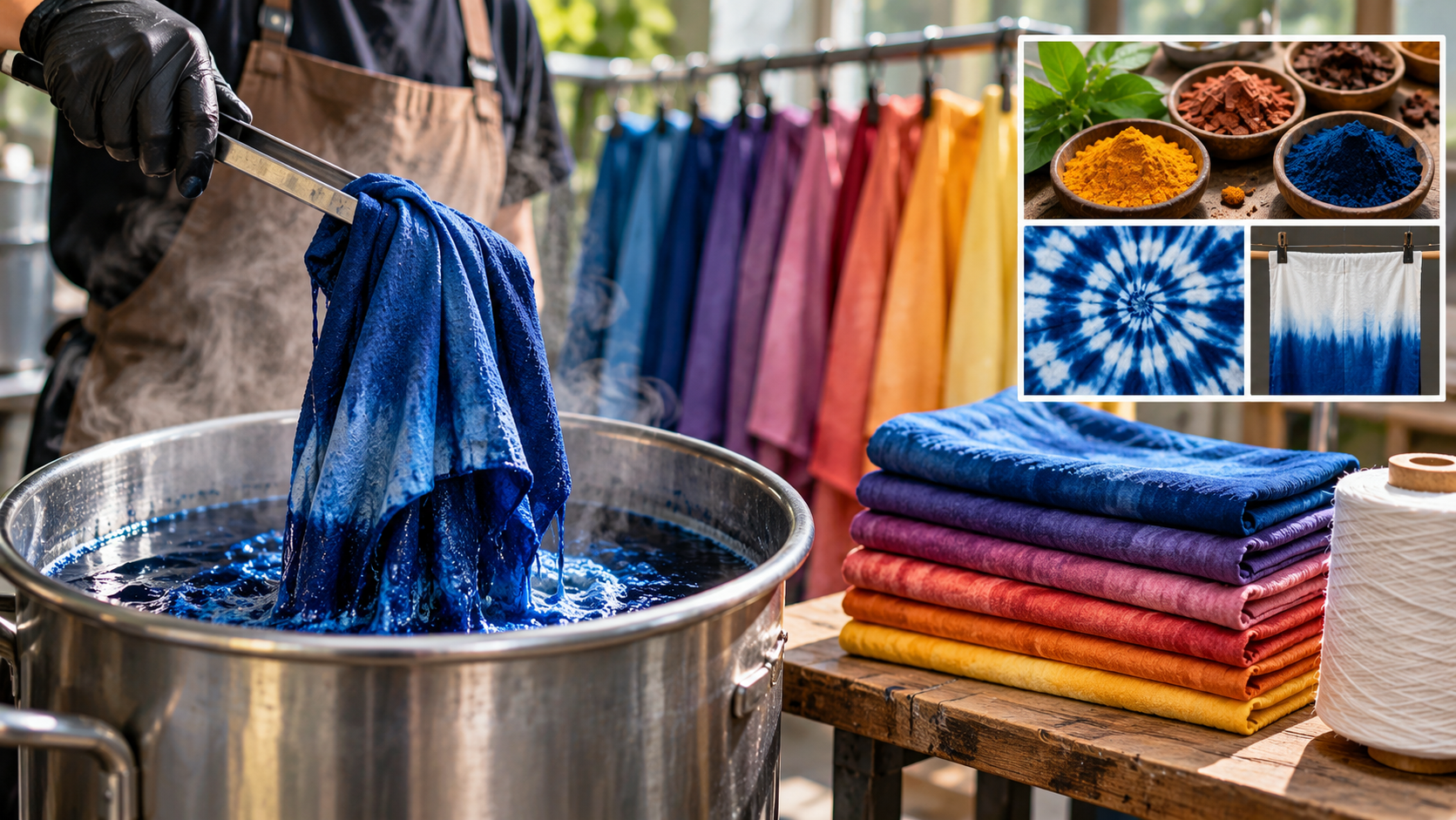
Textile Dyeing Methods and Applications are at the heart of the textile industry, bridging the gap between functionality and aesthetic appeal. As we delve into this vibrant world, we uncover how dyeing not only enhances fabrics but also influences fashion trends and consumer choices. From the rich history of natural dyeing techniques to the cutting-edge advancements in synthetic methods, the evolution of dyeing practices reflects a blend of tradition and innovation.
In our exploration, we will examine the significance of color in the textile market, the environmental implications of various dyeing processes, and the challenges faced by professionals in the field. By understanding these elements, we come to appreciate the critical role of dyeing in shaping brand identities and consumer perceptions.
Understanding the Importance of Textile Dyeing in Fashion and Industry
The textile dyeing process stands as a cornerstone of the fashion and textile industry, serving not only to add color to fabrics but also to enhance their appeal to consumers. Dyeing impacts not only the aesthetic quality of textiles but also contributes significantly to brand identity, consumer perception, and market trends. As fashion continuously evolves, understanding the role of dyeing becomes imperative for brands and consumers alike. This importance is reflected in how colors influence choices, creating a dynamic relationship between textile dyeing and consumer behavior.
The dyeing process allows for a broad spectrum of colors and patterns to be achieved, ultimately shaping the fashion landscape. Color trends are a driving force in fashion, dictating what is in style and what consumers desire. Various seasons and collections are often guided by color palettes that emerge from cultural influences, social movements, and innovations in dyeing technology. For instance, the Pantone Color Institute releases its Color of the Year, influencing designers and brands worldwide. This single decision can lead to shifts in production, consumer purchasing behavior, and even marketing strategies.
When it comes to consumer choices, the connection between color and brand identity is profound. Colors evoke emotions and associations that can significantly impact purchasing decisions. For example, warmer colors like red and orange can create a sense of urgency, while cooler tones like blue and green can evoke feelings of calmness and trust. This understanding is crucial for brands aiming to create a strong impression. A fashion label that consistently utilizes a specific color palette can develop a recognizable identity that resonates with consumers. This is why many luxury brands maintain a signature color to convey exclusivity and prestige.
Role of Color in Marketing
Color plays an instrumental role in marketing strategies, influencing consumer perceptions and brand recognition. The psychology of color is a well-studied field that highlights how different hues can affect emotions and behavior. Brands utilize this knowledge to craft their imagery, packaging, and overall branding. The following points illustrate the importance of color in marketing:
- Emotional Resonance: Different colors evoke distinct emotions. For instance, yellow often signifies optimism and happiness, while black conveys sophistication and elegance. Brands align their color choices with the emotions they wish to evoke in their target audience.
- Brand Recognition: Consistent use of specific colors can create strong brand recognition. Brands like Coca-Cola and McDonald’s are instantly recognizable due to their signature color schemes.
- Market Differentiation: In a crowded marketplace, color can set a product apart from competitors. A unique color can make a brand stand out and be memorable to consumers.
- Target Audience Appeal: Different demographics may be drawn to different colors. Understanding the preferences of target consumers allows brands to tailor their color strategies effectively.
- Product Positioning: Color can help position products within the market. For instance, pastel colors might appeal to a younger audience seeking whimsy, while deep, rich hues might attract a more mature demographic valuing sophistication.
Marketing campaigns often leverage color to elicit responses, whether it be through advertising, social media, or in-store displays. The right color scheme can attract attention, convey messages, and ultimately drive sales. This interplay between dyeing processes and consumer choices illustrates the vital importance of understanding color dynamics in the textile industry.
Explore Natural Dyeing Techniques Used Throughout History
Natural dyeing techniques have been an integral part of textile production for centuries. These methods harness the rich colors found in nature, contributing not only to the vibrant hues of fabrics but also to the cultural heritage of various civilizations. From ancient cultures to modern artisans, natural dyeing remains a testament to human creativity and sustainability. This exploration delves into the sources of natural dyes, the historical practices surrounding them, and their relevance in today’s environmentally conscious world.
Natural dyes are derived from a variety of sources, primarily plants, insects, and minerals. The plant kingdom offers a vast array of dye sources, including roots, leaves, flowers, and fruits. Common examples include indigo from the Indigofera plant, madder root for red hues, and turmeric for a vibrant yellow. Insects, most notably cochineal, provide rich crimson dyes and have been historically significant, especially in regions like Central and South America. Mineral dyes, such as ochre, yield earthy tones and have been utilized since prehistoric times. The variety of these sources not only reflects the diversity of color achievable but also the adaptability of cultures in using their natural surroundings for artistic expression.
The historical context of natural dyeing is profound, with evidence found in ancient civilizations such as Egypt, China, and India, where textiles were dyed for both practical and ceremonial purposes. For instance, the use of indigo in ancient Egypt is well-documented, and its significance in social status is reflected in historical texts. In India, the tradition of block printing with natural dyes remains a vibrant cultural practice, signifying a blend of artistry and heritage. The significance of these techniques extends beyond mere aesthetics; they often encapsulate local customs, beliefs, and identities, serving as a narrative of a community’s history.
Comparing natural dyeing to synthetic methods reveals stark differences in environmental impact and sustainability. While synthetic dyes offer a wide range of vibrant colors and consistency, they often come with significant ecological costs, including water pollution and reliance on petroleum-based products. On the other hand, natural dyes are biodegradable and non-toxic, making them a safer choice for both the environment and the end consumer. Furthermore, the resurgence of interest in sustainable fashion has led many designers and brands to revisit natural dyeing methods. This shift not only supports eco-friendly practices but also revives traditional skills that might otherwise be lost.
In summary, the exploration of natural dyeing techniques illustrates a rich historical tapestry woven through cultural significance and environmental consciousness. The journey from ancient practices to modern applications showcases humanity’s enduring relationship with nature and the continuous pursuit of sustainable beauty in textiles.
Analyze Modern Synthetic Dyeing Methods and Their Applications
Modern synthetic dyeing methods have revolutionized the textile industry, enabling vibrant colors and consistent quality that are difficult to achieve with natural dyes. These methods are characterized by their efficiency, versatility, and environmental adaptability, making them a popular choice for manufacturers. By understanding the various synthetic dyeing processes such as reactive, disperse, and acid dyeing, we can appreciate their diverse applications and advantages over traditional dyeing techniques.
Synthetic dyeing technology primarily involves the use of chemical compounds that bond with textile fibers through various mechanisms. Reactive dyeing, for instance, utilizes dyes that form covalent bonds with the fiber, resulting in excellent wash and light fastness. Disperse dyeing employs non-ionic dyes that disperse in water and require high temperatures to fix onto synthetic fibers like polyester. Acid dyeing, on the other hand, is typically used for protein fibers such as wool and silk, where dyes bond via ionic interactions.
The advantages of synthetic dyeing over natural methods are numerous. Firstly, synthetic dyes offer a broader spectrum of colors and shades that are often more vibrant and long-lasting. They can be produced consistently, ensuring uniformity across large batches of fabric, which is crucial for industrial production. Additionally, synthetic dyes are less affected by environmental factors such as pH and temperature, providing more control during the dyeing process. Furthermore, they often require less water and lower amounts of dyeing agents, contributing to improved environmental sustainability compared to some natural dye processes.
The applications of synthetic dyes span a wide array of textiles and industries. They are extensively used in fashion apparel, home textiles, automotive upholstery, and technical textiles. For instance, the sportswear industry relies heavily on synthetic dyes for their moisture-wicking properties and color retention after multiple washes. In the home textiles sector, synthetic dyes are favored for their durability, making them ideal for bed linens, curtains, and upholstery. Additionally, innovative applications extend to medical textiles, where specific dyes are used for antimicrobial properties.
- Fashion and Apparel: Synthetic dyes provide vibrant colors and consistent quality for garments.
- Home Textiles: Used for curtains, upholstery, and bedding due to durability and colorfastness.
- Automotive: Upholstery and interior textiles utilize synthetic dyeing for wear resistance and aesthetic appeal.
- Technical Textiles: Specialized applications in industries like medical textiles where functionality is essential.
In summary, the modern synthetic dyeing methods represent a significant advancement in the textile industry, providing a level of versatility and efficiency that supports a wide range of applications.
Discuss Innovative Dyeing Technologies Transforming the Industry
The dyeing industry is undergoing a remarkable transformation thanks to innovative technologies that not only enhance production efficiency but also promote sustainability. Advances such as digital printing and eco-friendly dyeing methods are reshaping traditional practices, offering solutions that reduce environmental impact and improve the quality of textile products.
The emergence of digital printing is revolutionizing the dyeing process, allowing for high-quality designs to be printed directly onto fabric. This technology eliminates the need for extensive pre-treatment and post-treatment processes, significantly reducing water and chemical usage. Traditional dyeing methods often involve large quantities of water—estimated at about 80-100 liters per kilogram of fabric—while digital printing can use as little as 2-5 liters per kilogram. Moreover, digital printing allows for on-demand production, which minimizes overproduction and thus reduces waste.
Advancements in Eco-Friendly Dyeing Technologies
Eco-friendly dyeing technologies are gaining traction as manufacturers seek sustainable alternatives to conventional practices. These methods utilize natural or less harmful materials, which contribute to a significantly lower environmental footprint. Notable advancements include:
- Natural Dyes: Derived from plants, minerals, and insects, natural dyes are biodegradable and non-toxic. Brands like H&M and Stella McCartney are incorporating these dyes into their collections, promoting a return to traditional dyeing practices that respect both the environment and human health.
- Waterless Dyeing: Technologies such as AirDye and DyeCoo use air or supercritical carbon dioxide instead of water to transport dye. These methods not only eliminate water use but also reduce energy consumption and chemical waste, showcasing a significant leap toward sustainable textile production.
- Recycling Waste Dyes: Innovative systems are being developed to treat and recycle dyeing wastewater, transforming it into reusable resources. Companies like ColorZen are utilizing advanced filtration systems to capture and recycle dyes from water, effectively closing the loop in the dyeing process.
These advancements in dyeing technologies are not just trends but necessary steps toward a more sustainable textile industry. The industry’s shift towards eco-friendliness has also influenced consumer behavior. Modern consumers increasingly prefer brands that prioritize sustainability, leading to a growing market for products made with innovative dyeing practices.
Future trends suggest a continued integration of advanced technologies that will further enhance dyeing processes. For instance, the development of AI-driven dyeing machines is on the horizon. These machines can predict optimal dye formulations based on fabric type and desired color, significantly reducing material waste. Furthermore, the use of blockchain technology to trace the entire dyeing process ensures transparency and accountability, fostering consumer trust.
As the industry adapts to these technological advancements, the potential for reducing the environmental impact of dyeing is substantial. With a focus on sustainability, the future of dyeing technology points toward a balance between creativity and eco-consciousness—a critical path for the textile industry as it navigates the challenges of the 21st century.
“The integration of innovative dyeing technologies is not just a trend but a necessary evolution for a sustainable future in textile production.”
Examine the Environmental Aspects of Dyeing Processes
Textile dyeing is an essential part of fabric production, but it comes with significant environmental challenges. Traditional dyeing methods often rely on toxic chemicals and excessive water use, leading to pollution and waste issues. As awareness of these environmental impacts grows, the fashion and textile industries are prompted to seek more sustainable practices that minimize harm to our planet.
Environmental Challenges of Traditional Dyeing Methods
The dyeing process in textiles can lead to serious environmental problems, particularly concerning water pollution and chemical waste. Traditional dyeing processes frequently utilize large volumes of water, which can lead to depletion of local water resources. Moreover, the effluents released from dyeing facilities often contain harmful substances such as heavy metals, dyes, and other toxic chemicals. These pollutants can contaminate waterways, leading to detrimental effects on aquatic life and human health. For instance, in many developing countries, untreated wastewater from dyeing units is discharged into rivers, harming ecosystems and communities that rely on these water sources for drinking and irrigation.
Incorporating sustainable practices into textile dyeing is crucial for reducing these negative impacts. The importance of sustainability in textile production cannot be overstated, as it directly contributes to protecting our environment. Sustainable dyeing methods often involve the use of natural dyes derived from plant sources, which are biodegradable and less harmful compared to synthetic alternatives. Additionally, water-saving technologies, such as air dyeing and digital printing, can significantly reduce water consumption. Implementing these practices not only helps conserve resources but also promotes a cleaner production process.
To mitigate the environmental impact of dyeing in textile production, various steps can be taken:
- Adoption of eco-friendly dyes: Switching to natural dyes or low-impact synthetic dyes can significantly reduce the toxicity of wastewater.
- Water recycling systems: Implementing closed-loop water systems allows for the reuse of water in the dyeing process, thereby decreasing overall water consumption.
- Effluent treatment plants: Investing in modern effluent treatment facilities can help in treating wastewater to remove harmful substances before it is released into the environment.
- Awareness and training: Educating workers and stakeholders about sustainable practices ensures that environmental considerations are integrated throughout the production process.
- Collaboration with suppliers: Partnering with suppliers who prioritize sustainability can enhance the overall impact of eco-friendly initiatives.
For instance, the use of enzymatic processes in dyeing has emerged as an effective method that reduces chemical use and enhances biodegradability. These innovative approaches not only help in lessening the environmental burden but also improve the quality and durability of the dyed fabrics.
By prioritizing sustainability in textile dyeing, the industry can contribute to environmental conservation and create a more responsible production cycle that benefits consumers, businesses, and the planet alike.
Insights into Dyeing for Specialty Textiles and Applications
Dyeing for specialty textiles encompasses a range of techniques tailored to meet the specific requirements of various applications. These textiles, including upholstery, sportswear, and technical fabrics, present distinct challenges and demands that necessitate specialized approaches to dyeing. Each category not only requires unique dyeing methods but also calls for an understanding of the fabric’s properties, end-use, and durability standards.
Dyeing Techniques for Specialty Textiles
The dyeing techniques employed for specialty textiles can significantly differ based on their intended applications. Upholstery fabrics, often made from heavier materials such as canvas or polyester blends, require deep penetration of colorants to ensure lasting vibrancy while maintaining durability against wear and tear. Techniques such as piece dyeing and solution dyeing are commonly utilized, as they provide uniform color throughout the fabric. Moreover, the finishing processes often involve stain resistance treatments to enhance longevity.
In contrast, sportswear fabrics are typically lightweight and designed for moisture management, necessitating dyeing methods that do not compromise functional properties. Reactive dyeing and disperse dyeing are prevalent in this segment, as these dyes can effectively bond with synthetic fibers like nylon and polyester. However, the challenge lies in maintaining breathability and elasticity, which requires careful consideration of dyeing temperatures and chemical compositions.
Technical fabrics, such as those used in outdoor gear and protective clothing, face even more stringent requirements. These textiles often incorporate special coatings for waterproofing or flame resistance. Therefore, the dyeing process must be compatible with these coatings, ensuring they do not lose their functional properties. The use of low-impact dyes and environmentally friendly processes is increasingly important in this sector, reflecting a growing trend towards sustainability.
Innovative applications of dyeing techniques in niche markets are becoming more significant as consumer preferences evolve. For instance, the rise of smart textiles has led to the development of dyes that can change color in response to environmental stimuli, such as temperature or light. This innovation is particularly relevant in athletic wear, where visual cues can provide functional benefits, such as indicating hydration levels or performance metrics.
Another example is the use of digital printing technology, which allows for intricate patterns and designs that traditional dyeing methods cannot replicate. This technique is finding its way into the upholstery market, where customization and personalization are growing demands among consumers. By leveraging these advancements, manufacturers can offer products that not only meet aesthetic preferences but also satisfy functional needs.
Overall, dyeing specialty textiles requires a comprehensive understanding of various factors, including material composition, intended use, and emerging trends. As industries continue to innovate, the dyeing process will undoubtedly evolve, offering new possibilities for enhancing both the appearance and performance of specialty textiles.
Create a Comprehensive Guide to Dyeing Procedures for Different Fabrics
Dyeing fabrics is an art and science that varies significantly depending on the material at hand. Understanding the specific procedures for different fabric types not only enhances the aesthetic appeal but also maintains fabric integrity. This guide Artikels the preparation, dyeing, and post-dyeing processes tailored for cotton, wool, and synthetic blends.
Cotton Dyeing Procedure
Cotton is a popular and versatile fabric that readily absorbs dye, making it ideal for vibrant colors. The process begins with preparation, which includes washing the fabric to remove any impurities or finishes that could interfere with dye absorption.
1. Preparation:
– Wash the fabric in hot water with detergent.
– Rinse thoroughly and allow it to dry completely.
2. Dyeing Method:
– Use reactive dyes for the best results, as they bond well with cotton.
– Dissolve the dye in hot water and add a fixative like sodium carbonate.
– Immerse the fabric in the dye bath, stirring continuously for even coloring.
3. Post-Dyeing:
– Rinse the fabric under cold water until it runs clear.
– Wash again with a mild detergent and allow it to air dry.
Wool Dyeing Procedure
Wool requires special attention due to its protein structure, which can be sensitive to heat and agitation. The dyeing process for wool involves using acid dyes, which work best with this type of fabric.
1. Preparation:
– Soak the wool fabric in lukewarm water to relax the fibers.
– Avoid using soap, as it can cause felting.
2. Dyeing Method:
– Dissolve acid dye in hot water, ensuring it’s fully mixed.
– Slowly add the fabric to the dye bath, maintaining a constant temperature (around 85°C).
– Stir gently and consistently to avoid felting.
3. Post-Dyeing:
– Rinse in cold water until the water runs clear.
– Wash with a wool-friendly detergent and dry flat to maintain shape.
Synthetic Blend Dyeing Procedure
Dyeing synthetic fabrics can be challenging due to their resistance to dye absorption. However, using disperse dyes can yield satisfying results.
1. Preparation:
– Pre-wash the fabric to remove any finishes that could inhibit dye uptake.
– Ensure the fabric is damp before dyeing.
2. Dyeing Method:
– Disperse dyes should be used with hot water and a wetting agent.
– The fabric can be dyed in a dyeing machine or a pot, maintaining a temperature of around 130°C for optimal dyeing.
3. Post-Dyeing:
– Rinse with cold water to remove any excess dye.
– Wash in a gentle detergent and dry away from direct sunlight to prevent fading.
| Fabric Type | Optimal Dye Type | Dyeing Method |
|---|---|---|
| Cotton | Reactive Dyes | Hot Dye Bath |
| Wool | Acid Dyes | Hot Dye Bath |
| Synthetic Blends | Disperse Dyes | High Temperature Dyeing |
Demonstrate the Role of Color Theory in Textile Dyeing
Color theory is a fundamental aspect of textile dyeing that influences not only the aesthetics of fabrics but also the emotional connections that individuals have with colors. Understanding how colors interact, blend, and contrast can lead to more effective dyeing practices and innovative designs. This theory encompasses the color wheel, primary, secondary, and tertiary colors, as well as the concepts of hue, saturation, and brightness. By applying these principles, textile designers can create appealing, harmonious color combinations that resonate with consumers on a deeper level.
The emotional and psychological effects of color choices in textiles are profound and can significantly impact consumer behavior. Colors evoke feelings, convey messages, and influence perceptions, making them essential in fashion and textile applications. For instance, warm colors like red and orange are often associated with energy, passion, and excitement, while cooler colors such as blue and green evoke calmness, relaxation, and tranquility. Designers tap into these associations to evoke certain emotions and attitudes in their target audience.
When selecting color schemes for textiles, it is crucial to consider the cultural context and the psychological implications of color. For example, in Western cultures, white is often associated with purity and new beginnings, making it a popular choice for weddings. In contrast, in some Eastern cultures, white is linked to mourning and loss. Thus, color perception can vary significantly across different societies, influencing the success of a product in the market.
Popular color combinations can be observed across various fashion trends, reflecting both seasonal preferences and cultural influences. Currently, several color pairings are making waves in the textile industry:
Popular Color Combinations and Applications
The selection of color combinations in textiles not only showcases creativity but also aligns with current fashion trends. Here are some noteworthy combinations:
- Pastel Palettes: Soft hues like lavender, mint green, and baby pink are trending, particularly in spring collections. These colors evoke feelings of serenity and freshness, making them ideal for lighter fabrics used in casual wear.
- Bold Contrasts: Pairing bright colors, such as electric blue with neon yellow, creates a striking visual impact. This combination is often seen in streetwear, appealing to a younger audience looking for vibrant and playful styles.
- Earthy Tones: Colors like terracotta, olive green, and mustard yellow reflect the natural world and are gaining popularity in sustainable fashion lines. These hues resonate with eco-conscious consumers who value organic materials and earthy aesthetics.
- Monochromatic Schemes: Using various shades of a single color, such as different tones of blue, creates a cohesive look that is both sophisticated and versatile. This trend is commonly used in professional attire, allowing for subtle elegance.
- Black and White: The classic combination of black and white is timeless and remains a staple in formal wear and minimalist designs. It symbolizes elegance and simplicity, appealing to a broad audience across multiple demographics.
By leveraging color theory, designers can manipulate colors to their advantage, creating textiles that not only appeal visually but also resonate emotionally with consumers. Understanding the implications of color choices allows for innovative designs that connect with audiences on various levels, ultimately enhancing the overall impact of textile dyeing in fashion and beyond.
Identify Challenges Faced by Textile Dyeing Professionals
The textile dyeing industry is fraught with challenges that can significantly impact the quality and efficiency of the dyeing process. Professionals in this field often encounter issues such as colorfastness, consistency, and adherence to environmental regulations. A thorough understanding of these challenges is vital for achieving superior results in textile dyeing, ensuring client satisfaction and market competitiveness.
Common Challenges in the Dyeing Process
One of the primary challenges faced by textile dyeing professionals is maintaining colorfastness. This refers to the ability of a dye to resist fading or running when subjected to various conditions such as washing, light exposure, and abrasion. A lack of colorfastness can lead to customer dissatisfaction and increased returns. Additionally, achieving consistent color across different batches of fabric is a complex task, often hindered by variations in material composition, dye lots, and environmental factors.
Furthermore, professionals must navigate the complexities of dye chemistry, where different fibers react differently to various dyes. This requires not just technical expertise but also a keen eye for detail. The dyeing process can be adversely affected by improper pH levels, temperature fluctuations, and timing discrepancies, which can all contribute to inconsistent results.
To effectively address these challenges, textile dyeing professionals need a robust set of skills and a deep understanding of dyeing techniques and materials. Essential knowledge areas include:
- Color Theory: Understanding color mixing, the color wheel, and how different colors interact with various fabrics is fundamental for achieving desired outcomes.
- Dye Chemistry: Knowledge of the chemical properties of dyes and how they interact with fibers helps professionals select the appropriate dye for each fabric type.
- Process Control: Skills in monitoring and adjusting dyeing conditions such as temperature, time, and dye concentration are crucial for achieving consistency.
- Quality Control: Implementing stringent quality control measures ensures that every batch meets high standards, reducing the risk of defects and rework.
Quality control measures are vital in maintaining high standards in the dyeing process. These measures help identify variations early in the production process, allowing for timely corrections and preventing costly downtime. Regular assessments of dye lots, thorough testing of colorfastness, and compliance with environmental regulations not only ensure product integrity but also enhance the overall reputation of the textile manufacturer. By prioritizing quality control, dyeing professionals can significantly mitigate risks and elevate the standard of their output.
Explore Future Directions in Textile Dyeing Research
The textile dyeing industry is at a pivotal crossroads, with ongoing research aimed at revolutionizing traditional methodologies. As sustainability becomes a central theme in global manufacturing, scientists and industry leaders are increasingly focused on developing innovative dyeing solutions that minimize environmental impact while enhancing efficiency. This exploration of future directions in textile dyeing is not only timely but crucial for the industry’s evolution.
Recent advancements in textile dyeing methodologies incorporate a variety of sustainable practices and technologies. Researchers are investigating natural dyes derived from plants, insects, and minerals, emphasizing their biodegradability and lower toxicity compared to synthetic counterparts. Additionally, the integration of digital printing technology allows for precise dye application, reducing water and energy consumption significantly. The potential for using computational tools and artificial intelligence in dye formulation and application is also on the rise, enabling the optimization of color matching and dyeing processes.
Ongoing Research and Developments in Sustainable Dyeing
The shift towards sustainable dyeing practices is underscored by several significant research initiatives and technological advancements. Here are key developments shaping the future of textile dyeing:
- Waterless Dyeing Techniques: Technologies such as supercritical carbon dioxide (CO2) dyeing, which eliminates the need for water, are gaining traction. This method not only conserves water but also reduces the discharge of harmful effluents into water bodies.
- Biologically-based Dyes: Researchers are exploring dyes sourced from organic materials, including algae and fungi. These natural dyes are biodegradable and often require fewer chemicals in the dyeing process, aligning with eco-friendly practices.
- Circular Economy Practices: Innovations in recycling and reusing dyes are being researched, allowing for the reclamation of dyes from wastewater. This approach minimizes waste and reduces the need for new dye production.
- Smart Textiles: The incorporation of nanotechnology is leading to the creation of textiles that can change color or respond to environmental stimuli, reducing the frequency of dyeing and enhancing functionality.
As these innovative solutions gain traction, the textile industry stands to benefit significantly. Companies adopting sustainable dyeing practices can reduce operational costs, meet consumer demand for environmentally friendly products, and enhance their brand image. Moreover, these advancements hold the promise of a more responsible textile industry, where environmental considerations are integrated into every stage of production, leading to long-term sustainability and profitability.
Closing Summary
In conclusion, Textile Dyeing Methods and Applications represent a fascinating intersection of creativity, sustainability, and technology. As the industry continues to evolve, the ongoing research and innovations in dyeing techniques promise a future where eco-friendly practices and vibrant colors coexist harmoniously. The importance of these methods cannot be overstated, as they not only define the quality of textiles but also influence the environmental footprint of the fashion industry.
FAQ Section
What are the most common types of dyes used?
The most common types of dyes include reactive, acid, disperse, and direct dyes, each suited for specific fabric types and applications.
How can I ensure colorfastness in dyed fabrics?
To ensure colorfastness, it’s essential to choose appropriate dyes, follow proper dyeing techniques, and conduct wash tests prior to final use.
What is the environmental impact of synthetic dyes?
Synthetic dyes can contribute to water pollution and chemical waste; however, advancements in eco-friendly dyeing technologies are helping to mitigate these issues.
Can I dye synthetic fabrics using natural dyes?
While it is possible, natural dyes may not adhere as effectively to synthetic fibers compared to natural fibers, requiring special treatments for better results.
What role does color theory play in textile dyeing?
Color theory guides choices in dyeing by helping designers understand the emotional and psychological effects of colors, leading to more impactful textile designs.