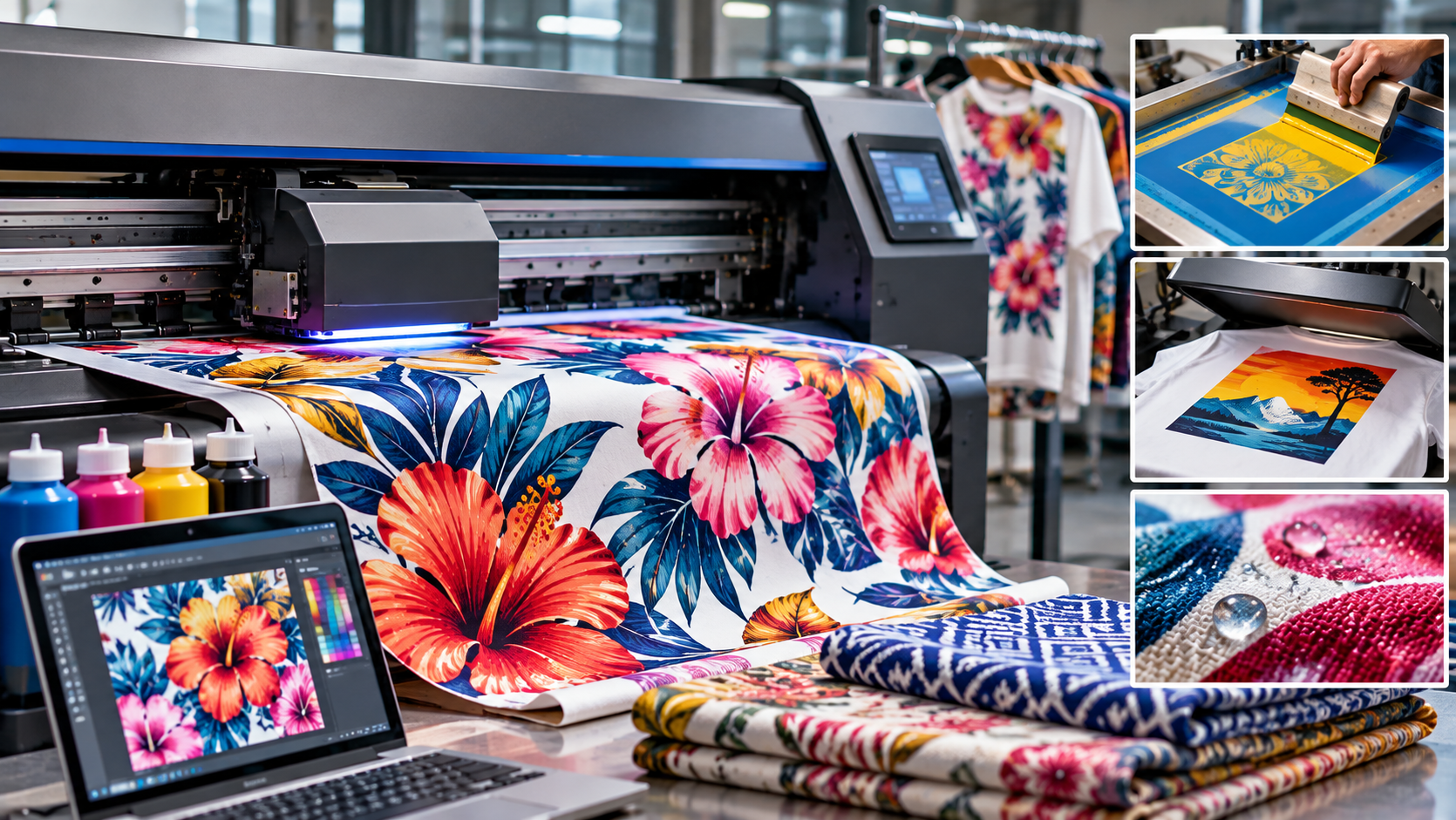
Kicking off with Fabric Printing Technology, this fascinating field has evolved tremendously over the years, reflecting advancements in innovation and creative expression. From ancient techniques to cutting-edge digital methods, the journey of fabric printing showcases not only the artistry involved but also the intricacies of technology that have redefined how we print on textiles.
Understanding the evolution, various techniques, and advancements in fabric printing provides a rich narrative that connects history with modern practices. This exploration highlights the significant role of inks, the challenges faced by the industry, and what future trends may bring to the world of fabric printing, making it a captivating topic for anyone interested in textiles and technology.
The Evolution of Fabric Printing Technology
The journey of fabric printing technology is an intriguing tale that spans centuries, showcasing humanity’s innovative spirit and artistic expression. From primitive methods using natural dyes to cutting-edge digital technologies, fabric printing has undergone remarkable transformations that reflect both cultural advancements and technological breakthroughs. Understanding this evolution not only highlights the ingenuity of past civilizations but also emphasizes the significance of these innovations in today’s fashion and textile industry.
The historical development of fabric printing techniques can be traced back to ancient civilizations, where early methods involved hand-painting and stamping. Techniques like block printing in China, which dates back to the Tang Dynasty, utilized carved wooden blocks to transfer designs onto fabric. Similarly, the use of natural dyes derived from plants and minerals was common, allowing artisans to create vibrant patterns. The Middle Ages saw the rise of textile guilds in Europe, which further refined these techniques. As trade routes expanded, knowledge of dyeing and printing spread, leading to the creation of intricate patterns and textiles that were sought after across continents.
Key innovations that significantly impacted fabric printing include the introduction of screen printing in the 20th century, which allowed for more detailed designs and mass production. The invention of synthetic dyes revolutionized colorfastness and vibrancy, enabling printers to achieve hues that were previously unattainable. Another landmark development was the advent of rotary screen printing, which increased efficiency and reduced production costs, thereby democratizing access to printed fabrics.
The transition from traditional methods to digital technology in fabric printing marks a significant turning point in the industry. This shift began in the late 20th century as computer technology advanced, enabling designers to create digital patterns that could be directly printed onto fabrics. Digital printing offers several advantages over traditional methods, such as:
- Rapid prototyping and sampling, allowing designers to experiment with designs without the need for extensive setup.
- Reduced waste, as digital printers can produce only what is needed, aligning with sustainable practices in the fashion industry.
- The ability to print high-resolution images and complex designs with incredible detail, which traditional methods often struggle to replicate.
- Customization options for customers, enabling on-demand printing that caters to personal tastes and preferences.
As digital technologies continue to evolve, innovations such as 3D printing and the integration of augmented reality are beginning to influence fabric printing further. These advancements not only enhance design capabilities but also streamline production processes, making fabric printing more dynamic and responsive to market demands. The evolution of fabric printing technology demonstrates a fascinating interplay between art and technology, shaping the textiles we wear today.
Different Types of Fabric Printing Techniques
Fabric printing has evolved significantly over the years, leading to a variety of techniques that cater to different needs and applications in the textile industry. Each method offers unique features, advantages, and disadvantages, making them suitable for various projects. Understanding these fabric printing techniques can help designers, manufacturers, and consumers make informed decisions on which method to choose for their specific requirements.
Screen Printing
Screen printing, also known as silk screening, is a traditional method where ink is pushed through a mesh screen onto the fabric. This technique is widely used for its vibrant color output and ability to produce bold designs. It is particularly favored for bulk printing, as it can efficiently create large quantities of items with consistent quality.
Advantages of screen printing include:
-
High durability: The inks used in screen printing adhere well to fabrics, ensuring that the designs withstand washing and wear.
-
Vibrant colors: Screen printing allows for the use of thick inks, resulting in bright and vivid prints.
-
Cost-effective for large runs: Once the screens are set up, the cost per unit decreases significantly with higher quantities.
However, there are also drawbacks:
-
Setup time and costs: Initial setup for screen printing can be time-consuming and expensive, making it less suitable for small orders.
-
Limited color options: Each color requires a separate screen, which can complicate multi-colored designs.
Screen printing is commonly used in t-shirt production, promotional items, and sportswear.
Dye Sublimation
Dye sublimation is a digital printing method that involves transferring dye onto materials, primarily polyester fabrics, using heat and pressure. This process chemically bonds the dye to the fabric, producing exceptional clarity and detail in prints.
Key advantages of dye sublimation include:
-
Full-color designs: This technique enables the creation of intricate designs with unlimited color blending.
-
Soft feel: Since the dye becomes part of the fabric, the prints are soft to the touch and do not alter the texture.
-
Durability: The prints are highly resistant to fading, cracking, and peeling.
However, it comes with limitations:
-
Material restrictions: Dye sublimation works best with polyester fabrics, limiting its application on natural fibers.
-
Initial setup costs: The initial investment in specialized equipment can be high.
Dye sublimation is ideal for producing sportswear, custom garments, and promotional items, especially when vibrant, full-color designs are needed.
Direct-to-Garment Printing
Direct-to-garment (DTG) printing is a method where digital inkjet technology is used to print directly on fabric. This technique allows for complex designs and multiple colors without the need for screens.
The advantages of DTG printing include:
-
Highly detailed prints: DTG can reproduce intricate images and designs with high precision.
-
No minimum order requirement: It is perfect for small orders or custom pieces.
-
Quick turnaround time: Since there is no setup involved, DTG can produce items rapidly.
On the downside:
-
Durability issues: The prints may not last as long as other methods unless properly treated.
-
Limited fabric types: While it works on cotton, DTG is not as effective on synthetic fabrics.
DTG printing is commonly used for custom t-shirts, one-off designs, and small batch productions, catering to the growing demand for personalized apparel.
The Role of Ink in Fabric Printing
In the realm of fabric printing technology, ink is a critical component that significantly influences the final product. The choice of ink not only affects the visual appearance of the printed fabric but also its durability, washability, and environmental impact. Understanding the different types of inks and their properties is essential for achieving high-quality results in fabric printing. This section delves into the various inks available, their chemical characteristics, and the growing presence of eco-friendly options in the market.
Types of Inks Used in Fabric Printing
Fabric printing employs a variety of ink types, each designed for specific applications and printing techniques. The most common ink types include:
- Dye-based Inks: These inks penetrate the fibers of the fabric, resulting in vibrant colors and a soft hand feel. They are often used for dye-sublimation processes where heat transfer is involved. However, they may not be as durable on natural fibers compared to pigment inks.
- Pigment Inks: Unlike dye-based inks, pigment inks sit on the surface of the fabric and offer superior lightfastness and wash resistance. They are versatile and can print on various substrates, including cotton, polyester, and synthetic blends.
- Primarily used for cotton and other natural fibers, these inks chemically bond with the fabric during the printing process. This results in excellent wash durability and vibrant colors but requires precise control of heat and pH levels.
- Solvent Inks: These inks are often used for outdoor textiles and banners due to their water resistance and durability. However, they may emit volatile organic compounds (VOCs), raising environmental concerns.
- UV Inks: Cured by ultraviolet light, these inks provide a glossy finish and excellent durability. They are ideal for printing on non-porous surfaces, making them suitable for various applications.
The selection of the appropriate ink type is crucial in determining the overall quality and application of the printed fabric.
Chemical Properties of Fabric Inks and Their Impact
The chemical composition of fabric inks plays a pivotal role in print quality and longevity. Key properties include viscosity, adhesion, and curing characteristics. The viscosity of an ink affects how it flows during printing and can influence the detail and sharpness of the printed image. For instance, high-viscosity inks may provide better detail in fine lines, while low-viscosity inks may be preferable for saturated colors.
Adhesion is another critical factor; inks must adhere properly to the fabric to ensure longevity. Poor adhesion can lead to peeling or fading of the print over time. The curing process, whether through heat or UV light, is essential for fixing the ink to the fabric and enhancing durability.
“The effectiveness of ink is not only in its color but also in its ability to bond with the fabric, ensuring that the printed design withstands the test of time.”
Impact of Eco-friendly Inks on the Fabric Printing Industry
The shift towards eco-friendly inks has become an essential trend in the fabric printing industry. These inks are formulated with renewable resources and contain fewer harmful chemicals, making them safer for both the environment and consumers. Eco-friendly inks not only reduce the carbon footprint of the printing process but also cater to the growing demand for sustainable products among consumers.
The introduction of water-based inks has revolutionized the market, offering an alternative to solvent-based inks that contribute to air pollution. Water-based inks are typically easier to clean up, have lower VOC emissions, and provide excellent print quality while maintaining vibrant colors. Brands that prioritize sustainability in their printing processes often gain a competitive edge, as environmentally conscious consumers are increasingly inclined to support businesses that reflect their values.
Incorporating eco-friendly inks can also lead to improved fabric performance, as these inks can enhance breathability and comfort in garments. Moreover, companies that adopt sustainable practices often witness an increase in customer loyalty and brand trust, further solidifying their position in the market. As the fabric printing industry continues to evolve, the transition towards eco-friendly inks is not just a trend but a necessary step towards a more sustainable future.
Advances in Digital Fabric Printing
The digital fabric printing landscape has seen remarkable advancements in technology that have transformed the industry. Innovations in printing methods, inks, and equipment have contributed to the enhanced capabilities of digital fabric printing. These developments not only improve the quality and speed of printing but also offer new opportunities for creativity and efficiency in textile design.
Technological improvements such as high-resolution printing heads and faster drying processes have made it possible to produce intricate designs with vibrant colors. Additionally, the introduction of eco-friendly and versatile inks has broadened the types of fabrics that can be printed digitally. This evolution in technology has paved the way for a more sustainable printing process, reducing waste and energy consumption.
Impact of Automation and Software Innovations
Automation and sophisticated software are driving productivity in the fabric printing sector. These advancements streamline operations and minimize manual interventions, allowing for quicker turnaround times. Key features of modern software solutions include intuitive design interfaces and automated print management systems, which facilitate seamless transitions from design to production.
The benefits of digital printing are particularly significant in terms of customization and short-run productions. Businesses can now produce unique, one-of-a-kind fabric designs without prohibitive costs. This allows for:
- Personalized clothing and home décor items that cater to individual consumer preferences.
- Small batch runs that eliminate excess inventory and reduce waste.
- Rapid prototyping for fashion designers, enabling them to test concepts without committing to large quantities.
- A diverse range of fabric types that can be printed on, increasing the scope for creativity.
The flexibility offered by digital fabric printing is revolutionizing the industry, enabling brands to respond swiftly to market trends and consumer demands.
Challenges Facing the Fabric Printing Industry
The fabric printing industry is currently navigating a landscape filled with significant challenges that are both complex and multifaceted. These challenges not only affect production processes but also have far-reaching implications for sustainability, economic viability, and the overall quality of printed textiles.
Sustainability and Environmental Impact
One of the pressing challenges in fabric printing revolves around sustainability and environmental impact. The industry often relies on chemicals and dyes that pose risks to both ecosystems and human health. The process typically involves substantial water usage, leading to concerns over water pollution and resource depletion. Sustainable practices are gaining importance, prompting companies to seek alternatives that minimize environmental footprints.
Key challenges include:
- Use of non-biodegradable materials: Many fabrics and inks are made from synthetic substances that do not decompose naturally, contributing to landfill waste.
- Water consumption: Traditional fabric printing processes can consume thousands of gallons of water, leading to ecological imbalances in local communities.
- Chemical waste: Discharge of untreated dyes and chemicals into water bodies can devastate aquatic life and contaminate drinking water sources.
Color Matching and Consistency
Achieving precise color matching and consistency across different printing techniques is another significant challenge. Varied results can emerge from different machines, inks, and substrates, complicating production processes. For designers and brands, inconsistency can lead to dissatisfaction, affecting brand loyalty.
Important considerations include:
- Ink formulation variations: Different brands of inks may produce slightly different hues, which can result in discrepancies when printed.
- Substrate differences: Fabrics may absorb inks differently, leading to variations in vibrancy and color depth.
- Environmental factors: Humidity and temperature can impact the drying process, causing further inconsistencies in color application.
Economic Pressures and Competition
The fabric printing industry is also contending with increasing economic pressures and competition. This environment compels companies to innovate while keeping costs down, posing a significant challenge for profitability.
Key factors affecting economic stability include:
- Price competition: With many players in the market, companies are often forced to lower prices, risking profit margins.
- Investment in technology: The need for advanced printing technologies requires significant upfront investment, which can be a barrier for small businesses.
- Consumer demand for quick turnaround: As fast fashion continues to dominate, companies must adapt to rapid production cycles, further straining resources.
Future Trends in Fabric Printing Technology
As the fabric printing industry evolves, several exciting developments are on the horizon. With rapid advancements in technology, the future of fabric printing is likely to be shaped by innovation, consumer preferences, and sustainability. The integration of new materials and printing techniques is expected to enhance the versatility and functionality of printed fabrics, paving the way for a more dynamic market.
The anticipated future developments in fabric printing technology focus on increasing efficiency, reducing waste, and incorporating smart features into textiles. One significant trend is the rise of digital fabric printing, which allows for more intricate designs and quicker turnaround times compared to traditional methods. This technology not only enables designers to create unique, customized patterns but also reduces the fabric waste associated with traditional screen printing processes. Additionally, advancements in eco-friendly inks and processes are gaining traction, addressing environmental concerns and appealing to the growing market of sustainability-conscious consumers.
Emerging Trends in Smart Textiles
One of the most transformative trends in the fabric printing industry is the development of smart textiles. These fabrics incorporate technology that allows them to interact with their environment, providing functionalities that go beyond traditional textiles. Smart textiles can monitor health metrics, respond to temperature changes, and even change color or patterns based on external stimuli. This evolution has profound implications for sectors such as fashion, sports, and healthcare.
The integration of smart textiles into the fabric printing industry is facilitated by advancements in conductive materials and printing techniques. For example, printed electronics can be created using specialized inks that conduct electricity, allowing for the embedding of sensors directly into the fabric. This capability opens up new possibilities for applications such as wearables that can track fitness levels, monitor heart rates, or provide real-time feedback during athletic performance.
In response to these technological advancements, consumer demand is shifting towards personalized and multifunctional products. The market is increasingly favoring fabrics that not only look good but also offer added value through enhanced performance or interactivity. Brands are adapting to these changes by investing in research and development to produce high-tech fabrics that cater to consumers’ evolving tastes and lifestyle needs.
The influence of consumer demand on the evolution of fabric printing is further emphasized by the trend towards sustainable textiles. As awareness of environmental issues grows, consumers are seeking products that are not only stylish but also responsibly sourced and produced. This demand encourages fabric printers to innovate sustainable practices, such as using recycled materials and environmentally friendly dyes, alongside the integration of smart technology.
Overall, the future of fabric printing technology is bright, driven by innovative trends such as smart textiles and an increasing emphasis on sustainability. As these developments continue to unfold, they will reshape the industry, making it more responsive to consumer needs while promoting a more sustainable approach to fabric production.
Case Studies of Innovative Fabric Printing Applications
The evolution of fabric printing has led to remarkable innovations across various industries, showcasing the versatility and creativity that modern techniques offer. From fashion runways to interior design and advertising campaigns, fabric printing technology is making a significant mark. The following examples highlight successful projects that exemplify the power of this technology, the challenges overcome, and the valuable lessons learned.
Fashion Industry Innovations
One standout example in the fashion industry is the collaboration between renowned designer Alexander McQueen and digital textile printing technology. McQueen’s Spring/Summer 2010 collection featured ethereal prints that were directly inspired by nature. The use of digital printing allowed for intricate, high-resolution designs that were not possible with traditional methods. A significant challenge faced was the need for color accuracy and fabric compatibility, which McQueen’s team overcame by working closely with printing experts to ensure that the vibrancy of the designs translated effectively onto the fabric.
In overcoming these challenges, the project demonstrated the importance of integrating technology seamlessly with artistic vision. The results not only captivated the audience but also encouraged other designers to explore digital printing as a vital tool for creativity.
Interior Design Applications
Innovative fabric printing also finds its place in interior design. A notable case is the use of digitally printed upholstery fabrics by the design firm Knoll. They launched a collection called “KnollTextiles” that transformed traditional furniture pieces with custom designs reflecting contemporary art movements. The challenge here involved creating durable fabrics that could withstand everyday use while maintaining visual integrity.
Knoll’s approach involved rigorous testing for fabric durability and colorfastness, leading to a significant advance in the field of interior textiles. This project illustrates the critical balance between aesthetics and functionality in design, prompting the industry to rethink how fabric can enhance interior spaces.
Advertising Campaigns and Branding
The advertising sector has also embraced innovative fabric printing, exemplified by Nike’s use of printed textiles in their promotional materials. For their “Just Do It” campaign, Nike developed banners made of fabric that featured dynamic graphics and motivational phrases. The challenge was to ensure that the printed textiles could withstand various environmental conditions while remaining visually appealing.
Nike’s solution involved the use of weather-resistant inks and substrates, resulting in a campaign that not only conveyed their message powerfully but also demonstrated sustainability through the use of recyclable materials. This case emphasizes the importance of adapting to environmental challenges while maintaining brand integrity and impact.
“Innovative fabric printing not only enhances aesthetics but also plays a crucial role in functionality and sustainability across various industries.”
These case studies reveal that the integration of fabric printing technology into fashion, interior design, and advertising is more than just a trend; it represents a fundamental shift in how visual communication and product design are approached. The challenges faced during these projects have led to valuable insights, encouraging the industry to continue pushing boundaries and exploring the limitless possibilities of fabric printing.
Epilogue
In conclusion, the realm of Fabric Printing Technology is a dynamic interplay of history, innovation, and artistry. As we delve into the various techniques and challenges, it becomes clear that this industry is not only about producing beautiful fabrics but also about addressing sustainability and embracing new technologies. The future of fabric printing promises exciting developments that will continue to transform how we interact with textiles in our everyday lives.
FAQ Compilation
What is fabric printing?
Fabric printing is the process of applying designs and patterns onto fabric using various techniques, including screen printing, digital printing, and dye sublimation.
How does digital fabric printing differ from traditional methods?
Digital fabric printing allows for more intricate designs and customization with quicker turnaround times, while traditional methods often involve larger setup costs and longer production times.
Are eco-friendly inks effective in fabric printing?
Yes, eco-friendly inks are effective and increasingly popular, offering good print quality while reducing environmental impact compared to traditional inks.
What industries benefit from fabric printing technology?
Multiple industries benefit, including fashion, home décor, and advertising, as fabric printing allows for unique customization and branding opportunities.
What are the trends shaping the future of fabric printing?
Emerging trends include smart textiles, automation in printing processes, and increased consumer demand for sustainable and personalized products.