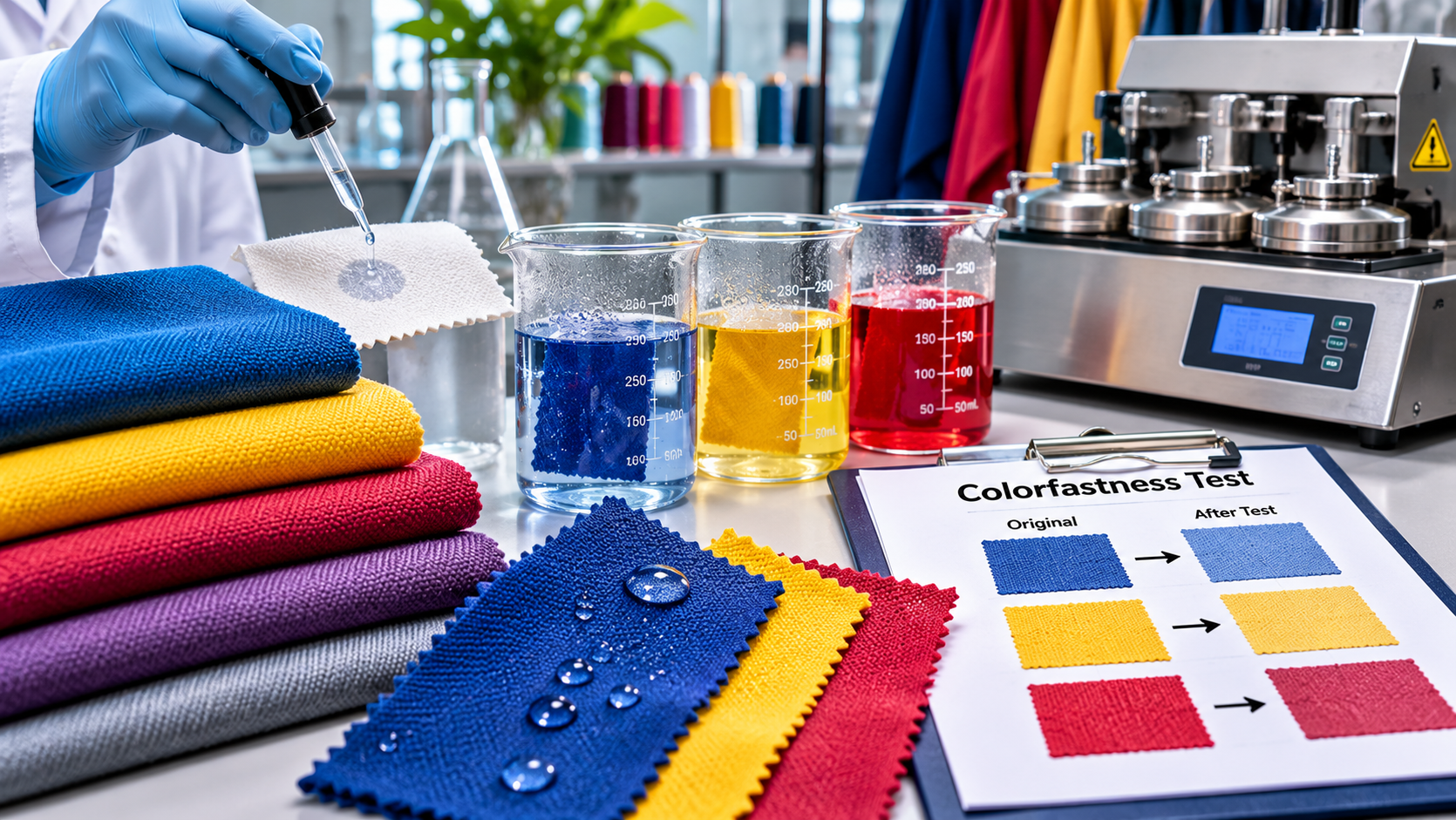
Textile Colorfastness Testing reveals the crucial relationship between color retention and the overall quality of fabrics, making it an essential aspect for manufacturers and consumers alike. Poor colorfastness can lead to dissatisfaction among consumers, as fading or bleeding colors diminish the aesthetic appeal and longevity of textiles. Industries such as fashion, home furnishings, and automotive rely heavily on colorfastness testing to ensure that their products meet the highest standards, thus protecting their brand reputation and enhancing customer loyalty.
Understanding the various types of tests available, such as wash fastness, light fastness, and rub fastness, is vital for selecting the appropriate method based on the specific use of the textile. Each method adheres to standardized protocols, ensuring that the results are reliable and comparable across different applications. By diving into the chemical properties that affect colorfastness, such as dye types and fiber compositions, we can gain insights into how to enhance fabric durability and consumer satisfaction.
Understanding the Importance of Textile Colorfastness Testing
Textile colorfastness testing is crucial for ensuring that fabrics maintain their color and appearance through various environmental and mechanical stresses. This testing process evaluates how well a textile resists fading, bleeding, or running when subjected to factors such as washing, exposure to light, and contact with other materials. The importance of colorfastness cannot be overstated, as it directly correlates with the durability and quality of textiles, impacting both manufacturers and consumers alike.
Colorfastness significantly influences the overall durability and quality of textiles. Fabrics that exhibit high colorfastness are more resilient, retaining their vibrant shades and patterns even after numerous washes or exposure to sunlight. This resilience ensures that garments and other textile products remain visually appealing and functional for a longer period. On the other hand, poor colorfastness can lead to color fading, which diminishes the aesthetic value of the product and can lead to dissatisfaction among consumers. For example, a bright red shirt that fades to pink after just a few washes will likely result in customer complaints and potential returns. This dissatisfaction not only affects brand reputation but also leads to increased costs for manufacturers in terms of returns, refunds, and customer service.
Key industries that rely on colorfastness testing include fashion and apparel, home textiles, automotive textiles, and upholstery. In the fashion industry, brands are continuously challenged to deliver high-quality garments that maintain their color through various conditions. Similarly, home textiles like curtains, bed linens, and upholstery fabrics require high colorfastness to ensure they do not fade in sunlight or degrade after washing. In the automotive sector, colorfastness is vital for upholstery and interior fabrics, as they are exposed to both UV light and friction. The impact of robust colorfastness testing in these industries is profound; it ensures product longevity, enhances consumer satisfaction, and ultimately drives profitability. Manufacturers invest significantly in testing to uphold quality standards, thereby supporting their operational efficiency and market competitiveness.
In essence, ensuring colorfastness is not just about maintaining visual appeal; it is about safeguarding the integrity of textile products and fulfilling customer expectations.
Overview of Different Types of Colorfastness Tests
Colorfastness testing is critical in the textile industry as it determines how well a fabric retains its color under various conditions. Different tests evaluate color retention against factors like washing, exposure to light, and friction. Each method serves specific purposes, aligning with the intended use of the textile product. Understanding these tests helps manufacturers maintain quality and consumer satisfaction.
Wash Fastness
Wash fastness measures a textile’s ability to retain its color when subjected to laundering processes. This testing is essential for garments that undergo frequent washing. The test typically follows the ISO 105-C06 standard, which involves washing the sample with a defined detergent under set conditions.
- Testing Procedure: The sample fabric is washed with a standardized washing solution. It is then compared against a grey scale to evaluate color change.
- Importance: Fabrics used in clothing, home textiles, and uniforms require high wash fastness to ensure longevity and consumer satisfaction.
- Example: A cotton shirt meant for regular wear should ideally achieve a wash fastness rating of 4 or higher on a scale of 1 to 5, where 5 indicates excellent resistance to washing.
Light Fastness
Light fastness tests assess how well a fabric retains its color when exposed to sunlight or artificial light sources. This test is crucial for textiles used in outdoor applications, as prolonged exposure to UV light can cause significant fading.
- Testing Standards: The ISO 105-B02 standard is widely used for light fastness testing, involving exposure of the fabric sample to a light source for a specified duration.
- Evaluation: The degree of color change is compared to a grey scale, with a higher rating indicating better resistance to fading.
- Significance: Fabrics for outdoor furniture, awnings, or apparel for sunny climates must show high light fastness ratings, typically a minimum of 4, to ensure durability.
Rub Fastness
Rub fastness, also known as crocking, evaluates the color transfer from a textile surface when subjected to rubbing. This test is vital for determining color integrity in upholstery and garments that experience friction.
- Testing Method: The fabric is rubbed against a white cloth under controlled pressure. The color transfer is then assessed based on the grey scale.
- Standard Protocol: ISO 105-X12 Artikels the procedure for evaluating both dry and wet rub fastness, which helps manufacturers ensure that the fabric maintains its color during use.
- Application: High rub fastness ratings are essential for items like leather goods and high-contact upholstery, where color transfer can be a significant concern.
“Selecting the appropriate colorfastness test ensures the textile meets the necessary durability standards for its intended use.”
The significance of choosing the correct colorfastness test directly correlates with the intended application of the textile. For instance, a fabric designed for activewear will require different testing standards than one made for upholstery. Understanding these distinctions allows manufacturers to produce reliable products that meet consumer expectations.
The Role of Chemical Properties in Colorfastness
Colorfastness in textiles is significantly influenced by various chemical properties, including the types of dyes used, the composition of the fibers, and the finishes applied to the fabrics. Understanding these factors is crucial for manufacturers and consumers alike, as they determine how well a fabric maintains its color when exposed to different washing conditions, light, and other environmental factors.
The chemical structure of dyes plays a pivotal role in their affinity for textile fibers. Dyes can be broadly categorized into categories like direct, reactive, and disperse dyes, each exhibiting different chemical properties that affect their bonding strength with fibers. For instance, reactive dyes chemically bond to the fiber, which generally results in better colorfastness compared to direct dyes that rely mostly on physical absorption. The choice of fiber also influences colorfastness; natural fibers like cotton and silk typically exhibit different properties than synthetic fibers like polyester. The interaction between the dye and fiber can be further enhanced or degraded by the presence of certain chemicals in the dyeing process.
Dyeing Techniques and Their Impact on Color Stability
The methods employed in dyeing can greatly influence the overall color stability of fabrics. Various dyeing techniques, including batch dyeing, continuous dyeing, and digital printing, each utilize distinct chemical processes that can alter colorfastness.
Batch dyeing, for example, allows for dye solutions to interact thoroughly with the fabric, promoting deeper color penetration. However, if not controlled properly, it may lead to uneven color distribution, affecting stability. Continuous dyeing, on the other hand, can enhance production efficiency but requires precise chemical control to maintain consistent color quality. Digital printing has emerged as a popular technique, offering vibrant colors, but it often results in lower colorfastness due to inadequate dye penetration in the fibers.
Chemical treatments can enhance or degrade colorfastness, depending on their nature and application. Treatments such as mordanting, which involves using a metallic salt to fix dye to fiber, can significantly improve color retention. Conversely, exposure to harsh chemicals or high pH levels during washing can degrade dye bonds, leading to fading. For instance, when cotton is treated with a polyamide finish, the overall colorfastness can be enhanced due to better dye adhesion, resulting in vibrant and long-lasting hues. However, the same fabric exposed to alkaline detergents may experience color loss due to chemical breakdown.
In summary, understanding the interplay of chemical properties is essential for optimizing colorfastness in textiles. By selecting appropriate dyes, fibers, and finishing treatments, manufacturers can create fabrics that not only look great but also withstand the test of time.
Practical Steps for Conducting Colorfastness Testing
Colorfastness testing is crucial in ensuring that textiles maintain their color and appearance over time and under various conditions. Understanding the practical steps involved in this testing can significantly aid manufacturers, retailers, and consumers in choosing the right fabrics. Below is a guide to performing a standard colorfastness test in a lab setting, detailing the process, equipment needed, and necessary safety precautions.
Step-by-Step Guide to Colorfastness Testing
Conducting a colorfastness test involves several methodical steps to ensure accurate results. The following is a detailed process for performing a standard test:
- Prepare Samples: Cut textile samples of uniform size, typically 4×4 inches, from the fabric being tested. Ensure the samples are representative of the entire textile.
- Select Test Method: Choose the appropriate colorfastness test method, such as ISO 105-C06 for washing, ISO 105-D01 for light, or AATCC 8 for water.
- Setup Equipment: Gather necessary equipment, including a colorfastness test machine, standard color reference charts, and a light source (for lightfastness testing).
- Conduct the Test: Follow the specific procedures Artikeld for the selected test method, ensuring to replicate conditions accurately, such as temperature and duration.
- Evaluate Results: After testing, compare the color change on the test samples against the standard reference using a colorimeter or visual assessment under controlled lighting.
Equipment and Accuracy Maintenance
To ensure accuracy during testing, specific equipment is essential. The following items are needed for effective colorfastness testing, along with tips for maintaining precision:
Calibration of equipment is crucial for reliable results.
- Colorfastness Testing Machine: This device simulates various environmental conditions that fabrics may be exposed to. Regular calibration and maintenance ensure consistent performance.
- Colorimeter: Used for measuring color differences accurately. It should be calibrated with standard color samples regularly to maintain accuracy.
- Standard Reference Charts: These are used for visual assessment and should be stored away from direct light to prevent fading.
- Environmental Control: Maintain consistent temperature and humidity in the testing environment, as fluctuations can influence results.
Safety Precautions for Testing Environment
Ensuring a safe testing environment is paramount when conducting colorfastness tests. Here are key safety precautions to consider:
Safety is not just a requirement; it’s an essential component of reliable testing.
- Personal Protective Equipment (PPE): Always wear gloves, goggles, and lab coats to protect against chemical exposure.
- Proper Ventilation: Ensure that the testing area is well-ventilated, especially when using solvents or chemicals that may release harmful fumes.
- Emergency Procedures: Familiarize all personnel with emergency procedures, including the location of eyewashes, safety showers, and first aid kits.
- Labeling Chemicals: Clearly label all chemicals used in the testing process to prevent accidental misuse and ensure safe handling.
Interpreting Colorfastness Test Results
Interpreting colorfastness test results is crucial for ensuring that textiles meet quality standards and consumer expectations. Understanding these results allows manufacturers to make informed decisions about fabric use, dye selection, and production processes. Accurate interpretation can ultimately enhance product quality, reduce returns, and improve customer satisfaction.
Effectively reading colorfastness test results involves understanding the scale used in the evaluations. Most tests will report results on a scale that indicates the degree of color change or staining. The common scales include numerical values or descriptive terms such as “excellent,” “good,” “fair,” or “poor.” The significance of these metrics lies in their capability to predict how a fabric will perform under real-world conditions, such as exposure to light, washing, or rubbing.
Common Metrics Used in Colorfastness Testing
Several metrics are integral in evaluating the outcomes of colorfastness tests. Each metric offers insights into specific aspects of fabric durability and color retention:
- Grey Scale for Color Change: This scale ranges from 1 (poor) to 5 (excellent) and evaluates the change in color after exposure to various conditions. A rating of 4 or 5 usually indicates that a fabric will maintain its color well, which is critical for consumers who value longevity.
- Grey Scale for Staining: Similar to the color change scale, this measures how much dye transfers from the fabric onto adjacent materials. A low rating here may signify that the fabric is likely to stain other items during washing or wear.
- Lightfastness Rating: This rating assesses how resistant a textile is to fading under light exposure. Fabrics with a rating of 4 or higher are generally deemed suitable for outdoor use.
- Wash Fastness Rating: This tests how well a color withstands washing. A rating of 4 or higher indicates a fabric can endure frequent laundering without significant fading.
Understanding these metrics is essential for manufacturers to gauge the performance of their textiles accurately. For instance, if a fabric shows a grey scale rating of 3 for color change, it may not be suitable for items that experience heavy use or frequent washing. Conversely, a rating of 4 or 5 signals that the fabric can withstand rigorous conditions.
“Colorfastness is not just about aesthetics; it’s about performance and longevity in textile applications.”
Examples of typical results can further illustrate how these ratings inform decisions. If a new batch of fabric receives a wash fastness rating of 3, manufacturers might decide to reformulate the dye or consider a different dyeing process to achieve better results. Alternatively, if a fabric intended for upholstery receives a lightfastness rating of 5, it indicates excellent durability, supporting its use in bright or sunlit environments.
In conclusion, the interpretation of colorfastness test results plays a pivotal role in textile production, influencing not only quality assurance but also customer satisfaction and brand reputation. Understanding the metrics involved allows manufacturers to make informed choices that ultimately enhance the value of their products.
Challenges and Innovations in Colorfastness Testing
The realm of colorfastness testing in textiles faces a myriad of challenges that can compromise the reliability of results. As the demand for high-quality textiles increases, it becomes essential to address these hurdles while also embracing advancements in technology and methodologies to enhance testing accuracy. The following sections delve into the common challenges encountered in colorfastness testing, recent technological innovations, and future trends that promise to shape the textile industry.
Common Challenges in Colorfastness Testing
Achieving reliable colorfastness results is fraught with various challenges, which can stem from both material properties and testing methodologies. Some of the most prevalent issues include:
- Material Variability: Different fabrics and dyes exhibit unique properties, which can affect color retention and stability. This variability complicates the establishment of universal testing standards.
- Environmental Factors: External conditions such as light exposure, humidity, and temperature can significantly impact the colorfastness of textiles, leading to inconsistent results across different testing environments.
- Testing Method Limitations: Traditional testing methods may not adequately simulate real-life conditions, thereby providing results that do not accurately reflect how textiles will perform in the market.
- Subjectivity in Evaluation: Color assessment often relies on human judgment, which can introduce bias and variation in results. Objective measurement tools are crucial to mitigate this issue.
Advancements in Testing Technology
Recent innovations in technology and methodologies have significantly improved the accuracy of colorfastness testing. These advancements not only enhance reliability but also streamline the testing process. Key developments include:
- Automated Testing Equipment: The rise of automated systems allows for consistent and reproducible testing conditions, minimizing human error and variability.
- Digital Color Measurement Tools: High-precision spectrophotometers and digital imaging technologies provide objective color assessments, enabling more accurate quantification of color changes.
- Improved Testing Standards: New protocols are being developed that better simulate actual environmental conditions, such as accelerated aging techniques that mimic prolonged exposure to light and wash cycles.
- Data Analytics Integration: Incorporating advanced data analytics helps in interpreting test results more effectively, allowing for predictive modeling and improved decision-making in textile production.
Future Trends in Colorfastness Testing
The future of colorfastness testing is poised for transformative changes that will likely redefine manufacturing processes and quality assurance in the textile industry. Notable trends include:
- Biomimetic Testing Approaches: Drawing inspiration from nature, these methods may enhance the durability of dyes and fibers, leading to textiles with inherently improved colorfastness.
- Sustainability in Testing: With an increased focus on environmental impact, testing methodologies are evolving to incorporate eco-friendly practices, reducing waste and energy consumption during assessments.
- Integration of AI and Machine Learning: Utilizing artificial intelligence to analyze testing data can uncover insights that improve dye formulations and fabric choices, resulting in more reliable colorfastness.
- Customization of Testing Protocols: Advances in technology could enable the development of bespoke testing regimes tailored specifically to the unique characteristics of the materials used in each textile, enhancing precision in evaluations.
Case Studies on Colorfastness Issues in the Textile Industry
Colorfastness is a critical aspect of textile manufacturing that directly impacts consumer satisfaction and brand reputation. Failures in colorfastness can result in significant financial losses, product recalls, and damage to a company’s image. This section explores notable case studies where colorfastness failures led to dire consequences, analyzing the contributing factors and the lessons learned to enhance industry practices.
Notable Incidents Leading to Product Recalls
Several high-profile cases in the textile industry highlight the repercussions of inadequate colorfastness. These incidents not only affected the companies involved but also raised concerns among consumers regarding quality and safety.
One significant case occurred in 2013 when a popular clothing retailer faced a massive product recall due to color bleeding issues. Customers reported that vibrant dyes from the clothing were transferring onto their skin and other garments during washing. The retailer discovered that a combination of poor dye fixation processes and inadequate testing protocols contributed to the failure. As a result, they recalled over 200,000 units and implemented comprehensive testing procedures to ensure future products met strict colorfastness standards.
Another incident involved a leading sportswear brand that introduced a line of brightly colored athletic wear. Initial customer feedback was positive; however, consumers soon complained that the colors faded significantly after just a few washes. Investigations revealed that the dyeing process used reactive dyes that were not properly fixed. This oversight led to a significant number of returns and a public apology from the brand, prompting them to enhance their dyeing techniques and colorfastness testing before product launches.
Factors Contributing to Colorfastness Failures
Analyzing the reasons behind colorfastness failures reveals several underlying factors that manufacturers must consider to prevent similar issues in the future.
- Inadequate Testing Protocols: Many companies underestimate the importance of rigorous colorfastness testing. Without standard testing methods, products may fail to meet consumer expectations.
- Poor Quality Control: A lack of consistency in quality control measures can lead to variations in dye application, resulting in uneven color retention.
- Substandard Dye Materials: The use of inferior dyes that do not adhere well to fibers can cause fading and bleeding, affecting the overall product durability.
Each of these factors highlights the need for stronger quality assurance measures in the textile industry.
Lessons Learned from Colorfastness Failures
The response to colorfastness failures often involves a reevaluation of manufacturing processes. Companies that successfully address these issues tend to implement strategic changes that enhance their practices.
One effective strategy involves investing in advanced dyeing technologies that improve color retention. A textile firm that faced colorfastness issues in its denim line switched to using environmentally friendly dyes that boasted higher stability. This transition not only resolved color retention problems but also appealed to environmentally conscious consumers.
Additionally, some companies have adopted more stringent testing protocols, conducting wash and lightfastness tests across multiple conditions before approving products for sale. This proactive approach has led to a noticeable reduction in customer complaints and returns.
“Implementing rigorous testing protocols and investing in quality materials can significantly reduce the risk of colorfastness failures.”
By learning from past mistakes, companies are not only improving their products but also restoring consumer trust, showcasing the importance of diligence in textile manufacturing.
Final Summary
In summary, Textile Colorfastness Testing plays a pivotal role in the textile industry, influencing not only the durability of fabrics but also consumer experiences with products. As we have explored, challenges persist in achieving reliable results; however, innovations in testing methods continue to evolve. By staying informed of advancements and applying best practices, manufacturers can enhance their offerings, ensuring that their textiles remain vibrant and appealing over time.
FAQ Guide
What is textile colorfastness?
Textile colorfastness refers to the ability of a fabric to retain its color when exposed to various conditions, such as washing, light, and friction.
Why is colorfastness important?
Colorfastness is important because it affects the longevity and appearance of textiles, influencing consumer satisfaction and brand reputation.
What industries benefit from colorfastness testing?
Industries such as fashion, home textiles, automotive, and sportswear rely on colorfastness testing to ensure quality and durability.
How often should colorfastness tests be conducted?
It is recommended to conduct colorfastness tests whenever new dyes, fabrics, or finishes are introduced, or when production methods change.
What are the common methods of colorfastness testing?
Common methods include wash fastness, light fastness, and rub fastness tests, each assessing different aspects of color retention.