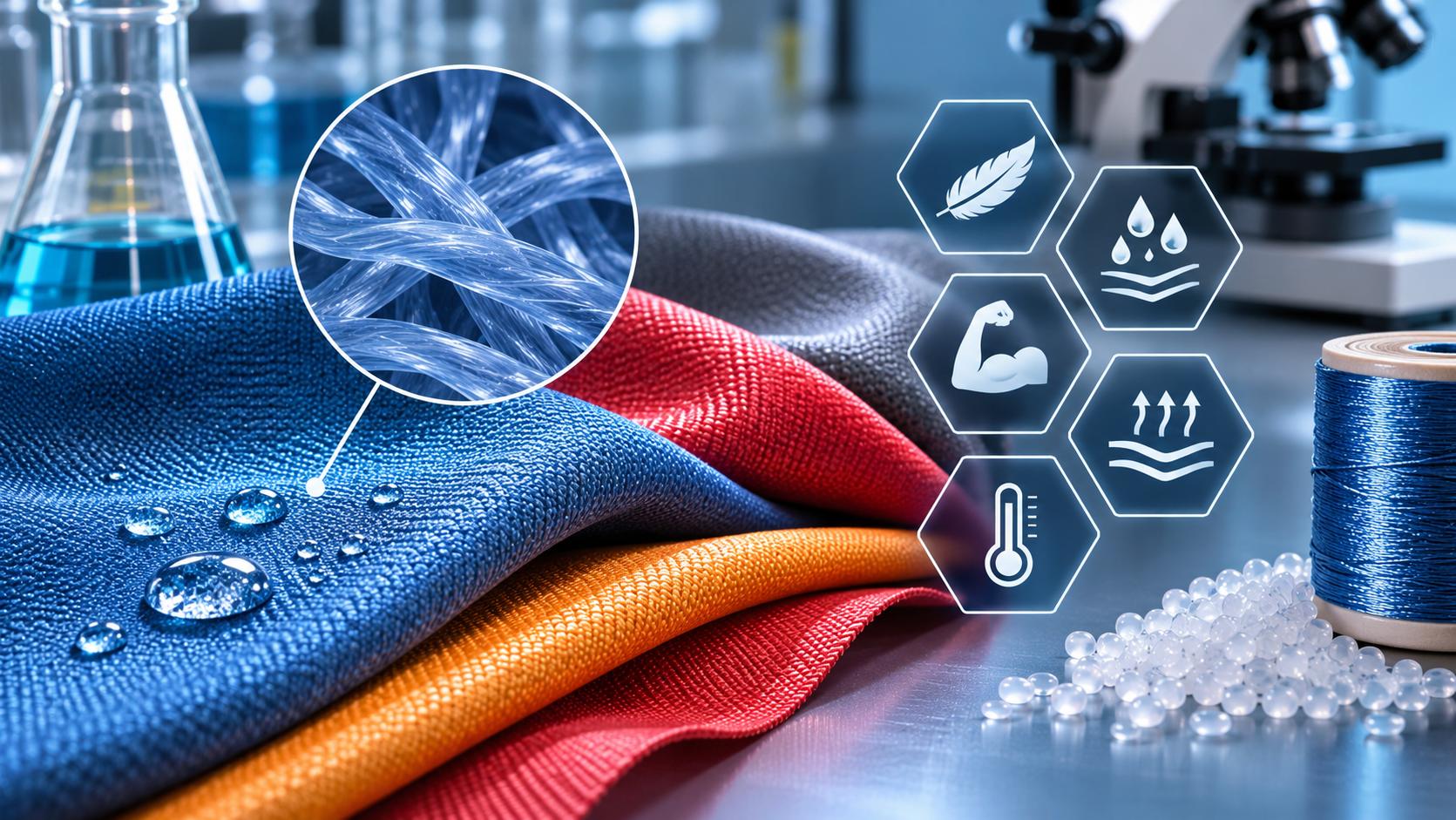
Synthetic Textile Material Properties are at the forefront of modern fashion and functionality, captivating both manufacturers and consumers alike. These materials are crafted through innovative processes that give rise to unique characteristics, making them essential in various applications ranging from apparel to industrial uses. By understanding the properties of synthetic textiles, we can appreciate their role in enhancing performance and adapting to consumer needs.
Throughout this exploration, we will delve into the fundamental characteristics that define synthetic textiles, the impact of production methods, and how additives and treatments can elevate their performance. Additionally, we will touch on environmental considerations and the exciting future shaped by technological advancements, providing a comprehensive view of this dynamic sector.
The fundamental characteristics of synthetic textile materials and their significance in the textile industry
Synthetic textile materials, often derived from petroleum-based chemicals, have revolutionized the textile industry by introducing a new range of properties that natural fibers cannot match. These materials are engineered to meet the demands of modern consumers and manufacturers alike, making them vital in a variety of applications from fashion to industrial uses. Understanding these characteristics is essential for leveraging their potential in different textile sectors.
The key properties that define synthetic textile materials include durability, elasticity, moisture-wicking, and stain resistance. These characteristics contribute significantly to the performance and longevity of textiles, influencing their manufacturing processes and consumer appeal. For instance, the durability of synthetic fibers means that garments made from them can withstand wear and tear, making them ideal for activewear and outdoor clothing. Additionally, moisture-wicking properties help in managing perspiration, enhancing comfort for sports enthusiasts.
Key Properties of Synthetic Textiles
The properties of synthetic textiles are not only important for manufacturing but also for meeting consumer needs in various applications. Here are some of the primary characteristics:
- Durability: Synthetic fibers are often more resistant to damage from chemicals, UV light, and abrasion compared to natural fibers. This makes them suitable for a range of applications, including military and outdoor gear.
- Elasticity: Many synthetic materials, like spandex, offer excellent stretchability, which is essential for form-fitting clothing and activewear.
- Moisture Management: Synthetic fabrics often feature advanced moisture-wicking properties that draw sweat away from the skin, enhancing comfort during physical activities.
- Stain Resistance: Synthetic textiles can be treated to resist staining, making them ideal for everyday wear and home textiles.
- Lightweight: Many synthetic materials are lighter than their natural counterparts, providing comfort and ease of wear in various clothing applications.
An example of a widely used synthetic textile is polyester, which is known for its strength and resilience. Polyester fabrics are commonly found in shirts, jackets, and household items such as curtains and upholstery. Another example is nylon, which is celebrated for its elasticity and is frequently used in activewear and outdoor gear due to its ability to withstand harsh weather conditions. Furthermore, fabrics like acrylic mimic the properties of wool, providing warmth and insulation while being more lightweight and easier to care for.
In summary, the fundamental characteristics of synthetic textile materials play a significant role in defining their applications within the textile industry. Their unique properties not only enhance the functionality of textiles but also cater to the evolving needs of consumers in various sectors.
The influence of production methods on the properties of synthetic textiles
The production methods of synthetic textiles significantly shape their material properties, affecting everything from durability to texture. Understanding these methods is crucial for manufacturers, designers, and consumers alike, as each technique imparts unique characteristics that can enhance or limit the fabric’s performance for specific applications.
Different manufacturing processes, such as weaving, knitting, and non-woven methods, play pivotal roles in determining the final outcome of synthetic textiles. The choice of production method can influence factors like strength, elasticity, breathability, and overall aesthetic appeal.
Comparison of Production Techniques
When considering the production techniques for synthetic textiles, it is essential to recognize how each method contributes to the material’s properties. Below is a detailed examination of the three main production techniques:
- Weaving: This traditional method involves interlacing two sets of yarns at right angles. Weaving produces a wide range of fabric types, such as plain, twill, and satin weaves. The properties of woven textiles are characterized by their strength and stability, making them suitable for applications like apparel and home textiles. However, they can be less stretchy compared to other techniques.
- Knitting: In knitting, yarns are looped together to create a fabric, which results in a stretchier and more flexible material. Knitted textiles are often softer and provide better insulation, making them ideal for activewear and casual clothing. However, they can be more prone to runs and snags, which may limit their durability.
- Non-Woven: This method involves bonding fibers together through mechanical, chemical, or thermal processes instead of weaving or knitting. Non-woven textiles are often used in disposable products like medical supplies and filters. They can be engineered for specific properties, such as water resistance or breathability, but may lack the aesthetic appeal of woven or knitted fabrics.
The choice of production method not only impacts the physical properties but also the environmental footprint and cost-effectiveness of the textile. For instance, while weaving may produce longer-lasting fabrics, it requires more resources and energy compared to non-woven methods, which can be more efficient for mass production.
Understanding the influence of production methods is essential for optimizing synthetic textile performance in various applications.
Real-life examples illustrate these distinctions: sports apparel manufacturers often favor knitted fabrics for their comfort and flexibility during physical activity, while upholstery and drapery industries may rely on the durability and structural integrity of woven textiles.
Overall, the interplay of production methods and their influence on synthetic textile properties is a vital area of study for advancing fabric technology and meeting market demands.
The role of additives and treatments in enhancing synthetic textile material properties
Additives and treatments play a crucial role in modifying and enhancing the properties of synthetic textiles, making them more suitable for a wide array of applications. By strategically using these elements, manufacturers can tailor the performance characteristics of textiles, ensuring durability, aesthetic appeal, and functionality.
Additives used in synthetic textiles can enhance various properties such as strength, durability, and resistance to environmental factors. Common additives include:
Types of Additives and Their Effects
These additives are integral in optimizing the performance of synthetic fibers. Here are some of the most commonly used additives along with their specific effects:
- Flame Retardants: These additives improve fire resistance, ensuring that textiles meet safety standards required in industries such as automotive and home furnishings.
- Anti-microbial Agents: They inhibit the growth of bacteria and fungi, making fabrics safer and more hygienic, especially in healthcare and sports apparel.
- UV Stabilizers: These protect textiles from ultraviolet (UV) rays, extending the lifespan of outdoor fabrics by preventing degradation and color fading.
- Colorants and Dyes: Besides providing aesthetic appeal, modern dyes can enhance colorfastness, ensuring that textiles maintain their vibrancy through multiple washes.
- Softening Agents: These improve the texture and feel of fabrics, enhancing comfort without compromising strength.
Treatment processes not only contribute to the final appearance of synthetic textiles but also significantly influence their performance characteristics.
Treatment Processes and Their Impact
Different treatment processes can drastically alter the properties of synthetic textiles, making them more suitable for specific applications. Here are some key treatments:
- Dyeing: This process adds color and can enhance the fabric’s appearance. Techniques like digital printing and reactive dyeing offer vibrant colors and increased durability.
- Finishing: Techniques such as mechanical finishing or chemical finishing can impart special features including water repellency, wrinkle resistance, and anti-static properties.
- Coating: Coating processes can apply a thin layer of material to provide various functionalities such as waterproofing, wind resistance, and additional strength.
Performance-enhancing treatments can be tailored for various industrial needs, ensuring that textiles not only perform well but also meet consumer expectations.
Performance-enhancing Treatments and Applications
Innovative treatments have emerged that cater to specific market needs, demonstrating significant impacts on synthetic textiles.
- Waterproof Coatings: Used in outdoor gear, these treatments allow textiles to repel water while maintaining breathability, essential for hiking and sports apparel.
- Stain Resistance Finishes: Common in home textiles, this treatment helps fabrics resist soiling and staining, making maintenance easier for consumers.
- Cooling Treatments: Fabrics treated with phase change materials can regulate temperature, providing comfort in activewear and athletic clothing.
- Anti-UV Treatments: These are increasingly used in sun-protective clothing, particularly valuable for outdoor workers and athletes.
The integration of such treatments ensures that synthetic textiles not only meet functional demands but also elevate user experience through enhanced properties.
Environmental considerations associated with synthetic textile materials
The production and disposal of synthetic textile materials significantly impact the environment, raising concerns among consumers and manufacturers alike. As the textile industry grows, it’s vital to assess these impacts and explore sustainable practices that can help mitigate the adverse effects associated with synthetic fabrics. Understanding the environmental considerations surrounding synthetic materials is crucial for both industry stakeholders and environmentally-conscious consumers.
The environmental impacts of synthetic textiles begin at the production stage, which often involves the use of non-renewable resources like petroleum. This not only depletes essential natural resources but also contributes to greenhouse gas emissions, exacerbating climate change. Furthermore, the manufacturing process can lead to water pollution, as dyes and chemicals used in creating synthetic fibers may leach into local water systems. When disposed of, synthetic textiles pose another challenge. Unlike natural fibers, which can decompose over time, synthetic materials can take hundreds of years to break down, leading to overflowing landfills and further environmental degradation.
Environmental impacts of production and disposal
The environmental consequences of synthetic textile production and disposal are multifaceted. Key factors include:
- Resource depletion: The reliance on fossil fuels for manufacturing synthetic fibers diminishes non-renewable resources.
- Water pollution: Chemicals and dyes from the production process can contaminate water supplies, harming aquatic ecosystems.
- Carbon emissions: The energy-intensive nature of synthetic fiber production contributes to significant greenhouse gas emissions.
- Landfill accumulation: Due to their non-biodegradable nature, synthetic textiles end up in landfills, contributing to long-term waste issues.
To address these challenges, the industry is increasingly adopting sustainable practices and innovations. Efforts are underway to evaluate and implement eco-friendly methods throughout the lifecycle of synthetic textiles. For instance, manufacturers are developing processes that minimize water and energy consumption, while also utilizing renewable energy sources.
Sustainable practices and innovations
Sustainable practices aimed at reducing the environmental impact of synthetic textiles include:
- Recycled materials: Brands are using recycled plastic bottles and other waste products to create new textile fibers, reducing the demand for virgin resources.
- Waterless dyeing technologies: Innovations like digital printing and air-dye techniques significantly cut down on water usage during the dyeing process.
- Eco-friendly production methods: Companies are investing in technologies that reduce emissions and energy consumption during the manufacturing process.
- Transparency and circular economy: Brands focusing on sustainable practices are increasingly providing transparency regarding their supply chains and promoting circular economy initiatives, which encourage recycling and reuse.
Recycling methods for synthetic textiles are gaining traction as consumers become more aware of their environmental footprints. Recycling not only diverts waste from landfills but also recaptures valuable materials for further use. Various programs are now in place to collect and process old textiles, transforming them into new products, thus promoting a sustainable lifecycle.
Recycling methods and biodegradable alternatives
The importance of recycling and finding biodegradable alternatives cannot be overstated. Notable recycling methods include:
- Mechanical recycling: This process involves shredding old textiles to create fibers that can be spun into new yarns.
- Chemical recycling: Advanced technologies can break down synthetic fabrics into their original monomers, allowing for the creation of new high-quality fibers.
- Textile take-back programs: Many brands offer programs that encourage consumers to return their old textiles for recycling, thus promoting a circular approach.
In addition to these recycling efforts, the development of biodegradable alternatives to traditional synthetic textiles is becoming increasingly important. Materials such as bio-based polyester derived from renewable sources are being explored as viable options to reduce the environmental burden associated with synthetic textiles. These innovative alternatives aim to provide the benefits of synthetic materials while minimizing their harmful impacts on the planet.
The future of synthetic textile materials in the context of technological advancements
The evolution of synthetic textile materials is on the brink of a transformative shift thanks to emerging technologies. As innovation permeates various industries, textiles are no exception. The integration of advanced techniques, such as nanotechnology, 3D printing, and the Internet of Things (IoT), is set to enhance the performance and sustainability of synthetic fabrics, paving the way for a more efficient and environmentally conscious future.
Emerging technologies are revolutionizing the development of synthetic textiles by allowing for new methods of production and enhancing material properties. For instance, advancements in nanotechnology enable the manipulation of fibers at a molecular level, resulting in fabrics that are lighter, stronger, and more durable. 3D printing technology opens up possibilities for on-demand textile production, reducing waste and allowing for intricate designs that were previously impossible. Additionally, the incorporation of IoT in textiles leads to the development of smart fabrics that can monitor health metrics or adapt to environmental conditions, creating a new realm of functionality.
Impact of Smart Textiles and Bio-Based Materials
The potential impact of innovations like smart textiles and bio-based materials significantly alters the landscape of traditional synthetic textiles. Smart textiles incorporate electronic components, allowing garments to interact with their environment, enhancing their functionality. These textiles can regulate temperature, change color based on stimuli, or even track athletic performance metrics, expanding their usage beyond mere aesthetics or protection.
Bio-based materials represent another frontier, utilizing renewable resources to replace petroleum-based inputs commonly found in traditional synthetic textiles. This shift not only reduces reliance on fossil fuels but also promotes biodegradability. The combination of smart textiles and bio-based materials can lead to products that are not only high-performing but also environmentally friendly.
The comparison between existing synthetic textiles and future possibilities highlights stark differences in functionality and sustainability. Traditional synthetic fabrics often excel in durability and versatility, yet they face criticism for environmental impact. Future synthetic textiles, enhanced by technological advancements, aim to marry functionality with sustainability. The following points illustrate these differences:
- Enhanced Performance: Future textiles will offer superior moisture-wicking, temperature regulation, and even self-cleaning properties, addressing many limitations of current materials.
- Environmental Impact: The shift towards bio-based materials will significantly reduce the carbon footprint associated with textile production.
- Customization: Advanced technologies like 3D printing will allow for personalized designs and sizes, minimizing waste and increasing customer satisfaction.
- Smart Features: Integration of sensors and connectivity in textiles will provide functionalities that enhance user experience, such as health monitoring.
The future of synthetic textile materials is bright, driven by innovation and a commitment to sustainability. As technology continues to advance, the potential for creating materials that are not only practical but also environmentally responsible becomes increasingly attainable. This will revolutionize the industry, leading to a new era of textiles that cater to modern needs while reducing ecological impact.
Consumer perceptions and market trends regarding synthetic textile materials
The landscape of consumer perceptions surrounding synthetic textile materials has evolved significantly in recent years. Increasing awareness of environmental issues, alongside the demand for innovative and functional textiles, shapes attitudes towards these materials. Consumers are becoming more discerning, balancing their desire for stylish, affordable clothing with concerns over sustainability and ethics in production. As a result, the market is witnessing a shift in perceptions that reflect broader societal trends and expectations.
Current consumer attitudes toward synthetic textiles indicate a complex relationship marked by both acceptance and skepticism. While synthetic materials offer advantages such as affordability, durability, and ease of care, they also face criticism regarding their environmental impact and potential health concerns. Factors influencing purchasing decisions include:
- Sustainability: There is a growing demand for eco-friendly alternatives, leading consumers to seek out brands that prioritize sustainable practices, even within the synthetic textile realm.
- Performance: Many consumers appreciate the functional benefits of synthetic textiles, such as moisture-wicking properties and enhanced durability, which are particularly relevant for activewear and outdoor apparel.
- Price: Cost-effective options often drive purchasing decisions, especially among budget-conscious consumers who may prioritize affordability over the origin of materials.
- Brand Transparency: Consumers increasingly favor brands that provide clear information about their sourcing and manufacturing processes, influencing their loyalty and purchasing behavior.
Market trends affecting demand and supply of synthetic textile materials
The demand for synthetic textile materials is influenced by various market trends that reflect changing consumer preferences and technological advancements. The following key trends are shaping the market landscape:
- Innovative Materials: Developments in textile technology have led to the creation of new synthetic fibers, such as recycled polyester and bio-based nylons, which appeal to environmentally conscious consumers.
- Customization and Personalization: The rise in demand for customized apparel has driven brands to explore synthetic materials that offer versatility in design, allowing for unique consumer experiences.
- Fast Fashion Dynamics: The fast fashion industry continues to thrive, promoting the use of synthetic materials for their ability to quickly produce high-volume, low-cost clothing that satisfies immediate consumer trends.
- Health and Safety Regulations: As regulations regarding chemicals in textiles tighten, brands are pressured to ensure their synthetic materials meet safety standards, influencing both supply chains and consumer trust.
The interplay between these trends highlights the changing dynamics of the synthetic textile market, where consumer expectations and innovative solutions are driving the industry forward.
Last Point
In conclusion, the landscape of Synthetic Textile Material Properties is continually evolving, driven by innovation and eco-conscious practices. As we have discussed, understanding these materials is crucial for both industry professionals and consumers who are increasingly aware of the environmental impact of their choices. Embracing the potential of synthetic textiles not only enhances functionality but also paves the way for a more sustainable future in the textile industry.
General Inquiries
What are synthetic textiles made from?
Synthetic textiles are primarily made from petroleum-based fibers such as polyester, nylon, and acrylic, which are created through chemical processes.
How do synthetic textiles compare to natural fibers?
Synthetic textiles often provide greater durability, moisture resistance, and ease of care compared to natural fibers, but they may lack breathability and biodegradability.
Are synthetic textiles recyclable?
Yes, many synthetic textiles can be recycled, though the process can be complex and depends on the type of fiber.
What are some common uses of synthetic textiles?
Synthetic textiles are widely used in clothing, upholstery, industrial materials, and various specialty applications like sportswear and outdoor gear.
What advancements are being made in synthetic textile technology?
Recent advancements include the development of smart textiles that can respond to environmental stimuli and bio-based synthetic fibers that offer more sustainable alternatives.