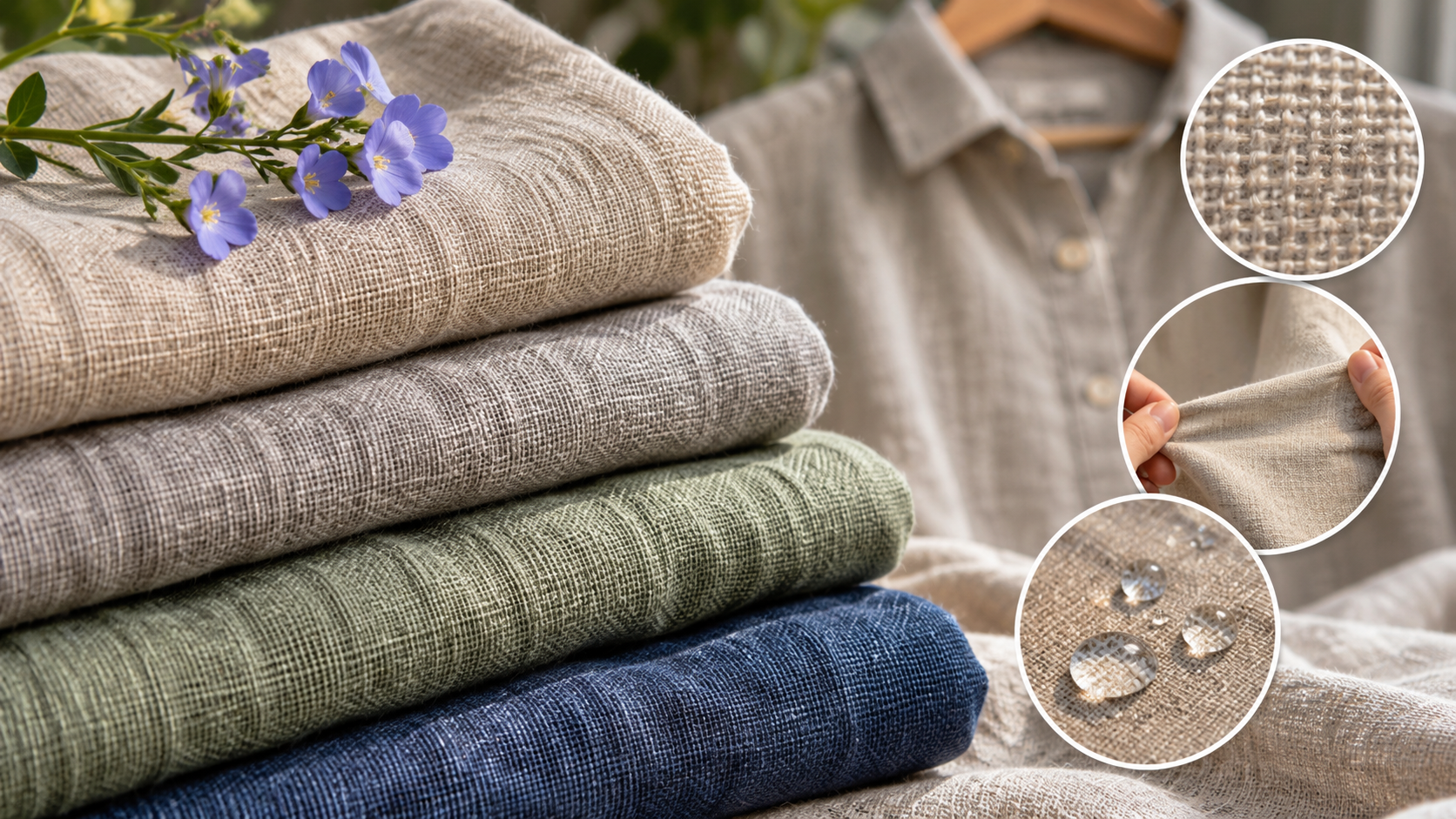
Exploring Linen Fabric Durability Assessment opens a fascinating window into the enduring nature of one of the world’s oldest textiles. Linen has been cherished through centuries for its remarkable strength and longevity, making it a staple in various cultures, from ancient Egypt to contemporary fashion. Its unique properties not only contribute to its durability but also reflect the changing perceptions of quality and resilience across different eras.
In this assessment, we delve into the various factors that influence linen’s lifespan, how it stands up against other fabrics, its role in sustainable fashion, testing methodologies, and future innovations. By understanding these dimensions, we can appreciate why linen remains a preferred choice for those seeking both durability and style.
The historical significance of linen in textile durability
Linen has played a crucial role in the history of textiles, celebrated for its durability and versatility. Dating back thousands of years, linen fabric has been utilized across various cultures, showcasing its remarkable resilience and adaptability. The fabric, made from the fibers of the flax plant, has not only been a practical choice for clothing and household items but also a symbol of quality and luxury in many societies.
The properties of linen that contribute to its durability stem from its unique fiber structure. Linen fibers are longer and stronger than those of many other textiles, providing exceptional tensile strength. This strength allows linen to withstand considerable wear and tear, making it ideal for everything from garments to heavy-duty textiles like sails and tents. Additionally, linen is known for its natural resistance to mold and mildew, further enhancing its longevity. Over time, linen actually becomes softer and more lustrous with repeated washing, disproving the notion that durability compromises comfort.
Cultural Utilization of Linen and Its Impact on Durability Perceptions
Throughout history, various cultures have embraced linen for its beneficial properties, solidifying its status as a durable fabric. In ancient Egypt, linen was highly revered, often associated with the elite, and used for mummification due to its strength and resistance to decay. This practice highlighted the fabric’s long-lasting nature and set a precedent for its value.
In Europe, during the Middle Ages, linen gained popularity among both the nobility and common folk. It was commonly used for undergarments and sheets, demonstrating its practicality and comfort. The durability of linen was so esteemed that its production was often regulated, ensuring quality standards that preserved its reputation.
Furthermore, in Asia, particularly in countries like China and Japan, linen was woven into traditional garments, demonstrating its versatility. The intricate designs and techniques used in these cultures showcased how linen could be transformed while maintaining its durability, which was crucial for everyday wear.
Linen’s historical significance is also reflected in its use in maritime applications. Sailboats relied on linen sails for their strength and ability to withstand harsh weather conditions, a testament to its durability. This aspect of linen has influenced perceptions throughout history, associating it with reliability and endurance.
In conclusion, the cultural significance of linen is deeply rooted in its durable nature, influencing how it has been perceived and valued across civilizations. From ancient Egypt to modern times, linen has proven itself to be a fabric that stands the test of time, both in functionality and as a statement of quality.
Factors influencing the durability of linen fabric
The durability of linen fabric is a multifaceted topic influenced by various key elements. Understanding these factors is essential for both manufacturers and consumers, as they significantly dictate the lifespan and usability of linen products. Here, we explore the critical aspects that contribute to the resilience of linen, ranging from the quality of the fibers to the techniques used in weaving.
Key Elements Affecting Linen Durability
Several factors directly impact the durability of linen, primarily involving the quality of the fibers and the weaving techniques employed.
To start with, the fiber quality plays a pivotal role. High-quality linen fibers, often sourced from long-staple varieties of the flax plant, exhibit superior strength and longevity compared to shorter fibers. The longer the fibers, the stronger the fabric, resulting in a product that can withstand the rigors of daily use without fraying or fading. Manufacturers should prioritize sourcing fibers that are not only strong but also free from defects, as these imperfections can lead to a decrease in durability.
In addition to fiber quality, the weaving techniques utilized are crucial in determining the fabric’s strength. A tighter weave generally enhances the durability of linen, making it more resistant to wear and tear. Techniques such as plain weave or sateen can provide different levels of durability; for instance, plain weave offers a more robust structure while allowing breathability. Conversely, looser weaves may result in a softer fabric but can compromise longevity.
Environmental Conditions Impacting Durability
Environmental conditions can either enhance or diminish the durability of linen. Exposure to high humidity can lead to mold and mildew, while excessive sunlight can cause fading. It is essential to store linen products in cool, dark places to prevent these adverse effects. Moreover, the type of climate in which the linen is used also plays a crucial role. In humid environments, linen may require more frequent washing and drying to maintain its quality, potentially leading to a shorter lifespan if not managed properly.
Care and Maintenance of Linen
Appropriate care and maintenance are fundamental in preserving the durability of linen fabric. Linen is naturally strong but can benefit greatly from careful handling.
For effective maintenance, it is essential to follow proper washing guidelines. Washing linen in cool water with a gentle detergent helps to remove dirt and stains without causing damage to the fibers. Moreover, avoiding bleach and harsh chemicals is crucial, as these can significantly weaken the fabric. After washing, air drying is preferable, as high heat from dryers can shrink or weaken the fibers over time.
Ironing linen while it is still slightly damp can help maintain its crisp appearance and smooth out wrinkles, but it’s vital to use the correct heat settings to avoid scorching the fabric.
Storing linen properly also plays a significant role in its longevity. It should be stored in a cool, dry place, ideally folded rather than hung, to prevent stretching and distortion. Regularly checking for signs of wear, such as fraying seams or fading colors, allows for early intervention, which can extend the life of the fabric.
By understanding and implementing these care practices, consumers can enjoy the natural beauty and durability of linen fabric for many years. Proper care not only enhances the lifespan but also preserves the unique qualities that make linen a favored choice in textiles.
Comparative analysis of linen with other fabrics in terms of durability
Linen fabric, known for its natural strength and breathability, holds its ground against various other materials like cotton, polyester, and wool in terms of durability. This analysis will delve into how linen stacks up against these popular fabrics, examining their respective strengths and weaknesses, and highlighting instances where linen excels in durability.
When assessing fabric durability, it’s crucial to consider how each material reacts to wear and tear over time. Linen is made from the fibers of the flax plant, providing it with a tensile strength superior to that of cotton, while also being more resistant to fraying, fading, and deterioration. In contrast, while polyester is highly resistant to stretching and shrinking, it can sometimes lack the comfort and breathability that linen provides. Wool, while durable and resilient, tends to be more prone to moth damage and pilling, which can compromise its longevity and appearance.
Durability Comparison with Other Fabrics
The comparison of linen with other fabrics reveals significant differences in durability characteristics. Each fabric has its unique set of qualities that affect its lifespan and performance in various applications.
- Linen vs. Cotton: Linen lasts longer than cotton primarily due to its inherent strength. Cotton may wear out more quickly, especially in high-friction areas like seams. Linen’s ability to withstand repeated washing without significant wear makes it a preferred option for items like tablecloths and bed linens.
- Linen vs. Polyester: Although polyester is highly durable and resistant to many forms of physical stress, it lacks the natural moisture-wicking properties of linen. Linen’s breathability makes it ideal for summer clothing, outperforming polyester in comfort despite its synthetic resilience.
- Linen vs. Wool: Wool is known for its excellent insulation and resilience; however, it is susceptible to moth damage and can pill over time, diminishing its appearance. Linen, on the other hand, remains crisp and durable, making it more suitable for formal wear and high-quality home textiles.
Examples of applications where linen outperforms other materials include high-end fashion garments, durable home textiles like curtains, and upholstery in areas of high use. The strength of linen allows it to maintain its structure and integrity, even in demanding uses, making it a wise investment for those seeking durability in their fabric choices.
In summary, while cotton, polyester, and wool each have their place in the fabric hierarchy, linen stands out as a remarkably durable option, especially in applications that prioritize both longevity and aesthetic appeal. The combination of its natural resilience and ability to age gracefully makes linen a fabric of choice for those who value durability.
The role of linen fabric in sustainable fashion and its durability
Linen fabric stands out in the realm of sustainable fashion, primarily due to its remarkable durability and eco-friendly production processes. This ancient textile, derived from the flax plant, has been cherished for centuries not only for its luxurious feel but also for its robust qualities that contribute to a sustainable lifestyle. The longevity of linen means that garments made from this material can endure the tests of time, reducing the need for frequent replacements and thereby minimizing waste in the fashion industry.
The sustainability of linen goes beyond its durability. The cultivation of flax requires less water compared to other crops like cotton, and it can thrive in poor soil conditions. This makes linen a more sustainable choice as it demands fewer resources to grow. Additionally, the production of linen involves minimal chemical treatments, further enhancing its eco-friendliness. These sustainable practices ensure that linen garments not only last longer but also have a reduced environmental impact from their inception to their end of life.
Examples of sustainable clothing brands using linen
Many clothing brands are embracing linen for its durability and sustainability, emphasizing ethical practices in their production processes. Below are some notable examples that showcase the increasing trend of using linen in sustainable fashion:
- Reformation: This brand prioritizes eco-friendly materials, including linen, which they use to create chic and long-lasting garments. Their commitment to sustainability includes transparent manufacturing processes and a focus on reducing waste.
- Patagonia: Known for its environmental activism, Patagonia incorporates linen into its collections to promote durability and sustainability. Their approach involves using recycled materials and ensuring fair labor practices throughout their supply chain.
- Amour Vert: This brand specializes in sustainable fashion by using organic linen sourced from eco-friendly farms. They create timeless pieces designed to last, emphasizing a slow fashion ethos.
- People Tree: A pioneer in sustainable and Fair Trade fashion, People Tree’s linen garments are made in ethical factories. Their focus on responsibly sourced materials makes their products a sustainable choice for environmentally conscious consumers.
- Everlane: Transparency is at the core of Everlane’s philosophy. They use linen in several of their eco-conscious clothing lines, highlighting their commitment to durability and sustainability.
- Eileen Fisher: This brand is dedicated to sustainable practices and uses linen in many of its collections. Eileen Fisher emphasizes quality and timeless designs, ensuring that their products are made to last.
- Nudie Jeans: Known for their sustainable denim, Nudie Jeans also offers linen pieces that focus on durability and responsible production. Their commitment to organic materials aligns with their overall sustainability goals.
These brands exemplify how the fashion industry is shifting towards more sustainable practices by incorporating durable materials like linen, thereby contributing to a more eco-conscious future.
Testing methods for assessing linen fabric durability
Assessing the durability of linen fabric is vital to ensure its suitability for various applications, ranging from fashion to home textiles. Durability testing involves a series of evaluations that help determine how well linen can withstand different stresses and conditions, thus providing valuable insights to both manufacturers and consumers. The methods used in these assessments are standardized to ensure consistency and reliability across different laboratories and industries.
There are several methods employed in laboratories and industries to evaluate the durability of linen fabric. These methods are designed to simulate real-world conditions that fabrics may encounter during use. Some of the key testing methods include abrasion resistance, tensile strength, and colorfastness. Each of these tests evaluates a specific aspect of fabric durability, contributing to a comprehensive understanding of the material’s performance.
Abrasion Resistance and Tensile Strength Testing
Abrasion resistance testing measures how well the fabric can withstand wear from friction, which is essential for items like apparel and upholstery. This test often employs standardized equipment, such as the Martindale abrasion tester, which subjects the fabric to repeated rubbing against a specified abrasive surface. The results indicate the number of rubs the fabric can endure before visible wear occurs.
Tensile strength testing determines how much force a fabric can withstand before it tears or breaks. This is crucial for applications where the fabric will experience significant stress, such as in outdoor gear or heavy-duty work clothing. The test involves applying a consistent pulling force to the fabric until failure occurs, providing data on the maximum load the fabric can bear.
Understanding these testing methods is essential for both consumers and manufacturers. For consumers, knowing the durability of a fabric like linen ensures they make informed choices about their purchases, particularly when investing in higher-priced items. Durable fabrics can offer longer-lasting performance, reducing the need for frequent replacements.
For manufacturers, durability testing helps maintain product quality and customer satisfaction. By adhering to standardized testing methods, manufacturers can ensure their products meet industry benchmarks, enhancing their reputation and reducing the likelihood of returns due to fabric failure. In a competitive market, the ability to demonstrate the durability of linen fabric through these assessments can provide a significant advantage.
The future of linen fabric durability in textile innovation
As we continue to explore the fascinating realm of textile innovation, linen fabric stands out due to its remarkable durability and eco-friendliness. Recent advancements in technology have significantly enhanced the lifespan and resilience of linen textiles, making them a go-to choice for sustainable fashion. Understanding these innovations can help both manufacturers and consumers appreciate the potential of linen in an evolving industry.
Advancements in technology enhancing linen durability
In recent years, there have been noteworthy advancements in textile technology that directly impact linen fabric durability. This includes innovations in fiber treatment and weaving techniques that increase the strength and longevity of linen products. Modern fiber treatments, such as antimicrobial finishes and water-resistant coatings, protect linen from wear and tear, while also making it easier to maintain. These treatments not only extend the fabric’s life but also enhance comfort and usability for consumers.
Moreover, smart textile technology is playing an essential role in reshaping how linen is produced and used. For instance, combining linen fibers with synthetic materials can create hybrid fabrics that retain the natural charm of linen while benefiting from the durability of man-made fibers. This results in products that endure the rigors of everyday life, appealing to consumers focused on long-lasting quality.
Innovative practices in fabric treatment
Innovative practices in fabric treatment have taken a front seat in ensuring the longevity of linen textiles. Techniques such as enzyme washing and silicone finishing help soften the fabric while preserving its strength. These processes ensure that linen remains comfortable next to the skin without compromising its durability.
Additionally, sustainable practices like using natural dyes and eco-friendly chemical treatments promote not only durability but also environmental responsibility. This growing trend supports consumers’ desire for products that align with their values, thereby increasing the appeal of linen in the market.
Potential for linen in future fashion trends focusing on durability
The potential for linen in future fashion trends is immense, particularly with a focus on durability. As the fashion industry continues to address concerns over sustainability and waste, linen stands out as a biodegradable fiber that inherently possesses durability. Designers are increasingly incorporating linen into their collections, emphasizing its strength and versatility.
Real-world examples highlight this trend; brands such as Eileen Fisher and Everlane are leveraging linen for their minimalist designs, promoting not only style but also the longevity of their garments. These brands recognize that consumers now prioritize investment in pieces that will last, rather than disposable fashion.
Furthermore, as global awareness of environmental impact grows, linen’s natural resilience makes it an attractive alternative in sustainable fashion. The use of linen in a variety of products, from casual wear to formal attire, allows for a broader market appeal.
In conclusion, the future of linen fabric durability is not just about maintaining its legacy but also about embracing innovations that cater to the evolving needs of consumers. With technological advancements, thoughtful fabric treatment practices, and a strong position in the sustainable fashion movement, linen is poised to remain a significant player in the fabric industry for years to come.
Care tips for maintaining the durability of linen fabrics
Linen fabrics are beloved for their breathability, strength, and natural luster, making them a popular choice for clothing and home textiles. However, to ensure that these attributes endure over time, proper care is essential. By following a few simple tips, you can significantly extend the lifespan of your linen items and keep them looking their best.
The care methods for linen fabrics involve several important aspects: washing, drying, and storing. Each of these plays a crucial role in preserving the integrity of the fibers and preventing common issues such as fading, fraying, or losing shape. Understanding the right techniques can help avoid mistakes that lead to premature wear and tear.
Washing Techniques for Linen Fabrics
Washing linen properly is a key factor in maintaining its durability. Here are some essential guidelines for washing your linen items:
- Use Cold Water: Always opt for cold water rather than hot to prevent shrinkage and fading. Linen fibers can contract in high temperatures, affecting the fabric’s fit and appearance.
- Gentle Cycle: Wash linen on a gentle cycle to reduce agitation. This helps prevent the fabric from becoming misshapen or damaged.
- Use Mild Detergent: Choose a mild detergent that is free of bleach and harsh chemicals. These substances can erode the natural fibers of linen over time.
Drying Instructions for Linen Fabrics
Proper drying methods are equally important for preserving the quality of linen. Follow these tips to minimize the risk of damage:
- Avoid Heat: Never use a dryer on high heat. Instead, use a low heat setting or air dry your linen. High temperatures can weaken the fabric and cause it to shrink.
- Hang to Dry: Hanging linen items to dry is a great way to maintain their shape and prevent wrinkles. Use a padded hanger to avoid stretching out delicate areas.
- Iron While Damp: If wrinkles do form, it is best to iron linen while it is still slightly damp. This makes it easier to achieve a crisp finish without damaging the fibers.
Storing Linen Fabrics
The way you store your linen items can significantly impact their longevity. Take these precautions:
- Store in a Cool, Dry Place: Excessive moisture can lead to mold and mildew growth. Ensure that your storage area is dry and well-ventilated.
- Avoid Plastic Bags: Use breathable cotton or linen storage bags instead of plastic to prevent moisture buildup and allow the fabric to breathe.
- Fold Carefully: When folding linen, try to avoid sharp creases that can become permanent. Consider using acid-free tissue paper to pad folds.
“Linen is a natural, sustainable fabric that can last a lifetime with proper care.”
By adhering to these care tips for washing, drying, and storing, you can help ensure that your linen fabrics remain durable, vibrant, and a cherished part of your wardrobe or home decor for years to come.
Final Conclusion
In conclusion, the Linen Fabric Durability Assessment reveals that this timeless material is not only built to last but also aligns perfectly with modern sustainability practices. The insights gained from our exploration into its historical significance, care methods, and innovation prospects highlight linen’s exceptional qualities. As consumers become more conscious of their choices, linen’s enduring appeal is likely to grow, ensuring its place at the forefront of the textile industry for years to come.
FAQ Section
What makes linen fabric durable?
Linen’s durability comes from its long, strong fibers that are naturally resistant to wear and tear, as well as its moisture-wicking property which helps maintain its integrity over time.
How should I wash linen to maintain its durability?
It’s best to wash linen in cold water with a gentle detergent and avoid bleach. Air drying is recommended to prevent damage from high heat in dryers.
Can linen fabric tear easily?
While linen is strong, it can tear if subjected to sharp objects or extreme stress. Proper care and avoiding excessive friction can help prevent this.
Is linen more durable than cotton?
Generally, linen is more durable than cotton due to its stronger fibers and better resistance to degradation, especially with proper care.
How does environmental condition affect linen’s durability?
Excessive humidity can weaken linen fibers over time, while dry conditions can help maintain its structure. Proper storage in a controlled environment is essential.