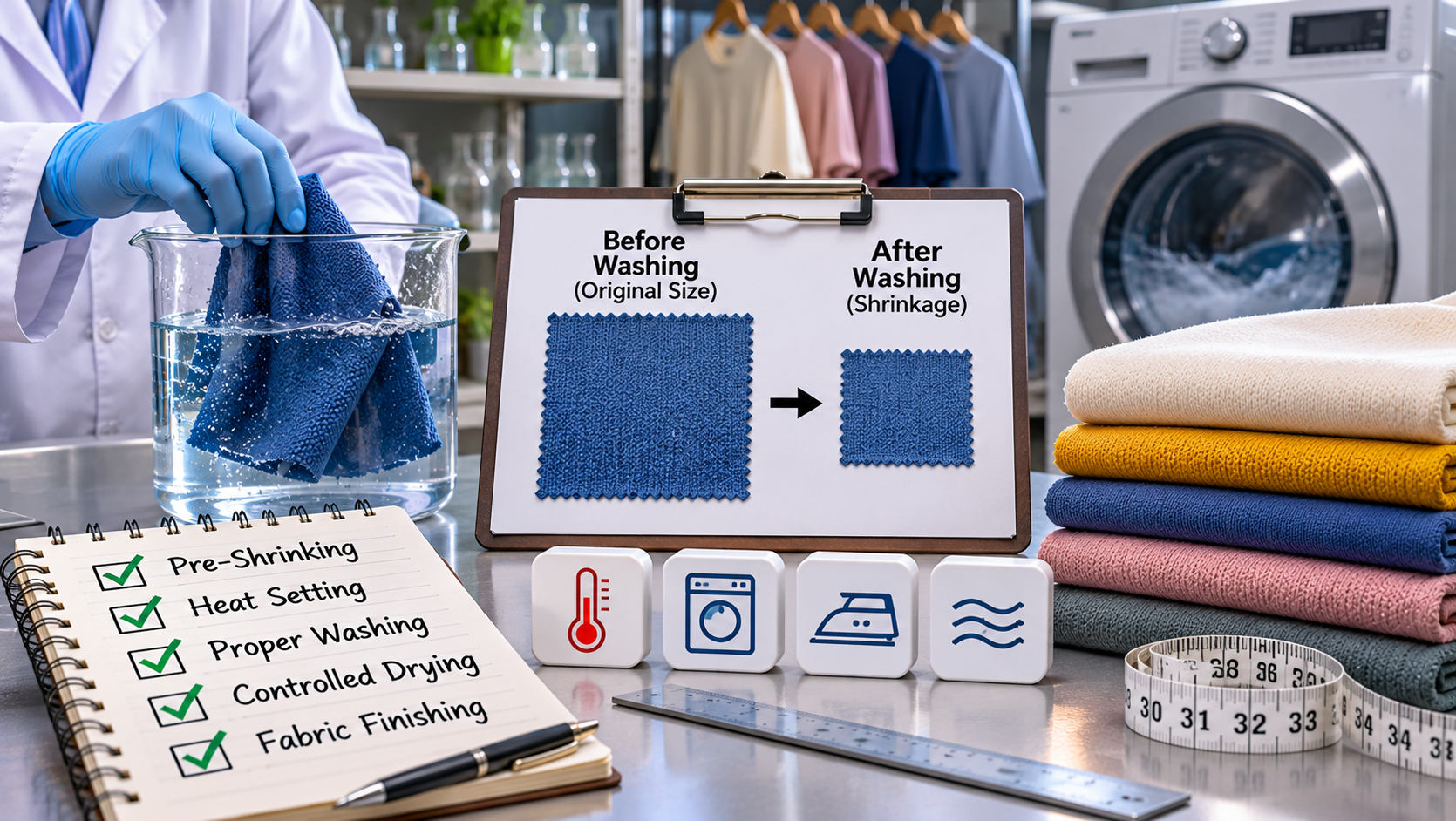
Fabric shrinkage can be a frustrating issue for consumers and manufacturers alike. Understanding the underlying causes can help in implementing effective solutions. Whether it’s due to the type of fibers used, the construction of the fabric, or the washing and drying methods employed, shrinkage is a multifaceted problem that impacts garments and other textile products.
This overview dives into various methods to control shrinkage, examining mechanical techniques, chemical treatments, and the latest innovations in fabric care. By exploring these practices, we can better appreciate how they contribute to consumer satisfaction and the longevity of textiles.
Understanding the Causes of Fabric Shrinkage
Fabric shrinkage is a common concern in the textile industry, affecting the quality and longevity of garments. Understanding the causes of shrinkage is crucial for manufacturers and consumers alike, as it directly impacts the usability and appearance of fabric products. Several factors contribute to fabric shrinkage, including fiber types, fabric construction, and environmental conditions.
The washing and drying methods employed have a significant impact on the shrinkage process. Different fibers respond uniquely to moisture, heat, and agitation. For instance, natural fibers like cotton and wool tend to absorb moisture, swell, and then contract when dried, resulting in shrinkage. In contrast, synthetic fibers such as polyester are engineered to resist shrinkage due to their chemical properties. Additionally, the construction of the fabric—such as the weave or knit type—can influence how much a fabric will shrink. Tightly woven fabrics may resist shrinkage better than loosely woven ones.
Moreover, environmental conditions including temperature and humidity play a role in the behavior of the fibers during washing and drying processes. High temperatures can exacerbate shrinkage in natural fibers, while cooler temperatures may mitigate this effect. It is also essential to consider the methods used in washing and drying, as both can create conditions that trigger shrinkage. For example, machine drying at high settings can lead to more significant fiber contraction than air drying.
When it comes to pre-shrinking, this process is essential in fabric production. Pre-shrinking allows manufacturers to wash and dry the fabric before it is cut and sewn into garments. This proactive measure ensures that any potential shrinkage is addressed early in the production process, leading to higher consumer satisfaction. By offering pre-shrunk fabrics, manufacturers can provide a more consistent fit and reduce the likelihood of customer complaints regarding size discrepancies after washing. This not only enhances the quality of the finished product but also builds trust and loyalty among consumers who appreciate the foresight of pre-shrinking practices.
Overview of Common Fabric Shrinkage Control Methods
Fabric shrinkage is a common issue in the textile industry that can affect the fit, appearance, and overall quality of garments. To combat this issue, various methods have been developed, ranging from mechanical techniques to chemical treatments and heat application strategies. Understanding these methods can guide manufacturers in selecting the most effective approach for different fabric types and consumer needs.
Common Methods for Controlling Fabric Shrinkage
This section will explore the various methods used to control shrinkage in fabrics, highlighting their effectiveness, advantages, and disadvantages. These methods can broadly be categorized into mechanical methods, chemical treatments, and heat application techniques.
| Method | Description | Pros | Cons |
|---|---|---|---|
| Mechanical Methods | Involves physical processes like stretching, relaxing, and pre-shrinking fabrics. |
|
|
| Chemical Treatments | Use of agents like resins or softeners that modify the fabric structure at a molecular level. |
|
|
| Heat Application Techniques | Involves the controlled application of heat to stabilize fibers and reduce shrinkage potential. |
|
|
In terms of mechanical methods, the most common technique is the “pre-shrinking” process, where fabrics are treated before they are cut and sewn into garments. This method not only reduces shrinkage but can also enhance the fabric’s overall texture. Chemical treatments like resin finishing can provide a more permanent solution to shrinkage as they restructure the fibers chemically. Finally, heat application techniques involve the use of steam or controlled heat in finishing processes to stabilize the fabric. Each of these methods has its unique advantages and challenges, which manufacturers must consider when selecting the most appropriate approach for their products.
Choosing the right shrinkage control method is crucial for maintaining fabric integrity and ensuring customer satisfaction.
The Role of Fabric Pretreatment in Shrinkage Control
Fabric pretreatment plays a crucial role in minimizing shrinkage, enhancing the overall quality and durability of textiles before they reach consumers. These processes, conducted primarily by manufacturers, involve a series of treatments aimed at preparing fabrics for dyeing, printing, and eventual use. By addressing issues such as dirt, oil, and inherent fiber properties, pretreatments help stabilize the fabric structure and reduce the likelihood of shrinkage during washing and wearing.
One of the primary pretreatment processes is scouring, which removes impurities and natural waxes from the fibers. This method not only cleans the fabric but also allows for better absorption of dyes and finishes. During scouring, the fabric is treated with alkaline solutions, which effectively break down and wash away unwanted materials. As a result, scoured fabrics tend to have a more uniform structure, leading to reduced shrinkage after laundering. Another widely used pretreatment is bleaching, which lightens the fabric by removing color and enhancing whiteness. Bleached fabrics generally exhibit less shrinkage, as the process helps to relax the fibers and stabilize their structure. However, it’s important to note that excessive bleaching can weaken the fibers, potentially leading to undesired effects over time.
The long-term effects of these pretreatments are significant. Fabrics that undergo scouring and bleaching are less prone to shrinkage overall, maintaining their original size and shape through multiple washes. This aspect is particularly valuable for consumers who seek durability in their clothing and home textiles.
To illustrate the effectiveness of these pretreatments, consider the following comparison of shrinkage rates between treated and untreated fabrics:
| Fabric Type | Shrinkage Rate (Treated) | Shrinkage Rate (Untreated) |
|---|---|---|
| Cotton | 3% | 10% |
| Polyester | 2% | 8% |
| Wool | 5% | 15% |
The effectiveness of fabric pretreatment processes significantly reduces shrinkage rates, ensuring garments retain their intended fit and appearance.
Impact of Fabric Composition on Shrinkage Control
The composition of fabric plays a crucial role in determining its shrinkage properties and, subsequently, the methods employed to control that shrinkage. Understanding how different fibers interact under various conditions can help manufacturers and consumers alike mitigate the unwanted effects of shrinkage after washing and drying. By analyzing both natural and synthetic fibers, we can appreciate the implications of fabric blends and the specific responses exhibited during the shrinkage process.
Fabrics can be broadly categorized into natural fibers, such as cotton, wool, and linen, and synthetic fibers, like polyester, nylon, and acrylic. Each type has its unique molecular structure, which significantly influences shrinkage behavior. Natural fibers tend to be more absorbent and undergo greater dimensional changes when exposed to heat and moisture, making them prone to shrinkage. On the other hand, synthetic fibers are generally more stable and exhibit lower shrinkage rates due to their inherent properties, such as elasticity and resistance to moisture. However, blends of these fibers can create a complex interaction that affects shrinkage control methods.
For instance, a common blend is cotton-polyester, which combines the comfort of cotton with the durability of polyester. This blend typically exhibits less shrinkage than 100% cotton, as the synthetic fiber lends stability. Another example is wool-acrylic blends, which can also reduce the tendency of wool to shrink and felt when washed. While blends can mitigate shrinkage, they may also introduce challenges in terms of care instructions and washing temperatures.
Understanding the specific responses of various fabric types to washing and drying processes is essential for developing effective shrinkage control measures. Key examples of fabric types and their shrinkage responses include:
- Cotton: Exhibits significant shrinkage, often up to 5-10%, when washed in hot water.
- Wool: Prone to felting and shrinkage, particularly if agitated in water; can shrink up to 30% in extreme cases.
- Polyester: Generally stable with minimal shrinkage, usually less than 1%, when exposed to typical laundering conditions.
- Cotton-Polyester Blends: Show reduced shrinkage, typically around 2-4%, making them easier to maintain.
- Linen: Can shrink approximately 4-6% but often relaxes back to original size after washing.
Through this exploration, it is evident that the composition of fabrics significantly influences shrinkage behavior, and understanding these properties is essential for selecting appropriate shrinkage control methods. Taking into account the unique characteristics of each fabric type allows consumers and manufacturers to make informed decisions on care and treatment, ultimately leading to better longevity and performance of textile products.
“The blend of fibers can reduce shrinkage, but understanding the care methods is crucial for maintaining fabric integrity.”
Innovations in Fabric Shrinkage Prevention Techniques
The textile industry constantly evolves, particularly regarding fabric performance and durability. One significant challenge manufacturers face is fabric shrinkage, which can lead to customer dissatisfaction and increased production costs. However, recent innovations in fabric treatment and material science have paved the way for advanced techniques aimed at reducing shrinkage, ultimately enhancing the overall quality of textiles.
Recent advancements in technology focus on developing new materials and methods to combat fabric shrinkage effectively. These innovations leverage both synthetic and natural fibers, incorporating state-of-the-art processing techniques. For instance, moisture management technologies have emerged, allowing fabrics to maintain their shape and size through innovative moisture-wicking properties. Additionally, the use of advanced polymers, such as polyamide and polyester blends, has shown promising results in minimizing shrinkage while providing breathability and comfort.
Moreover, nanotechnology has introduced a new dimension in fabric treatment, where nanoparticles are applied to fibers to create a protective barrier against shrinkage. These treatments significantly improve the fabric’s dimensional stability, allowing it to withstand the rigors of washing and drying without losing its intended size. Furthermore, the chemical treatments that are now available, such as shrinkage-resistant finishes, enhance fabric performance without compromising its feel or aesthetic appeal.
The implications of these innovations on the textile industry are profound. First, they lead to increased consumer satisfaction due to improved fabric quality. Customers are more likely to purchase garments that maintain their shape and size over time, reducing return rates and enhancing brand loyalty. Additionally, the reduction in fabric shrinkage can significantly decrease manufacturing waste, as fewer defective items mean less material wasted in the production process. This aligns well with the industry’s growing focus on sustainability.
A notable case study highlighting these innovations can be seen in a collaboration between a major clothing brand and a textile technology company that developed a new line of fabric treated with an advanced shrink-resistant finish. Tests showed that garments made from this fabric maintained their original dimensions after multiple washes, resulting in a 40% decrease in customer returns. This success not only boosted the brand’s reputation for quality but also led to increased sales as consumers became more aware of the benefits of investing in high-performance textiles.
Another example involves a sportswear manufacturer that integrated moisture management technologies into its fabric production process. The result was a line of athletic wear that not only resisted shrinkage but also provided superior comfort and flexibility. This innovation attracted a new segment of health-conscious consumers, further driving the company’s growth and establishing their position in a competitive market.
In summary, the latest innovations in fabric shrinkage prevention techniques are reshaping the textile industry. By adopting advanced materials and processing methods, manufacturers can produce high-quality textiles that meet consumer expectations, reduce waste, and promote sustainability.
Consumer Education on Fabric Care and Maintenance
Educating consumers on proper fabric care is essential to prevent shrinkage and prolong the life of garments. Many consumers remain unaware of how their handling of fabrics can lead to unwanted shrinkage, which often results in disappointment and waste. By providing clear guidance on maintenance, we can help consumers make informed choices and preserve the integrity of their clothing.
The relationship between washing and drying techniques and fabric longevity is vital. Appropriate methods can significantly minimize the risk of shrinkage, ensuring that garments maintain their original fit and appearance over time. Here are best practices for fabric maintenance, which effectively reduce shrinkage:
Best Practices for Fabric Maintenance
Implementing proper maintenance techniques can greatly benefit the lifespan of fabrics. The following practices should be adopted:
- Always read care labels: They provide specific instructions tailored to each fabric type.
- Use cold water for washing: Cold water helps maintain fabric integrity and reduces shrinkage.
- Avoid high heat during drying: Opt for low heat settings or air drying to prevent fabric contraction.
- Wash similar fabrics together: This prevents damage from friction and ensures even cleaning.
- Limit washing frequency: Unless necessary, wear garments multiple times before washing to extend their life.
- Use a gentle cycle: This reduces agitation and wear on delicate fabrics.
Proper washing and drying techniques can extend the life of fabrics substantially. Washing clothes in cold water not only conserves energy but also minimizes the risk of fibers tightening, a primary cause of shrinkage. Additionally, tumble drying on low heat or air drying allows fabrics to maintain their shape without the stress of high temperatures. This is particularly important for natural fibers like cotton and wool, which are more prone to shrinking.
By implementing these careful practices, consumers can enjoy their garments for longer while also reducing their environmental footprint through less frequent replacements.
Environmental Considerations in Shrinkage Control Methods
The textile industry has long grappled with the challenge of fabric shrinkage, employing various methods to mitigate this issue. However, many traditional shrinkage control methods are not environmentally friendly and can lead to significant ecological impacts. As awareness of sustainable practices grows, there is a pressing need to explore eco-friendly alternatives that can help manufacturers reduce their carbon footprint while maintaining fabric quality.
Traditional shrinkage control methods often rely on chemicals and high-energy processes. For instance, heat-setting and chemical treatments can consume vast amounts of energy and water, contributing to resource depletion and pollution. These practices can result in harmful discharges into water systems due to residual chemicals, adversely affecting aquatic life and local ecosystems. In contrast, eco-friendly alternatives offer more sustainable solutions, reducing environmental harm while effectively controlling shrinkage.
Sustainable Practices for Manufacturers
To minimize their ecological footprint, manufacturers can adopt several sustainable practices throughout the shrinkage control process. These practices focus not only on reducing waste and energy consumption but also on promoting the use of eco-friendly materials and methods. Here are some key strategies:
1. Natural Fiber Utilization: Using natural fibers such as organic cotton, linen, or hemp can drastically reduce reliance on synthetic materials and the associated chemical treatments required for shrinkage control. These fibers often have better inherent shrink resistance and biodegradability.
2. Waterless Dyeing Technologies: Innovations in dyeing methods, such as supercritical CO2 dyeing, eliminate the need for water in the dyeing process. This technology not only conserves water but also minimizes chemical runoff, offering a significant advantage over traditional methods.
3. Biodegradable Treatments: Utilizing biodegradable chemical agents for shrinkage control can help manufacturers avoid harmful environmental impacts. These treatments break down naturally in the environment, reducing pollution.
4. Energy-efficient Processes: Implementing energy-efficient technologies, such as solar power or heat recovery systems, can significantly cut down energy usage during the fabric treatment processes.
5. Recycling and Upcycling: Encouraging recycling and upcycling of textiles reduces the need for new raw materials, thereby decreasing energy consumption and waste in the production process.
To summarize these eco-friendly alternatives compared to traditional shrinkage control methods, the following table provides an assessment of their effectiveness:
| Method | Environmental Impact | Effectiveness |
|---|---|---|
| Traditional Chemical Treatments | High pollution risk, chemical runoff | Effective but harmful |
| Natural Fiber Utilization | Lower ecological impact, sustainable | Good shrink resistance |
| Waterless Dyeing Technologies | Significant water conservation | High quality, effective colors |
| Biodegradable Treatments | Minimal environmental footprint | Effective, eco-friendly |
| Energy-efficient Processes | Reduces carbon emissions | Maintains quality while conserving energy |
Outcome Summary
Ultimately, mastering fabric shrinkage control methods is essential for both manufacturers and consumers. By combining education on proper fabric care with innovative technologies and sustainable practices, we can ensure that our textiles remain in optimal condition. This not only satisfies consumer needs but also promotes a more sustainable textile industry.
Top FAQs
What is fabric shrinkage?
Fabric shrinkage refers to the reduction in the size of the fabric after washing or exposure to certain conditions.
Can all fabrics shrink?
Yes, most fabrics can shrink to some degree, but the extent varies based on the fabric type and treatment.
Are there fabrics that do not shrink?
Synthetic fabrics like polyester and nylon are less prone to shrinkage compared to natural fibers like cotton and wool.
What is pre-shrinking?
Pre-shrinking is a manufacturing process that reduces the likelihood of shrinkage in the finished product by treating the fabric before it is cut and sewn.
How can I prevent shrinkage at home?
To prevent shrinkage, wash fabrics in cold water, avoid high heat drying, and follow care label instructions closely.