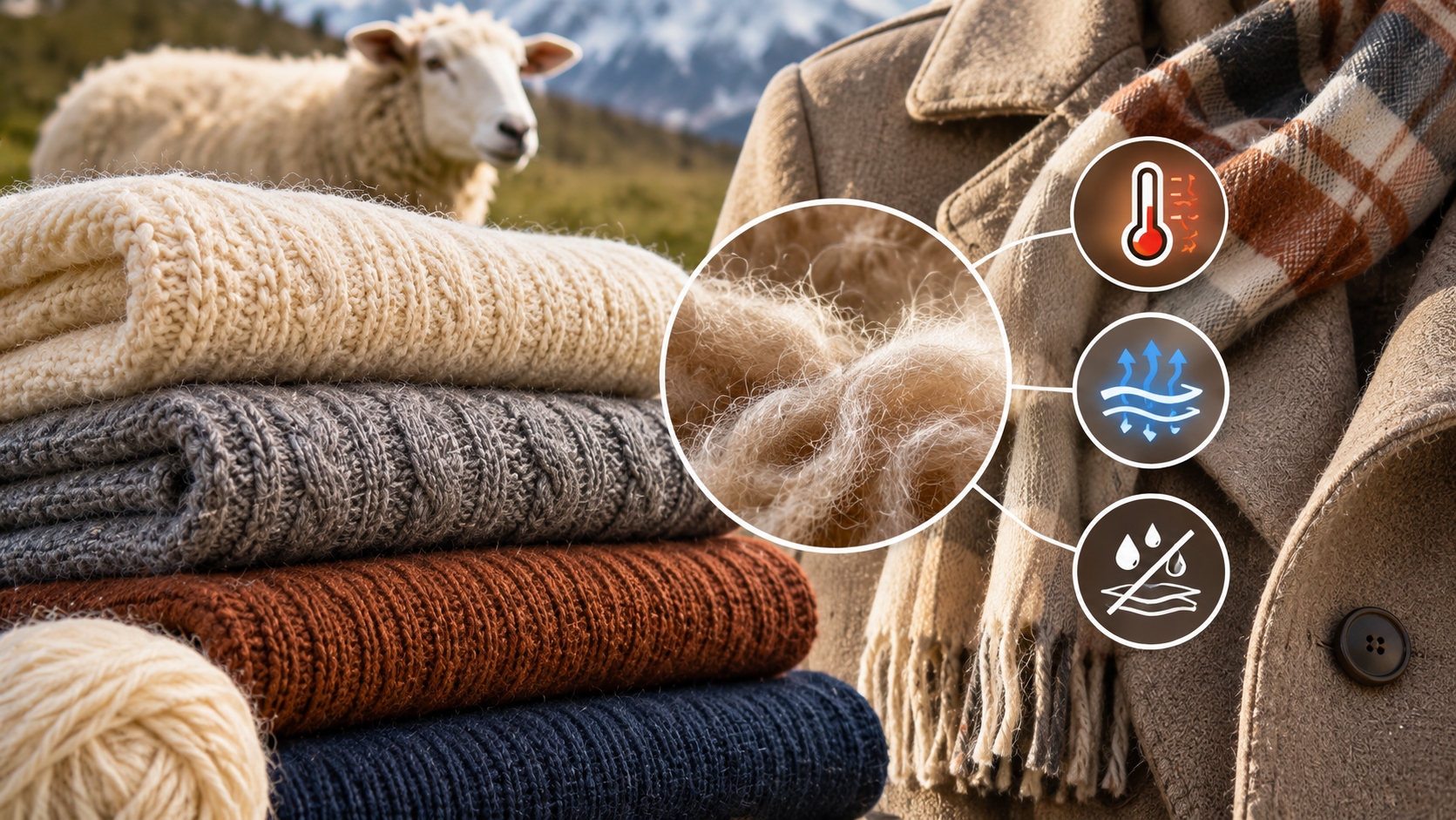
Kicking off with Wool Fabric Insulation Properties, this overview dives into the remarkable characteristics that make wool a top choice for insulation. From clothing to construction, understanding these properties reveals why wool stands out in both thermal and acoustic applications.
The science behind wool’s thermal insulation lies in its unique fiber structure, which traps air and reduces heat transfer. This natural material not only provides warmth but also excels at moisture management, making it a versatile option across various environments. The sustainability of wool production further enhances its appeal, as it offers ecological advantages over synthetic alternatives.
Wool fabric’s thermal insulation capabilities are essential in various applications.
Wool fabric has been used for centuries due to its unique thermal insulation properties that cater to various needs, from clothing to construction. Understanding the science behind wool’s insulation capabilities reveals why it stands out among other materials, particularly in an era where energy efficiency and sustainability are paramount.
The thermal insulation properties of wool stem from its fibrous structure and unique characteristics. Wool fibers consist of a natural crimp that traps air within the fabric, creating a thermal barrier. This air layer serves as an insulator, minimizing heat transfer between the body and the surrounding environment. The effectiveness of wool as an insulator can be attributed to its low thermal conductivity, which is around 0.04 W/mK, making it significantly better than many synthetic alternatives. Wool also possesses hygroscopic properties, meaning it can absorb moisture without feeling wet, allowing it to regulate temperature effectively. When moisture evaporates, it generates a cooling effect, while in colder conditions, it retains heat, enhancing the comfort level for wearers.
Properties Contributing to Wool’s Insulating Abilities
Several specific properties contribute to wool’s exceptional insulating capabilities, making it a preferred choice in various applications:
- Natural Crimp: The natural wave-like structure of wool fibers traps air, providing superior insulation by creating multiple pockets of still air.
- Moisture Management: Wool can absorb up to 30% of its weight in moisture without feeling damp, allowing it to wick away sweat and enhance comfort.
- Thermal Comfort: Wool maintains a consistent temperature, providing warmth in winter and breathability in summer.
- Biodegradability: As a natural fiber, wool is environmentally friendly and degrades without harmful effects, appealing to eco-conscious consumers.
- Flame Resistance: Wool has a natural resistance to flames, offering safety advantages in various applications.
When comparing wool’s thermal performance to synthetic materials, it becomes clear that while synthetic fibers may offer certain advantages, such as moisture-wicking properties and lightweight characteristics, they often fall short in insulation performance. Wool, for example, can retain heat even when wet, a feature synthetic materials struggle to match. In practical terms, clothing and insulation made from wool often outperform synthetic alternatives in cold or damp conditions, offering superior warmth and comfort.
In summary, wool fabric’s thermal insulation capabilities are underpinned by its unique structure and properties, making it a versatile and effective solution in numerous applications, from outdoor apparel to building insulation.
Understanding moisture management properties of wool fabric.
Wool fabric is renowned for its unique moisture management properties, which play a pivotal role in maintaining comfort and insulation effectiveness. Wool’s ability to absorb moisture while still providing warmth is a remarkable feature that sets it apart from many synthetic materials. This characteristic is vital for various applications, from clothing to home insulation, ensuring a cozy environment regardless of external conditions.
Wool can absorb and temporarily hold moisture vapor, which contributes significantly to its insulation properties. This ability allows wool to maintain warmth by preventing the chilly effects of dampness. When wool fibers absorb moisture, they swell, creating air pockets that enhance thermal insulation. This moisture absorption can also aid in regulating body temperature, making it an excellent choice for both outdoor wear and home insulation materials.
Moisture-wicking properties in clothing and home insulation
The moisture-wicking properties of wool are essential in both clothing and insulation applications, as they help manage humidity and temperature. These properties enable the fabric to draw moisture away from the skin, keeping the wearer dry and comfortable. The significance of these properties can be emphasized with the following points:
- The ability to wick moisture away from the body helps prevent chilling during physical activities, making wool an ideal choice for outdoor enthusiasts.
- In home insulation, wool can absorb excess moisture in the air, contributing to a healthier indoor environment by reducing the risk of mold and mildew.
- Wool’s natural breathability ensures that moisture is released when the environment dries out, preventing the accumulation of dampness within insulation systems.
The impact of moisture management in wool is evident in various scenarios, particularly in regions with fluctuating climates or during seasonal changes. For instance, in cold and damp environments, wool insulation can significantly enhance indoor comfort by absorbing moisture from the air, while still retaining heat. Similarly, for athletes and outdoor workers, wool clothing can provide crucial warmth and dryness, supporting performance and comfort during strenuous activities.
Wool’s ability to manage moisture effectively makes it a versatile fabric, suitable for both insulation and clothing applications.
The ecological advantages of using wool as an insulating material.
Wool is not just an effective insulator, but it also offers significant ecological advantages that make it a leading choice in sustainable building materials. As awareness of environmental issues rises, the appeal of wool insulation becomes increasingly clear. This natural fiber presents various benefits, particularly in comparison to synthetic alternatives, highlighting its role in promoting sustainability and reducing environmental impact.
Wool production is inherently more sustainable than synthetic alternatives, such as fiberglass or foam insulation. Unlike these materials, which are often derived from petroleum, wool is a renewable resource sourced from sheep. The process of sheep farming can be managed sustainably with practices that promote the well-being of the animals and the land. Additionally, sheep contribute to land maintenance by grazing, which helps to maintain grasslands and prevents overgrowth. Notably, wool is biodegradable; when disposed of, it will naturally decompose, returning nutrients to the soil, whereas synthetic insulation can persist in landfills for hundreds of years.
Sustainability aspects of wool production
The sustainability of wool production is characterized by various factors that contribute to its ecological advantages.
- Renewable Resource: Sheep provide wool annually without harming them, making it a renewable source of insulation.
- Minimal Chemical Use: Wool production typically involves fewer chemicals compared to synthetic fiber production, reducing environmental pollution.
- Natural Lifecycle: Wool decomposes naturally, enriching the soil and minimizing landfill waste.
- Carbon Sequestration: Sheep farming can contribute to carbon storage in soil, helping mitigate climate change.
Wool insulation also brings numerous environmental benefits to buildings and clothing. Wool has excellent thermal properties, which means it helps regulate indoor temperatures, reducing the need for artificial heating and cooling. This energy efficiency results in lower greenhouse gas emissions associated with utilities. Furthermore, wool is hygroscopic, allowing it to absorb moisture and regulate humidity levels in buildings, which can improve indoor air quality and reduce the risk of mold growth.
Environmental benefits of wool insulation in buildings
The advantages of wool as insulation extend beyond thermal performance to encompass broader environmental impacts.
- Energy Efficiency: High thermal resistance ensures less energy consumption for heating and cooling, leading to lower carbon footprints.
- Indoor Air Quality: Wool’s moisture-regulating capacity minimizes mold and allergens, promoting healthier living spaces.
- Fire Resistance: Wool is naturally fire-resistant, providing an added layer of safety without the use of harmful additives.
- Sound Absorption: Wool insulation effectively dampens sound, improving the acoustic comfort of buildings.
The lifecycle of wool insulation also highlights its recyclability and long-term sustainability. Wool products can be reused in various applications, and when they reach the end of their life cycle, they can be composted or recycled into new products. Unlike synthetic materials, which often require energy-intensive recycling processes or end up in landfills, wool’s natural properties allow it to break down safely and contribute positively to the environment.
Lifecycle and recyclability of wool insulation
Understanding the lifecycle of wool insulation provides insight into its environmental impact from production to disposal.
- Production: Sheep are raised sustainably, and wool is harvested with minimal environmental impact.
- Use Phase: Wool insulation provides long-lasting thermal performance, reducing energy use over its lifespan.
- End of Life: Wool can be composted or reused, minimizing waste and promoting circular economy principles.
- Environmental Impact: The entire lifecycle of wool insulation has a lower carbon footprint compared to synthetic alternatives.
The role of wool fabric in sound insulation.
Wool fabric is not just celebrated for its warmth and comfort; it also plays a significant role in sound insulation. With the increasing focus on sustainable materials and eco-friendly building practices, wool has emerged as an effective solution for noise reduction in various environments, from residential homes to commercial spaces. Understanding how wool contributes to soundproofing can enlighten decisions in design and construction, making it a material worth considering for acoustic insulation.
Wool’s unique structural properties make it particularly effective in absorbing sound. The fibrous nature of wool creates a complex network that traps sound waves, preventing them from bouncing off surfaces and causing echo. This ability to absorb sound is primarily due to the density and elasticity of wool fibers. When sound waves encounter wool, they cause the fibers to vibrate, transforming acoustic energy into heat. This process results in lower noise levels, making spaces more quiet and comfortable.
Properties of wool that enhance acoustic insulation
Several characteristics contribute to wool’s effectiveness in sound insulation, and understanding these properties can highlight why it is often preferred over synthetic alternatives.
- Porosity: Wool fibers are naturally porous, allowing them to trap and absorb sound waves effectively. This porosity helps in minimizing sound transmission between different spaces.
- Density: The density of wool affects its ability to block sound. Denser wool fabrics can provide better sound insulation compared to lighter materials.
- Natural resilience: Wool maintains its shape and structure even under pressure. This resilience contributes to its long-lasting performance in soundproofing applications.
- Moisture management: Wool can absorb moisture without feeling wet, which means it remains effective in various humidity levels, ensuring consistent acoustic performance.
When compared to other common soundproofing materials like fiberglass or foam, wool stands out for its environmental benefits and thermal regulation properties. While fiberglass is effective, it is often criticized for being less environmentally friendly, and its installation requires protective gear to avoid irritation. Foam may provide good sound dampening but lacks the thermal benefits that wool offers. Wool’s ability to provide both thermal and acoustic insulation makes it a versatile choice, ultimately leading to healthier indoor environments.
Wool presents a dual benefit: it not only insulates against sound but also helps regulate temperature, creating a comfortable living or working space.
The versatility of wool fabric in insulation applications beyond clothing.
Wool fabric has long been celebrated for its exceptional thermal properties and natural breathability, but its versatility extends far beyond conventional uses in clothing. In recent years, wool has emerged as a sought-after material in various insulation applications, particularly in construction and design, where its unique qualities can be harnessed to create sustainable, innovative solutions.
Wool insulation is increasingly being recognized for its effectiveness in improving energy efficiency and indoor air quality in buildings. The fibrous structure of wool allows it to trap and retain air, providing superior thermal performance without compromising breathability. This makes wool an excellent choice for insulation in both residential and commercial spaces. Its natural moisture-wicking properties help to regulate humidity, thereby preventing mold and improving overall indoor comfort.
Unconventional uses of wool insulation in construction and design
The integration of wool insulation into building designs serves as a perfect example of innovative material use. Here are some notable applications:
- Wool Panels in Wall Construction: Wool panels are being integrated into wall systems to enhance thermal performance while providing sound insulation. These panels are particularly effective in urban environments where noise pollution is a concern.
- Wool-Insulated Roofs: In roofing systems, wool insulation provides excellent thermal resistance and moisture control. Its use contributes to lower energy costs and improved thermal comfort throughout the year.
- Wool in Sustainable Modular Homes: Many companies are now building modular homes that utilize wool insulation for its renewable qualities, with designs that prioritize eco-friendliness and energy efficiency.
Innovative insulation products featuring wool are being developed to meet the increasing demand for sustainable building materials. These products not only enhance thermal performance but also focus on reducing the carbon footprint of buildings.
Wool in innovative insulation products and solutions
The following products showcase how wool is being transformed into modern insulation solutions:
- Wool-Felt Insulation: This product is created by compressing wool fibers into dense sheets, suitable for use in both walls and ceilings. The felt is lightweight, easy to install, and provides excellent acoustic properties.
- Wool Batts and Rolls: Commonly used in residential insulation, wool batts and rolls are designed to fit standard stud spaces, making them user-friendly. They are also naturally fire-resistant and non-toxic, adding to their appeal.
- Wool Blown-In Insulation: This innovative product is ideal for filling hard-to-reach areas in attics or wall cavities. The blown-in wool effectively seals gaps, ensuring comprehensive coverage and energy efficiency.
Wool’s characteristics make it particularly desirable in the realm of sustainable architecture and interior design. Its natural properties not only benefit the environment but also improve the quality of living spaces.
Benefits of wool in sustainable architecture and interior design
In sustainable architecture and design, wool provides numerous advantages that contribute to eco-friendly building practices.
- Biodegradability: Wool is a natural fiber that decomposes easily, making it an environmentally friendly option compared to synthetic insulations that contribute to landfill waste.
- Carbon Sequestration: Wool production helps sequester carbon from the atmosphere, thus contributing to a reduction in greenhouse gases.
- Health Benefits: Wool has hypoallergenic properties and is resistant to dust mites, which helps create healthier indoor environments, particularly for individuals with allergies or respiratory issues.
The versatility of wool fabric in insulation applications highlights its potential to revolutionize the way we think about building materials. By embracing wool’s unique properties, architects and builders are paving the way for a more sustainable future in construction and design.
The effects of different breeds of sheep on wool insulation properties.
The insulating properties of wool are not uniform across all types; they vary significantly due to the diverse characteristics of different sheep breeds. This variation is influenced by factors such as fiber diameter, crimp pattern, and natural oils present in the wool. Understanding these differences is crucial for selecting the right type of wool for insulation purposes, ensuring optimal performance in thermal retention and moisture management.
The breed of sheep from which wool is sourced plays a pivotal role in determining its insulation capabilities. For instance, fine wool breeds often produce fibers that trap more air, providing superior insulation compared to coarser wool. Additionally, the crimp in the wool fibers, which is shaped by the breed, affects how air is held within the wool structure, further influencing thermal performance. Factors such as fiber length and density also contribute, making breed selection a critical aspect in sourcing wool for insulation materials.
Comparative analysis of wool types and their insulation properties
It is essential to examine various sheep breeds and their respective wool characteristics to appreciate their insulation properties. Below is a comparative table that highlights different sheep breeds, the type of wool they produce, and key insulation properties associated with each.
| Sheep Breed | Type of Wool | Fiber Diameter (microns) | Insulating Property Rating | Moisture Wicking Ability |
|---|---|---|---|---|
| Merino | Fine Wool | 16-24 | High | Excellent |
| Suffolk | Medium Wool | 24-30 | Moderate | Good |
| Romney | Long Wool | 30-36 | Moderate | Fair |
| Corriedale | Crossbred Wool | 24-30 | Moderate to High | Good |
| Lincoln | Long Wool | 36-40 | Low | Poor |
The table illustrates how different breeds of sheep produce wool with varying insulation properties. For example, Merino wool, known for its fine diameter and high insulating ability, is highly sought after for insulation applications. In contrast, Lincoln wool, while being robust, offers lower insulation value, making it less suitable for thermal applications.
Selecting the appropriate breed is crucial when it comes to sourcing wool for insulation materials. The characteristics of the wool, including its ability to retain heat and wick moisture, directly affect the performance of insulation products. This has significant implications for industries ranging from clothing to construction, where maintaining thermal comfort and managing moisture is vital. By understanding the nuances of wool from different sheep breeds, manufacturers can make informed decisions that enhance the quality and effectiveness of wool insulation.
The influence of fabric construction techniques on wool insulation performance.
The construction techniques of wool fabric significantly impact its insulation properties, determining how well it can retain heat and manage moisture. Various weaving and knitting methods create distinct textures and densities, which directly influence thermal performance and breathability. Understanding these techniques is essential for optimizing wool’s natural insulating capabilities.
Different weaving and knitting techniques can alter the thermal properties of wool, leading to variations in insulation effectiveness. For instance, fabrics that are tightly woven tend to trap more air within their fibers, enhancing thermal insulation. In contrast, looser knit structures may allow for better airflow, which can improve moisture management and breathability but might compromise heat retention. The choice of technique plays a crucial role in determining whether a fabric is best suited for cold or variable climates.
Impact of fabric density on insulation effectiveness and breathability
The density of wool fabric is pivotal in achieving the desired balance between insulation and breathability. A higher fabric density typically results in superior insulation because it reduces the amount of air exchange, allowing for heat retention. However, this can also lead to a decrease in breathability, making it less suitable for physically active wear where moisture and heat buildup can occur.
Conversely, fabrics with lower density facilitate greater airflow, enhancing breathability and moisture evaporation. This is particularly beneficial in warmer conditions or during vigorous activities. Therefore, the right fabric density must be chosen based on the intended use of the wool garment. For example, a tightly woven woolen overcoat provides excellent insulation for winter weather, while a lightweight wool knit may be ideal for transitional seasons.
Examples of specific construction methods that enhance wool’s insulation capabilities
Several construction methods have proven effective in enhancing wool’s insulation capabilities, showcasing the versatility of this fiber.
1. Twill Weave: This technique creates a diagonal ribbing pattern, which not only gives the fabric durability but also increases bulk without adding weight. This construction effectively traps air, improving thermal insulation.
2. Felted Wool: By matting the fibers together through heat, moisture, and pressure, felted wool becomes denser and provides exceptional wind resistance and insulation. This method is often used in outerwear and accessories.
3. Chunky Knits: Thick, loosely knit fabrics, while breathable, can also effectively trap warmth due to the increased volume of air pockets created between the stitches. This makes them suitable for cozy sweaters and blankets.
4. Double Knitting: This technique involves creating two layers of fabric at once, providing added insulation while maintaining breathability through strategic stitch patterns. It is an excellent choice for performance apparel designed for dynamic activities.
Through these various methods, wool continues to prove itself as a versatile fabric capable of adapting to different thermal needs while maximizing comfort and performance.
Exploring the historical context of wool insulation in various cultures.
Wool has played a significant role in the history of textiles and insulation across numerous cultures. Its unique properties made it a preferred material for clothing and home insulation long before the advent of modern synthetic materials. The versatility of wool, coupled with its natural insulating qualities, has allowed it to be utilized in diverse ways throughout history, shaping the way communities adapted to their environments.
Wool has been a vital insulating material in various traditional garments and homes across different regions. Its ability to regulate temperature and wick moisture has made it an essential component in the survival of early peoples. The historical significance of wool in insulation contexts can be seen in numerous cultural practices.
Examples of Cultural Practices Using Wool for Insulation
Throughout history, many cultures have utilized wool effectively to create warmth and comfort. The following examples highlight how different societies have embraced wool for insulation:
- Scottish Tartans: In Scotland, woolen tartans have not only served as a cultural symbol but also provided much-needed warmth in the harsh climates of the Highlands. The thickness of the fabric traps air, enhancing its insulating properties.
- Shepherds’ Cloaks in Spain: In the mountainous regions of Spain, shepherds traditionally wore thick wool cloaks called “chupa,” designed to keep them warm during long hours outdoors. This garment exemplifies how wool was adapted for both practicality and protection against the elements.
- Mongolian Ger Tents: In Mongolia, the ger (or yurt) is a portable home that employs felt made from sheep wool for insulation. The dense felt layers effectively retain heat during the harsh winters, demonstrating a longstanding understanding of wool’s thermal properties.
- New Zealand Merino Sheep: The Maori people of New Zealand have long appreciated the wool from Merino sheep for clothing that provides warmth without bulk. Their use of this wool for traditional garments illustrates how local resources were utilized for insulation in their unique climate.
Wool’s historical applications are not just relics of the past; they have influenced modern adaptations in insulation technology. The understanding of moisture regulation and temperature control derived from these traditional uses informs today’s insulation choices. Contemporary designers often look back at these historical examples to create modern products that honor the timeless qualities of wool while incorporating new technologies and sustainable practices.
In summary, wool’s historical significance in insulation is a testament to its enduring qualities and versatility. By examining these cultural practices, we can appreciate how ancient wisdom continues to impact modern insulation solutions.
Closure
To wrap it up, Wool Fabric Insulation Properties showcase a blend of functionality and sustainability that is hard to beat. Its impressive thermal capabilities, moisture management, and eco-friendly qualities make wool an exceptional choice for insulating various applications, from cozy garments to innovative building designs.
Question Bank
What makes wool a better insulator than synthetic materials?
Wool fibers trap more air, providing superior thermal insulation and breathability, while also managing moisture effectively.
Is wool insulation effective in damp conditions?
Yes, wool can absorb moisture without losing its insulating properties, making it effective even in damp environments.
Can wool insulation be recycled?
Absolutely! Wool is biodegradable and can also be recycled into new products, making it an eco-friendly choice.
Does the breed of sheep affect wool insulation properties?
Yes, different sheep breeds produce wool with varying fiber characteristics that can influence insulating abilities.
How important is fabric construction in wool insulation?
Fabric construction techniques, such as weaving and knitting, greatly impact the insulation performance, breathability, and durability of wool.