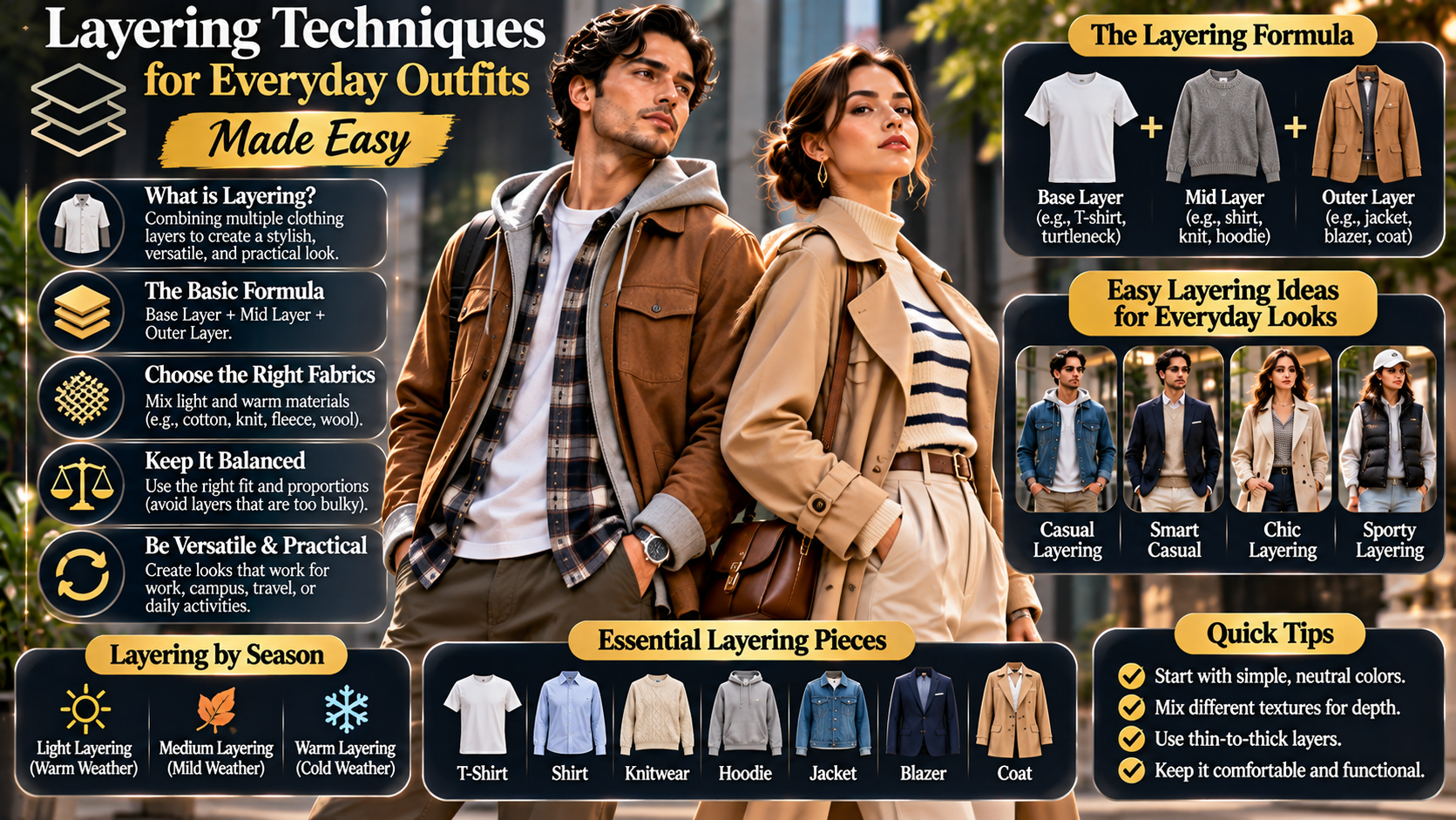
Layering Techniques for Everyday Outfits are essential for anyone looking to elevate their wardrobe. Whether you’re dressing for a chilly morning or a warm afternoon, mastering the art of layering allows you to create versatile and stylish looks that adapt to any occasion. By understanding the principles behind layering, you can enhance your personal style while staying comfortable and chic.
This approach involves choosing the right base layers, colors, textures, and accessories to complement your outfits. From casual outings to formal events, layering techniques can transform your appearance and help you express your individuality through fashion.
Layering Basics for Everyday Outfits
Layering is not just a practical approach to dressing; it’s an art form that can elevate your everyday outfits to a new level of style and versatility. Mastering the principles of layering allows for an array of creative possibilities, enabling you to combine textures, colors, and silhouettes in ways that can transform even the simplest items in your wardrobe. It is all about balancing proportions, playing with lengths, and mixing materials to create depth and interest in your look. Not only does it keep you comfortable in varying temperatures, but it also allows for personalization, making your outfit uniquely yours.
The first principle of layering is understanding the importance of different clothing types and how they interact with one another. Start with a base layer, which is typically a fitted garment like a t-shirt or a tank top. This layer should be lightweight and breathable, made from materials such as cotton or modal for comfort. The next layer, known as the mid-layer, adds warmth and can include options like long-sleeve shirts, sweaters, or cardigans, often made from wool or cashmere for added texture. Finally, the outer layer, such as a jacket or coat, brings everything together. Selecting outerwear in water-resistant or heavy fabrics like denim or leather not only adds style but also enhances functionality.
Choosing Base Layers for Various Body Types and Occasions
Selecting the right base layer is crucial for achieving a flattering silhouette that complements your body type. For those with an hourglass shape, fitted tops that accentuate the waist are ideal. On the other hand, if your body type is more athletic, opt for slightly looser base layers that provide comfort without clinging too tightly.
When considering occasions, the choice of base layer also varies. For casual outings, a classic crew-neck t-shirt in a neutral color pairs well with almost anything. In contrast, for a more polished look suitable for work or events, a tailored blouse or a sleek mock turtleneck can elevate your outfit.
Here’s a breakdown of suitable base layer materials and styles for different scenarios:
- Casual Outings: Cotton t-shirts, lightweight tank tops in breathable fabrics.
- Professional Settings: Silk blouses, tailored shirts in cotton or blends.
- Layering for Night Out: Fitted long-sleeve tops, off-shoulder tees for a stylish edge.
Understanding the balance between layering and your shape will help you create outfits that not only look great but also feel comfortable and appropriate for any setting. Layering is a versatile technique that, when executed thoughtfully, can reflect your personal style while accommodating varying environments.
Color Coordination in Layering
Layering outfits effectively requires not only an understanding of fabric and fit but also a keen eye for color coordination. The right color combinations can elevate your layered look, making it visually appealing and cohesive. Whether you’re dressing for a casual day out or a formal event, mastering color coordination is essential for creating outfits that express your personal style while remaining stylish and put-together.
When it comes to layering, combining colors effectively involves understanding both complementary and contrasting shades. Complementary colors are those that sit opposite each other on the color wheel, such as blue and orange, or green and red. These combinations can create a striking look when layered thoughtfully. On the other hand, contrasting colors—those that are adjacent on the color wheel—can harmonize beautifully without overwhelming the outfit. Mixing textures and tones within these color families can add depth and interest to your ensemble.
Examples of Effective Color Palettes
Establishing a cohesive color palette is key to achieving a stylish layered look. Here are a few examples of color palettes that work harmoniously together:
- Earth Tones: Shades of browns, greens, and rust can create a warm, inviting appearance. Pair a tan sweater with an olive green jacket and deep brown trousers for a classic look.
- Cool Neutrals: Soft grays and muted blues are versatile and sophisticated. Combine a light gray turtleneck with a navy blazer and charcoal pants for a polished, professional outfit.
- Pastel Layers: Light pinks, blues, and yellows can bring a fresh and airy feel. Layer a pale blue shirt under a soft pink cardigan, with white jeans to keep it light and breezy.
Mixing patterns can enhance your layering game, so consider these tips when incorporating different prints into your outfits. Pair a striped shirt with a floral scarf by ensuring one of the colors in the scarf matches a hue in the shirt. This creates visual ties that pull the outfit together. Additionally, when using patterns, keep one piece more subdued to allow the other to stand out; for instance, a patterned skirt can be layered with a solid-colored top for balance.
“The art of layering lies in the thoughtful combination of colors and patterns, creating an ensemble that speaks to your unique style.”
Bringing seasonal colors into your layered outfits offers versatility and freshness. Spring can be represented through soft pastels, while vibrant summer colors like bright yellows and greens can be layered for a lively look. Fall is perfect for deep burgundies and burnt oranges, while winter can embrace rich jewel tones like emerald and sapphire. To maintain versatility, choose layering pieces in these seasonal colors that can easily mix and match with your existing wardrobe. For example, a maroon cardigan can be paired with a neutral base layer and layered with a patterned scarf featuring both maroon and complementary colors for a complete look.
Incorporating seasonal colors enhances your layered outfits while allowing for creativity and personal expression. The key is to remain mindful of balance and harmony, ensuring each layer contributes to the overall aesthetic of the ensemble.
Textures and Fabrics for Layering
Layering is not just about the number of pieces you wear; it’s also about how different textures and fabrics interact to create a visually appealing outfit. Mixing various materials can transform a simple look into something sophisticated and interesting. The right combination can elevate your everyday attire, making it comfortable yet stylish.
Combining different textures and fabrics adds depth to an outfit, creating visual interest that can make even the most basic pieces stand out. Layering offers the chance to play with contrasts and harmonies, allowing for creative expression while also ensuring practicality. For example, pairing a soft knit with a sleek leather jacket not only looks chic but also feels great. Below are some fabric pairings that enhance both comfort and style.
Effective Fabric Pairings for Layering
Understanding which fabrics complement each other is essential for successful layering. Here are a few notable fabric pairings that maintain a stylish appearance while ensuring comfort:
- Cotton and Denim: Cotton tees under denim jackets provide a classic casual look. The breathability of cotton and the structure of denim create a balanced outfit.
- Silk and Wool: A silk blouse under a wool blazer adds elegance. The softness of silk contrasts beautifully with the texture of wool, offering both comfort and sophistication.
- Knit and Leather: Layering a chunky knit sweater with a leather jacket not only keeps you warm but also adds an edgy vibe to your outfit.
- Flannel and Jersey: Flannel shirts paired with jersey knit tees give a cozy layered look that’s perfect for cooler days.
- Linen and Chambray: A linen shirt paired with chambray jeans creates a relaxed yet polished appearance, ideal for casual outings.
“Layering is an art, and the choice of textures can make or break your outfit’s appeal.”
When choosing fabrics, it’s crucial to consider not just the aesthetic but also the practicality of the layers. For instance, heavier fabrics can be worn as outer layers, while lighter, breathable materials work best as base layers. This consideration ensures that you remain comfortable throughout the day while looking effortlessly stylish.
Layering for Different Seasons
Layering is not only a stylish technique but also a practical approach to dressing for varying weather conditions throughout the year. Each season presents unique challenges and opportunities for layering, allowing you to create outfits that are both functional and fashionable. Understanding how to adapt your layering techniques can significantly enhance your wardrobe flexibility and comfort.
When layering for different seasons, it’s essential to consider the specific requirements of each climate. The key components to focus on are breathability, insulation, and the overall functionality of each layer. This ensures that you can stay comfortable and stylish, regardless of the temperature fluctuations. Here’s how you can effectively adapt your layering strategies for winter, spring, summer, and fall.
Winter Layering Techniques
In winter, the primary goal is to keep warm while maintaining mobility and style. Effective layering involves using materials that trap heat while allowing moisture to escape. The base layer should be thermal or moisture-wicking fabric, followed by insulating layers like wool or fleece, and finished with a waterproof and windproof outer layer.
Consider this stylish winter outfit:
– Base layer: A fitted thermal long-sleeve shirt.
– Middle layer: A cozy knit sweater or fleece jacket.
– Outer layer: A waterproof puffer coat.
– Accessories: A wool hat, scarf, and leather gloves.
Spring Layering Techniques
Spring weather can be unpredictable, with warm sunny days quickly shifting to chilly evenings. Therefore, layering in spring should be about versatile pieces that can be added or removed easily. Lightweight fabrics that provide a bit of warmth while remaining breathable are ideal.
An effective spring outfit could include:
– Base layer: A lightweight long-sleeve blouse.
– Middle layer: A denim jacket or a thin cardigan.
– Outer layer: A stylish trench coat or a light windbreaker.
– Accessories: A lightweight scarf for added style and warmth.
Summer Layering Techniques
Summer layering is all about breathability and comfort. It is important to use lightweight and loose-fitting fabrics that allow air circulation while protecting against sun exposure. Layering can be achieved through sheer or lightweight pieces.
A great summer ensemble might consist of:
– Base layer: A breathable tank top.
– Middle layer: A lightweight, open-front kimono or cardigan.
– Outer layer: A light, airy maxi jacket or a loose shirt that can be tied at the waist.
– Accessories: A wide-brimmed hat and sunglasses for sun protection.
Fall Layering Techniques
Fall is the season for rich colors and textures, making it a perfect opportunity to experiment with layering. The goal is to stay warm with stylish layers while also considering the potential for rain and wind. Combining heavier fabrics with lighter ones creates visual interest and warmth.
An ideal fall outfit could include:
– Base layer: A fitted turtleneck sweater.
– Middle layer: A flannel shirt or a light sweater.
– Outer layer: A stylish leather jacket or an oversized cardigan.
– Accessories: A knitted beanie and a plaid scarf.
“Effective layering is not just about warmth; it’s about versatility and style across all seasons.”
Choosing the right materials is vital for adapting layering techniques to different climates. For winter, prioritize insulation, such as fleece-lined materials, while in summer, focus on breathable fabrics like cotton or linen. Spring calls for lightweight and transitional pieces, whereas fall allows for thicker layers that offer both warmth and style. This thoughtful approach to layering ensures that your outfits remain comfortable, practical, and chic throughout the year.
Accessorizing Layered Outfits
Accessorizing plays a pivotal role in perfecting layered outfits, transforming them from simple to striking. The right accessories can elevate a look, adding personality and depth while ensuring that the overall appearance remains cohesive. Understanding how to effectively incorporate accessories is essential for achieving a balanced style that enhances your layered clothing.
Accessories can add that final touch to your ensemble, bringing together various layers in a harmonious way. The key to accessorizing layered outfits lies in thoughtful placement and appropriate style choices. For instance, scarves can introduce texture and color, while belts can define the waist and add structure. When selecting accessories, it’s important to consider both their visual impact and how they interact with your layers.
Examples of Accessories That Enhance Layered Outfits
Incorporating the right accessories can significantly amplify the aesthetics of layered outfits. Below are some accessories that work well with this style, along with insights on their placement and contribution to the overall look:
- Scarves: A versatile accessory that can be styled in numerous ways, from a lightweight wrap to a chunky knit. Drape it around your neck or let it cascade down your shoulders. Scarves not only provide warmth but also add a pop of color or pattern to your ensemble.
- Belts: Essential for adding shape to layered outfits, belts can be used to cinch oversized layers or create a structured silhouette. Opt for statement belts to draw attention or simple leather ones for a sleek look. Position them at the waist to enhance your figure.
- Jewelry: Layered outfits can be complemented with delicate jewelry that adds a touch of elegance. Consider stacking bracelets or layering necklaces of varying lengths to create visual interest without overwhelming the outfit.
- Hats: A chic hat can serve as a stylish statement piece, adding character to your layered look. Whether it’s a fedora, beanie, or floppy hat, the right choice can enhance both style and functionality.
- Footwear: Shoes can also be seen as accessories that complete your look. Ankle boots, sneakers, or stylish flats can align with the vibe of your layered outfit, contributing to the overall aesthetic.
Balancing accessories with layered clothing is crucial to avoid a cluttered appearance. It’s important to select accessories that complement rather than compete with each other. For example, if you’re wearing a statement scarf, opt for more understated jewelry to maintain harmony. Layering should feel effortless, and accessories should enhance this effect rather than detract from it.
“The right accessories can transform a layered outfit from ordinary to extraordinary.”
When accessorizing, remember to consider the colors, textures, and weights of the items you’re combining. Strive for a cohesive look where accessories enhance the layers without overshadowing them. The ultimate goal is to create a balanced outfit that showcases your personal style while remaining functional for everyday wear.
Layering for Various Occasions
Layering is a versatile styling technique that can enhance your outfit for any occasion, be it a casual day out, a busy work environment, or a formal event. Understanding how to layer effectively allows you to mix and match pieces to fit the context of your day while maintaining comfort and style. The key to mastering this technique lies in knowing which layers to wear and how they can transform your look throughout the day.
When considering how to layer your outfit, context plays a crucial role. The appropriateness of your clothing can vary significantly based on the setting, time of day, and the nature of the event. By selecting the right layers, you can ensure that your outfit resonates well with the occasion, making you look polished and put-together.
Casual Outings
For casual outings, such as brunch with friends or a day at the park, layering provides both comfort and style. A classic combination could be a fitted t-shirt layered with a lightweight denim jacket and a relaxed pair of chinos or jeans. To enhance the look, accessorize with a scarf or a statement necklace, which can quickly elevate the outfit.
- Begin with a breathable base layer like a cotton t-shirt.
- Add a layered piece, such as a denim or bomber jacket, that complements your base layer.
- Finish the look with well-fitted jeans or chinos and comfortable sneakers or ankle boots.
Layering for casual outings allows for personal expression while remaining practical.
Work Settings
In professional environments, layering can balance formality and individual style. A tailored blazer over a crisp blouse paired with dress pants creates a sophisticated look. For added flair, consider layering a long cardigan under the blazer for warmth and texture, which can also be removed as the day progresses.
- Choose a structured base, such as a button-up shirt or blouse.
- Add a tailored blazer for a polished appearance.
- Incorporate trousers or a pencil skirt for a professional touch.
- Utilize accessories like a watch or simple earrings to complete the outfit.
In work settings, each layer should enhance professionalism while allowing for comfort.
Formal Events
For formal events such as weddings or galas, layering can add elegance and sophistication. A floor-length gown can be beautifully complemented by a tailored shawl or a bolero jacket, allowing for comfort without sacrificing style. Consider fabric choices carefully; silk or chiffon layers can enhance the overall look.
- Start with a stunning base like an evening gown or tailored suit.
- Add a luxurious layer, such as a shawl, coat, or bolero.
- Accessorize with refined jewelry and a chic clutch to elevate the outfit further.
Formality in layered outfits should reflect the event’s elegance while ensuring comfort.
Transitioning from Day to Night
Transitioning layered outfits from day to night can be achieved with minimal changes, allowing you to maintain style without the hassle of a complete outfit change. Consider the following tips for a seamless transition:
- Switch your daytime sneakers for a pair of heels or stylish flats.
- Replace a casual bag with a chic clutch or handbag.
- Add statement jewelry to elevate your look from day to evening.
- Remove or switch out lighter layers for more sophisticated options, like a tailored coat.
Effortless transitions ensure your layered outfits remain versatile for any occasion.
Personal Style and Layering
Layering is not just a fashion technique; it’s a form of self-expression that can reflect individual personality and personal style. Each person’s approach to layering can tell a unique story about their aesthetic preferences, lifestyle, and even their mood. Understanding how different styles influence layering choices can help you create outfits that not only look good but also feel authentically you.
Personal style plays a pivotal role in layering choices, dictating the colors, patterns, and textures that resonate with an individual. For instance, someone with a bohemian style may opt for flowing layers, mixing various prints and earthy tones, while a person with a minimalist style might choose clean lines and neutral colors for a more streamlined look. The fusion of personal style with layering techniques can produce distinct aesthetics, illustrating how individuality shapes fashion decisions.
Influence of Personal Style on Layering Choices
The way individuals approach layering is greatly affected by their personal style. Here are some examples of how different styles can manifest in layering choices:
- Casual Style: Often features relaxed fabrics like cotton and denim, layering a graphic tee under an oversized flannel shirt, complemented by a lightweight jacket. This look embraces comfort while remaining stylish.
- Classic Style: Usually involves timeless pieces, such as a tailored blazer over a fitted turtleneck. This layering creates a sophisticated silhouette that is polished yet approachable.
- Edgy Style: May incorporate leather jackets, graphic tees, and distressed denim with layered accessories like chains and chokers. This gives a bold, rebellious vibe to the outfit.
- Sporty Style: Typically mixes athletic wear with casual pieces, like layering a sporty bomber jacket over a hoodie, often paired with leggings or joggers for a functional yet stylish look.
Incorporating your personality into layered looks is essential for feeling confident in what you wear. Confidence can transform how layered outfits are perceived by others, as it reflects an assurance that can elevate even the simplest of combinations. Stylish layering can be achieved without losing individuality; consider adding signature accessories or unique color combinations to enhance your look.
“Personal style is a way to express who you are without having to speak.”
Confidence plays a crucial role in the effectiveness of layered styling. When you feel good in what you wear, it shows. A well-layered outfit, when worn confidently, can significantly impact how others perceive your style, making it essential to embrace the layers you choose and how they complement your identity. The interplay of personal style, layering techniques, and self-assurance can create compelling outfits that resonate with authenticity and flair.
Common Layering Mistakes to Avoid
Layering can elevate your outfit, adding depth and interest while keeping you cozy. However, it’s easy to fall into common traps that can lead to a bulky or unbalanced appearance. By identifying these pitfalls, you can refine your layering techniques and achieve a polished look without sacrificing comfort.
One of the most frequent mistakes when layering is overdoing it, which can result in an outfit that feels heavy and unappealing. Recognizing the signs of an overly bulky outfit is crucial. Look for areas where the layers create excess volume, particularly around the torso and arms. A good rule of thumb is to stick to two or three layers that complement rather than overwhelm.
Identifying and Adjusting Bulkiness
When layering, it’s essential to strike a balance between stylish and practical. Here are signs your outfit may be too bulky, along with adjustments you can make to streamline your look:
– Excessive Volume: If you feel like you’re swimming in your clothes, it’s time to reevaluate. Consider swapping a thicker knit for a lighter one and pairing it with a fitted base layer.
– Misaligned Proportions: Layers should create a visually appealing shape. If your outer layer is significantly longer than your inner layers, consider a cropped jacket or shorter cardigan to balance the proportions.
– Layering Similar Textures: Mixing too many heavy fabrics can weigh down your outfit. Opt for lightweight materials like cotton or silk as your base layers and reserve heavier textures for outer layers.
By being mindful of these signs, you can make simple adjustments to ensure your layered outfits maintain a streamlined appearance.
Maintaining a Streamlined Look
Achieving a chic layered ensemble while keeping it neat requires a few key strategies. Embrace these tips to enjoy layering without the bulk:
– Choose Fitted Foundations: Start with a fitted base layer, such as a tailored turtleneck or a slim-fit shirt. This sets a firm foundation that won’t add unnecessary volume.
– Opt for Lighter Fabrics: Layering doesn’t mean you need heavy fabrics. Lightweight materials assist in achieving depth without the bulk. Think of breathable fabrics like chiffon, lightweight knits, or jersey.
– Utilize a Monochromatic Palette: Sticking to a color scheme can create a streamlined effect. Shades of the same color elongate the silhouette and provide a cohesive look.
– Accessorize Wisely: A well-placed belt can help define your waist, drawing attention to your shape and preventing layers from appearing saggy or shapeless.
By implementing these strategies, you can enjoy the benefits of layering while maintaining an elegant and polished appearance.
Final Summary
In conclusion, embracing Layering Techniques for Everyday Outfits is a game-changer for your style. By exploring various fabrics, colors, and styles, you can create outfits that are not only fashionable but also practical for daily wear. Remember, layering is all about balancing comfort and aesthetics, so have fun experimenting with your wardrobe and let your creativity shine.
Common Queries
What are the best base layers for layering?
Opt for lightweight fabrics like cotton or modal that provide comfort without adding bulk.
How can I avoid looking bulky when layering?
Choose fitted base layers and gradually add looser pieces on top to maintain a streamlined silhouette.
Can I mix patterns when layering?
Yes, mixing patterns can be stylish; just ensure they complement each other in color and scale.
What accessories should I avoid with layered outfits?
Avoid oversized accessories that can overwhelm your look; stick to smaller, more delicate pieces.
How do I transition my layered outfit from day to night?
Swap out daytime shoes for heels, remove a layer, and add statement jewelry for an evening look.