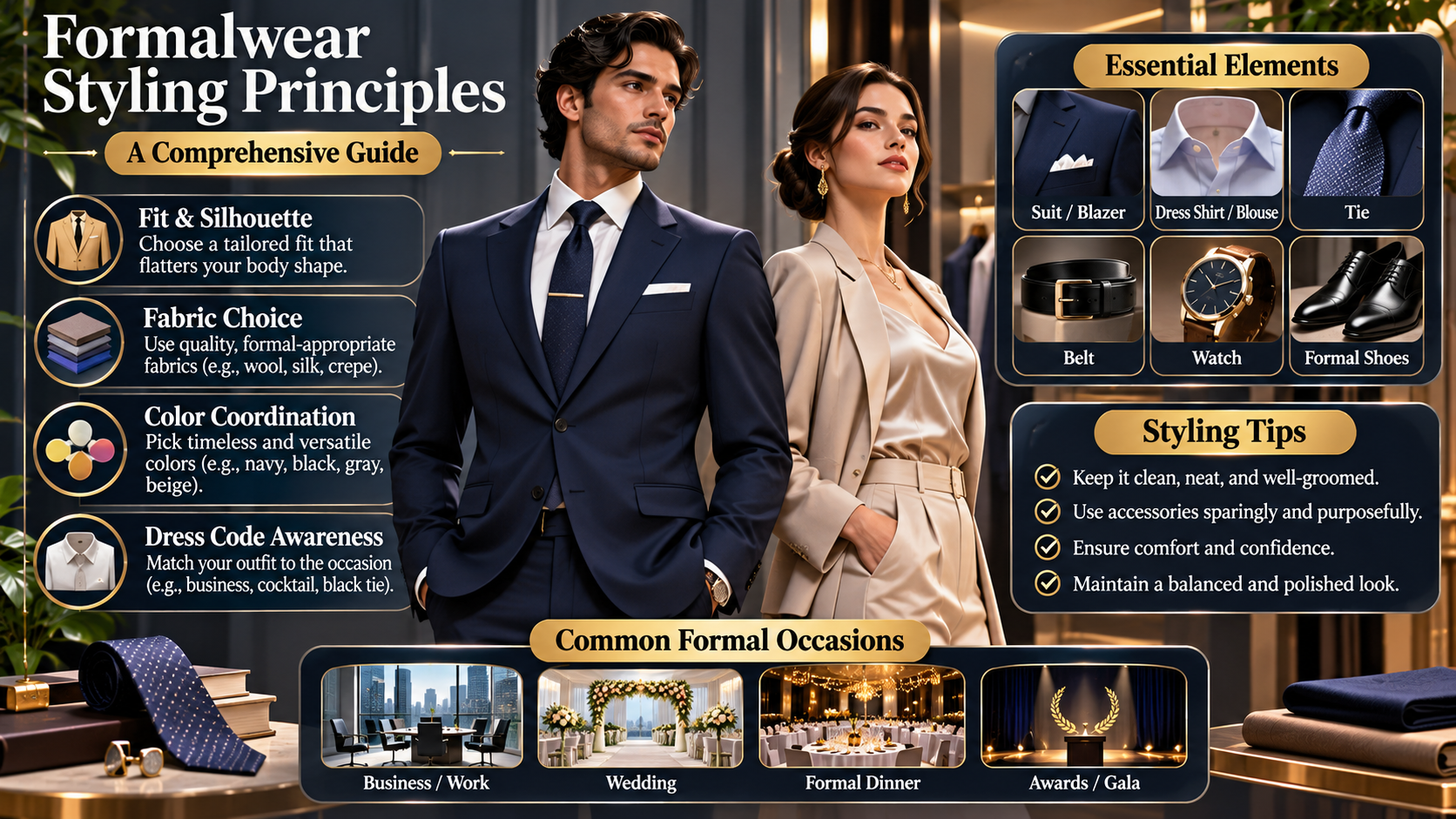
Beginning with Formalwear Styling Principles, this narrative delves into the intricacies of dressing for formal occasions, revealing the key elements that make an outfit not just stylish but also meaningful. From the significance of fit and fabric to the cultural nuances that influence our choices, understanding these principles lays the foundation for truly exceptional formalwear.
In this exploration, we will cover the impactful role of accessories, tailoring tips for the perfect fit, and how to navigate the diverse stylistic choices available for different events. Whether it’s a wedding, gala, or corporate event, grasping these principles will enhance your confidence and elegance in any formal setting.
Understanding the Core Elements of Formalwear Styling
Formalwear styling is an art that embodies elegance, sophistication, and attention to detail. The foundational aspects of this sartorial discipline are rooted in three essential components: fit, fabric, and design. Mastering these elements not only elevates one’s appearance but also enhances confidence in formal settings. A deep understanding of these core elements allows individuals to navigate the complexities of formal attire, ensuring they make a lasting impression.
Foundational Components of Formalwear
The fit of formalwear is paramount, as garments tailored to an individual’s body shape present a polished image. Proper fit involves the right shoulder seam alignment, appropriate sleeve lengths, and a flattering waistline. Each piece, whether a suit or a gown, should complement the wearer’s physique. In terms of fabric, options such as wool, silk, and cotton each bring unique attributes to formalwear. For instance, wool is favored for its durability and temperature regulation, while silk is cherished for its luxurious feel and sheen, perfect for evening wear.
The design aspect encompasses the cut and structure of garments. Classic designs, such as the tuxedo or an A-line gown, offer timeless elegance, while modern interpretations may incorporate contemporary silhouettes and details. Additional elements such as lapels, buttons, and pleats play critical roles in defining formalwear character.
Importance of Colors and Patterns in Formal Attire
Selecting the right colors and patterns is essential in achieving a cohesive and sophisticated look. Colors traditionally associated with formalwear include navy, black, and charcoal, often chosen for their versatility and elegance. However, injecting personal style through color choices can be refreshing; jewel tones like emerald or burgundy can add vibrancy while maintaining formality.
Patterns also influence the overall aesthetic of formalwear. Stripes and checks can add depth to a suit, while floral or geometric patterns may enhance evening gowns. It is important to balance bold patterns with subtle accessories to avoid overwhelming the outfit, allowing the wearer’s personality to shine through without compromising elegance.
Cultural Influences on Formalwear Styling
Cultural influences significantly shape formalwear choices, resulting in diverse styles across different regions. For instance, Western formalwear often emphasizes structured tailoring and monochromatic palettes, while traditional Asian formalwear may incorporate intricate fabrics and vibrant colors, reflecting rich heritage and customs.
In countries like India, the Sherwani and Lehenga represent formal attire, often embellished with elaborate embroidery and bright hues. Conversely, in Scandinavian countries, the emphasis is on minimalism and functionality within their formalwear, often favoring clean lines and subtle accents.
Understanding these cultural nuances not only enhances personal style but also fosters appreciation for global fashion trends. As formal occasions become increasingly multicultural, embracing these variations can lead to a more inclusive and enriched formalwear experience.
The Role of Accessories in Enhancing Formalwear
Accessories serve as the finishing touches to any formal ensemble, elevating the overall appearance and providing a personal touch that reflects individual style. They not only complement formalwear but also express personality and attention to detail. Accessories can transform a standard suit into a statement of sophistication, making them essential elements in creating a polished look.
The right accessories can harmonize an outfit or introduce a pop of contrasting flair. Common accessories that enhance formalwear include ties, cufflinks, pocket squares, belts, and watches. Each accessory plays a distinct role, contributing to the overall aesthetic while allowing for personal expression. For instance, a classic silk tie can add elegance, while a patterned pocket square offers a touch of personality. Understanding how to select and coordinate these items is crucial for achieving a cohesive and stylish look.
Types of Accessories for Formalwear
In selecting accessories, it’s important to consider both the occasion and personal style. Below are key accessories that can enhance formalwear:
- Ties: A staple of formal attire, ties come in various materials such as silk or wool. Solid colors exude classic sophistication, while patterns can add character. For formal events, a silk tie in a muted tone is often preferred.
- Cufflinks: These small yet impactful items secure the cuffs of dress shirts and can instantly elevate an outfit. Metal cufflinks in silver or gold are timeless choices, while novelty cufflinks showcase individuality.
- Pocket Squares: A pocket square is a versatile accessory that can be folded and styled in numerous ways. It is an excellent opportunity to introduce color or pattern to the ensemble, harmonizing with the tie or shirt.
- Belt: A leather belt that matches the shoes creates a cohesive look. It should be simple and elegant, avoiding overly flashy designs that may detract from the formal attire.
- Watches: A classic wristwatch serves both functional and aesthetic purposes. Options range from sleek dress watches to more elaborate timepieces, enhancing the wearer’s style without being overly ostentatious.
When selecting accessories, consider their color and material to create a harmonious look. A cohesive color palette is critical, as mismatched accessories can disrupt the overall elegance of the outfit. For example, pairing a navy suit with a burgundy tie and matching pocket square can create a striking visual. Furthermore, the materials used can significantly impact the outfit’s sophistication; therefore, choosing high-quality materials such as silk for ties and cotton or linen for pocket squares is advisable.
“Accessories are the exclamation point of a man’s outfit.” – Mark Twain
Tailoring and Fit
Achieving the perfect fit in formalwear is not just a luxury; it is essential. Tailoring transforms off-the-rack clothing into a personalized, refined look. A well-tailored garment enhances your appearance, boosts confidence, and ensures comfort, making it integral to any formal ensemble. The significance of tailoring cannot be overstated, as it is the heart of formalwear and the secret behind a polished, sophisticated outfit.
Tailoring involves adjusting a garment to align with the unique dimensions of an individual’s body. This process not only improves aesthetics but also elevates the overall wearing experience. Proper fit can dramatically change how a suit or dress appears, turning a standard piece into something extraordinary. In formalwear, a well-fitted suit conveys professionalism and style, while a dress that fits flawlessly enhances elegance and grace.
Communicating Tailoring Needs
Effectively communicating your tailoring requirements to a tailor is vital to achieving the desired fit. Clear communication fosters understanding, ensuring that the tailor comprehends your expectations and preferences. Start by providing essential details about your body type and specific concerns regarding fit.
It is beneficial to express your fit preferences in terms of comfort, style, and functionality. For example, you might indicate that you prefer a fitted look in the waist while allowing more room in the shoulders. Consider bringing along reference images that showcase styles or fits you admire, as visuals can speak volumes.
To ensure nothing is overlooked, create a list of specific adjustments you wish to discuss, which may include:
- Adjusting sleeve length for a more polished appearance.
- Taking in or letting out the waist for a tailored silhouette.
- Shortening or lengthening pant legs to achieve the correct break.
- Altering shoulder seams for comfort and fit, especially for jackets.
- Adding or adjusting lining for improved drape and structure.
Common Alterations for Enhanced Fit
Certain alterations are frequently required to achieve a superior fit in formal garments. These adjustments can transform an average piece into one that complements your form perfectly. Understanding these common alterations can help you communicate effectively with your tailor.
The most sought-after alterations generally include:
- Waist Adjustments: Taking in or letting out the waist can significantly change the overall silhouette of suits and dresses.
- Sleeve Length Adjustments: Tailoring sleeve lengths ensures that the cuff of the shirt or jacket reveals just the right amount of shirt beneath.
- Pant Leg Adjustments: Hemming or adjusting pant lengths can ensure the right break, contributing to a more polished look.
- Shoulder Adjustments: Altering shoulder seams can prevent discomfort and improve the overall fit, particularly in structured jackets.
- Jacket Tapering: Tapering the sides of a jacket enhances the fit around the torso, providing a streamlined appearance.
Employing these alterations can enhance not only the fit but also the overall aesthetic of your formalwear, elevating your appearance for any occasion.
Styling for Different Formal Occasions
Understanding the nuances of formalwear styling is essential for navigating various occasions with confidence and elegance. Each event has its own set of expectations and dress codes that guide the choice of attire. From weddings to galas and corporate events, recognizing these distinctions will help individuals present themselves appropriately while adhering to the event’s atmosphere and etiquette.
Variations in Formalwear for Specific Events
Formalwear requirements differ significantly between weddings, galas, and corporate events. Each occasion not only sets unique standards but also reflects the cultural and social significance attached to it.
For weddings, attire often varies based on the couple’s preferences, location, and time of day. Evening weddings lean towards more formal options, while daytime weddings may allow for slightly relaxed styles. Galas, typically extravagant events, call for high-end attire, often adhering to strict dress codes such as black tie or white tie. Corporate events may feature a blend of formal and business-casual attire, depending on the industry and the nature of the engagement.
To clarify the distinctions, here’s a summary of the different types of formal attire:
| Event Type | Attire | Description |
|---|---|---|
| Weddings | Varies (Formal or Semi-Formal) | Attire based on couple’s choice; may include suits, cocktail dresses, or formal gowns. |
| Galas | Black Tie / White Tie | Black Tie: Tuxedo for men, evening gown for women. White Tie: Tailcoat for men, formal gown for women. |
| Corporate Events | Business Formal / Business Casual | Business suits or tailored dresses; may range from formal suits to smart separates. |
Dress Code Definitions: Black Tie, White Tie, and Cocktail Attire
Understanding specific dress codes is crucial for selecting proper attire. Here’s a breakdown of the most common formal dress codes:
– Black Tie: This dress code typically requires men to wear a black tuxedo with a black bow tie, complemented by a white dress shirt and black patent leather shoes. Women often wear long evening gowns, but elegant cocktail dresses are acceptable as well. The overall aim is to create a polished and sophisticated look that exudes elegance.
– White Tie: The most formal of dress codes, requiring men to don a black tailcoat, white waistcoat, and white bow tie, along with black patent leather shoes. Women are expected to wear full-length evening gowns, often with gloves and luxurious accessories. White tie events are rare but denote the highest level of formality.
– Cocktail Attire: This is more flexible, allowing for a range of styles. Men may opt for a dark suit and tie, while women can choose knee-length dresses or stylish separates. The idea is to look sophisticated but not excessively formal, striking a balance that invites creativity and personal expression while remaining chic.
Understanding the dress code for each occasion ensures you not only fit in but also convey respect for the event and its hosts.
With this knowledge of styling for different formal occasions, individuals can choose their attire with confidence, ensuring they make the right impression while adhering to the expectations set by each unique event.
Gender Differences in Formalwear Styling
Formalwear styling principles reveal significant distinctions between men’s and women’s attire, reflecting societal norms and expectations. Understanding these differences is crucial for anyone looking to navigate the formal fashion landscape effectively. This section will explore the contrasting approaches to formalwear, highlight modern interpretations, and examine the evolving nature of gender expression in formal attire.
Contrasts in Formalwear Styling Principles
The fundamental aspects of formalwear for men and women differ greatly in terms of structure, silhouette, and accessories. Men’s formalwear traditionally focuses on well-tailored suits, typically featuring sharp lines and a more rigid structure. In contrast, women’s formalwear often embraces a wider variety of styles, from tailored pantsuits to flowing gowns, allowing for more fluidity in silhouette and fabric choices.
This distinction is exemplified by the following key points:
- Tailoring and Fit: Men’s suits are generally more fitted and structured, while women’s formal attire can range from fitted to flowing, allowing for a blend of formality and comfort.
- Color Palette: Men’s formalwear often features a conservative palette of blacks, greys, and navies, whereas women’s options include a broader spectrum of colors and patterns, reflecting personal style more freely.
- Accessories: Men’s accessories are typically minimal, often limited to ties or pocket squares. In contrast, women have a wide array of options, including jewelry, handbags, and shoes, which can significantly alter the outfit’s overall impact.
Modern Twists on Traditional Formalwear
The traditional formalwear landscape is witnessing exciting modern twists for both genders, incorporating elements that challenge conventional styles. For men, a shift towards relaxed tailoring has resulted in the rise of unstructured blazers paired with dressy trousers or smart-casual ensembles that maintain a sophisticated edge. Women are increasingly opting for tailored separates, such as chic jumpsuits and tailored shorts, as alternatives to dresses, blending comfort with elegance.
Examples of these modern interpretations include:
- Men’s Formal Shorts: A stylish alternative to traditional trousers, tailored shorts paired with dress shoes and a blazer offer a fresh summer look.
- Women’s Jumpsuits: Sophisticated jumpsuits with clean lines serve as a versatile and fashionable choice for formal events.
- Colorful Tuxedos: Men are embracing colorful tuxedos, moving away from the classic black and white palette, showcasing personality and flair.
Evolving Nature of Gender Expression in Formal Attire
The conversation surrounding gender expression in formal attire is evolving rapidly. Today’s society is increasingly embracing diverse interpretations of gender, allowing individuals to choose attire that resonates with their personal identity rather than conforming strictly to traditional gender norms. This shift is evident in the blending of styles, where individuals feel empowered to mix elements from men’s and women’s wardrobes to create unique looks.
For instance, more brands are releasing unisex formalwear lines that cater to a wide range of gender identities, emphasizing inclusivity and personal expression. The acceptance of non-binary fashion influences how formalwear is designed, presented, and worn, encouraging a more fluid approach to style.
This evolution enables individuals to express themselves authentically while navigating formal occasions, reflecting a broader cultural shift towards acceptance and diversity in fashion.
“Fashion is about expressing who you are without saying a word.”
Seasonal Considerations in Formalwear Selection
The choice of formalwear is significantly influenced by seasonal variations, as the weather impacts not only the type of fabrics used but also the overall styling of outfits. Understanding these seasonal considerations can help ensure that the ensemble is not only appropriate but also comfortable and stylish.
In colder months, heavier fabrics such as wool, tweed, and cashmere are commonly favored for their insulation properties. These materials provide warmth while still allowing for sophisticated styling. Layering becomes essential to achieve both elegance and comfort. An effective way to layer formalwear is through the strategic use of undergarments, outerwear, and accessories that complement the primary outfit.
Layering and Accessorizing for Colder Months
When it comes to layering formalwear during winter, the goal is to maintain a polished look while ensuring warmth. Here are some key strategies:
- Choose the Right Base Layer: Opt for thermal or moisture-wicking undershirts that are fitted yet comfortable. This foundational layer can keep you warm without adding bulk.
- Incorporate a Waistcoat: A waistcoat not only adds an extra layer of warmth but also enhances style. Choose a fabric that complements or contrasts well with the suit jacket.
- Select a Suitable Overcoat: A well-tailored overcoat, preferably in a classic color like navy or charcoal, can elevate the outfit. Look for styles that have a bit of structure, such as a peacoat or an overcoat with a tailored fit.
- Accessorize with Scarves and Gloves: Luxurious materials like cashmere or wool for scarves enhance both warmth and style. Leather gloves can also add a touch of sophistication while keeping hands warm.
- Don’t Forget About Footwear: Choose polished leather shoes with adequate insulation. Consider wearing thicker socks that are still dressy, ensuring complete comfort without compromising style.
Summer Styling Approaches for Formalwear
In the summer months, the focus shifts to lighter fabrics and breathable designs that offer comfort while maintaining elegance. Lightweight materials such as linen, cotton, and tropical wool are ideal for summer formalwear. They not only keep the wearer cool but also provide a refined appearance suitable for formal occasions.
To achieve a stylish summer look, one can consider the following guidelines:
- Opt for Light Colors: Lighter shades such as pastel blues, soft greys, and creamy whites reflect sunlight and add freshness to the ensemble.
- Choose Unstructured Blazers: Blazers that are unstructured or partially lined allow for better airflow and comfort, making them perfect for summer events.
- Incorporate Breathable Fabrics: Fabrics like linen and cotton not only look great but also wick away moisture. Linen suits, while prone to wrinkling, offer a relaxed elegance.
- Accessorize Wisely: Lightweight ties or no tie at all can convey a relaxed yet formal look. Pocket squares in bright colors can add a pop of personality.
- Select Appropriate Footwear: Loafers or lightweight dress shoes allow for ventilation. Consider opting for suede or breathable leather to keep feet cool.
“Formalwear selection is not just about aesthetics; it is about harmonizing style with the practicality of seasonal changes.”
The Influence of Fashion Trends on Formalwear
In the ever-evolving realm of fashion, formalwear is not exempt from the cyclical nature of trends. As society’s tastes shift and cultural influences emerge, formal attire adapts accordingly. Understanding these trends can enhance your style while ensuring a timeless elegance remains at the forefront of your ensemble.
Current fashion trends significantly impact formalwear styling, incorporating elements that reflect contemporary aesthetics while still honoring classic principles. Designers today are embracing bold colors, unique textures, and innovative silhouettes that redefine traditional formal attire. However, it’s crucial to blend these trendy elements with classic styles to maintain a sophisticated look that withstands the test of time.
Current Fashion Trends in Formalwear
Several key trends are currently shaping the landscape of formalwear. Recognizing these can help refine your choices and align your wardrobe with the latest styles while maintaining a polished appearance.
- Bold Colors: Moving away from the conventional black and navy, vibrant hues like emerald green, royal blue, and deep burgundy are becoming popular for suits and gowns. These colors add personality and can elevate the overall aesthetic without losing sophistication.
- Textured Fabrics: Incorporating materials like velvet, brocade, and jacquard adds depth and interest to formalwear. The tactile quality of these fabrics creates a luxurious feel that exudes confidence and style.
- Tailored Fits: The trend towards tailored, structured silhouettes has grown, emphasizing sharp lines and well-fitted garments. This approach ensures a clean and sophisticated look, enhancing the wearer’s physique without compromising comfort.
- Mixing Styles: The integration of casual wear elements, such as sneakers or denim, into formal settings is on the rise. This juxtaposition creates a modern twist while maintaining a chic appearance for less traditional formal events.
Incorporating Trends While Maintaining Classic Elegance
Incorporating trendy elements into formalwear requires a delicate balance to preserve timeless elegance. Here are effective strategies to achieve this equilibrium:
- Accent Pieces: Use trendy accessories like a bold tie, statement shoes, or a striking clutch to infuse your outfit with a modern flair while keeping the main attire classic.
- Layering: Adding a contemporary blazer or a stylish overcoat can modernize the overall look. Opt for patterned or colored layers that contrast nicely with traditional formalwear.
- Subtle Patterns: While classic suits may adhere to solid colors, introducing subtle patterns such as pinstripes or checks can refresh the look without overwhelming the traditional style.
- Mixing Textures: Combining different textures, such as pairing a satin shirt with a wool suit, can introduce a current vibe while keeping the outfit grounded in classic tailoring.
Revival of Past Trends in Modern Formalwear
Fashion is notorious for its cyclical nature, with past trends making a comeback in modern formalwear. Recognizing these revivals can serve as inspiration for contemporary styling.
- Double-Breasted Suits: Once a staple of classic menswear, the double-breasted suit has resurfaced, offering a sophisticated silhouette that appeals to modern tastes.
- Wide Lapels: The resurgence of wide lapels harkens back to vintage styles, providing a bold statement that enhances the overall look of formal jackets.
- High-Waisted Trousers: This nostalgic trend adds a vintage flair to modern suits, creating an elongated silhouette that flatters various body types.
- Statement Neckwear: The re-emergence of oversized bow ties and cravats reflects a playful yet refined approach to formal accessories, reminiscent of earlier eras.
Sustainable Practices in Formalwear Fashion
The importance of sustainability in the formalwear industry has surged in recent years, as consumers become more conscious of their environmental impact. The fashion industry, traditionally known for its waste and pollution, is increasingly shifting towards sustainable practices. By adopting eco-friendly initiatives, both brands and consumers can contribute to a more sustainable future while still enjoying fashionable formalwear.
To make responsible choices in formalwear, consumers can adopt several eco-friendly practices that align with their values. Choosing high-quality garments that will last longer reduces the frequency of repurchasing and waste. Additionally, supporting brands that prioritize sustainability in their production processes can have a significant positive impact. Below are some effective practices consumers can adopt to choose eco-friendly formalwear:
Eco-Friendly Formalwear Choices
Investing in sustainable formalwear can be both stylish and responsible. Here are key practices to consider:
- Opt for timeless designs that transcend trends, ensuring longevity in your wardrobe.
- Choose garments made from sustainable materials, such as organic cotton, Tencel, or recycled polyester.
- Support brands that utilize ethical production methods, ensuring fair wages and safe working conditions for their workers.
- Consider second-hand options or rental services for formalwear, which reduces waste and extends the life cycle of garments.
- Prioritize local designers or brands that produce within your region to reduce carbon footprint associated with transportation.
The choice of fabric plays a critical role in the sustainability of formalwear. Many innovative materials have emerged as eco-friendly alternatives to traditional fabrics, offering both style and comfort. Sustainable fabric options include:
Sustainable Fabric Options
The development of eco-friendly fabrics has revolutionized the formalwear industry, providing consumers with more sustainable choices. Key sustainable fabric options include:
- Organic Cotton: Grown without synthetic pesticides or fertilizers, organic cotton is a more sustainable choice that is biodegradable and less harmful to the environment.
- Tencel: Made from sustainably sourced wood pulp, Tencel is known for its soft texture and biodegradability, making it an excellent choice for eco-conscious consumers.
- Recycled Polyester: Created from recycled plastic bottles, this fabric reduces waste and conserves resources while maintaining durability and versatility.
- Hemp: One of the most sustainable fabrics, hemp requires little water and no pesticides, and is known for its strength and longevity.
Ethical tailoring practices further enhance the sustainability of formalwear. By ensuring that garments are produced under fair and humane conditions, consumers can make choices that support a more equitable industry. The following ethical tailoring practices are essential:
Ethical Tailoring Practices
Choosing ethical tailoring is paramount in promoting sustainability. Here are notable practices that define ethical tailoring:
- Utilizing local artisans and craftsmen to support local economies and reduce carbon emissions associated with transportation.
- Implementing fair labor practices that guarantee safe working conditions and fair wages for all workers involved in the production process.
- Employing environmentally friendly processes, such as using non-toxic dyes and reducing water consumption during manufacturing.
- Encouraging transparency in the supply chain so consumers can make informed decisions about the brands they support.
By integrating these sustainable practices into formalwear fashion, both consumers and brands can contribute to a more responsible and eco-friendly industry.
The Importance of Personal Style in Formalwear Choices
In the realm of formalwear, personal style plays a pivotal role in how individuals express themselves. Formal attire is not merely about adhering to strict dress codes; it serves as a canvas for showcasing one’s unique personality. The choices made in formalwear can reflect individual tastes, cultural backgrounds, and even personal achievements, allowing wearers to feel confident and authentic in their presentation. Understanding the importance of personal style in formalwear can transform an ordinary outfit into a powerful statement.
A successful formalwear selection melds the principles of elegance with personal flair. When individuals select attire that aligns with their style, they tend to radiate confidence, making a lasting impression. Personal style infuses creativity into traditional pieces, creating a harmonious balance that speaks volumes without uttering a word. Below are strategies to effectively express personality through formal attire while maintaining a sense of sophistication.
Strategies for Expressing Personality Through Formal Attire
Incorporating personal style into formalwear can be achieved through various approaches. Here are some methods that can help individuals project their identity:
- Color Choices: Selecting colors that resonate with one’s personality can significantly impact the overall look. For instance, bold colors like royal blue or deep red can convey confidence, while softer shades may express elegance and subtlety.
- Accessorizing: Accessories are key to personalizing formal attire. Unique ties, statement jewelry, or custom cufflinks can add character to a classic suit or dress, allowing individuals to showcase their tastes.
- Tailoring: A well-tailored outfit not only enhances fit but also allows for personal adjustments that can reflect style preferences. Choosing specific cuts or styles that flatter one’s body type can elevate an outfit.
- Textural Choices: Mixing different fabrics and textures can add depth to a formal outfit. Combining materials such as silk, wool, and leather can create a sophisticated look that stands out.
Balancing current trends with personal preferences is essential in formalwear styling. Trends can offer fresh inspiration, but they should not overshadow individual style. Here’s how to achieve this balance effectively.
Balancing Trends with Personal Preferences in Formalwear Styling
Navigating the world of fashion trends while staying true to oneself can be challenging yet rewarding. Understanding how to incorporate trends without compromising personal style is vital for creating a cohesive look.
- Selective Trend Adoption: Choose trends that naturally align with personal style. For example, if a particular pattern or color scheme resonates with individual tastes, consider integrating it into the wardrobe.
- Timeless Pieces: Invest in timeless formalwear staples, such as a classic black tuxedo or a little black dress, which can be customized with trendy accessories to keep the look fresh.
- Layering Trends: Utilize layering to introduce trendy elements to formal attire. A modern blazer over a classic shirt, for instance, can bridge the gap between contemporary and traditional styling.
- Personalized Trends: Adapt trends to reflect personal style. For example, if oversized suits are in vogue, opt for a tailored oversized suit that maintains the essence of individual style.
The Future of Formalwear
As we look towards the future of formalwear, it becomes evident that the landscape is evolving rapidly. Innovations in technology, materials, and cultural shifts are shaping how formal attire is designed and perceived. This section delves into these emerging trends and explores how they will redefine formalwear styling in the years to come.
Emerging technologies and sustainable materials are at the forefront of this transformation. With innovations such as smart fabrics that adapt to temperature fluctuations and sustainable textiles made from recycled materials, the future of formalwear promises to be both functional and environmentally friendly. The integration of technology into clothing not only enhances comfort but also adds a unique element of personalization to the wearer’s experience.
Comparison of Traditional and Future Trends in Formalwear
Understanding the differences between traditional and future trends in formalwear can provide insight into how societal changes will influence our choices in attire. The following table highlights key distinctions:
| Aspect | Traditional Formalwear | Future Formalwear |
|---|---|---|
| Materials | Natural fibers like wool and silk | Smart fabrics and sustainable materials |
| Design Philosophy | Classic silhouettes and conservative styles | Innovative designs with personalized options |
| Functionality | Primarily focused on aesthetics | Incorporates technology for comfort and performance |
| Sustainability | Limited focus on environmental impact | Emphasis on eco-friendly practices |
| Occasions | Formal events only | Versatile for both formal and casual settings |
The evolution of formalwear is not merely a reflection of fashion; it’s a response to societal changes, including the growing emphasis on sustainability and individual expression. For instance, many brands are now integrating AI-driven personalization tools that allow customers to tailor fit and style, ensuring a unique fit for every individual. Additionally, the rise of remote work has influenced a more relaxed approach to formalwear, leading to hybrid styles that blend comfort with elegance.
As we embrace these innovations, it’s clear that the future of formalwear will be marked by a blend of tradition and modernity, paving the way for styles that are not only beautiful but also socially responsible and suited to a diverse array of occasions.
Closing Notes
In summary, mastering the Formalwear Styling Principles empowers you to make informed choices that reflect your personal style while navigating the evolving landscape of formal attire. As fashion trends continue to shift and sustainability becomes increasingly important, embracing these principles will ensure that you remain stylish and sophisticated, no matter the occasion. So, step out with confidence, knowing you are equipped with the knowledge to shine in formalwear.
Key Questions Answered
What is the most important aspect of formalwear?
The fit is the most critical aspect, as it greatly influences how polished and put-together an outfit appears.
Can I wear casual shoes with formalwear?
Generally, formal shoes are recommended for formalwear; however, some modern styles allow for a more relaxed approach.
What colors are best for formal events?
Classic colors like black, navy, and gray are safe choices, but bolder colors can also work if styled appropriately.
How can I make my formal outfit unique?
Incorporate personal touches through accessories, unique fabrics, or custom tailoring to express your style.
Is it necessary to tailor formalwear?
Yes, tailoring is vital for achieving the perfect fit, which enhances both comfort and appearance.