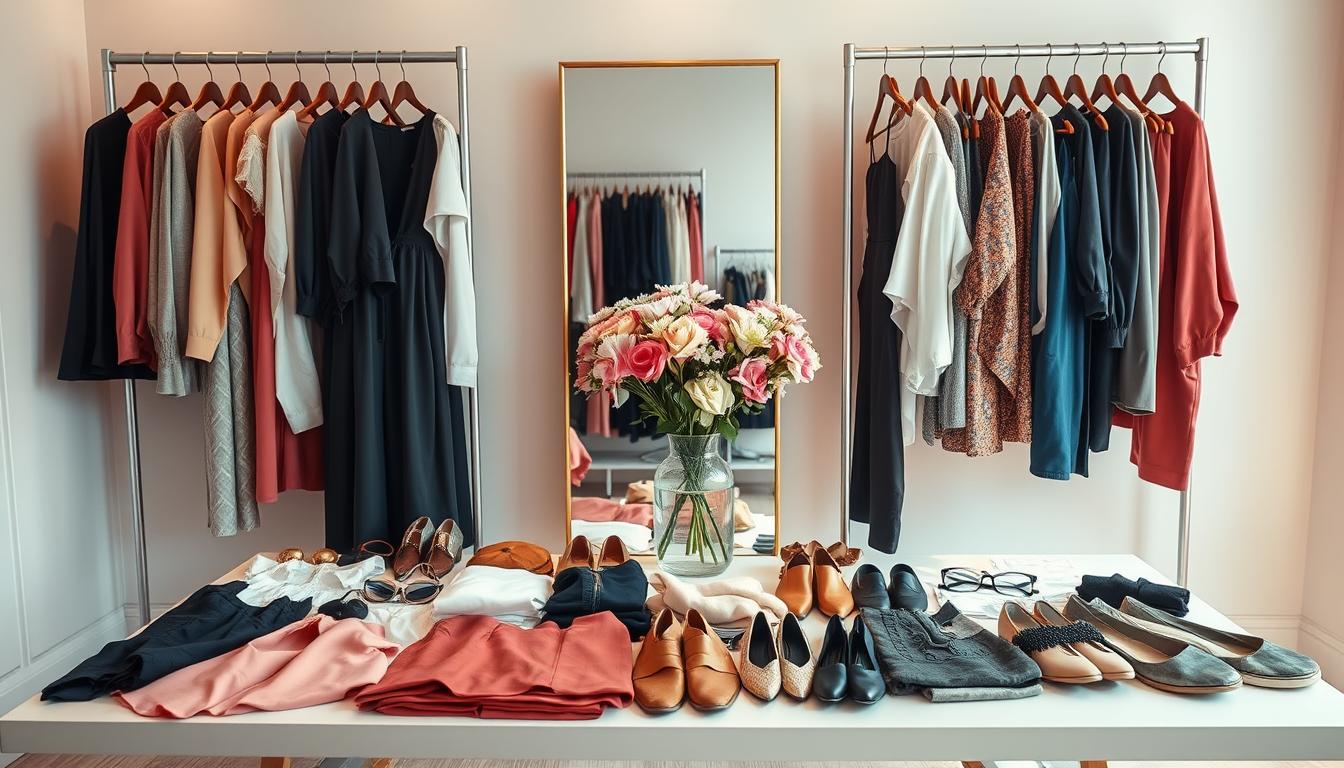
A closet full of clothes can still leave you unsure what to wear to work, an event, or an ordinary day, even with a personal stylist’s help. Getting dressed can take time and energy when your wardrobe no longer fits your life. We help you find practical guidance for the clothes you own, the outfits you need, and the changes you want to make.
Some people need fresh ideas for daily dressing; others want help preparing for a new job or special event. Guidance may be in person or virtual, depending on the provider and your needs. The right service should respect your spending limit, not pressure you to replace everything. Our aim is to help you choose support that makes getting dressed easier today and over time. The best first step is to decide what you want help changing and how much time and money you can commit.
Key Takeaways
- Choose styling help based on the change you want.
- Check a provider’s services, location, work, and first appointment terms.
- Compare total fees and included work, not hourly rates alone.
- Use your existing wardrobe before buying more clothes.
- Choose virtual or in-person support that suits your needs.
Where to Find Personal Stylist Services Near Me
Start with a map or directory, then verify that each result offers wardrobe or outfit guidance rather than only hair, nails, or makeup. Google Maps can help you find nearby providers, but directory listings may group styling with salon and beauty services.
Check the provider’s own service page before booking. Look for a clear description of personal styling, the location or service area, and available appointment formats. A local stylist may work in person, online, or both.
Check the provider’s service page to confirm that personal styling is offered. Directory listings can mix wardrobe help with salon and beauty services.
Compare the provider’s examples with your taste and goals. Someone who styles red-carpet outfits may not be the right fit for a work wardrobe, and a casualwear expert may not handle formal events. Read what the client receives, then see whether it fits your budget and schedule.
Use these five checks to narrow the choices:
- Personal styling is explicitly offered.
- The provider confirms your area or service region.
- Examples show outfits or clothes that match your taste.
- The appointment format suits your needs.
- The first appointment terms are clear.
Women can find a personal stylist through independent providers, department stores, and virtual services. Check that the provider serves your location and understands your style goals. If nearby services do not fit, online work may offer more options.
Confirm the provider’s service area before booking, especially when the listing covers more than one kind of beauty service.
What Can a Personal Stylist Help With?
A wardrobe reset, an outfit for a milestone event, and help finding one specific item call for different kinds of styling support. The goal helps you choose. A personal stylist develops a client’s personal style, while a personal shopper focuses mainly on finding and buying clothes the client has chosen or wants.
Service menus differ, so check which kinds of help a provider offers. Some support centers on the closet, while other services focus on shopping, photoshoots, or special events.
Closet Edits and Capsule Wardrobes
A closet edit helps you sort your existing wardrobe and find new ways to wear familiar pieces. Your stylist may note what fits well, what needs repair, and which items no longer suit your life. A closet edit can mix clothes you own with selected additions to create a capsule wardrobe.
A capsule wardrobe is a limited set of coordinated clothes that work together. It can make daily outfits easier without requiring a full closet replacement. Ask whether the service starts with your current clothes or centers on buying new fashion items.
Personal Shopping and Resale
Personal shopping focuses on finding and buying requested clothes, such as work pants, shoes, or a coat. The shopper may search stores or send item links for you to review. A personal stylist may also include shopping, but that does not make every styling service a shopping service.
Some providers help clients identify clothes they may sell through resale. This can help clear pieces that no longer fit your needs. Ask whether resale support covers sorting and pricing advice or also includes listing items for sale.
Event, Photoshoot and Beauty Styling
Event styling can help you choose clothes for a wedding, interview, or other occasion. Photoshoot styling focuses on how outfits look on camera and may include selecting pieces for several shots. Beauty consultations, makeup advice, and group styling may also appear on service menus.
These extras are not part of every stylist’s work. Your Style By, for example, lists virtual services, closet refreshes, capsule wardrobe help, personal shopping, group styling, photoshoot styling, and a “Your Secret Weapon Session.” The provider also offers a complimentary 30-minute session, which is one company’s offer, not a standard industry benefit.
Ask whether the service works with clothes you already own before agreeing to buy a new wardrobe.
How Much Does Personal Styling Cost?
In the United States in 2026, a personal stylist typically charges $100-$300 per hour, with premium-city rates reaching $150-$500 per hour. Scope matters: an hourly fee may not include shopping, outfit plans, or follow-up. Compare the full service and total fee before choosing a rate.
One-time sessions typically cost $150-$400 in the United States in 2026. Packages can cost more because they cover broader wardrobe work. The table gives typical ranges and what each fee may cover.
| Service type | Typical 2026 U.S. price | Useful scope or condition |
|---|---|---|
| Hourly styling | $100-$300 per hour | Rate depends on experience and included work |
| Premium-market hourly styling | $150-$500 per hour | Higher rates in places like New York City and San Francisco |
| One-time session | $150-$400 | One appointment; confirm its length and deliverables |
| Wardrobe overhaul package | $500-$3,000+ | Cost reflects the amount of wardrobe work |
| Monthly retainer | $1,000-$5,000 per month | Often for executive or high-net-worth styling |
Hourly Rates and One-Time Sessions
Hourly rates can suit a client who needs focused advice, such as outfit planning or a short closet review. A one-time session may suit someone with one clear goal. Ask how many hours the fee covers and whether time spent on shopping counts.
Affordable personal stylist services match the size of the service to your budget. The lowest hourly price may not mean the lowest total cost if the work needs many hours or extra fees.
Packages, Retainers and Luxury Engagements
Wardrobe overhaul packages typically cost $500-$3,000 or more in the United States in 2026. Executive or high-net-worth retainers typically cost $1,000-$5,000 per month. Celebrity or luxury styling engagements typically cost $5,000-$15,000 or more in 2026.
These larger services may cover more planning or ongoing support, but the price alone does not show what is included. Ask for a written scope that lists the appointments, shopping time, and follow-up.
What Changes the Final Fee?
In 2026, prices vary with the stylist’s experience and reputation, location, included deliverables, and whether personal shopping is involved. A clear quote should explain what happens before, during, and after each session.
Ask whether shopping, alterations, follow-up, and outfit planning are included before comparing quotes. Also ask whether clothes, delivery, or other purchases cost extra.
Compare the total fee and included deliverables, not just the hourly rate.
How to Choose a Stylist Who Fits Your Needs
A good fit is a stylist who listens to what you want to communicate instead of turning every client into a copy of their own style. Good guidance starts with listening, then applies knowledge of fit and clothing quality to your goals. No body type is inherently hardest to style. Fit depends on the garment, your proportions, and your preferences.
Review a provider’s website and social media, then look across their public work. Recent client examples and before-and-after images can show whether their taste suits you. Notice whether they work with different brands, budgets, and daily needs.
Check Their Approach and Experience
Ask how the stylist learns what you like and how they handle clothing that feels uncomfortable. A strong provider can explain fit and quality in plain terms without making your body the problem. No one needs to follow a trend that does not suit their comfort or life.
Discuss your budget before the stylist suggests purchases. Ask how they handle returns, changes of mind, and disagreement over an outfit. A useful answer should respect your choice, even when you would’ve never picked that piece yourself.
Review Their Work and Client Feedback
Look at client reviews on Google and Yelp, and focus on repeated themes. Comments about listening, clear planning, and respect for budgets can matter more than one glowing review. Ratings and review counts are clues, not promises of good service.
Check whether client examples reflect the kind of work you need. A collection of event outfits may tell you little about a provider’s approach to everyday clothes. Their own style can be a useful signal, but it does not prove they can serve every client.
Use the First Conversation to Test the Fit
Use an introductory call to ask how the provider would handle your closet, budget, fit needs, and time. See whether they ask about work, comfort, and the outfits you already wear. A client should be able to say no to an item without feeling pushed.
Ask how the stylist handles an idea you would’ve never tried before. A good answer makes room for curiosity without pressure. It should also explain why the item might work for you.
Use the first conversation to notice whether the provider asks about your needs before recommending a solution.
What Happens in a Styling Session?
A productive first session begins with your goals and daily routine, not a shopping list. Your stylist should ask first about your work, fit preferences, budget, and the outfits you need. A useful session moves from goals to wardrobe review, then to an outfit or shopping plan.
The stylist develops your personal style; a personal shopper focuses mainly on finding and buying clothes you already want. A closet edit may use your existing wardrobe and add a few targeted pieces for a capsule wardrobe. The CLST/STYL EDIT service is one example of that approach.
During the wardrobe review, you and the stylist can identify useful pieces, problem areas, and gaps. A gap might be a work shoe that suits several outfits, not a reason to replace every pair you own. You can decide together whether shopping or a later session would help.
Prepare with these four simple steps:
- Bring or photograph clothes you wear often.
- Note upcoming events and outfit needs.
- Set a spending limit for new clothes.
- List fit or comfort concerns you want to discuss.
Photos can help if you cannot bring clothes to the appointment. Include clear views of the whole garment, along with notes about what feels wrong or works well. Tell the stylist what you would’ve never worn before, too; that can reveal how your preferences have changed.
Be direct when an outfit feels off. Your feedback helps the stylist refine the plan, and you do not need to accept every suggestion. A good session should leave you with choices you can use in daily life.
Bring a realistic budget for new clothes even if the main goal is to make better use of what you own.
Is Virtual or In-Person Styling Better?
If you need outfit ideas from clothes you already own, a virtual session can work through photos and item links without an in-person appointment. Virtual support works well when you can share clear photos and useful measurements. In-person help makes a difference when trying on clothes or sorting a closet together matters.
Either format needs clear communication about your budget, comfort, and taste. The right choice depends on what you need the stylist to see and how you like to make decisions.

When Virtual Styling Works Well
Virtual styling can help with outfit advice, closet reviews, and shopping for one requested item. A stylist may suggest item links within your budget or comment on a garment from a photo. Good lighting and clear pictures help show color, shape, and details.
Remote consultations often use Zoom or Google Meet. You can talk through clothes without arranging travel or carrying items to an appointment. Share measurements when fit matters, and ask how the stylist will use them.
Virtual shopping also suits a client who prefers to compare options at home. You can review links, check the size chart, and decide whether an item fits your wardrobe. An app may help organize photos or outfit notes, but clear communication still matters most.
When In-Person Help Makes a Difference
In-person styling is useful when you want someone to handle clothes and assess fit directly. A stylist can see how a jacket sits on your shoulders or whether shoes work with a planned outfit. That can help when photos do not show how a garment moves.
Sorting a closet together can also make decisions easier. You can try on pieces, group useful outfits, and set aside items that need repair. The stylist can respond as you explain what feels right or wrong.
Some clients prefer a mix, with an in-person closet session followed by virtual outfit support. Others want to keep every step remote. State your budget and preferences in either format, and share honest feedback when an outfit does not feel like you.
Choose the format that makes it easiest for you to share honest feedback and make decisions.
Can Free Styling Services Meet Your Needs?
Nordstrom’s in-store and digital personal styling services are free, while Stitch Fix credits its styling fee toward purchases. Free styling can help with choices from a retailer’s selection. Check where the clothes come from and how the fee connects to buying them.
Nordstrom appointments can be booked through the retailer’s website. Its styling service uses Nordstrom inventory and offers access to tailoring and alterations. For shoppers asking about Nordstrom personal stylist cost, the appointment itself is free in 2026.
| Option | How the service works | Where the clothes come from | Fee or purchase model |
|---|---|---|---|
| Nordstrom | In-store and digital styling appointments | Nordstrom inventory | Free; tailoring and alterations available |
| Stitch Fix | Human stylists and fit technology; try items at home | Selections sent by Stitch Fix | Styling fee credited toward purchases |
| Independent personal stylist | Scope and shopping help agreed with provider | Chosen with the client | Fee and purchase terms set directly |
Stitch Fix combines advice from human stylists with data-driven fit technology. Customers can try items at home and keep only what works. The service uses a style quiz, profile updates, notes, and feedback on kept or returned items to shape future selections.
This can suit people who want clothes delivered for a home try-on. The styling fee goes toward purchases, so it is not the same as a free appointment. Review the return and purchase terms before choosing what to keep.
An independent personal stylist may work across brands or use clothes you already own. The fee, shopping scope, and purchase rules depend on the agreement with that provider. Ask whether the stylist receives a commission or expects you to shop through specific stores.
Free retailer styling can be useful when the store’s selection fits your needs. It may be less useful when you want options from many brands or advice focused on your existing wardrobe. Match the service to how you want to choose clothes.
Check whether the service’s shopping selection and fee model match how you prefer to choose and buy clothes.
How Do You Build a Wardrobe That Feels Like You?
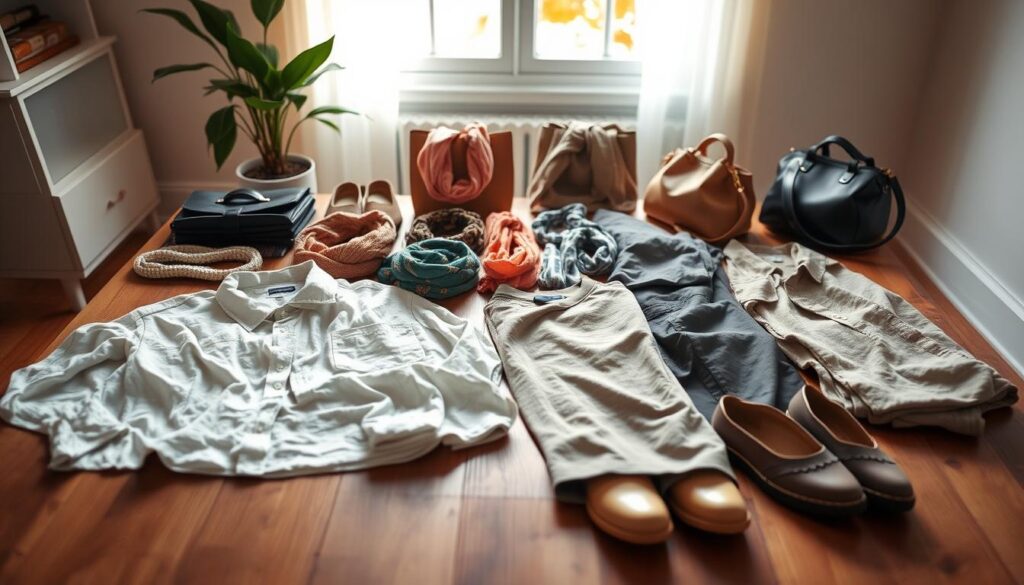
A useful wardrobe starts with the weather you face, the comfort you need and the person you want to express. The three Cs are climate, comfort, and character. Use all three to judge whether a piece fits your life, not just whether it looks good on a hanger.
Harriet Hadfield’s framework gives clients three questions to guide personal style. Climate covers weather, setting, and destination. Comfort includes physical ease and emotional confidence, while character asks how you want to feel or who you want to be that day.
| Consideration | Question to ask | How it guides a clothing choice |
|---|---|---|
| Climate | What weather, setting, or destination will I face? | Choose clothes that suit the conditions and place |
| Comfort | Can I move easily and feel at ease? | Favor physical comfort and emotional confidence |
| Character | How do I want to feel or show up today? | Choose pieces that express that intention |
Climate means more than checking the forecast. A cold commute, a warm office, and a weekend outdoors call for different clothes. Your destination also matters: a trip may need layers, while a formal event may call for different shoes.
Comfort can include a waistband that does not dig in, sleeves that allow movement, or a fabric that feels good all day. It also includes emotional ease. Clothes can help you feel safe, grounded, or ready to speak up.
Character changes with the day. You might want to feel calm for a busy workday or expressive at a gathering. A wardrobe does not need to lock you into one image; it can offer choices that match your mood and needs.
A capsule wardrobe can combine existing clothes with a few new additions. Start by noticing the pieces you reach for often, then ask what makes them useful. The answer might be comfort, ease of care, or a fit that works with several outfits.
Try the three Cs before buying. If a piece suits the weather but feels uncomfortable, it may stay unworn. If it feels good but does not fit your plans, save the money for clothes you will use.
Before adding a piece, check that it works for your climate, feels comfortable and reflects how you want to show up.
Which Colors Make an Outfit Look Polished?
Black and white is a timeless pairing, while softer blue and yellow can create a gentler, polished contrast. Coordination matters more than price. A polished impression usually comes from fit, condition, coordination, and confidence, not a body type or expensive label.
In 2025, fashion coverage highlighted combinations such as orange with light beige, brown with gold, and sage with beige. These are ideas to try, not promises about what will be current later.
A polished outfit depends on fit, condition, coordination, and confidence. No single color or body type creates that effect.
Try these five pairings with pieces you already own:
- Orange with light beige, or orange-brown with khaki.
- Brown with gold accents for a rich, balanced look.
- Blue with yellow in softer tones for a calmer contrast.
- Sage with beige, or pink with red for a clear color statement.
- Black with white, or dark blue with cream for a classic feel.
Black and white stays easy to wear for work, events, and everyday outfits. In 2025, monochrome catwalk looks featured white more prominently than black. That describes a moment in fashion, not a rule for every closet.
Brown with gold accents can look sophisticated without requiring costly jewelry. Cream or beige with navy can also look upscale. Shoes and accessories can tie the pieces together, but they do not need to match exactly.
Ask what makes a woman look wealthy, and the practical answer is a neat, well-fitting outfit that looks cared for. A high price tag cannot fix poor fit or worn fabric. Confidence often comes from choosing clothes that suit the person wearing them.
Try one coordinated color pairing with clothes you already own before buying anything new.
Conclusion
The right styling support should make getting dressed easier in the life you actually live. It should fit your goals, budget, and preferred format, whether you need help with daily outfits or a single event.
You do not need to rebuild your wardrobe to get useful advice. A stylist can help you see new options in your existing wardrobe and decide which gaps matter.
Write down one wardrobe goal and your spending limit, then use them to guide your first conversation with a stylist.