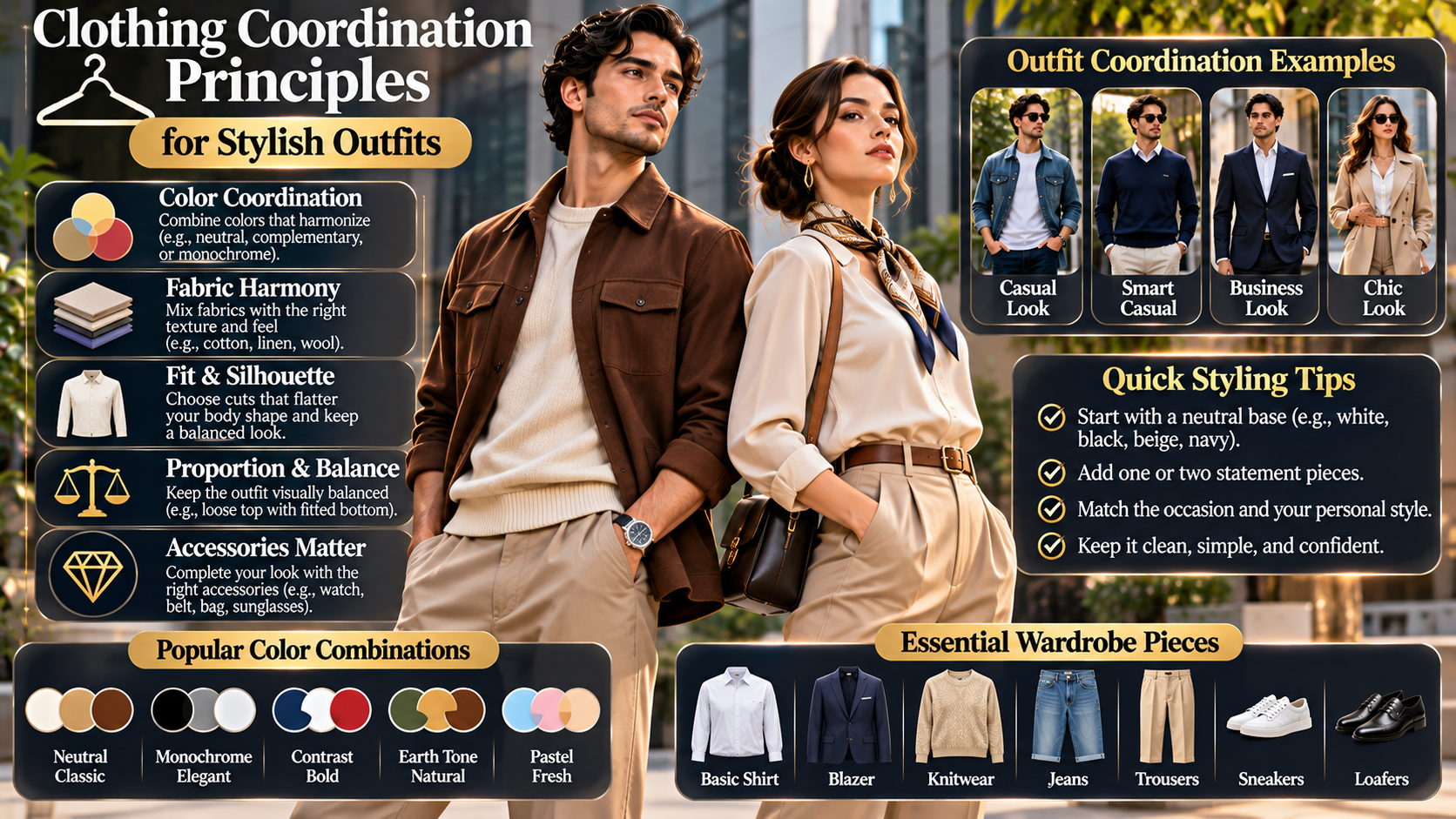
Clothing Coordination Principles provide a framework for creating stylish and cohesive outfits that reflect personal style while considering various factors like color, fabric, and body type. Understanding these principles not only enhances one’s fashion sense but also boosts confidence when stepping out into the world.
From mastering color theory to selecting the right accessories, this guide dives into the essentials that every fashion enthusiast should know. By learning how to harmonize textures, patterns, and cultural influences, anyone can elevate their wardrobe and make fashion choices with intention and flair.
The Importance of Color Theory in Clothing Coordination
Color theory plays a crucial role in clothing coordination, influencing not only the visual appeal of an outfit but also the emotions and perceptions associated with it. Understanding how colors interact helps individuals choose combinations that enhance their personal style and make a statement. By mastering color theory, one can create harmonious ensembles that reflect personality and occasion.
The principles of color theory guide fashion choices by highlighting the relationships between colors. Complementary colors, which are located directly opposite each other on the color wheel, can create vibrant, eye-catching contrasts, while analogous colors, which sit next to each other, produce a more subtle and cohesive look. Choosing the right color combinations ensures that the outfit is not only stylish but also appropriate for various occasions.
Complementary and Contrasting Colors
Utilizing complementary and contrasting colors can significantly elevate an outfit’s appeal. Complementary color schemes often enhance each color’s brightness, making the overall look more dynamic. For instance, pairing a deep blue dress with bright orange accessories can create a striking visual impact. On the flip side, contrasting colors, while not necessarily opposites on the color wheel, can still provide a bold statement through juxtaposition. A classic example is the combination of black and white, which is timeless and elegant.
When selecting color palettes for different occasions, it’s essential to consider the mood and setting. Below are some effective color combinations tailored for specific events:
- Casual Day Out: Soft pastels like lavender and mint green create a relaxed vibe, perfect for brunch or shopping.
- Office Attire: Neutral tones such as beige and navy provide a professional look, ensuring a confident appearance in a corporate setting.
- Evening Events: Jewel tones like emerald green and deep plum are luxurious and sophisticated, ideal for formal gatherings or parties.
- Summer Parties: Bright colors like coral and turquoise resonate with the cheerful essence of summer, perfect for outdoor festivities.
By understanding the impact of color theory, individuals can make informed fashion choices that not only look great but also resonate with the intended context and emotion.
“Color is the keyboard, the eyes are the harmonies, the soul is the piano with many strings.” – Wassily Kandinsky
Understanding Fabric Textures and Patterns
The choice of fabric textures and patterns can dramatically influence the overall aesthetic of an outfit. The way different materials feel and look can enhance or detract from the intended style, greatly affecting how an outfit is perceived. Understanding these elements is key to mastering clothing coordination and achieving a look that is both visually appealing and cohesive.
Different fabric textures provide unique visual experiences and tactile sensations, which can elevate the style of an outfit. For instance, a soft, brushed cotton creates a casual and approachable vibe, while a sleek satin can convey elegance and sophistication. The interplay between textures can also add depth to an ensemble. Pairing a chunky knit sweater with a smooth leather skirt can create balance and intrigue, as the contrasting surfaces catch light differently and highlight each other’s qualities. Additionally, certain textures work better for specific occasions; for example, denim is often favored for casual outings, whereas silk is preferred for formal events.
Combining Patterns for Visual Harmony
Successfully combining various patterns requires a keen eye for balance and cohesion. To ensure that patterns work together harmoniously, consider the following guidelines:
– Stick to a Color Palette: Selecting patterns that share a common color palette creates visual unity. For example, pairing a floral print with polka dots in similar hues can unify the overall look, making it more cohesive.
– Mix Scale and Size: Combining patterns of varying scales—such as large floral prints with smaller checks—can prevent clashing. This technique adds interest while avoiding overwhelming the viewer’s eye.
– Incorporate a Neutral: Using a neutral piece, such as a solid-color blazer or trousers, can bridge different patterns together. This allows the eye to rest while still showcasing diverse prints.
– Vary the Texture: Different textures can enhance the complexity of a patterned outfit. Mixing a textured fabric like tweed with a smooth fabric in a contrasting pattern can create a sophisticated layered look.
– Limit the Number of Patterns: To maintain visual clarity, it’s best to limit the outfit to two or three distinct patterns. This prevents the look from becoming too busy and maintains focus.
Popular Fabric Combinations for Enhanced Coordination
Certain fabric combinations have been proven to enhance clothing coordination and style. These pairings can elevate an outfit by providing complementary textures and visual contrast. Here are some popular fabric combinations:
– Cotton and Linen: Both breathable and comfortable, cotton and linen work well together in warm weather. The smoothness of cotton balances the rustic nature of linen, creating a relaxed yet polished appearance.
– Silk and Wool: The luxurious feel of silk pairs beautifully with the warmth of wool. This combination is often seen in tailored pieces like blazers, where silk lining offers elegance, while wool provides structure and warmth.
– Leather and Knit: The contrast between the tough texture of leather and the softness of knitwear creates an appealing juxtaposition. This combination is perfect for casual chic outfits, bringing together edgy and cozy vibes.
– Denim and Chambray: While both fabrics are denim-based, their different weights can be successfully layered. A light chambray shirt works well under a heavier denim jacket, providing depth and style without overwhelming the look.
– Velvet and Cotton: The plush texture of velvet can be beautifully paired with the softness of cotton. This combination is often seen in evening wear, where velvet adds a touch of luxury while cotton provides comfort.
Mixing textures and patterns is not just an art; it’s a way to express personal style and enhance the overall aesthetic of an outfit.
The Role of Body Types in Clothing Coordination
Understanding body types is crucial in the realm of clothing coordination, as it directly influences how outfits are selected and styled. Different body shapes lend themselves to various styles that can enhance one’s appearance. By recognizing individual body types, one can make informed decisions that not only flatter but also create a balanced silhouette, boosting confidence and personal style.
Recognizing the nuances of body types allows for a tailored approach to fashion. Each shape—be it pear, apple, hourglass, rectangle, or inverted triangle—has specific characteristics that can be complemented by thoughtful clothing choices. For instance, fabrics, cuts, and styles that highlight the body’s natural curves or proportions can make a significant difference in overall appearance. Knowing which styles work best for specific body shapes is key to achieving a harmonious look.
Styles that Flatter Different Body Shapes
Choosing clothing that flatters one’s body shape can enhance confidence and comfort. The following guide highlights various body types along with styles that typically suit each shape.
- Pear Shape: This body type features wider hips and a narrower waist. Flattering styles include A-line skirts, wide-leg pants, and off-the-shoulder tops, which emphasize the upper body while balancing the lower half.
- Apple Shape: Characterized by a fuller midsection with narrower hips and shoulders. Styles that work well include empire waist dresses, tunics that flow over the midsection, and high-waisted trousers that create a more defined waistline.
- Hourglass Shape: With a well-defined waist and balanced bust and hip measurements, this shape benefits from fitted clothing that accentuates curves. Examples include wrap dresses, belted tops, and tailored blazers.
- Rectangle Shape: This body type has a straight silhouette with little definition at the waist. Styles that add curves include peplum tops, layered outfits, and flared skirts, which create the illusion of a more defined waist.
- Inverted Triangle Shape: Characterized by broader shoulders and narrower hips, this shape is complemented by styles that add volume to the lower body. Flattering options include A-line skirts and wide-leg pants, while softening the upper body can be achieved through V-necklines and flowing fabrics.
Understanding how these different styles interact with body shapes fosters better clothing choices. Dressing according to body type not only enhances individual features but also promotes comfort and confidence in personal style. This curated approach ensures that everyone can achieve a balanced and flattering look, making the most of their unique body characteristics.
Seasonal Clothing Coordination Strategies
Seasonal transitions bring both challenges and opportunities to elevate your wardrobe. Adapting clothing coordination principles based on seasonal changes not only keeps your style fresh but also enhances functionality, allowing you to face varying temperatures and weather conditions with confidence. Understanding how to effectively layer and choose the right pieces is essential, especially in the colder months when fashion meets practicality.
Layering becomes a critical strategy in colder seasons, serving both functional and aesthetic purposes. The right layers can provide warmth while ensuring you look polished and put-together. Layering allows for versatility, enabling you to adapt to indoor and outdoor environments seamlessly. A well-coordinated layered outfit can also showcase different textures and colors, adding depth to your overall look.
Importance of Layering in Cold Weather
Layering in colder months involves combining various clothing items to achieve both warmth and style. By learning how to effectively layer, you can create outfits that are not only functional but also fashionable. Here are the key components to consider when layering:
- Base Layer: The foundation of your outfit, usually made from moisture-wicking materials like merino wool or synthetic fabrics. This layer should fit snugly against the skin to trap heat while keeping you dry.
- Middle Layer: This layer adds insulation and can be a sweater, fleece, or cardigan. Opt for materials that provide warmth without bulk, such as down or synthetic insulation.
- Outer Layer: The final layer protects against wind, rain, and snow. A stylish long coat or a chic parka can complete your look while keeping you warm and dry.
In addition to layering, seasonal outfits can maintain coordination and style integrity through thoughtful color selection and accessories. For instance, during fall, earthy tones like burgundy, olive, and mustard can be combined with a neutral base. A classic example would be pairing a mustard turtleneck with a burgundy wool coat and dark skinny jeans, finished off with ankle boots for a chic autumn look.
Another great illustration is springtime layering, which can involve light fabrics that breathe. A lightweight trench coat over a pastel blouse and well-fitted white trousers offers a polished look. Accessories like a light scarf or a pair of stylish sunglasses enhance the ensemble, bringing an effortless charm suitable for the season.
“Layering is not just about functionality; it’s an art form that allows for personal expression through style.”
Summing up, mastering seasonal clothing coordination strategies focuses on understanding the seasonal climate, effectively layering, and thoughtfully selecting outfits that reflect style integrity while ensuring comfort. This approach not only enhances your overall look but also empowers you to embrace every season with confidence and flair.
Accessorizing
Accessorizing is an essential aspect of clothing coordination that can significantly enhance or detract from an outfit’s overall look. The right accessories not only complement your clothing but also express your personal style and creativity. Whether it’s a bold statement piece or a subtle addition, accessories can elevate your look from basic to extraordinary. Understanding how to effectively use accessories is key to mastering the art of dressing well.
The impact of accessories on an outfit cannot be overstated. They serve as the finishing touch that can tie a look together or, conversely, disrupt the harmony of an outfit. Accessories include items such as jewelry, belts, bags, hats, and scarves, each playing a unique role in shaping your overall appearance. When chosen wisely, accessories enhance your style by adding layers, color, and interest. Conversely, if overdone or mismatched, they can distract from the main elements of your outfit, pulling attention away from what you want to highlight.
Choosing the Right Accessories for Different Occasions
Selecting appropriate accessories for various occasions is crucial for achieving a polished and cohesive look. Different settings call for different styles of accessories, and knowing how to navigate this can make a significant difference in your appearance. Here are some tips for choosing the right accessories based on occasion:
1. Casual Outings: For laid-back settings like brunch or a day out, opt for simple, comfortable accessories. Think lightweight scarves, casual handbags, and minimalistic jewelry like stud earrings or a delicate bracelet. These pieces should enhance your look without overwhelming it.
2. Workplace Attire: In professional environments, accessories should reflect a sense of professionalism. A classic watch, subtle earrings, and structured bags are ideal choices. Avoid overly flashy items, as they can appear unprofessional.
3. Formal Events: Dressier occasions like weddings or galas call for statement accessories. Bold necklaces, elegant clutches, and eye-catching earrings can accentuate formal wear. However, maintain balance by avoiding overwhelming combinations.
4. Seasonal Considerations: Different seasons lend themselves to different accessories. In winter, chunky knit scarves and leather gloves add warmth and style, whereas summer calls for light fabrics and colorful, airy accessories like straw hats and vibrant jewelry.
5. Personal Style: Ultimately, your accessories should reflect your personality. Whether you prefer vintage pieces, modern accessories, or handcrafted items, choose what resonates with your style while keeping the occasion in mind.
Balancing Bold and Subtle Accessories
Finding the right balance between bold and subtle accessories can be challenging but is essential for achieving a well-coordinated outfit. Here are some guidelines to help you navigate this aspect of accessorizing effectively:
– Statement Pieces: If you choose a bold accessory, like a large necklace or oversized earrings, keep the rest of your accessories minimal. This ensures that the statement piece stands out without competing with other elements.
– Layering Accessories: When combining multiple accessories, consider varying their sizes and styles. For example, pairing a delicate bracelet with a chunky watch can create visual interest without overwhelming the look.
– Color Coordination: Use color to balance bold accessories. If you wear vibrant accessories, opt for neutral clothing to prevent clashing. Conversely, if your outfit is colorful, subtle accessories in complementary shades can add harmony.
– Proportions Matter: Pay attention to proportions; oversized accessories may look out of place with petite outfits, while dainty accessories can get lost with bulky clothing. Adjust the size of your accessories to suit your overall ensemble.
– Occasion Appropriateness: Always consider the context. For instance, a striking cuff bracelet may be perfect for a night out but might not be suitable for a casual lunch. Being mindful of the occasion will guide your accessory choices.
“Accessories should enhance your look, not define it.”
Cultural Influences on Clothing Coordination
Fashion is more than just fabric; it reflects the diverse tapestry of cultures around the world. Clothing styles and coordination principles are often shaped by cultural heritage, history, and societal norms. Understanding these influences not only enhances personal style but also fosters respect and appreciation for different backgrounds. This section delves into how various cultures influence clothing coordination, emphasizing the importance of thoughtful integration of cultural attire into modern fashion.
Impact of Cultural Heritage on Clothing Styles
Cultural heritage plays a pivotal role in shaping clothing styles and coordination principles. Traditional garments often carry significant meaning and are emblematic of a community’s identity, beliefs, and values. When integrating cultural elements into modern outfits, one must be mindful of their origins and the narratives they convey. Here are some notable cultural garments and tips on how to incorporate them thoughtfully:
- Kimonos (Japan): This traditional Japanese garment is known for its intricate designs and sophisticated use of fabric. To incorporate a kimono into a modern outfit, pair it with fitted jeans and a simple top for a balance of elegance and casual style.
- Sarongs (Southeast Asia): Often worn at the beach or during festivals, sarongs can be styled as a wrap dress or skirt, adding a vibrant pop of color and texture to summer outfits. Combining them with a plain tank top and sandals creates a chic look.
- Dashiki (West Africa): The dashiki is a colorful garment worn in West African cultures. For a contemporary twist, layer a fitted dashiki over a simple white t-shirt and dark jeans, allowing the dashiki to stand out as the focal point.
- Huipil (Mexico): This traditional embroidered tunic can be paired with leggings or tailored pants to create a casual yet stylish ensemble. The intricate patterns of the huipil tell stories of the artisan’s community and should be celebrated in any outfit.
“Fashion is the armor to survive the reality of everyday life.” – Bill Cunningham
Respecting cultural attire while integrating it into personal styles requires sensitivity and awareness. It’s essential to approach cultural garments with an understanding of their significance. Adopting these pieces should not merely be about aesthetics but also a celebration of the culture they represent. Thoughtfully combining traditional and modern pieces can yield unique styles that honor both personal expression and cultural heritage. By doing so, one can create visually captivating outfits that resonate with stories and traditions, fostering a greater appreciation for the world’s rich tapestry of fashion.
The Impact of Trends on Clothing Coordination
Fashion trends play a significant role in shaping the choices we make when coordinating our clothing each season. The rapid pace of change in the fashion industry, influenced by designers, influencers, and cultural shifts, ensures that what is in vogue can affect how we perceive and style our personal garments. Understanding the dynamics of trends not only informs our clothing coordination but also helps us express our individuality within the broader context of the fashion landscape.
The influence of trends on clothing coordination is particularly evident during seasonal transitions. Each season brings forth a new palette, fabrics, and silhouettes that dictate what is deemed fashionable. This seasonal change impacts both retail strategies and consumer behaviors, leading to a harmonious blend of fresh styles and traditional staples in our wardrobes. However, the challenge remains in balancing these trends with one’s personal aesthetic.
Balancing Trends with Personal Style
Maintaining personal style while embracing trends can be a delicate balancing act. It is essential to recognize that trends should enhance, not overshadow, individual expression. Adopting elements of trends can refresh a wardrobe while still honoring personal preferences.
Strategies for incorporating trendy items include:
- Identifying key pieces: Choose one or two trendy items that resonate with your style and can be easily integrated into your existing outfits.
- Mixing old with new: Pair trendy pieces with classic staples to create a cohesive look that reflects both current fashions and timeless style.
- Accessorizing wisely: Use accessories as a way to introduce trends without committing to full outfits that may not align with your personal taste.
- Staying true to your color palette: When selecting trendy items, opt for colors and patterns that fit within your established wardrobe color scheme to ensure seamless coordination.
- Experimenting gradually: Start small by incorporating trends into your weekend or casual wear, allowing you to test how they blend with your overall style before embracing them fully in more formal settings.
By following these strategies, individuals can embrace the excitement of fashion trends while ensuring their wardrobe remains a true reflection of their personality and style.
“Fashion is what you’re offered four times a year by designers. And style is what you choose.” – Lauren Hutton
The Psychology of Clothing Coordination
Clothing coordination plays a significant role in shaping our self-perception and how others perceive us. The choices we make in our attire can influence our self-esteem and confidence levels, impacting our interactions in both personal and professional settings. Understanding the psychological effects of clothing coordination allows individuals to harness their wardrobe to boost their self-image.
The psychological effects of color and style choices in personal presentation are profound and can vary based on cultural contexts and individual preferences. Colors can evoke specific emotions and responses; for instance, blue is often associated with calmness and stability, while red can convey passion and energy. Style choices also play a crucial role, as tailored clothing typically suggests professionalism, whereas casual attire may project a more relaxed demeanor. The brain often associates certain colors and styles with specific feelings, which can significantly affect how one feels in their clothing and how they are perceived by others.
Clothing Choices and Self-Esteem
The relationship between clothing choices and self-esteem is well-documented, with many studies highlighting how dressing well can enhance an individual’s confidence. When people wear clothes that align with their personal style and body image, they often feel a boost in self-worth. This phenomenon is particularly evident in professional settings, where a well-coordinated outfit can lead to greater assertiveness and a more positive mindset.
For example, research from the fields of psychology and fashion indicates that individuals who wear formal attire report feeling more powerful and competent than those in casual clothing. This psychological effect is often termed “enclothed cognition,” suggesting that the clothing we wear influences our mental processes. Hence, dressing appropriately based on context—such as wearing business attire for a job interview—can have a substantial impact on one’s confidence levels and overall performance.
Psychological Principles of Dressing for Success
Understanding the psychological principles behind dressing for success can guide individuals in making clothing choices that not only look good but also feel empowering. Dressing with intention involves selecting outfits that align with one’s goals, values, and the impression one wishes to convey.
To effectively dress for success, consider the following principles:
- Fit and Comfort: Wearing well-fitted clothing that feels comfortable can significantly enhance self-assurance. Clothes that fit properly allow for confident body language and movement.
- Color Psychology: Choose colors that resonate with the message you want to convey. For example, wearing black can denote authority, while lighter colors can suggest openness and approachability.
- Consistency with Personal Brand: Aligning clothing choices with your personal or professional brand reinforces your identity and builds credibility. This may include incorporating signature pieces or a consistent color palette.
- Attention to Detail: Small details, such as accessories or grooming, contribute to an overall polished look. Attention to these elements can enhance the impression you make on others.
These principles not only improve how one is perceived in various settings but can also reinforce a positive self-image, ultimately leading to greater success in both personal and professional realms.
“The right outfit can set the tone for your entire day, giving you the confidence to tackle any challenge.”
Summary
In conclusion, mastering Clothing Coordination Principles is about more than just looking good; it’s about expressing individuality while considering the various elements that create a harmonious look. With a solid understanding of color, fabric, body type, and trends, anyone can curate outfits that not only impress but also tell a story about who they are.
FAQ Guide
What is the best way to choose colors for an outfit?
Start with a base color, then choose complementary or contrasting colors for accessories and layers to create balance.
How can I mix patterns without clashing?
Stick to a common color palette and vary the scale of the patterns to ensure they complement each other.
What should I consider when dressing for my body type?
Focus on clothing styles that highlight your best features and create balanced proportions based on your specific shape.
How do seasonal changes affect clothing coordination?
Adapting your wardrobe with layering techniques and appropriate fabrics helps maintain style and warmth throughout different seasons.
Are accessories really that important in clothing coordination?
Yes, the right accessories can elevate an outfit, while the wrong ones can detract from the overall look, so choose wisely!