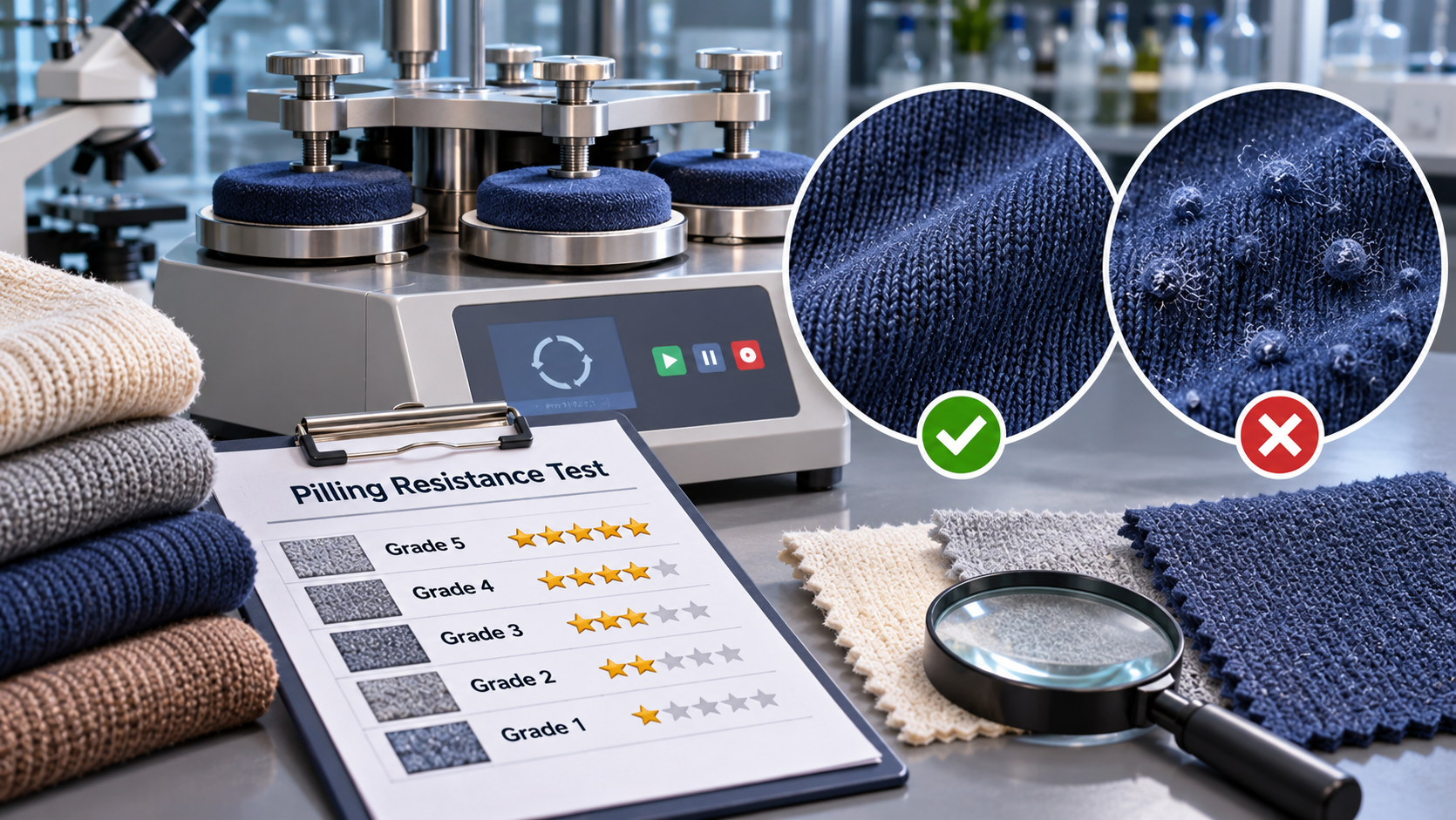
Textile Pilling Resistance Assessment is essential for understanding how fabrics interact with daily use and wear. Pilling, the tiny balls of fiber that form on the surface of textiles, can drastically impact the aesthetic appeal and durability of garments and upholstery. As our lifestyles become increasingly demanding, the quality of textiles plays a crucial role in consumer satisfaction. By exploring the phenomena of pilling, we can appreciate the importance of fabric quality and the science behind maintaining that quality over time.
This assessment not only highlights the practical implications of pilling but also encourages manufacturers and consumers alike to prioritize fabric longevity. From everyday clothing to high-performance textiles, understanding what makes a fabric prone to or resistant against pilling is key for both product development and informed purchasing decisions.
Understanding Textile Pilling and Its Importance in Fabric Quality
Textile pilling is a common phenomenon that affects the appearance and longevity of fabrics, making it a critical aspect in the assessment of fabric quality. Pilling occurs when fibers on the surface of the fabric become loose and form small, tangled balls or bobbles due to friction during wear and laundering. This not only affects the aesthetic appeal of textiles but also impacts their usability and durability. As consumers become increasingly discerning about product quality, the presence of pilling can significantly influence their purchasing decisions and overall satisfaction with a fabric.
The everyday impact of fabric pilling can be profound. Consumers often perceive pilled fabrics as worn out or of lower quality, leading to a decline in the perceived value of the product. For instance, a cozy sweater that develops pilling after just a few washes may find itself relegated to the back of the wardrobe, while a smooth, pill-free fabric is more likely to be favored for its pristine appearance. This perception extends to brands as well; a reputation for producing pilled goods can result in decreased customer loyalty and increased return rates. High-quality, durable fabrics that resist pilling tend to foster a positive consumer experience, enhancing brand reputation and customer satisfaction.
Certain fabrics are more prone to pilling due to their fiber composition and structure. For example, natural fibers such as wool and cotton are known to pill more readily than synthetic fibers. Wool’s inherent fibers have a scaly surface that can easily snag and form pills, especially when subjected to friction. In contrast, polyester and nylon are generally more resistant to pilling due to their smooth filament structure. Additionally, blends of different fiber types can affect pilling tendencies; for example, a cotton-polyester blend may show reduced pilling compared to 100% cotton.
To summarize the differences in fabric pilling tendencies, here are some examples:
Fabrics Prone to Pilling
- Wool: A natural fiber that tends to pill due to its scaly structure.
- Cotton: Especially in loosely woven varieties, it is susceptible to pilling with wear.
- Acrylic: A synthetic fiber that can create pills when subjected to friction.
Fabrics Resistant to Pilling
- Polyester: Known for its durability and resistance to pilling, maintaining a smooth surface.
- Nylon: Another synthetic fiber that resists pilling due to its smooth structure.
- Silk: With its fine fibers, silk typically does not pill, offering a luxurious feel and appearance.
In conclusion, understanding textile pilling is essential for both consumers and manufacturers, as pilling can dramatically influence perceptions of fabric quality and durability. By recognizing the fabrics more susceptible to pilling, consumers can make informed choices, while manufacturers can focus on improving fabric formulations to enhance product resilience.
The Mechanism of Pilling in Textiles and Contributing Factors
Pilling is a common issue that affects the appearance and durability of textiles, often leading to consumer dissatisfaction. Understanding how pilling occurs and the various contributing factors is crucial for manufacturers and consumers alike. Pilling typically manifests as small tangled balls of fibers on the surface of fabrics, resulting from the wear and friction that textiles endure during usage and laundering. Factors like fiber type, fabric construction, and usage conditions play significant roles in the pilling process, ultimately influencing the longevity and aesthetic appeal of the fabric.
Pilling occurs when loose fibers on the surface of a fabric become entangled due to friction. This friction can arise from normal wear, washing, or even the act of wearing the garment. When the fabric is subjected to these forces, some fibers break loose and begin to form small knots or pills. Several factors contribute to the severity and frequency of pilling, including the type of fibers used, the construction of the fabric, and the conditions under which the fabric is used and maintained.
Fiber Type and Its Influence on Pilling
The type of fiber used in textile production is one of the most critical factors affecting pilling. Different fibers exhibit varying levels of resilience, strength, and propensity to pill. Natural fibers like cotton and wool are more likely to pill due to their inherent structure, which allows them to shed fibers more easily. In contrast, synthetic fibers like polyester and nylon tend to resist pilling because of their smoother surface and less porous nature.
Several factors regarding fiber type can influence pilling:
- Length and Diameter: Longer fibers tend to be more stable and less likely to pill, while shorter fibers can easily break and become loose.
- Fineness: Finer fibers may pill less because they tend to be smoother, reducing friction against other surfaces.
- Elasticity: Fibers with higher elasticity can better withstand the stresses of wear without breaking, which can also reduce pilling.
Fabric Construction Techniques
The way a fabric is constructed significantly influences its propensity to pill. Fabrics that are tightly woven or knitted generally resist pilling better than loosely woven fabrics. The construction method affects how fibers are anchored within the fabric. Techniques that create a well-structured fabric can help to ensure that the fibers are less likely to be dislodged during wear and cleaning.
Important factors in fabric construction include:
- Yarn Twist: A higher twist in yarn can increase the strength and stability of a fabric, thereby reducing the likelihood of pilling. Conversely, a low twist may result in loose fibers that are more prone to pilling.
- Weave or Knit Type: Certain weave patterns, such as twill or satin, create a smoother surface that can resist pilling better than plain weaves.
- Fabric Density: Denser fabrics generally experience less friction and wear, which contributes to a lower incidence of pilling.
Usage Conditions and Their Impact
The conditions under which textiles are used and maintained also play a significant role in the pilling process. Fabrics subjected to continuous friction, such as those worn in active clothing or household textiles like upholstery, are more likely to pill. Additionally, the laundering process can exacerbate pilling if proper care instructions are not followed.
Factors affecting usage conditions include:
- Washing Techniques: Aggressive washing methods, such as high agitation or hot temperatures, can lead to increased pilling by causing fibers to loosen and entangle.
- Drying Methods: Tumble drying can create additional friction that leads to more pilling compared to air drying.
- Storage Conditions: Storing textiles in tightly packed spaces can lead to increased friction between fabrics, promoting pilling.
In summary, pilling in textiles is influenced by a complex interplay of fiber type, fabric construction, and usage conditions. Manufacturers can minimize pilling by carefully selecting materials and construction methods, while consumers can help maintain their textiles by adhering to proper care guidelines.
Testing Methods for Assessing Pilling Resistance in Fabrics
Assessing the pilling resistance of textiles is paramount in the textile and apparel industry, as it affects both the aesthetic appeal and durability of fabrics. Various standardized testing methods have been developed to objectively measure pilling resistance, each with its unique procedures and outcomes. This section delves into the two primary methods used for evaluating pilling resistance: the Martindale method and the Pilling Box method.
Martindale Method
The Martindale method is a widely recognized procedure used to assess the pilling resistance of textiles. During this test, a sample of fabric is placed on a horizontal platform, and a standardized abrasive material is applied against it. The abrasive surface is typically made of a specific grade of fabric or felt. The test machine moves the sample in a circular motion, simulating wear over a set period.
The outcomes of the Martindale method are evaluated based on visual inspections after a predetermined number of cycles, usually 1,000 to 10,000. The fabric is rated on a scale that assesses the extent of pilling: from no pilling (a rating of 5) to severe pilling (a rating of 1). The Martindale method is particularly relevant for upholstery fabrics, where durability and appearance retention are crucial.
Pilling Box Method
The Pilling Box method, also referred to as the Random Tumble method, involves placing multiple samples of fabric into a box filled with a specified number of small, abrasive balls. The box is then rotated at a controlled speed for a specified duration. This method mimics the random and multidirectional movement that occurs in everyday wear, providing a more realistic assessment of pilling.
Results are analyzed similarly to the Martindale method, with the fabric rated on a pilling scale based on the number and size of pills formed after testing. The Pilling Box method is often favored for garments and fabrics that experience a lot of friction against one another, such as in the case of activewear or knitted textiles.
Comparison of Effectiveness
Both the Martindale and Pilling Box methods offer valuable insights into the pilling resistance of textiles, but their effectiveness can vary based on the application. The Martindale method is generally seen as more rigorous for upholstery purposes, while the Pilling Box method provides a realistic depiction of wear experienced in clothing.
Both methods are critical in helping manufacturers and designers choose fabrics that will maintain their appearance and functionality over time. When selecting a testing method, considerations such as the end-use of the textile, the anticipated wear conditions, and the desired longevity of the fabric play a significant role in determining the most suitable approach for assessing pilling resistance.
Factors Influencing the Results of Pilling Resistance Tests
The assessment of pilling resistance in textiles is critical for evaluating fabric durability and quality. A variety of external and internal factors can significantly influence the outcomes of pilling tests, ultimately affecting the perceived quality of textile products. Understanding these factors is essential for manufacturers, retailers, and consumers alike in order to make informed decisions about fabric performance and care.
Environmental conditions play a pivotal role in the results of pilling resistance tests. Aspects such as humidity and temperature can alter the behavior of fibers, impacting their susceptibility to pilling. For instance, high humidity can cause fibers to swell, leading to increased friction during abrasion tests. In contrast, low humidity environments may dry out fibers, causing them to become brittle and more prone to breakage, which can also influence pilling outcomes. Similarly, temperature can affect the elasticity and structural integrity of fibers, with extreme cold or heat potentially resulting in a higher incidence of pilling. Therefore, both humidity and temperature must be carefully controlled during testing to ensure consistent and reliable results.
External and Internal Factors Affecting Pilling Resistance
Several variables contribute to the pilling resistance of textile materials. Understanding these can help manufacturers design better products and consumers make knowledgeable choices. Below are key factors categorized into external and internal influences:
| Factor | Description | Impact on Pilling Resistance |
|---|---|---|
| Fiber Composition | Type of fibers used (natural vs synthetic) | Different fibers have varying tendencies to pill; synthetic fibers like polyester may pill more than natural fibers like cotton. |
| Fabric Construction | Weave or knit structure of the fabric | Tighter weaves generally exhibit less pilling compared to looser constructions. |
| Finishing Treatments | Processes applied to enhance fabric properties | Chemical finishes can improve resistance, while some treatments may inadvertently increase pilling. |
| Wear and Care | Washing, drying, and wearing conditions | Improper washing or aggressive drying can lead to increased pilling due to mechanical stress. |
| Environmental Conditions | Influence of temperature and humidity during testing | High humidity can soften fibers, while low humidity can make them brittle, both affecting pilling results. |
The comprehensive understanding of these factors allows for better prediction of pilling behavior in various textiles. For example, a cotton-polyester blend may show different pilling resistance when subjected to different washing conditions, showcasing the need for appropriate care instructions. As manufacturers strive to produce high-quality fabrics, being aware of these influences can guide the development of textiles that not only meet consumer expectations but also withstand the tests of time and wear.
Innovative Approaches to Enhance Pilling Resistance in Textiles
The textile industry continuously seeks innovative solutions to enhance the durability and aesthetics of fabrics, with pilling resistance being a significant concern. Pilling, the formation of small balls of fibers on the fabric surface, detracts from the overall appearance and feel of textiles. Recent advancements in textile technology focus on reducing this issue through various methods, including the development of new materials, chemical treatments, and the incorporation of sustainable practices in manufacturing processes.
Latest Advancements in Textile Technology
The push for improved pilling resistance has led to the emergence of several innovative approaches. Notable advancements include the use of advanced fiber technologies and innovative fabric blends. One such breakthrough is the incorporation of microdenier fibers, which are finer than traditional fibers and create a smoother surface. This smoothness reduces the chances of fibers entangling and forming pills.
Additionally, high-performance polyester blends are now being developed. These blends combine the durability of polyester with other fibers, such as cotton or wool, to enhance the overall performance of the fabric. Another promising development is the use of new spinning techniques that create tightly twisted yarns, which can significantly minimize pilling.
Chemical Treatments and Fiber Blends
Various chemical treatments are also being utilized to enhance pilling resistance in textiles. These treatments typically involve applying resins or polymers that can bind fibers together more securely, reducing fiber loosening and, consequently, pilling.
Examples of such treatments include the application of silicone-based finishes, which provide a smoother surface and can prevent the formation of pills. Additionally, enzyme treatments have gained popularity, where specific enzymes are used to break down the loose fibers responsible for pilling. This results in a cleaner fabric surface and significantly reduces the likelihood of pilling.
Furthermore, fiber blends play a crucial role in improving pilling resistance. For instance, blends of polyester and nylon are widely recognized for their strength and resilience, helping to combat wear and tear that leads to pilling. The combination of natural and synthetic fibers can also provide enhanced performance characteristics, thus improving longevity.
Sustainable Practices in Developing Anti-Pilling Textiles
Sustainability is paramount in modern textile innovations, including the development of anti-pilling fabrics. Many companies are now focusing on eco-friendly fiber sources, such as organic cotton or recycled polyester, which not only reduces environmental impact but also contributes to fabric durability.
Incorporating sustainable practices can lead to the exploration of natural anti-pilling treatments derived from plant-based materials, which are less harmful than traditional chemical treatments. Companies are increasingly adopting closed-loop systems, which allow for the recycling of textile waste into new fabric, promoting a circular economy that supports the sustainability of anti-pilling solutions. This holistic approach ensures that while textiles become more resistant to pilling, they also align with environmental conservation efforts.
Real-World Applications of Pilling Resistance Assessment in the Textile Industry
Pilling resistance assessment plays a critical role in the textile industry, particularly in the development of high-quality fabrics that meet consumer expectations. Pilling, often viewed as a sign of poor quality, can significantly impact the overall aesthetic and usability of textile products. By understanding and optimizing pilling resistance, manufacturers are better equipped to create textiles that not only endure wear but also maintain their appearance over time.
The assessment of pilling resistance can directly influence product development in the textile industry. It informs manufacturers about the suitability of fibers and yarns, aiding in the selection of materials that minimize pilling. For instance, synthetic fibers like polyester are often chosen for their lower propensity to pill, while blends may be developed to enhance durability. Brands that invest in rigorous pilling assessments can differentiate themselves in a competitive market, reducing returns and enhancing customer satisfaction. Additionally, this process is vital during the design phase, as it allows for adjustments before mass production, leading to reduced wastage and improved product lifecycles.
Case Studies of Successful Pilling Resistance Implementation
Numerous brands have successfully integrated pilling resistance measures into their product lines, showcasing the importance of this assessment within the industry. For example:
– Patagonia: Known for its commitment to sustainable practices, Patagonia utilizes high-quality recycled fibers in its fleece products, which demonstrate excellent pilling resistance. Their rigorous testing ensures that products like the Better Sweater remain durable and visually appealing even after multiple washes.
– H&M: This global fashion retailer has implemented a pilling resistance assessment protocol for its Activewear line. By choosing fabrics with enhanced durability, H&M has significantly reduced customer complaints related to pilling, enhancing user experience and increasing brand loyalty.
– IKEA: In the upholstery sector, IKEA has made strides with their textiles by employing pilling resistance testing on their furniture fabrics. This not only ensures longevity but also maintains the aesthetic appeal of their offerings, leading to higher customer satisfaction and reduced returns.
Pilling resistance is crucial across a variety of industries, each with unique requirements for durability and performance. The following sectors underscore the significance of pilling resistance assessment:
- Fashion: High-quality garments require fabrics that maintain aesthetics over time.
- Upholstery: Furniture fabrics must endure daily wear while remaining visually appealing.
- Automotive: Vehicle interiors need durable textiles that withstand friction and retain their appearance.
- Sportswear: Athletic clothing must resist pilling to maintain performance and comfort.
- Home Textiles: Bedding and curtains require longevity and aesthetic stability to meet consumer expectations.
By focusing on pilling resistance assessment, brands across these industries can enhance product quality and ensure consumer satisfaction, ultimately driving success in a highly competitive market.
Consumer Education on Pilling and Fabric Care
Consumer education plays a vital role in managing expectations regarding fabric performance, particularly concerning pilling. Many consumers may not fully understand what pilling is, how it occurs, or the best ways to preserve the appearance and integrity of their fabrics. This understanding can lead to better purchasing decisions and more effective maintenance practices, ultimately enhancing the lifespan of textiles.
Pilling is the formation of small, fuzzy balls of fibers on the surface of fabric caused by friction, wear, and the breakdown of fibers. To minimize pilling, consumers must be informed about proper washing, drying, and maintenance practices. This knowledge empowers them to take proactive steps in caring for their textiles, ensuring they look great for longer.
Washing Practices to Reduce Pilling
Washing is one of the most critical stages in fabric care that can impact pilling. Proper washing techniques can significantly decrease the chances of pilling. Here are some essential guidelines for consumers:
- Use a Gentle Cycle: Opt for the delicate or gentle cycle on your washing machine. This setting reduces agitation, which minimizes friction and, consequently, pilling.
- Turn Garments Inside Out: By reversing clothes before washing, the fabric’s outer surface is protected from friction against other items in the wash.
- Wash Similar Fabrics Together: Grouping similar fabrics reduces the risk of abrasion that can occur when heavier items rub against lighter fabrics.
- Choose the Right Detergent: A mild detergent helps protect delicate fibers. Avoid using too much detergent, as residue can also contribute to pilling.
Drying Practices to Reduce Pilling
Drying methods can also influence pilling, with some techniques being more fabric-friendly than others. Here’s how to dry fabrics while minimizing pilling:
- Avoid High Heat: High temperatures can cause fibers to break down more quickly. Instead, use a low heat setting or air dry when possible.
- Remove Items Promptly: Taking clothes out of the dryer as soon as they’re finished reduces friction caused by tumbling.
- Use a Mesh Laundry Bag: For delicate items, consider using a mesh laundry bag to provide extra protection during both washing and drying.
Maintenance Practices for Fabric Care
Regular maintenance can extend the life of fabrics and minimize the occurrence of pilling. Here are essential practices that consumers should adopt:
- Regularly De-Pill: Use a lint shaver or pill remover to gently eliminate pills from the surface of fabrics. This proactive approach can maintain the fabric’s appearance.
- Store Properly: Avoid cramming clothes into tight spaces. Instead, store them loosely to minimize friction when accessing garments.
- Label Awareness: Pay attention to care labels and follow the recommended washing, drying, and care instructions specific to each fabric type.
“Proper care and maintenance can significantly reduce pilling, ensuring that fabrics not only look their best but also last longer.”
Transparency from manufacturers regarding fabric performance is crucial. Labels should clearly indicate pilling resistance ratings and care instructions, empowering consumers with the knowledge to make informed decisions. This transparency fosters trust and encourages responsible fabric usage, benefiting both consumers and the environment.
Final Summary
In summary, the journey through Textile Pilling Resistance Assessment reveals a complex interplay between fabric quality, testing methods, and consumer education. As brands innovate to enhance pilling resistance, this assessment serves as a guiding light for the textile industry. Ultimately, a well-informed consumer can contribute to the demand for better quality textiles, leading to products that not only look good but last longer. By understanding pilling and its implications, we can make smarter choices in our fabric selections and care practices.
Helpful Answers
What causes textile pilling?
Textile pilling is primarily caused by the abrasion of fibers that loosen from the fabric surface during wear and washing, leading to the formation of small balls or pills.
How can I reduce pilling on my garments?
To minimize pilling, avoid washing your garments with rough fabrics, use a gentle cycle, and consider air drying instead of tumble drying.
Are some fabrics more prone to pilling than others?
Yes, fabrics made from shorter fibers or loose weaves, such as wool and cashmere, are generally more prone to pilling compared to tightly woven synthetics.
Can pilling be completely prevented?
While pilling can be minimized, it cannot be completely prevented due to the nature of fabric wear and usage over time.
What should I look for in a fabric to ensure it is resistant to pilling?
Look for fabrics that have a high twist yarn, tightly woven structures, or those treated with anti-pilling finishes for better resistance.