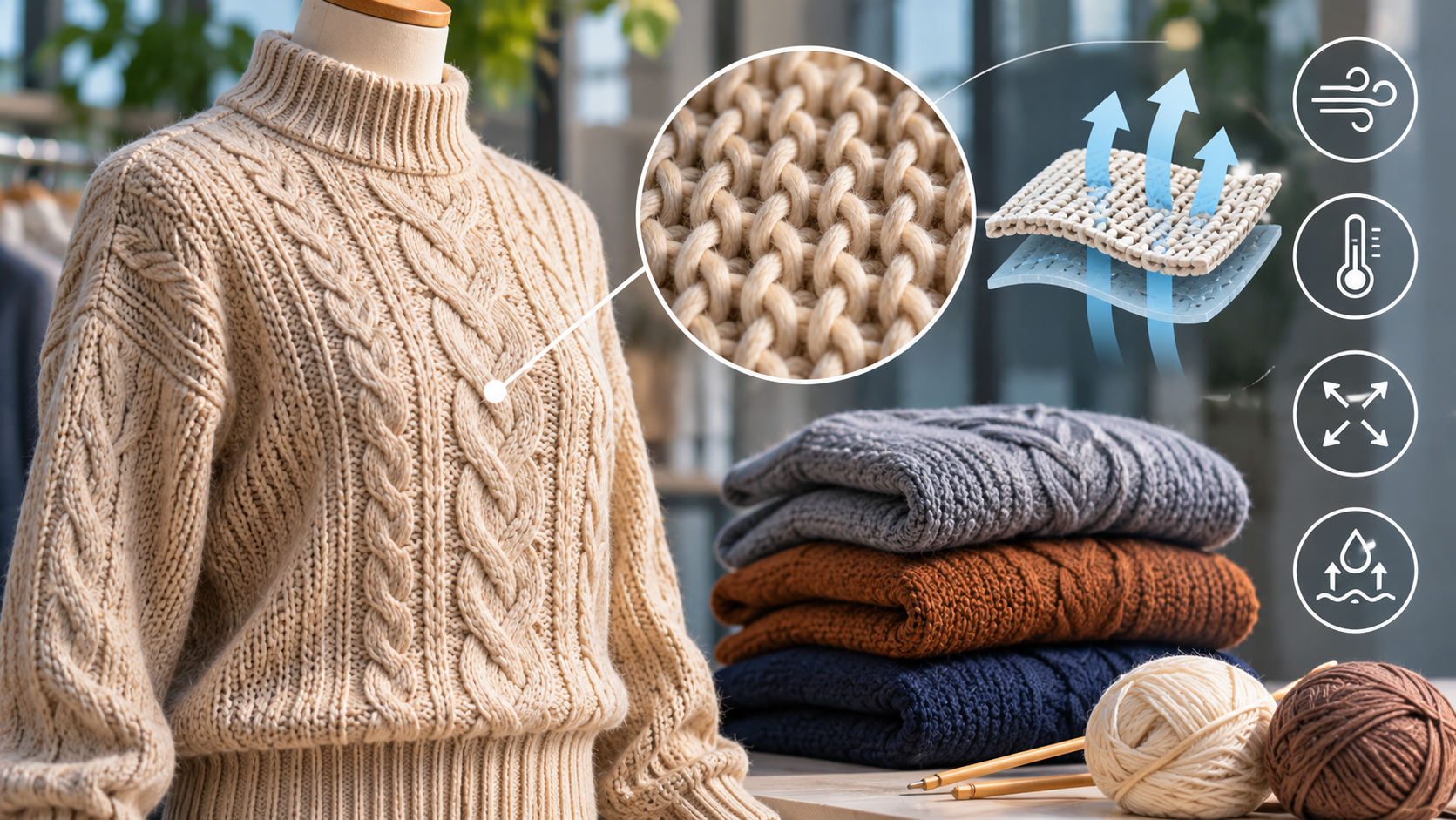
Knitwear Structure and Performance is a fascinating exploration into the intricate world of knitwear, where construction techniques meet innovative materials to create garments that are both functional and stylish. As we delve into the various knitting methods and fabric compositions, we uncover how these elements contribute to the overall performance of knitwear, whether for everyday wear or specialized applications.
This discussion spans several key areas, from the fundamental principles of knitwear construction to the impact of fiber content on breathability and thermal regulation. Additionally, we will analyze how design choices can enhance fit and functionality, the role of technology in modern production, and the importance of sustainability in the knitwear industry. By the end, readers will gain a comprehensive understanding of how every detail contributes to the effectiveness and longevity of knitwear.
Understanding the basic principles of knitwear construction
Knitwear construction is an intricate and fascinating blend of artistry and engineering. The way knitwear pieces are structured not only influences their aesthetic appeal but also determines their functionality and performance. By diving into the fundamental principles of knitwear construction, one can appreciate the craftsmanship involved in creating comfortable, stylish, and durable garments.
The key elements that contribute to knitwear structure include stitch types, yarn tension, and the overall design of the garment. Different stitch types, such as plain, rib, and purl stitches, create varied textures and effects. Yarn tension refers to the amount of pulling and stretching applied to the yarn while knitting; it affects the drape and fit of the final product. Additionally, the design decisions made by the knitter, including gauge and pattern, play a critical role in achieving the desired outcome.
Types of knitting techniques and their applications
Knitwear involves a variety of knitting techniques, each with specific applications that enhance garment construction. The primary techniques include:
- Flat Knitting: Used primarily for making flat pieces that can be sewn together, ideal for items like sweaters and blankets.
- Circular Knitting: Involves knitting in a continuous loop, suitable for creating seamless garments such as hats and socks.
- Double Knitting: Produces a thicker fabric with two layers, providing extra warmth and reversibility, commonly used in scarves and jackets.
- Lace Knitting: Features intricate patterns that create openwork designs, often used in shawls and delicate tops.
Understanding these techniques allows designers and knitters to select the appropriate method for their specific project, ensuring optimal fit and function.
Influence of yarn selection on knitwear performance
Yarn selection is pivotal in determining the overall performance of knitwear. The properties of different fibers—such as wool, cotton, acrylic, and blends—affect not only the feel and look of the garment but also its durability, elasticity, and care requirements. For instance, wool is known for its warmth and moisture-wicking properties, making it ideal for winter garments. In contrast, cotton provides breathability and comfort, perfect for summer wear.
In addition, yarn weight and texture further influence knitwear. Thicker yarns can create bulkier, warmer garments, while thinner yarns can lead to lighter, more delicate pieces. The choice of yarn ultimately shapes the wearer’s experience, from comfort to maintenance, and can enhance or detract from the original design intent.
“The right yarn can elevate a simple design into a beautiful, functional piece of knitwear.”
The impact of fiber content on knitwear functionality
The type of fiber used in knitwear significantly influences its overall functionality, particularly in terms of breathability, thermal regulation, durability, and stretch. Understanding how different fibers behave can help consumers make informed choices when selecting knitwear, whether for comfort, performance, or style.
Various fibers exhibit different properties that impact knitwear functionality. Natural fibers such as wool, cotton, and linen offer unique benefits that contribute to breathability and thermal regulation. Wool, for example, is renowned for its ability to wick moisture away from the skin, keeping the wearer dry and comfortable. This moisture-wicking property allows the skin to breathe, which is essential for temperature control. Wool fibers can absorb up to 30% of their weight in moisture without feeling wet, making it an excellent choice for colder climates. Conversely, cotton is lightweight and breathable, offering comfort in warmer weather due to its ability to allow air circulation.
In contrast, synthetic fibers like polyester and nylon provide different advantages. While they may not breathe as effectively as natural fibers, they excel in moisture-wicking technology and quick-drying properties. For instance, polyester is often blended with natural fibers to enhance durability and stretch. Synthetic fibers are generally more resistant to wear, tear, and fading, making them ideal for active wear. Additionally, advancements in technology have led to the development of performance blends that enhance the functionality of knitwear without compromising comfort.
Comparison of fiber types in durability and stretch
Evaluating the durability and stretch of fibers reveals significant differences between natural and synthetic options.
Natural fibers, while comfortable, may lack the resilience of their synthetic counterparts. For example:
- Wool is elastic and can stretch without losing its shape, but it may be less durable in the long term when compared to synthetic materials.
- Cotton provides excellent breathability and comfort; however, its stretchability is limited, leading to potential sagging over time.
- Linen is strong and durable but can wrinkle easily, impacting the aesthetic appeal of knitwear.
On the other hand, synthetic fibers often provide superior durability and stretch:
- Polyester is highly durable and maintains its shape even after multiple washes, making it a popular choice for everyday wear.
- Nylon offers excellent stretch and resilience, which is beneficial for athletic knitwear, ensuring a snug fit without losing elasticity.
Combining natural and synthetic fibers in blends can create knitwear that offers the best of both worlds. For example, a popular blend is wool and acrylic, which combines the warmth and moisture-wicking properties of wool with the durability and ease of care associated with acrylic. This blend results in knitwear that is not only warm but also lightweight and easy to maintain.
Another notable blend is cotton and spandex, which adds stretch to cotton knitwear, allowing for greater comfort and flexibility during wear. This combination is often used in casual wear and fitted garments, creating pieces that hug the body while also allowing for movement.
In summary, understanding the impact of fiber content on knitwear functionality is crucial for making informed choices. By considering the advantages and limitations of both natural and synthetic fibers, consumers can select knitwear that best suits their needs and preferences while enjoying the benefits that various fiber blends offer.
Analyzing the relationship between knitwear design and performance
The interplay between knitwear design and performance is crucial for achieving functionality without compromising style. Various design elements can significantly enhance or hinder the performance of knitwear, especially in the context of active wear, where both comfort and efficiency are paramount. Designers must carefully consider factors such as fabric choice, stitch patterns, and overall fit to ensure that the garment meets the intended performance standards.
Design elements play a vital role in how knitwear performs during physical activities. For instance, the selection of yarn affects breathability and moisture-wicking properties. Natural fibers like merino wool provide temperature regulation and moisture management, making them suitable for high-performance environments. Conversely, synthetic fibers can enhance durability and elasticity but may lack breathability if not properly engineered. Additionally, the construction of a knit fabric, including gauge and tension, can influence the stretch and recovery of the garment.
Importance of fit and ergonomics in active wear
Fit and ergonomics are essential components of knitwear design that directly affect performance, especially in athletic contexts. A well-fitted garment allows for maximum range of motion, reducing the risk of chafing and discomfort during physical activities. Moreover, ergonomically designed knitwear accommodates the body’s natural movements, enhancing overall performance.
The following points highlight the significance of fit and ergonomics in knitwear:
- Proper fit ensures that the garment stays in place during movement, preventing distractions.
- Ergonomic considerations, such as strategically placed seams and paneling, promote fluid movement.
- Adaptive designs, which can include adjustable features, cater to various body types and activities.
- Body-mapping techniques in knitwear design enhance comfort by aligning with the body’s contours.
Effect of stitch patterns on fabric elasticity and movement
Different stitch patterns can profoundly influence the elasticity and movement of knitwear. The choice of stitch not only affects the aesthetic appeal but also determines how the fabric behaves under tension.
The following aspects illustrate how stitch patterns impact knitwear performance:
- Ribbing provides significant stretch and recovery, making it ideal for fitted garments that need to move with the body.
- Openwork stitches, while visually appealing, may reduce structural integrity and elasticity, making them less suitable for high-performance wear.
- Textured stitches can enhance grip and traction, beneficial for specific sports like climbing or cycling.
- Jacquard and intarsia techniques allow for complex designs without compromising the fabric’s flexibility, striking a balance between style and functionality.
When designing knitwear, it is essential to balance aesthetics with performance to create garments that not only look good but also enhance the wearer’s capability.
The role of technology in modern knitwear production
The integration of technology in knitwear production has revolutionized the industry, enhancing efficiency, sustainability, and creativity. Advanced knitting machinery has redefined how garments are designed and manufactured, allowing for a significant increase in production rates while maintaining high-quality standards. This evolution is not simply about replacing manual labor; it’s about leveraging innovative technologies to create more intricate designs, improve fabric performance, and respond swiftly to market demands.
Advancements in Knitting Machinery
Modern knitting machinery has come a long way from traditional hand-operated looms to sophisticated computerized systems capable of producing complex patterns and textures with minimal human intervention. The introduction of flatbed and circular knitting machines equipped with advanced software allows manufacturers to create seamless garments, reducing fabric waste and finishing time.
The impact on production efficiency is substantial. For instance, machines such as the Shima Seiki WHOLEGARMENT® knitting technology enable the creation of an entire garment in one piece, eliminating the need for sewing and drastically cutting production time. Manufacturers can achieve higher output rates, streamline operations, and respond to fast fashion cycles more effectively.
In addition, the use of 3D knitting technology facilitates rapid prototyping, enabling designers to test and iterate new designs without the constraints of traditional fabrication processes. This swift turnaround not only meets consumer demand for variety but also supports lower inventory costs.
Innovative Materials and Techniques
The knitwear industry is seeing transformative changes through the adoption of innovative materials and techniques. Sustainable fibers, such as organic cotton, recycled polyester, and bioengineered fabrics, are becoming increasingly prominent. These materials not only contribute to environmental sustainability but also offer enhanced performance, such as moisture-wicking and temperature regulation.
Techniques like digital printing allow for customization and the incorporation of detailed graphics onto knit fabrics, further expanding creative possibilities in design. Smart technologies are also being incorporated into fibers, leading to the development of fabrics that can adapt to temperature changes or provide health-monitoring capabilities.
Smart Textiles Enhancing Knitwear Performance
The emergence of smart textiles represents an exciting frontier in knitwear performance. These textiles are embedded with technology that allows them to respond dynamically to environmental stimuli or user needs. For example, fabrics that monitor heart rate or body temperature can provide real-time feedback, enhancing comfort and performance for athletes and activewear consumers.
Smart textiles not only improve functionality but also open up new avenues for innovation in design and usage. Wearable technology, integrated into knitwear, is influencing fashion trends and consumer expectations, pushing the boundaries of conventional knitwear into a realm where clothing serves as an interactive, responsive garment.
The significance of these advancements in technology and materials cannot be overstated. They not only optimize production processes but also inspire creativity and sustainability, ensuring that the knitwear industry remains at the forefront of textile innovation.
Sustainability practices in knitwear manufacturing
The knitwear industry is increasingly adopting sustainable practices to minimize its environmental footprint and promote ethical production methods. This shift is critical not only for the health of our planet but also for responding to a growing demand from consumers who prioritize sustainability in their purchasing decisions. As the industry evolves, understanding the various initiatives and practices being implemented can help shed light on the future of knitwear manufacturing.
One of the key components of sustainability in knitwear manufacturing is the ethical sourcing of materials. This practice involves procuring fibers and yarns from suppliers who adhere to environmental and social responsibility standards. For instance, many brands are now opting for organic cotton, which is grown without harmful pesticides or fertilizers, significantly reducing the negative impact on soil health and local ecosystems. Additionally, brands are focusing on sourcing wool from farms that employ humane animal husbandry practices, thereby ensuring that animals are treated ethically.
The impact of ethical sourcing extends beyond the immediate benefits; it helps to foster a more sustainable supply chain. By supporting farmers who utilize regenerative agricultural practices, the industry can contribute to soil restoration and biodiversity. This commitment not only helps mitigate climate change but also promotes economic stability in farming communities. As a result, consumers can feel good about their choices, knowing their purchases contribute to a larger positive impact on the environment.
Recycling and upcycling in knitwear production methods
The role of recycling and upcycling in contemporary knitwear production has gained significant traction as brands seek innovative ways to reduce waste. The textile industry is notorious for its high levels of waste, leading to a push for more circularity in the production process. Recycling involves collecting post-consumer or post-industrial textile waste and processing it into new fibers or materials. For example, companies like Patagonia have pioneered initiatives to turn old fleece jackets into new products, demonstrating the viability of this approach.
Upcycling, on the other hand, takes a creative approach by transforming existing knitwear into unique new pieces. This can involve modifying old garments to create entirely new designs or even using fabric scraps to produce limited-edition items. Brands that embrace upcycling not only reduce waste but also create one-of-a-kind products that appeal to environmentally conscious consumers.
The advantages of these practices are multifaceted:
- Reduction of landfill waste, as recycling keeps textiles out of the waste stream.
- Conservation of resources, since recycling requires less water and energy compared to producing new materials.
- Promotion of creativity and innovation within the fashion industry, as upcycled pieces often showcase unique craftsmanship.
These practices illustrate how the knitwear industry is making strides towards sustainability, addressing both environmental concerns and consumer demand for ethically produced goods. By prioritizing ethical sourcing and implementing recycling and upcycling methods, the industry is contributing to a more sustainable future, where fashion can exist harmoniously with nature.
Evaluating knitwear care and maintenance for longevity
Maintaining the appearance and performance of knitwear requires a thoughtful approach to care and maintenance. By implementing a few essential strategies, you can ensure your favorite knitwear pieces remain in excellent condition over time. Understanding the common pitfalls of knitwear care can also help you avoid mistakes that may lead to premature wear and tear.
Proper washing and storage techniques play a crucial role in extending the life of knitwear items. Many people underestimate the impact of these practices, but they are vital for preserving the fabric’s integrity and overall aesthetic.
Essential tips for maintaining knitwear
When it comes to caring for your knitwear, following specific guidelines can make all the difference. Here are key tips to help you maintain both performance and appearance:
- Hand wash when possible: Machine washing can stretch and distort knitwear. Hand washing with a gentle detergent helps keep fibers intact.
- Use cold water: Always wash in cold water to minimize shrinkage and maintain color vibrancy.
- Avoid fabric softeners: While they may smell nice, fabric softeners can break down fibers and reduce the natural elasticity of knitwear.
- Dry flat: Instead of hanging, lay knitwear flat on a clean towel to dry to prevent stretching. Reshape it gently to its original dimensions.
- Store properly: When not in use, fold knitwear and store it in a cool, dry place. Avoid hanging to prevent stretching of the fabric.
Common mistakes in knitwear care
Understanding the common mistakes made during knitwear care can save you from costly damages. Recognizing these errors allows you to adopt better habits for enhancing the longevity of your garments.
- Ignoring care labels: Each knitwear piece comes with a care label for a reason. Not following these guidelines can lead to unexpected damage.
- Using hot water: Washing in hot water can cause shrinkage and distort the fibers. Always opt for cold water.
- Dry cleaning too frequently: Although it may be necessary for certain fabrics, overdoing it can strip natural oils from the fibers, leading to loss of softness.
- Neglecting pilling: Regularly using a fabric shaver can help manage pilling, which if left untreated, may make your knitwear look worn out.
- Storing in damp areas: Moisture can lead to mold and mildew. Ensure your storage area is dry to protect your knitwear.
The role of washing and storage techniques
Effective washing and proper storage techniques are essential elements in elongating the lifespan of knitwear. Here are some explanations of why these aspects matter:
- Washing technique influence: Gentle washing techniques preserve the fabric’s natural structure, preventing damage to delicate fibers.
- Impact of temperature: Cold water washing prevents shrinkage and color fading, ensuring that knitwear remains vibrant and in shape.
- Drying methods: Utilizing flat drying rather than hanging can mitigate stretching and help maintain the knitwear’s intended silhouette.
- Storage best practices: Folding knitwear instead of hanging reduces stress on the fabric, maintaining its shape and structure for years to come.
“Caring for knitwear is not just about aesthetics; it’s about preserving the quality and lifespan of your garments.”
The cultural significance of knitwear across different regions
Knitwear serves as more than just clothing; it embodies the cultural identity and heritage of various communities around the world. Each region has its unique knitting styles, patterns, and materials that tell a story about its people, their environment, and their traditions. The threads woven into these garments often reflect historical contexts, social status, and even social movements, making knitwear a vivid tapestry of cultural expression.
Traditional knitting practices have evolved significantly over time, adapting to the influences of contemporary fashion while still preserving their roots. For instance, Scandinavian knitting, characterized by intricate colorwork and patterns, has seen a resurgence in popularity, merging with modern aesthetics to cater to a global audience. This evolution illustrates how traditional techniques can blend seamlessly into contemporary styles, enriching the fashion landscape. Moreover, while hand-knitting remains a beloved craft, machine knitting has accelerated production, allowing traditional designs to reach wider markets and incorporate contemporary trends.
Regional Variations in Knitted Textiles
The rich diversity of knitted textiles across the globe reflects distinct cultural identities. Each community utilizes local resources, shaping their knitting practices and techniques uniquely. Here are some notable examples:
- Peruvian Knitwear: Traditionally made from alpaca wool, Peruvian knitwear showcases vibrant colors and intricate motifs that often represent Andean culture. These garments are not just functional but also highly symbolic, conveying a deep connection to the land and its history.
- Fair Isle Knitting: Originating from the Shetland Islands, Fair Isle is renowned for its colorful patterns and techniques. The style promotes a sense of community as families develop unique patterns passed down through generations, reinforcing a collective identity rooted in heritage.
- Japanese Knitting: Known as ‘Amigurumi’ and ‘Kawaii’ knitting, Japanese styles incorporate playful shapes and intricate designs. This reflects broader cultural themes of craftsmanship and attention to detail, prevalent in Japanese art and aesthetics.
- Irish Aran Sweaters: These sweaters are characterized by their distinctive cable patterns, each representing different aspects of life on the Aran Islands. The tradition has become a symbol of Irish heritage, making its way into global fashion while maintaining its cultural significance.
The global trends in knitwear today are significantly influenced by cultural exchanges, as designers draw inspiration from traditional practices worldwide. Collaboration between artisans and contemporary fashion houses is becoming increasingly common, leading to hybrid styles that respect historical roots while appealing to modern sensibilities. The rise of sustainable fashion also encourages a return to artisanal methods, emphasizing the value of handmade items that reflect personal stories and cultural histories. In this way, knitwear continues to evolve, acting as a bridge connecting past and present while celebrating the rich tapestry of global cultures.
Outcome Summary
In summary, Knitwear Structure and Performance offers valuable insights into the art and science of knitwear, shedding light on how thoughtful design, material selection, and technological advancements intersect to produce high-quality garments. By grasping these concepts, both consumers and manufacturers can appreciate the craftsmanship behind knitwear and make informed choices that align with their needs and values.
Query Resolution
What are the main types of knitting techniques?
Common knitting techniques include jersey, ribbing, and cables, each offering distinct textures and stretches suitable for different garment styles.
How does yarn selection affect knitwear performance?
The choice of yarn influences properties like elasticity, warmth, and moisture-wicking ability, directly impacting the garment’s comfort and functionality.
What is the significance of fiber content?
Fiber content determines the breathability, warmth, and durability of knitwear, with natural fibers often providing more comfort while synthetics offer enhanced stretch and resilience.
How can I properly care for my knitwear?
To maintain knitwear, always follow care labels, wash in cold water, use gentle detergents, and avoid wringing or drying in direct sunlight to prevent damage.
What are some common mistakes in knitwear care?
Common mistakes include using hot water, drying on high heat, and neglecting to store knitwear flat, which can lead to misshaping and pilling.