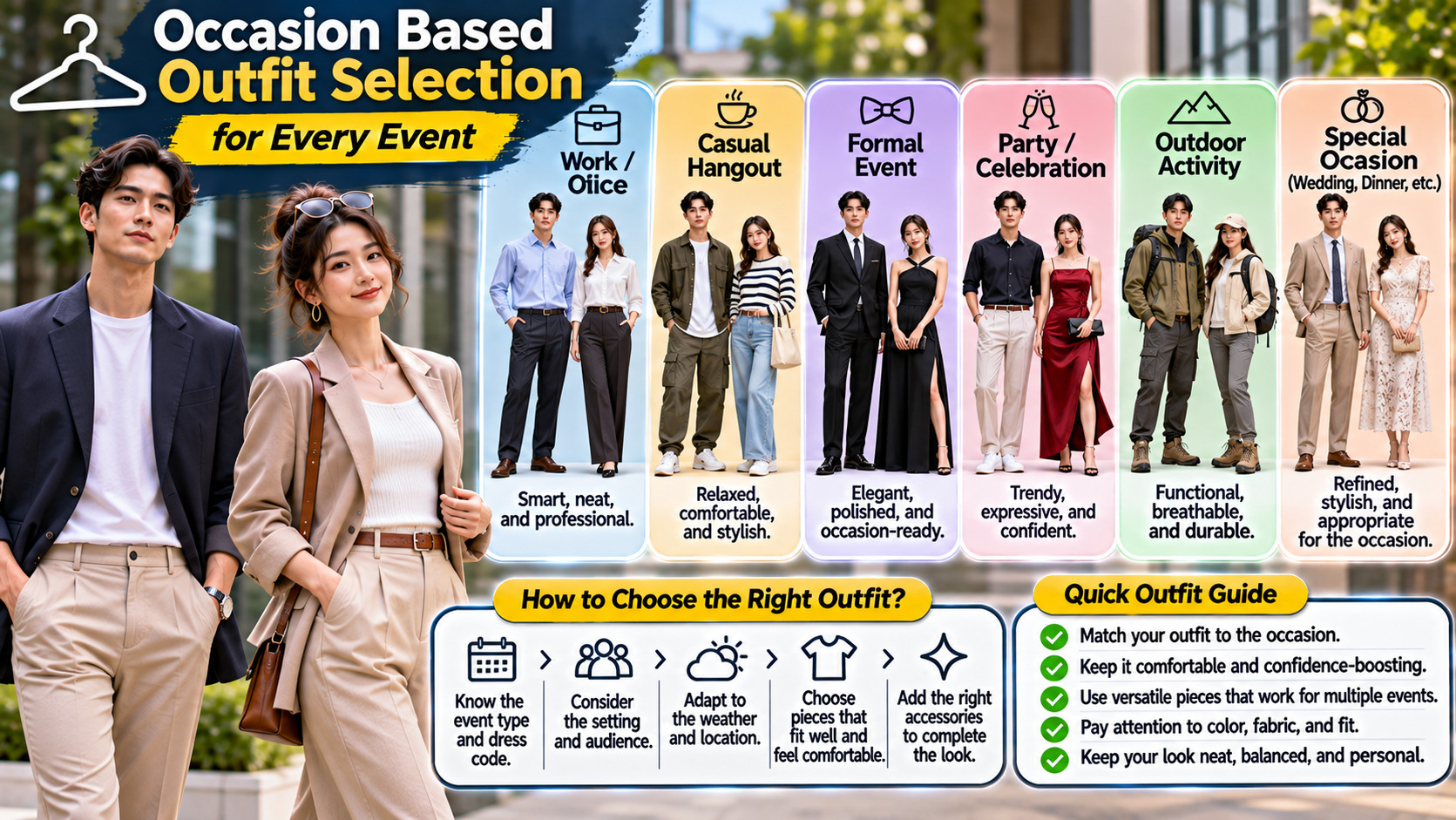
Occasion Based Outfit Selection is essential in navigating the myriad of events we encounter daily, from casual gatherings to formal ceremonies. Understanding how to dress appropriately not only enhances personal confidence but also respects the occasion’s significance. This guide delves into the psychological impact of outfit choices, cultural influences, and practical tips to help you make informed selections for every situation.
As we explore the various aspects of outfit selection, consider the ways different environments, trends, and even weather conditions influence what we wear. We will also look at budgeting techniques that allow for stylish choices without breaking the bank, ensuring that your wardrobe remains versatile and appealing for all occasions.
Occasion Based Outfit Selection in Everyday Life
In our daily lives, the clothing we choose to wear often reflects the occasions we encounter. Selecting the right outfit for different events is not merely a matter of aesthetics, but it also has a significant psychological impact on our confidence, mood, and the perceptions others have of us. The way we dress can influence social interactions and even affect our performance in various environments, making occasion-based outfit selection a vital skill in navigating life’s diverse social landscape.
Various types of occasions dictate clothing choices, each requiring a different approach to outfit selection. From formal events to casual outings and festive gatherings, the significance of appropriate attire cannot be overstated. Understanding the nuances of these occasions helps in making informed wardrobe decisions that resonate well with the environment and the people present.
Types of Occasions Influencing Clothing Choices
The way we dress is often shaped by the nature of the occasion. Recognizing the different types of events helps in selecting outfits that are suitable and make the wearer feel confident. Below are some common occasions and their impact on outfit selection:
- Formal Events: These include weddings, corporate meetings, and award ceremonies. Typically, formal attire suggests sophistication and professionalism. A classic example is a tailored suit for men or an elegant evening gown for women. Dressing appropriately for formal events can enhance credibility and respect in professional circles.
- Casual Outings: These are relaxed gatherings such as brunches, casual meet-ups, or day trips. Outfits here can include comfortable jeans, casual shirts, or stylish sneakers. The focus is on comfort and personal style, allowing individuals to express themselves freely while still appearing well-groomed.
- Festive Gatherings: Events like holidays, parties, and cultural celebrations call for festive attire. Bright colors, patterns, and thematic clothing often characterize these occasions. For instance, wearing red and green for Christmas or traditional attires during Diwali showcases cultural pride and holiday spirit.
Environmental Influences on Wardrobe Decisions
The environment plays a crucial role in dictating what we choose to wear. Different settings not only influence our outfit selection but also affect our comfort and confidence levels. Below are some environments and how they impact clothing choices:
- Workplace: Corporate environments often call for business attire, which includes suits, blouses, or professional dresses. The expectation is to maintain a polished appearance that reflects professionalism.
- Social Events: Whether it’s a dinner party or a casual gathering at a friend’s house, the setting dictates a more relaxed dress code. It’s essential to consider the host’s style and the nature of the gathering when selecting an outfit.
- Outdoor Activities: Activities like hiking, picnics, or sports require functional clothing. Breathable fabrics, comfortable shoes, and attire suited to the weather play an essential role in ensuring enjoyment and mobility during these outings.
Clothing choices are a reflection of self-expression, cultural identity, and social context, impacting both the wearer and the observers.
Cultural Influences on Outfit Selection for Special Events
The choice of outfits for special events is deeply intertwined with cultural traditions and practices. Each culture carries its unique heritage, and this is vividly reflected in the clothing worn during significant celebrations. From weddings to religious ceremonies, the attire not only signifies a celebration but also conveys respect for customs and community. Understanding these cultural influences enriches our appreciation of the diverse ways people commemorate special occasions.
Cultural backgrounds play a pivotal role in shaping clothing choices for various events. Different cultures have specific colors, fabrics, and styles that are deemed appropriate for certain occasions. Significantly, these choices are often rooted in historical, religious, and social contexts. For example, white is commonly worn at weddings in Western cultures as a symbol of purity, while in many Eastern cultures, red is favored for its associations with good fortune and happiness.
Comparative Outfit Selection Practices Across Cultures
Outfit selection practices vary significantly across cultures during important events. This diversity stems from differing beliefs, traditions, and social values. By exploring some examples, we can highlight the unique approaches to attire during special occasions.
– Weddings: In Indian weddings, the bride traditionally wears a red or maroon lehenga, symbolizing love and prosperity, while the groom may don a sherwani, often embellished with rich embroidery. In contrast, a traditional Western wedding sees the bride in a white gown, embodying purity, and the groom in a formal suit or tuxedo.
– Religious Ceremonies: During the Jewish celebration of Bar and Bat Mitzvahs, attendees often wear formal attire, with boys typically in suits and girls in dresses, reflecting the importance of the occasion. Meanwhile, in Islamic cultures, traditional attire such as the thobe for men and the hijab for women is worn during events like Eid, emphasizing modesty and reverence.
– National Holidays: For Independence Day celebrations in the United States, people often wear red, white, and blue clothing, showcasing national pride. On the other hand, Mexico’s Día de los Muertos (Day of the Dead) sees individuals donning colorful traditional dresses and face paint, symbolizing the celebration of life and remembrance of deceased loved ones.
“Clothing for special events is not just about aesthetics; it’s a rich tapestry of cultural significance and tradition.”
Specific traditional attires associated with celebrations often carry profound meanings. For instance, the traditional Japanese kimono worn during festivals symbolizes cultural identity and history. The intricate patterns on kimonos can represent various aspects of nature, seasons, or personal achievements. Similarly, the Maasai shuka, characterized by vibrant colors and checkered patterns, is worn during dance and celebration, reflecting the tribe’s heritage and unity.
In summary, the cultural influences on outfit selection for special events highlight the importance of heritage and tradition. Understanding these practices enables a greater appreciation for the diversity in how different societies express their values and celebrate significant moments in life.
The Role of Fashion Trends in Occasion Based Outfit Choices
Fashion trends play a significant role in shaping our choices when selecting outfits for various occasions. With the rapid evolution of styles largely influenced by social media, individuals are increasingly drawing inspiration from platforms like Instagram and TikTok. This phenomenon not only dictates what is considered fashionable but also pressures people to align their outfits with the latest trends, ensuring they make a statement based on current aesthetics.
The influence of fashion trends on occasion-based outfit selection is profound. Social media platforms have become vital in disseminating styles, where influencers and celebrities showcase their looks for various events. This real-time sharing cultivates a dynamic relationship between trends and outfit choices. For instance, during award seasons, the styles donned by nominees are immediately discussed and dissected online, often leading to a surge in similar styles being worn by the general public for similar occasions. This impact extends beyond just celebrity culture; it permeates everyday social gatherings, weddings, and even professional events, where individuals aspire to mirror the latest trends.
Designer Influences on Occasion-Based Dressing
Designer collections significantly contribute to the trend cycle, wherein their runway shows set the tone for what will be fashionable in the upcoming seasons. High-fashion designers often present bold, avant-garde styles that trickle down to more accessible brands, creating a bridge between luxury fashion and everyday wear. This relationship shapes how consumers approach dressing for specific occasions.
Fashion weeks around the globe serve as vital platforms where designers showcase their visions, ultimately influencing mass-market trends. For example, a major trend seen in recent seasons has been the resurgence of bold colors and oversized silhouettes, which has been embraced at weddings, parties, and formal events. This influence can create a sense of uniformity across various social events, as individuals seek to embody the looks popularized by top designers.
Pros and cons exist when it comes to following trends for occasion-based outfits. The advantages include:
-
Enhancing personal style by incorporating contemporary elements that reflect current aesthetics.
-
Boosting confidence by wearing trendy outfits that resonate with what’s fashionable.
-
Facilitating social acceptance, as following trends can enhance one’s standing within specific social circles.
However, there are also notable drawbacks:
-
Risk of sacrificing individuality, as many may opt for similar looks, leading to a lack of uniqueness in personal style.
-
Financial implications, as keeping up with trends can lead to overspending on pieces that may quickly go out of style.
-
Potential discomfort, as some may wear trendy outfits that do not suit their body type or personal comfort.
Practical Tips for Choosing the Perfect Outfit for Various Occasions
Selecting the right outfit for any occasion can elevate your confidence and enhance your overall presence. By considering elements such as color, fabric, and fit, you can create a wardrobe that caters to a variety of events, from casual gatherings to formal celebrations. Understanding how to assess dress codes is crucial, and this guide will provide you with practical tips to navigate your outfit choices effectively.
Assessing Dress Codes
Understanding dress codes is essential for selecting the right outfit. Each dress code communicates a specific expectation regarding attire, and knowing how to interpret these can save you from any fashion faux pas. The main dress codes typically include casual, smart casual, business casual, cocktail, and formal.
- Casual: This is the most relaxed dress code. Think comfortable yet put-together outfits, like jeans paired with a stylish top and sneakers.
- Smart Casual: A step up from casual, smart casual allows for more polished items. A nice blouse with tailored trousers or a casual dress with chic flats fits well.
- Business Casual: Suitable for the workplace, this code often includes blazers, dress shirts, and dress shoes, avoiding overly formal or casual items.
- Cocktail: This dress code is more glamorous, calling for cocktail dresses or sharp suits. Fabrics like silk and chiffon work well here.
- Formal: Typically reserved for weddings or galas, formal attire means floor-length gowns or tuxedos. Opt for luxurious fabrics and refined cuts.
Elements to Consider: Color, Fabric, and Fit
When choosing an outfit, three key elements—color, fabric, and fit—play a crucial role in how you present yourself. Each element can significantly impact your overall look and comfort during the occasion.
“The right outfit can boost your confidence and create a lasting impression.”
- Color: Different colors convey different moods and messages. For instance, blue signifies professionalism, whereas red can indicate confidence or passion. Consider the occasion and choose colors that align with the emotions you wish to express.
- Fabric: The choice of fabric affects not only comfort but also the outfit’s formality. Light fabrics like cotton are ideal for casual settings, while heavier materials like velvet and silk are suited for formal events.
- Fit: An outfit that fits well enhances your silhouette and comfort. Tailoring can make a significant difference; even a simple outfit looks sophisticated when it fits perfectly. Pay attention to the cut, ensuring that it flatters your body type.
Essential Wardrobe Staples for Various Events
A versatile wardrobe is built on staple pieces that can be mixed and matched for different occasions. These essentials will serve as the foundation for any outfit, allowing for effortless styling.
“Investing in quality staples ensures you’re prepared for any event.”
- Classic White Shirt: A timeless piece that can be dressed up or down.
- Tailored Blazer: Adds polish to casual outfits and can transition seamlessly into formal wear.
- Little Black Dress: An iconic item suitable for a variety of events, from cocktail parties to dinner dates.
- Dark Denim Jeans: A versatile option that pairs well with a range of tops for both casual and smart casual occasions.
- Quality Footwear: A mix of flats, heels, and dress shoes covers multiple dress codes and occasions.
- Statement Accessories: Items such as scarves, jewelry, and bags can elevate an outfit, making it suitable for different events.
Balancing Personal Style with Occasion Requirements
Maintaining personal style while adhering to occasion-specific clothing guidelines is a significant consideration for anyone looking to make a statement with their wardrobe. It allows individuals to express their unique personality even in settings that require a certain level of formality or tradition. Striking the right balance can enhance confidence and create a memorable impression, showcasing not just adherence to norms but also a flair for personal expression.
Incorporating personal flair into outfits tailored for formal or traditional events requires creativity and thoughtfulness. It’s essential to acknowledge the formality of the event while finding ways to inject personal style, ensuring that the overall appearance remains appropriate. This can include selecting accessories, colors, or even patterns that resonate personally while still adhering to the event’s expectations.
Strategies for Incorporating Personal Flair
Personalizing standard outfits for formal occasions can be achieved through several strategies. Understanding how to enhance your ensemble without compromising the overall decorum is key. The following methods can help in achieving this balance:
- Accessories: Adding unique accessories such as statement jewelry, a vibrant scarf, or a distinctive belt can transform an otherwise traditional outfit. For example, pairing a classic black dress with a bold necklace or a colorful clutch can make the look distinctly yours.
- Color Choices: While formal events often call for subdued colors, incorporating personal favorite hues in small doses can add flair. A navy suit can be brightened with a patterned tie that reflects your style or personality without overshadowing the formality of the attire.
- Fabric and Texture: Opting for fabrics that you love, such as silk or velvet, can also enhance your ensemble. A structured blazer in a textured fabric can evoke sophistication while still allowing your personal style to shine through.
- Tailoring: Tailoring an outfit to fit perfectly not only enhances its appearance but also ensures comfort. A well-tailored dress or suit can elevate your confidence, allowing personal style to come through in the fit and finish.
- Footwear: Selecting shoes that reflect personal taste, such as quirky prints or custom designs, allows for individuality. For instance, wearing a classic black suit with uniquely patterned loafers keeps the look formal yet expressive.
“Personal style is about expressing who you are, even in the most formal of settings.”
By utilizing these strategies, individuals can embrace their unique styles while still respecting the occasion’s requirements, creating a harmonious and stylish appearance that feels true to themselves.
The Impact of Weather on Occasion Based Outfit Selection
Selecting the perfect outfit for a special occasion often involves considering various factors, and one of the most significant is the weather. Weather conditions can dramatically influence not only the comfort of the wearer but also the appropriateness of certain attire for seasonal events. Understanding how different weather scenarios affect outfit choices is essential for anyone looking to make a stylish yet sensible decision for their next event.
Weather conditions greatly shape our outfit decisions, especially for seasonal occasions like summer weddings or winter festivities. For example, a summer wedding may call for light, breathable fabrics to combat the heat, while a winter celebration would necessitate warmer materials and appropriate outerwear to ensure comfort amidst chilly temperatures. Recognizing these nuances can help in planning an outfit that is not only fashionable but also practical, ensuring that attendees can fully enjoy the festivities regardless of the climate.
Outfit Suggestions Based on Weather Types
When planning for events, it’s crucial to choose outfits that align with the expected weather conditions. Below is a comparison table that Artikels suitable outfit suggestions for various weather types associated with popular events:
| Weather Type | Event Type | Suggested Outfit |
|---|---|---|
| Sunny | Summer Wedding | Lightweight sundress for women; linen suit for men |
| Rainy | Outdoor Picnic | Waterproof jacket; comfortable pants; stylish rain boots |
| Cold | Winter Gala | Long-sleeve gown for women; wool suit & overcoat for men |
| Windy | Spring Festival | Layered outfit with a fitted jacket; scarf for added warmth |
The significance of layering cannot be overstated when planning outfits based on climate. Layering allows for adaptability; individuals can adjust their attire according to varying temperatures throughout the day or as conditions change. For instance, a lightweight dress paired with a cardigan can transition seamlessly from warm daytime temperatures to cooler evenings. Similarly, men can opt for a smart blazer over a shirt, which can be removed if it becomes too warm.
“Adapting your outfit with layers not only maximizes comfort but also enhances style versatility across different occasions.”
In conclusion, considering weather conditions when choosing an outfit for an occasion is vital. It not only ensures comfort but also keeps the look appropriate for the event at hand. By selecting the right fabrics and incorporating layering strategies, one can successfully navigate the unpredictabilities of weather while still looking fashionable.
Budgeting for Occasion Based Outfit Selections
Planning outfits for various occasions can be both exciting and challenging, especially when you have to balance style with budget constraints. Being mindful of your spending while still looking your best is essential in making smart wardrobe investments. This guide will provide practical tips for budgeting your outfit selections to ensure you’re prepared for any event without breaking the bank.
Methods for Selecting Outfits That Meet Occasion Requirements
Understanding how to choose the right outfits for specific occasions while adhering to a budget is crucial for effective wardrobe management. Here are some strategies to help you stay stylish and cost-effective:
- Assess Your Wardrobe: Start by taking stock of what you already own. Identify versatile pieces that can be dressed up or down for different events. This ensures you maximize the use of your current wardrobe.
- Plan Ahead: Consider upcoming events and plan your outfits in advance. This allows you to shop sales or use discount codes effectively, avoiding last-minute splurging.
- Mix and Match: Invest in essential items that can be paired with multiple outfits, such as a little black dress or tailored blazers. Mixing and matching can create new looks without needing extensive shopping.
- Prioritize Quality Over Quantity: Choose well-made pieces that will last longer, even if they come at a slightly higher price point. High-quality items can often be worn across seasons and occasions.
Budgeting Tips for Planning a Wardrobe
Creating a budget for your wardrobe is essential for maintaining financial control while ensuring you’re ready for various occasions. Here are some effective budgeting tips:
- Set a Monthly Clothing Budget: Allocate a specific amount each month for clothing expenses. This helps in planning purchases and preventing impulsive buys.
- Utilize Thrift Stores and Sales: Thrift shops and clearance events can be treasure troves for finding stylish outfits at a fraction of regular prices. It’s worth exploring these options regularly.
- Track Your Spending: Use budgeting apps or spreadsheets to monitor your clothing expenses. Keeping tabs on what you spend helps you stay within your limits and make informed decisions.
- Buy Off-Season: Purchasing clothes during off-peak seasons can lead to significant savings. For instance, buying summer dresses in late fall can yield discounts up to 70%.
Affordable Yet Stylish Options for Dressing Up for Special Events
Looking sharp for special events doesn’t have to cost a fortune. Here are some affordable yet stylish options that can elevate your outfit without stretching your budget:
- Classic Shift Dress: A simple shift dress can be dressed up with accessories and heels or dressed down with flats. Look for options at stores like H&M or ASOS for budget-friendly prices.
- Tailored Trousers: Invest in a pair of tailored trousers that can be worn for both professional and casual outings. Pairing them with a stylish top can create a polished look for any occasion.
- Statement Accessories: Sometimes, all you need is a standout piece of jewelry or a chic handbag to elevate a basic outfit. Shops like Zara and Forever 21 often carry trendy accessories at low prices.
- Footwear: A pair of versatile heels or stylish loafers can enhance any outfit. Brands like Target and Payless offer fashionable options that won’t hurt your pocketbook.
“Investing in a few key pieces can save you money in the long run while ensuring you always have something stylish to wear for any occasion.”
Closing Summary
In summary, mastering Occasion Based Outfit Selection empowers individuals to express their unique styles while adhering to the expectations of diverse events. By understanding cultural nuances, current trends, and practical tips, you can confidently make outfit choices that are both stylish and appropriate. Embrace the art of dressing for every occasion, and let your wardrobe reflect your personality and respect for the events you attend.
Questions Often Asked
What should I consider when selecting an outfit for a wedding?
Consider the dress code specified in the invitation, the time and location of the event, and any cultural traditions that may influence attire.
How can I incorporate my personal style into formal outfits?
You can add personal touches through accessories, color choices, or unique fabrics that remain within the formal guidelines.
What are some affordable options for dressing up for special events?
Thrift stores, online sales, and rental services can provide stylish options without a hefty price tag.
How does weather affect my outfit selection for outdoor events?
Weather dictates fabric choice and layering; for instance, breathable fabrics for summer and warm layers for winter events are essential.
Are there any wardrobe staples I should have for various occasions?
Some staples include a classic blazer, little black dress, versatile shoes, and a good pair of tailored trousers, which can be dressed up or down.