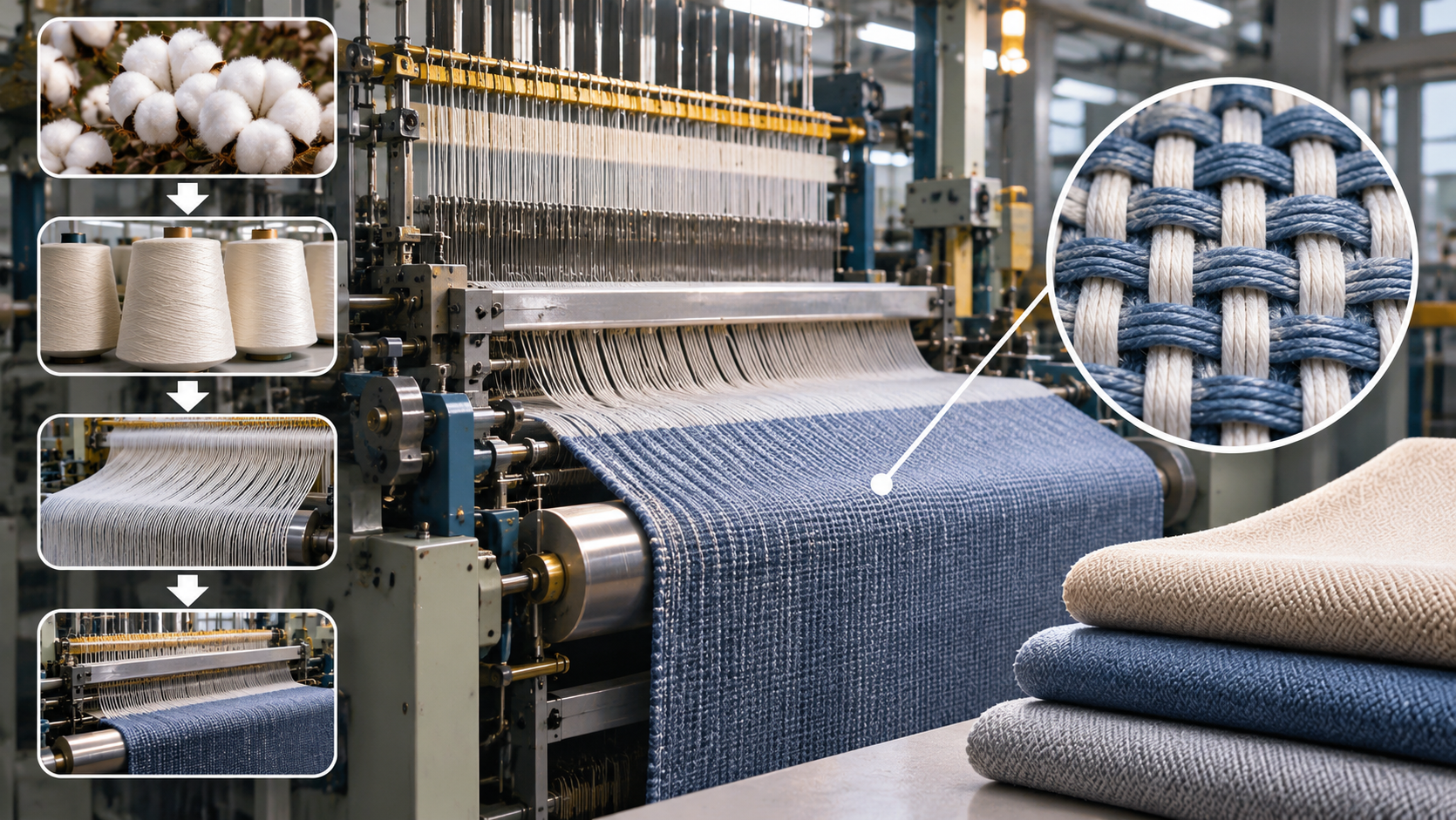
Woven Fabric Manufacturing Processes offer a fascinating glimpse into the intricate world of textiles, where each thread is woven with purpose and precision. Understanding these processes is essential not just for manufacturers, but also for consumers who appreciate the craftsmanship behind their fabric choices. From fashion to industrial applications, woven fabrics play a vital role in our daily lives, impacting quality and efficiency.
The journey of woven fabric begins with fiber selection and traverses through various stages of production, where technology and artistry converge. Innovations in this field continually reshape the landscape, introducing sustainable practices and enhancing product quality while meeting ever-evolving market demands.
The Importance of Understanding Woven Fabric Manufacturing Processes
Woven fabric plays a vital role in the textile industry, serving as the backbone for countless applications across various sectors. Understanding the manufacturing processes behind woven fabrics not only enhances the quality of the output but also boosts efficiency in production. As the demand for diverse fabric types continues to grow, mastering these processes becomes increasingly essential for manufacturers and designers alike.
Knowledge of woven fabric manufacturing processes significantly impacts both quality and efficiency. Each step in the manufacturing process, from fiber selection to weaving techniques, determines the final product’s characteristics. By understanding these processes, manufacturers can optimize production schedules, reduce waste, and ensure that the fabrics produced meet the high standards expected by consumers. This knowledge allows for innovative practices that can lead to improved durability, comfort, and aesthetic appeal in woven fabrics.
Applications of Woven Fabric in Various Industries
Woven fabrics are utilized in a myriad of applications, each requiring specific characteristics and qualities. Their versatility makes them suitable for various markets, including fashion, home textiles, and industrial uses. For instance, cotton and linen fabrics are commonly used for casual clothing, while high-performance fabrics are essential in industrial settings.
The following are key sectors where woven fabrics are prominently used:
- Fashion: Woven fabrics like silk, denim, and chiffon are critical in creating stylish garments. Designers rely on these materials for their drape, texture, and ability to hold prints and colors beautifully.
- Home Textiles: From upholstery to curtains, woven fabrics provide durability and aesthetic appeal in home decor. Fabrics like canvas and jacquard are popular for their strength and design versatility.
- Industrial Applications: Woven fabrics are essential in industries such as automotive and aerospace, where they are used to create components that require high strength-to-weight ratios. Fabrics like fiberglass and aramid are commonly employed in safety equipment and machinery.
Woven fabrics also possess unique properties that enhance their usability in various applications. For example, the choice of weave pattern can affect the fabric’s breathability, stretch, and overall performance. Additionally, advancements in technology, such as digital printing and smart textiles, are expanding the potential functionalities of woven fabrics, making them even more valuable.
Understanding woven fabric manufacturing processes is not just about production; it’s about creating quality, sustainable products that meet consumer needs across diverse applications.
Overview of Different Types of Woven Fabrics
Woven fabrics are a vital component of the textile industry, celebrated for their durability, versatility, and aesthetic appeal. Understanding the various types of woven fabrics is essential for selecting the right material for specific applications. This overview will explore the primary categories of woven fabrics, highlighting their unique characteristics and practical uses in everyday life.
Categories of Woven Fabrics
The main categories of woven fabrics include plain weave, twill weave, and satin weave. Each type exhibits distinct characteristics that make them suitable for different applications. Below is a breakdown of these categories along with their specific traits and examples of where they are commonly used.
- Plain Weave: The simplest and most common weaving pattern, where the weft thread alternates over and under the warp threads. This structure gives plain weave fabrics a flat surface and a uniform texture.
Plain weaves are known for their strength and durability.
Applications include cotton fabrics for shirts, bed linens, and canvas materials for bags and tents.
- Twill Weave: Characterized by a diagonal pattern created by weaving the weft thread over two or more warp threads, followed by an under pattern. This results in a more textured fabric, often with a slight sheen.
Twill weaves provide enhanced drape and resistance to wrinkles.
Examples of application include denim for jeans, gabardine for tailored suits, and upholstery fabrics.
- Satin Weave: Known for its luxurious smooth surface and high sheen, satin weave is produced by weaving the weft threads over multiple warp threads before going under one. This technique produces a soft hand feel and a glossy finish.
Satin fabrics are often used in high-end fashion and formal wear.
Common applications include evening gowns, lingerie, and decorative pillows.
Understanding these woven fabric types allows designers and consumers to make informed choices based on the desired aesthetics, functionality, and durability of the end product. Each weave type plays a significant role in the textile industry, catering to various market needs and fashion trends.
Detailed Steps in the Woven Fabric Manufacturing Process
The woven fabric manufacturing process involves several distinct steps that transform raw fibers into finished textile products. Each stage is critical in ensuring the quality and characteristics of the final woven fabric. Understanding these steps provides insight into the complexity of fabric production and the technology that drives it.
The journey from fiber selection to the final product consists of several major steps, each utilizing specialized machinery and technology. These steps significantly influence the quality, durability, and aesthetic appeal of the woven fabric.
Fiber Selection and Preparation
The first step in woven fabric manufacturing begins with the selection of fibers, which can be natural (like cotton, wool, or silk) or synthetic (like polyester or nylon). The choice of fiber impacts the fabric’s texture, strength, and overall performance.
The following processes are involved in fiber preparation:
- Cleaning: Raw fibers undergo cleaning to remove impurities and contaminants. This is typically performed using scouring machines that utilize hot water and detergents.
- Carding: In this process, fibers are aligned into a continuous web using carding machines, which break down clumps and remove short fibers.
- Combing: Combing machines refine the fiber web, ensuring longer, smoother strands, which contributes to a finer fabric quality.
Each of these steps is essential for preparing the fibers for spinning, as impurities can negatively affect the final fabric’s quality.
Spinning
After fibers have been adequately prepared, they are spun into yarn. Spinning transforms loose fibers into continuous strands that are essential for weaving.
The spinning process involves:
- Drafting: This step draws out and elongates the fiber strands to achieve the desired yarn thickness.
- Twisting: Twisting adds strength and cohesion to the yarn, a crucial factor in the durability of the woven fabric.
- Winding: The finished yarn is wound onto spools or bobbins, ready for the weaving process.
The quality of yarn produced during this stage heavily influences the fabric’s feel, strength, and overall appearance.
Weaving
Weaving is the core of the fabric manufacturing process, where yarns are interlaced to create the fabric structure. Various weaving techniques can produce different fabric types, such as plain, satin, or twill weaves.
Key aspects of the weaving process include:
- Warping: This involves the arrangement of warp yarns on the loom, where they run lengthwise through the fabric.
- Weaving Techniques: Looms utilize various methods to interlace the weft yarns across the warp. Technologies like shuttle and shuttle-less looms (e.g., air-jet or rapier looms) enhance production efficiency.
- Fabric Inspection: After weaving, the fabric undergoes inspection for defects, ensuring quality control before moving to finishing.
The weaving stage is significant as it determines the fabric’s strength, texture, and design.
Finishing
The finishing process enhances the fabric’s aesthetic and functional properties. This stage may involve several treatments to improve texture, color, and durability.
Typical finishing processes include:
- Bleaching: This treatment removes natural color from fabrics, preparing them for dyeing.
- Dyeing: Fabrics are dyed using various methods (e.g., piece dyeing, yarn dyeing) to achieve desired colors.
- Coating or Finishing Treatments: Additional treatments, such as water-repellent coatings or flame retardants, can be applied to enhance fabric properties.
Finishing is crucial as it finalizes the fabric’s appearance and performance characteristics, making it suitable for various applications.
Quality Control and Packaging
Once the fabric is finished, strict quality control measures are implemented to ensure it meets industry standards. This includes checking for consistency in color, texture, and strength.
Key points in this stage include:
- Testing: Fabrics undergo various tests for physical properties, including tensile strength, shrinkage, and colorfastness.
- Packaging: Approved fabrics are packaged carefully to prevent damage during transportation, maintaining their quality until they reach the customer.
Quality control ensures that only the best fabrics make it to market, reflecting the brand’s commitment to excellence.
The Role of Fiber Selection in Woven Fabric Quality
The selection of fibers is a crucial element in the manufacturing of woven fabrics, directly influencing their quality, performance, and sustainability. Different fibers, whether natural or synthetic, impart distinct characteristics to the fabrics, affecting everything from durability to comfort. Understanding the role of fiber selection not only enhances the functional properties of fabrics but also aligns with modern sustainability practices in textile production.
Natural fibers such as cotton, linen, and wool differ significantly in their properties compared to synthetic fibers like polyester, nylon, and acrylic. Natural fibers tend to offer breathability, moisture absorption, and biodegradability, which enhances wearer comfort and environmental sustainability. Conversely, synthetic fibers often provide superior strength, durability, and resistance to wrinkling and shrinking. The choice of fiber thus impacts the fabric’s aesthetic qualities, performance in various environments, and longevity.
Impact of Fiber Properties on Fabric Applications
The selection of fiber is pivotal when determining the suitability of woven fabrics for specific applications. Each fiber type brings unique properties that cater to particular needs, making fiber selection fundamental in various domains, from fashion to industrial use. Below are key fiber properties and their implications:
- Comfort and Breathability: Natural fibers, known for their softness and air permeability, are preferred for garments worn close to the skin. Fabrics made from cotton or linen are ideal for summer clothing due to their ability to wick moisture and allow airflow.
- Durability and Strength: Synthetic fibers such as nylon and polyester are chosen for their exceptional strength and resilience. These materials are widely used in activewear and outdoor gear, where they withstand harsh conditions.
- Environmental Impact: The eco-friendliness of fibers has become increasingly important. Organic cotton or Tencel, derived from wood pulp, present sustainable choices, whereas synthetic fibers, particularly those derived from petroleum, raise concerns regarding their environmental footprint.
- Cost-Effectiveness: Synthetic fibers are often more affordable than natural fibers, making them a popular choice for mass production. This affordability allows for a wider range of applications, from everyday clothing to home textiles.
The implications of these properties are evident in various industries. For instance, healthcare textiles require fabrics that are both durable and resistant to microbial growth, leading to an increased use of synthetic fibers treated with antimicrobial finishes. In contrast, high-fashion garments lean towards luxurious natural fibers that offer aesthetic appeal and comfort.
Sustainability in Fiber Selection
Sustainability plays a vital role in modern fiber selection, significantly impacting woven fabric manufacturing practices. The textile industry has seen a shift towards more environmentally friendly practices, prompting manufacturers to consider the ecological effects of their fiber choices.
Many brands are now prioritizing sustainable fiber sources, which encompass:
- Recycled Fibers: Using recycled polyester or nylon reduces waste and the demand for virgin materials, thereby lowering the overall carbon footprint.
- Organic Fibers: Organic cotton and hemp cultivation avoids harmful pesticides and promotes healthier ecosystems, appealing to environmentally conscious consumers.
- Innovative Materials: The development of bio-based fibers, such as those derived from agricultural waste or non-food crops, is gaining traction as a sustainable alternative to conventional fibers.
“Sustainable fiber selection not only enhances fabric quality but also aligns with the growing consumer demand for environmentally responsible products.”
In summary, selecting the right fiber is essential for achieving the desired quality, performance, and sustainability of woven fabrics. The combination of natural and synthetic fibers, each with their unique properties, allows for a diverse range of applications while addressing modern manufacturing challenges in sustainability.
Innovations and Technologies in Woven Fabric Manufacturing
Recent advancements in technology have significantly transformed the landscape of woven fabric manufacturing, driving efficiency, quality, and sustainability. From automated weaving machines to sophisticated computer-aided design systems, these innovations are reshaping how fabrics are produced, ensuring that manufacturers can keep pace with the ever-evolving demands of the market.
Automation and digitalization are pivotal in modernizing the manufacturing processes. With the integration of smart technologies, manufacturers are not only enhancing production efficiency but also improving quality control. For instance, automated looms equipped with sensors can detect defects in real-time, allowing for immediate corrections, which reduces waste and minimizes the need for rework. Moreover, the adoption of artificial intelligence (AI) in predictive maintenance helps in identifying potential equipment failures before they occur, ensuring smoother operations.
Advanced Weaving Technologies
The implementation of advanced weaving technologies plays a crucial role in increasing overall production capabilities. These include innovations such as:
- Jacquard Weaving Technology: This technology allows for intricate patterns and designs to be woven directly into the fabric, enhancing aesthetic appeal and marketability.
- Air-Jet Weaving: Utilizing high-speed jets of air to propel yarns, this technique enables faster production rates and reduces the mechanical wear on machinery, leading to longer equipment life.
- Rapier Weaving: This method involves the use of a rapier mechanism to insert the weft yarn into the warp yarns, allowing for versatility in fabric types and weights.
These advanced technologies not only streamline the production process but also expand the range of fabrics that can be manufactured, catering to diverse consumer preferences.
Impact of Automation and Digitalization
The rise of automation and digitalization is fundamentally altering the operational dynamics of woven fabric manufacturing.
- Smart Factories: The concept of smart factories integrates IoT devices that monitor production processes and provide data analytics, facilitating informed decision-making and resource optimization.
- Digital Fabric Printing: This technique allows for customized designs to be printed directly onto the fabric, significantly reducing lead times and minimizing waste associated with traditional dyeing processes.
- Supply Chain Optimization: Digital platforms enhance supply chain efficiency by enabling real-time tracking of materials and finished products, improving inventory management and reducing costs.
These innovations highlight the significant role of technology in creating a more responsive and efficient manufacturing environment.
Sustainability in Fabric Production
Sustainability has become a key focus in woven fabric manufacturing, with innovative techniques helping to minimize environmental impacts.
- Waterless Dyeing Technologies: New dyeing methods, such as those utilizing supercritical CO2, reduce water consumption and eliminate harmful chemical runoff.
- Recycled Materials: The use of recycled fibers in fabric production not only reduces waste but also lessens the demand for virgin materials, promoting a circular economy.
- Energy-Efficient Machinery: New machinery designs are focused on reducing energy consumption, contributing to lower carbon footprints for manufacturing operations.
These sustainable practices are becoming increasingly important as consumers demand eco-friendly products and manufacturers strive to comply with global environmental standards.
Quality Control Measures in Woven Fabric Production
Quality control is a critical aspect of woven fabric manufacturing, ensuring that the final product meets the established standards for performance, durability, and appearance. Implementing robust quality control measures throughout the production process not only enhances the overall quality of the fabric but also reduces waste and increases customer satisfaction.
Several specific quality control measures are implemented during the manufacturing process to maintain high standards. These measures include both in-line inspections and final assessments that address various aspects of the fabric such as weave integrity, color consistency, and physical properties.
Inspection Procedures Throughout Production
Inspection procedures play a pivotal role in quality control within woven fabric production. These procedures are designed to identify and rectify potential issues early on, preventing defects from reaching the final stages. The following measures are typically utilized:
- Pre-production Checks: Before production begins, raw materials such as yarn and dyes are inspected to verify quality and suitability. This initial step is crucial in ensuring that only the best materials are used.
- In-line Inspections: During the weaving process, periodic checks are performed to monitor the fabric’s characteristics, including thread count, tension, and weave structure. This helps in identifying any deviations from the quality standards early.
- End-of-line Testing: Once the fabric is produced, comprehensive tests are conducted to evaluate its performance against specified criteria. This can include tests for strength, shrinkage, colorfastness, and abrasion resistance.
Importance of Testing and Inspection
Testing and inspection are vital in ensuring the integrity and performance of woven fabrics. By systematically evaluating the fabric at different stages, manufacturers can confirm that it meets both customer expectations and industry regulations. The significance of these processes can be summarized as follows:
“Effective quality control minimizes defects, reduces rework, and boosts overall production efficiency.”
Key benefits of rigorous testing and inspection include:
- Early Detection of Defects: Identifying issues early in the production process allows for timely corrections, preventing more significant problems later in the manufacturing cycle.
- Customer Satisfaction: Consistent quality enhances customer trust and loyalty, leading to repeat business and a solid reputation in the market.
- Compliance with Standards: Many industries have strict quality standards that must be met; thorough inspections ensure compliance, avoiding legal issues and potential recalls.
Methods for Addressing Quality Issues
Addressing quality issues promptly is essential for maintaining production standards. Manufacturers employ various methods to resolve these challenges effectively. These methods typically include:
- Root Cause Analysis: When defects are identified, conducting a root cause analysis helps determine the underlying reasons for the issue. This systematic approach ensures that corrective actions target the actual problems rather than just the symptoms.
- Corrective Actions: Based on the analysis, appropriate corrective actions are implemented to eliminate the causes of defects. This may involve adjusting machinery settings, retraining staff, or revising production protocols.
- Continuous Improvement: Implementing feedback loops and continuous improvement initiatives allows manufacturers to refine their processes over time, ensuring sustained quality and efficiency in production.
The integration of these quality control measures in woven fabric production not only assures fabric integrity but also enhances the overall efficiency of manufacturing operations. Maintaining stringent quality standards throughout the production process ultimately leads to a superior product that meets or exceeds customer expectations.
The Future Trends in Woven Fabric Manufacturing
The woven fabric manufacturing industry is on the brink of significant transformation driven by technological advancements, changing consumer preferences, and a growing emphasis on sustainability. As the demand for innovative and eco-friendly textiles increases, manufacturers must adapt to these trends to stay competitive and meet market expectations.
Emerging Technologies in Fabric Production
The integration of advanced technologies is revolutionizing the woven fabric manufacturing process. Automation and computerization are enhancing production efficiency, while innovations such as 3D weaving and digital printing are providing greater design flexibility. The use of artificial intelligence (AI) and data analytics in manufacturing processes allows for improved quality control and inventory management. Some notable advancements include:
- 3D Weaving: This technology enables the creation of complex and customized fabric structures that traditional methods cannot achieve. It enhances durability and reduces waste.
- Digital Printing: Digital textile printing facilitates rapid prototyping and customization of designs, catering to the unique preferences of consumers.
- Smart Fabrics: Incorporating electronics into fabrics allows for the development of textiles with functionalities such as temperature regulation or health monitoring.
Consumer Preferences and Market Demands
The evolution of consumer preferences plays a pivotal role in shaping the woven fabric industry. Today’s consumers are increasingly seeking sustainable and ethically produced textiles, along with a preference for unique and customizable products. This shift is prompting manufacturers to rethink their approaches to production and sourcing. Key implications include:
“Sustainability is not just a trend but a new standard in the textile industry.”
- Transparency: Consumers demand transparency in the sourcing of raw materials and the manufacturing processes, influencing brands to communicate their practices openly.
- Customization: The desire for personalized products drives manufacturers to adopt flexible production methods that can accommodate small batch sizes and individual designs.
- Eco-Friendly Materials: There is a growing preference for fabrics made from organic or recycled materials, pushing brands to innovate in material sourcing and production.
Sustainable Practices in the Woven Fabric Industry
Sustainability is becoming a crucial consideration in woven fabric manufacturing, with practices aimed at reducing environmental impact gaining traction. This focus not only meets consumer demand but also enhances brand reputation and compliance with regulations. Noteworthy sustainable practices include:
- Waterless Dyeing Technologies: Innovations such as the use of supercritical CO2 instead of water for dyeing processes drastically reduce water consumption and pollution.
- Recycling and Upcycling: Manufacturers are increasingly adopting recycling initiatives to transform waste materials into new fabric products, promoting a circular economy.
- Energy Efficiency: Implementing energy-efficient technologies and renewable energy sources in production facilities reduces overall carbon footprint.
Case Studies of Successful Woven Fabric Manufacturers
The woven fabric industry is rich with stories of innovation and resilience. Many manufacturers have overcome significant challenges to establish themselves as leaders in the market. This section explores notable manufacturers in the woven fabric sector, examining their production processes, the obstacles they faced, and the valuable lessons that can be gleaned from their experiences.
Manufacturer Case Study: XYZ Fabrics
XYZ Fabrics, based in the United States, is known for its high-quality cotton and polyester blends. Their production process integrates advanced weaving technology with innovative design techniques. A key challenge faced by XYZ Fabrics was the introduction of sustainable practices amidst increasing operational costs. To tackle this, they adopted eco-friendly materials and invested in energy-efficient machinery. This transition not only enhanced their brand image but also attracted a new demographic of environmentally conscious consumers.
Lessons learned from XYZ Fabrics include:
-
Investing in sustainable practices can lead to long-term cost savings and market advantages.
- Establishing strong relationships with suppliers of eco-friendly materials can enhance product diversity.
- Utilizing advanced technology can streamline production and reduce waste.
Manufacturer Case Study: ABC Textiles
ABC Textiles, a manufacturer from India, specializes in traditional woven fabrics, including handloom and artisanal products. Their challenge was competing with machine-made fabrics that offered lower prices. ABC Textiles overcame this by emphasizing the cultural heritage and craftsmanship behind their products, launching a marketing campaign that highlighted the unique stories of their artisans.
The key takeaways from ABC Textiles’ journey are:
-
Focusing on storytelling can differentiate products in a saturated market.
- Building a community around craftsmanship fosters customer loyalty.
- Collaborating with local artisans can enhance product authenticity and quality.
Manufacturer Case Study: DEF Fabrics
DEF Fabrics, located in Europe, is renowned for its innovative technical woven fabrics used in outdoor and sportswear applications. They faced strict regulatory challenges regarding product safety and environmental impact. DEF Fabrics opted to invest in research and development to create safer, high-performance fabrics that met international standards. This proactive approach not only addressed compliance issues but also opened new markets.
The insights from DEF Fabrics include:
-
Proactive compliance with regulations can prevent future setbacks and open new business opportunities.
- Investing in R&D is crucial for innovation and staying competitive.
- Engaging with industry experts can provide guidance and enhance product safety standards.
The Economic Impact of Woven Fabric Manufacturing
The woven fabric manufacturing industry holds a significant position in the global economy, contributing to various sectors and fostering economic growth worldwide. As a vital component of the textile industry, it not only influences trade dynamics but also plays a crucial role in job creation and the development of local economies. The ripple effect of woven fabric production extends beyond mere fabric creation, showcasing its extensive economic significance.
Global Economic Significance
The woven fabric industry occupies a notable space in the global marketplace, with its economic impact illustrated through various metrics. In 2021, the global textile market was valued at approximately $1 trillion, with woven fabrics accounting for a significant share. This sector influences the GDP of many countries, particularly those where textile manufacturing is a major industrial activity. Key regions like Asia, Europe, and North America showcase a robust fabric manufacturing landscape, contributing to their economic resilience.
Job Creation and Local Economies
Woven fabric manufacturing is a substantial source of employment, particularly in developing nations where it often serves as a primary industry. The sector creates millions of jobs, ranging from factory floor positions to roles in management and design. In many communities, these jobs provide livelihoods for entire families, enhancing local economies. For example, countries like Bangladesh and Vietnam have seen an increase in employment opportunities due to the growth of their textile sectors, which has led to improvements in living standards and infrastructure.
Trade Dynamics and Export Opportunities
The woven fabric industry is integral to international trade, with numerous countries exporting substantial quantities of fabric annually. Export opportunities are abundant, especially for nations with established manufacturing capabilities. For instance, in 2020 alone, the global export of textiles, including woven fabrics, reached over $300 billion. Emerging markets are increasingly finding their footing in the global supply chain, offering cost-effective manufacturing solutions while catering to rising consumer demand for diverse fabric types.
The dynamics of trade in woven fabrics lead to the establishment of various agreements and partnerships among countries, promoting not only economic growth but also cultural exchange. Countries like China, India, and Turkey are leading exporters, benefiting from both their extensive manufacturing bases and favorable trade agreements.
“The woven fabric industry serves as a backbone for global trade, influencing economic stability and job creation across multiple regions.”
Environmental Considerations in Woven Fabric Manufacturing
The woven fabric manufacturing industry faces a myriad of environmental challenges that can significantly impact ecosystems and communities. From water pollution to resource depletion, the processes involved in creating textiles can leave a substantial ecological footprint. Understanding these challenges is crucial for promoting sustainable practices that mitigate harm to the environment.
One significant challenge faced by the woven fabric industry is water usage. The dyeing and finishing processes of textiles require vast amounts of water, leading to water scarcity in some regions. Furthermore, the chemicals used in these processes can contaminate local water supplies, posing health risks to communities and wildlife. Additionally, the production of woven fabrics often involves the use of synthetic fibers, which are derived from petroleum and contribute to greenhouse gas emissions. As the demand for textiles continues to grow, so does the urgency to address these environmental issues.
Adoption of Sustainable Practices
Implementing sustainable practices in woven fabric manufacturing is essential for reducing the industry’s environmental impact. Several strategies can be adopted to promote eco-friendly production methods:
– Water Management: Companies can invest in water recycling systems to reduce consumption and minimize wastewater discharge. Advanced treatment technologies can be used to purify water, allowing it to be reused in various stages of production.
– Eco-Friendly Dyes and Chemicals: The use of natural dyes and biodegradable chemicals can significantly decrease pollution levels. Brands embracing these alternatives help lessen the toxic burden on waterways and promote a healthier textile industry.
– Sustainable Sourcing of Materials: Opting for organic cotton, bamboo, or recycled fibers reduces reliance on non-renewable resources. This practice not only lessens environmental degradation but also supports sustainable agricultural practices.
– Energy Efficiency: Incorporating energy-efficient machinery and renewable energy sources, such as solar or wind power, can lower carbon emissions during the manufacturing process.
Several companies have successfully integrated environmentally friendly manufacturing processes into their operations. For instance, Patagonia, known for its commitment to sustainability, utilizes recycled materials and fair trade practices in its woven fabric production. Similarly, the brand Eileen Fisher has implemented a program to recycle old garments into new fabrics, significantly reducing waste.
In conclusion, the woven fabric manufacturing sector is at a critical juncture where environmental considerations must be prioritized. By adopting sustainable practices and learning from leading companies in the field, the industry can reduce its ecological footprint and contribute to a more sustainable future for textiles.
Conclusive Thoughts
In conclusion, the exploration of Woven Fabric Manufacturing Processes reveals not only the complexity of production but also the potential for future advancements in sustainability and efficiency. As we look ahead, the interplay of consumer preferences and technological innovations will undoubtedly shape the industry, presenting opportunities for manufacturers to adapt and thrive. Understanding these processes ultimately empowers both creators and consumers to appreciate the art of fabric making.
Question & Answer Hub
What are the most common types of fibers used in woven fabrics?
The most common fibers include cotton, polyester, silk, and linen, each offering unique properties suited for various applications.
How does automation influence woven fabric manufacturing?
Automation enhances efficiency by reducing production time, minimizing human error, and ensuring consistent quality throughout the manufacturing process.
What are the main environmental concerns in woven fabric manufacturing?
Key concerns include water pollution from dyes, high water usage, and carbon emissions associated with synthetic fiber production.
How can manufacturers ensure high-quality woven fabrics?
Implementing rigorous quality control measures, including testing and inspection at various production stages, is essential to maintaining high standards.
What trends are emerging in the woven fabric industry?
Emerging trends include sustainable materials, digital printing technologies, and the rise of multifunctional fabrics catering to diverse consumer needs.