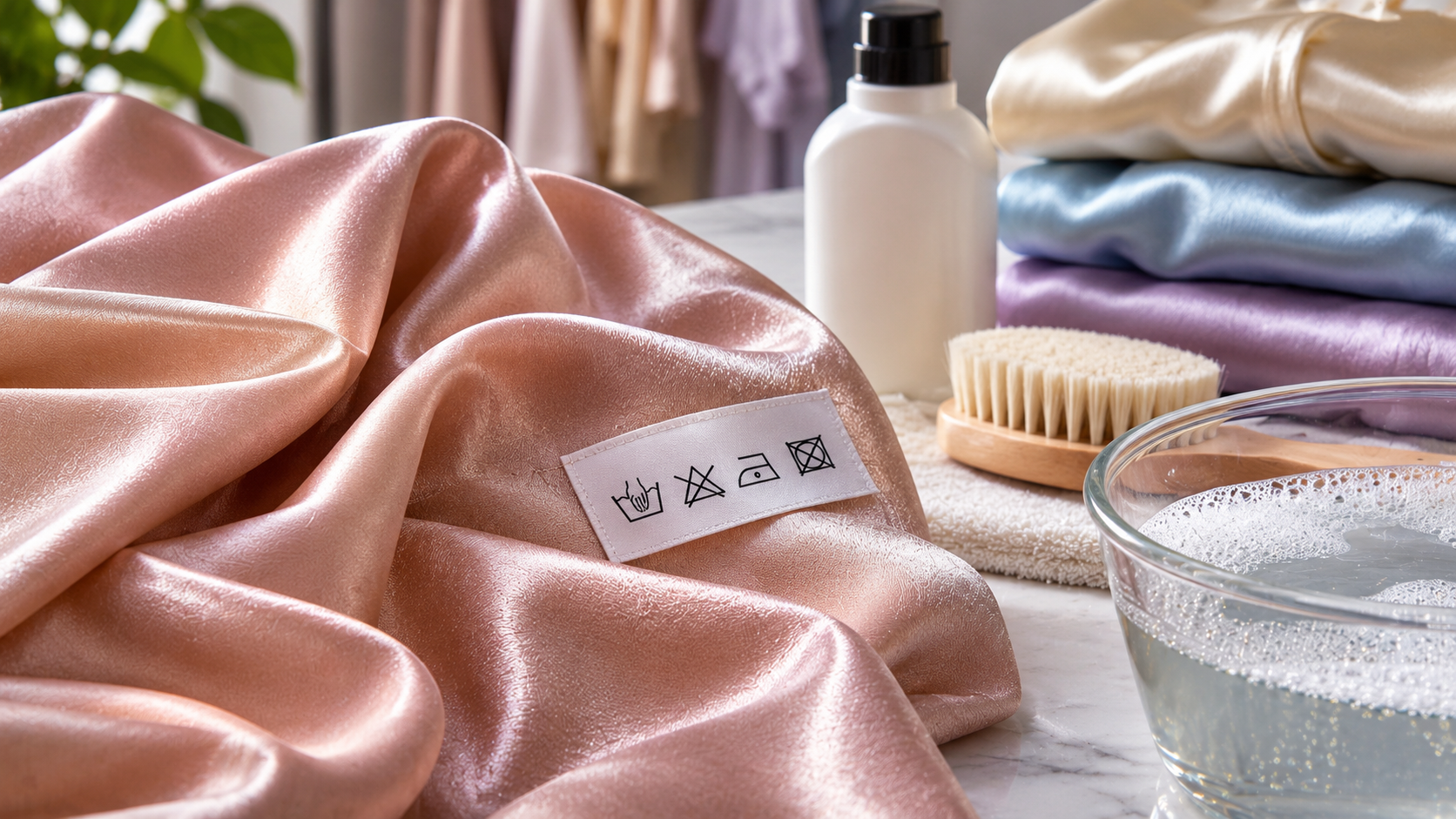
Delving into Silk Textile Care Requirements, this introduction immerses readers in the fascinating world of silk, a fabric renowned for its luxurious feel and delicate nature. Understanding how to care for silk is essential for maintaining its beauty and longevity, as this exquisite material requires specific attention to detail in handling and maintenance.
From recognizing the unique properties of silk to mastering washing, drying, and storing techniques, this guide covers everything you need to know to ensure your silk garments remain in pristine condition. Whether you’re dealing with stains, repairs, or seeking professional cleaning options, our comprehensive overview will equip you with the knowledge to care for silk textiles effectively.
Understanding the Nature of Silk Fabric
Silk, renowned for its luxurious feel and elegant sheen, possesses unique properties that warrant special care. Recognizing these characteristics is crucial to preserving the beauty and longevity of silk textiles. Understanding the nature of silk helps in implementing appropriate maintenance practices, ensuring that these exquisite fabrics remain in pristine condition.
Natural silk, produced by silkworms, offers unparalleled softness, breathability, and natural sheen. However, its delicate fibers require careful handling. In contrast, synthetic silk blends, such as rayon or polyester, mimic the appearance of natural silk but generally offer greater durability and are often easier to care for. Synthetic variants may also be more resistant to environmental factors such as moisture and UV light, which can damage natural silk over time.
Unique Properties of Silk
The properties of silk necessitate specific care requirements. Some key aspects include:
- Moisture Sensitivity: Silk fibers can absorb moisture, which may lead to water spots or damage if not dried properly.
- UV Sensitivity: Prolonged exposure to sunlight can cause fading and weaken silk fibers, diminishing their strength.
- Temperature Resistance: Silk is sensitive to high temperatures; hot water or excessive heat during ironing can scorch or ruin the fabric.
- Stain Vulnerability: Silk is prone to staining from oils, dyes, and even perspiration, which requires immediate treatment to prevent lasting damage.
Natural Silk vs. Synthetic Silk Blends
Natural silk and synthetic silk blends differ significantly in composition and care needs. Understanding these differences is crucial for proper maintenance:
- Composition: Natural silk is 100% protein-based, while synthetic blends often include materials like polyester and nylon, which can enhance durability.
- Durability: Synthetic blends tend to be more resilient against wear and tear, making them suitable for everyday use compared to the more fragile natural silk.
- Washing Requirements: Natural silk typically requires dry cleaning or gentle hand washing, whereas synthetic blends may often be machine washable.
- Environmental Impact: Natural silk production is resource-intensive, while synthetic alternatives can have a lesser ecological footprint, but may involve harmful chemicals in their production.
Environmental Factors Affecting Silk Longevity
Several environmental factors can impact the longevity of silk fabrics. Recognizing these influences is essential for maintaining the integrity of silk items:
- Humidity: High humidity can encourage mold growth on silk, while overly dry conditions may lead to brittleness.
- Temperature: Fluctuating temperatures can weaken silk fibers; it’s advisable to store silk in a cool, stable environment.
- Exposure to Light: Direct sunlight can cause discoloration and degradation of silk fibers over time, making it vital to keep silk away from prolonged light exposure.
- Storage Conditions: Silk should be stored in breathable fabrics to avoid moisture buildup, and it’s best to use padded hangers or acid-free tissue for longer-term storage.
Essential Washing Techniques for Silk
When it comes to caring for silk garments, understanding the right washing techniques is crucial to maintain their beauty and longevity. Silk is a delicate fabric that requires gentle handling to prevent damage. Incorrect washing can lead to fading, shrinking, or even tearing of these luxurious textiles. Below are effective methods for washing silk, along with a step-by-step guide on proper hand washing and a selection of safe detergents.
Recommended Washing Methods
Silk can be washed using two primary techniques: hand washing and machine washing. Each method has its benefits and can be employed depending on the care label instructions and the specific nature of the garment.
For hand washing, it’s essential to follow a careful process to ensure the integrity of the fabric. Conversely, machine washing may be suitable for certain silk items, particularly those labeled as machine washable. However, caution should be exercised to prevent excessive agitation. Below, we delve into the specifics of hand washing silk garments.
Hand Washing Silk: Step-by-Step Guide
Proper hand washing is one of the safest ways to keep silk garments looking pristine. Follow this detailed guide to effectively wash silk by hand:
1. Prepare the Wash Basin: Fill a clean basin or sink with lukewarm water. Avoid hot water, as it can cause silk to lose its shape.
2. Choose the Right Detergent: Use a mild detergent specifically formulated for silk or gentle fabrics. Common options include baby shampoo or specialized silk detergents.
3. Dissolve the Detergent: Gently mix the detergent into the water until fully dissolved, ensuring no residue remains.
4. Submerge the Garment: Place the silk item in the water, allowing it to soak for about 3-5 minutes. Do not scrub or wring the fabric.
5. Gently Agitate: Carefully swirl the garment in the water, focusing on any soiled areas without applying too much pressure.
6. Rinse Thoroughly: Drain the soapy water and refill the basin with clean, lukewarm water. Rinse the garment gently until all detergent is removed.
7. Remove Excess Water: Lay the silk item flat on a clean, dry towel. Roll the towel with the garment inside and gently press to absorb excess water. Avoid twisting or wringing.
8. Air Dry: Hang the garment to dry in a shaded area, away from direct sunlight to prevent fading.
Safe Detergents for Silk Fabrics
Choosing the right detergent is vital for maintaining the quality of silk. Here are some common options that are safe for silk washing:
– Specialized Silk Detergents: These are formulated specifically for silk and provide gentle cleaning without damaging the fibers.
– Baby Shampoo: A non-irritating and gentle option that can effectively clean silk while being mild on the fabric.
– Woolite Delicates: This detergent is designed for delicate fabrics and is suitable for silk items.
Always check the care label on your silk garment before washing, as some may have specific instructions that should be followed to ensure proper care. By adhering to these washing techniques, you can preserve the beauty and elegance of your silk textiles for years to come.
Drying Methods for Silk Textiles
Silk textiles require careful handling during the drying process to maintain their luxurious texture and vibrant colors. Understanding the appropriate drying methods can help prevent issues like shrinkage, wrinkling, and damage to the fibers. Below, we explore the best practices for drying silk and compare the effectiveness of air drying versus using a dryer, along with the importance of avoiding direct sunlight.
Best Practices for Drying Silk
To ensure the longevity of silk textiles, follow these best practices when drying:
– Always gently squeeze excess water out of the silk fabric after washing. Avoid wringing or twisting the material, as this can distort its shape.
– Lay the silk flat on a clean, dry towel. Roll the towel with the silk inside to absorb moisture without causing stress to the fibers.
– After removing excess water, transfer the silk to a drying rack. This method allows for air circulation while preventing direct pressure that may lead to creasing or damage.
Air Drying vs. Using a Dryer
When considering drying methods, air drying is the safest option for silk. Here’s a comparison of both methods:
Air Drying:
– Preserves the integrity of the silk fibers, minimizing the risk of shrinkage or damage.
– Allows for gradual moisture evaporation, which is less stressful on the fabric.
– Can be done indoors or outdoors in a shaded area, ensuring no direct sunlight exposure.
Using a Dryer:
– While some may think using a dryer saves time, it is not recommended for silk textiles.
– The heat from the dryer can cause irreversible shrinkage and may weaken the fibers.
– If using a dryer is unavoidable, it’s crucial to set it on the lowest heat setting and use a delicate cycle. However, air drying remains the preferred method.
Avoiding Direct Sunlight
Direct sunlight can significantly affect silk textiles during drying. Here are key points to consider:
– Exposure to sunlight can lead to fading of colors and degradation of the fibers, diminishing the beauty of the fabric.
– Silk is particularly susceptible to heat, which can cause it to become brittle and lose its sheen.
– To prevent these issues, always dry silk items in a shaded area or indoors. This practice not only protects the color but also helps maintain the silk’s luxurious feel and appearance.
“Air drying in a shaded area is the best way to maintain the quality of silk textiles.”
Ironing and Steaming Silk Fabrics
Silk fabrics are luxurious and delicate, requiring special care when it comes to ironing and steaming. Proper techniques are vital to maintaining the fabric’s integrity and beauty. Knowing the right settings and methods can prevent damage, ensuring your silk items remain in pristine condition.
Ironing silk demands attention to temperature and technique. The ideal setting for ironing silk is low heat, typically around 300°F (150°C) or the silk setting on your iron. Always ensure the iron is clean, as residue can transfer onto your fabric. To prevent burns or unwanted shine, it’s best to iron silk when it is slightly damp. If the fabric is dry, lightly mist it with water or use a spray bottle to add moisture.
Correct Temperatures and Techniques for Ironing Silk
Using the right approach while ironing silk is crucial. Here’s a step-by-step guide to ensure the process goes smoothly:
1. Set the Iron: Choose the silk setting or a low temperature (around 300°F / 150°C).
2. Prepare the Silk: Lightly dampen the fabric with a spray bottle if it’s dry.
3. Use a Pressing Cloth: Place a thin cotton cloth or a silk pressing cloth over the fabric to protect it from direct heat.
4. Iron with Care: Glide the iron gently over the pressing cloth, avoiding aggressive movements that could stretch or damage the silk.
5. Check for Creases: If necessary, repeat the process on stubborn creases but always be cautious.
“Silk responds beautifully to gentle heat, making proper ironing techniques essential for maintaining its elegance.”
Safe Use of a Steamer on Silk Garments
Steaming is a fantastic alternative to ironing, especially for delicate fabrics like silk. Here are guidelines to help you steam silk safely:
– Choose the Right Steamer: Use a handheld garment steamer designed for delicate fabrics. Avoid steamers with high pressure, which could damage silk.
– Distance Matters: Hold the steamer about 6 inches away from the fabric to prevent direct contact and potential burns.
– Vertical Steaming: Steam garments while they are hanging to allow gravity to assist in smoothing out wrinkles.
– Steam in Sections: Work from the top of the garment down, focusing on one section at a time to ensure even results.
Using these steaming tips ensures that silk garments are treated with care, resulting in a fresh and wrinkle-free appearance while preserving their quality.
Benefits of Using a Pressing Cloth When Ironing Silk
Employing a pressing cloth during the ironing process adds an extra layer of protection for your silk fabrics. Here’s why it’s beneficial:
– Prevents Direct Heat Damage: The cloth acts as a barrier between the iron and the silk, significantly reducing the risk of burns or fabric damage.
– Reduces Shine: Ironing silk directly can leave a shiny finish; using a pressing cloth helps maintain the fabric’s natural luster.
– Even Heat Distribution: The cloth allows for more uniform heat distribution, ensuring that the silk is smoothed out without hot spots that could lead to burns.
– Easier to Control: It provides a controlled surface, making it easier to glide the iron without pulling or tugging at the delicate fibers.
“A pressing cloth is a silk lover’s best friend, ensuring your cherished pieces remain flawless for years to come.”
Storing Silk Textiles Properly
Silk textiles require special attention when it comes to storage to ensure their longevity and maintain their exquisite quality. Properly storing silk not only helps in preserving its luster and texture but also prevents damage caused by environmental factors and pests. Here’s how to effectively store your delicate silk garments.
Ideal Storage Solutions for Silk
Selecting the right storage solution is essential for silk garments. It is important to store silk in a way that minimizes exposure to light, humidity, and pests, which can all cause deterioration.
- Use breathable fabric bags: When storing silk garments, opt for breathable cotton or muslin bags. These allow air circulation while protecting the fabric from dust and moisture.
- Avoid plastic storage: Plastic can trap humidity and create a breeding ground for mold and mildew. It’s best to avoid plastic containers for long-term storage.
- Keep in a cool, dry place: Ensure that the storage area is cool and devoid of direct sunlight. Excessive heat and light can fade colors and weaken fibers over time.
Organizing Silk Garments to Prevent Damage
Silk garments can easily crease or get damaged if not organized properly. To keep them looking their best, consider the following tips for organization.
- Fold instead of hanging: While some silk garments can be hung, many should be folded to prevent stretching and distortion. Use acid-free tissue paper between folds to help maintain the shape.
- Utilize padded hangers for delicate pieces: If hanging is necessary, use padded hangers to prevent creases and marks on the fabric. This is particularly useful for silk blouses and dresses.
- Separate by color and type: Organizing silk garments by color and type can help you easily identify and access them, reducing the chances of accidental damage.
Protecting Silk from Pests and Environmental Elements
Silk is particularly susceptible to damage from pests like moths and environmental factors such as humidity. Implementing protective measures can safeguard your silk textiles.
- Use cedar blocks or lavender sachets: These natural repellents can deter moths and other pests. Placing them in your storage area creates a pleasant scent while protecting your textiles.
- Regularly check for pests: Periodic inspections of your stored silk garments are essential. Look for signs of pests or damage and take immediate action if any issues arise.
- Maintain a stable humidity level: Ideally, the humidity level in your storage area should be between 40-50%. Consider using a dehumidifier if necessary to prevent mold and mildew.
Proper storage practices are essential for preserving the beauty and integrity of silk textiles.
Dealing with Stains on Silk
Silk is a luxurious fabric that can be susceptible to various stains. Knowing how to properly address these stains is essential for maintaining the elegance and longevity of your silk textiles. In this section, we will explore common types of stains that affect silk, along with effective treatment methods to restore your fabric’s beauty.
Common Types of Stains and Treatment Methods
Silk can be marred by several types of stains, each requiring a different approach to treatment. The most common stains include food and drink spills, ink marks, sweat, and oil-based stains. Here are some details on how to treat these specific stains:
- Food and Drink Spills: Blot the area gently with a clean cloth to absorb excess liquid. Mix a solution of lukewarm water and a few drops of mild detergent, then dab the stained area lightly. Rinse with a damp cloth and air dry.
- Ink Marks: Apply a cotton ball soaked in rubbing alcohol to the ink stain, being careful not to spread the stain. Blot gently, then rinse the area with cold water and let it dry.
- Sweat Stains: Create a mixture of equal parts white vinegar and water. Dab this solution onto the stained area, then rinse with cold water. Air dry away from direct sunlight.
- Oil-Based Stains: Sprinkle cornstarch over the stain to absorb the oil. Leave it for a few hours, then gently brush off. If the stain persists, use dish soap mixed with water and blot the area.
Creating a Silk Stain Removal Kit
Having a dedicated silk stain removal kit on hand can help you respond quickly to unexpected mishaps. This kit should include essential items tailored for silk care.
To create your silk stain removal kit, consider including the following items:
- Mild Detergent: Choose a detergent specifically formulated for delicate fabrics.
- White Vinegar: An effective natural stain remover that can tackle a variety of stains.
- Rubbing Alcohol: Ideal for ink and stubborn stains.
- Cotton Balls or Pads: Useful for applying stain removal solutions without damaging the silk.
- Soft Cloths: To blot and absorb without scratching the fabric.
- Cornstarch or Talcum Powder: For absorbing oil-based stains.
Preventing Stains from Setting in Silk Fabrics
Taking preventive measures can significantly reduce the risk of stains setting into silk fabrics. Here are some tips to keep in mind:
- Act Quickly: The sooner you address a stain, the easier it is to remove. Always blot, never rub.
- Use Protective Sprays: Consider applying a fabric protector designed for silk to create a barrier against spills.
- Avoid Eating or Drinking Near Silk: Minimize the risk of accidental spills by keeping food and drink away from your silk garments.
- Store Properly: Ensure silk items are stored in a cool, dry place, away from direct sunlight, to maintain their integrity and prevent discoloration.
“Immediate attention to stains can often mean the difference between successful removal and permanent damage.”
Repairing Silk Items
Silk is a luxurious fabric known for its smooth texture and elegant appearance. However, it is also delicate and susceptible to various types of damage. Understanding how to repair silk items can help maintain their beauty and extend their life.
Common types of damage that can occur to silk textiles include snags, tears, and stains. Snags often happen when silk comes into contact with rough surfaces or jewelry, leading to pulled threads. Tears can occur due to wear and tear or accidents, while stains may be caused by spills or exposure to dirt. Addressing these issues promptly is crucial to prevent further damage.
Professional Repair Services vs. DIY Methods
When deciding between professional repair services and DIY methods for silk, it’s essential to weigh the pros and cons of each approach. Professional repair services can offer expertise and specialized techniques that ensure a high-quality fix without compromising the fabric’s integrity. They can skillfully mend intricate patterns or delicate seams that may be challenging for a novice.
On the other hand, DIY methods can be a cost-effective solution, allowing you to address minor damage at home. However, without the right skills or tools, there’s a risk of causing further damage. It’s valuable to consider the specific repair needs of your silk item and your comfort level with sewing before choosing an approach.
Basic Sewing Techniques for Mending Silk Fabrics at Home
For those who choose to repair silk items themselves, having some basic sewing techniques can make the process manageable. Here are some essential skills to get you started:
1. Thread Selection: Choose a fine silk thread that closely matches the color of the fabric. This helps in camouflage and maintaining a seamless look.
2. Needle Choice: Use a needle specifically designed for delicate fabrics, such as a size 60/8 or 70/10, to avoid damaging the silk fibers.
3. Basic Stitching Techniques:
– Running Stitch: Ideal for small tears or hems, this technique involves creating a simple line of stitches that can effectively hold the fabric together.
– Backstitch: This strong stitch is perfect for repairing seams, providing durability while remaining discreet.
– Slip Stitch: Often used for hemming, this technique hides the stitches on the front side of the fabric, keeping the repair inconspicuous.
4. Stain Removal: Before mending, treat any stains. Use a gentle stain remover designed for silk, applying it with a soft cloth and testing an inconspicuous area first.
5. Ironing: After mending, press the repaired area lightly with a low-temperature iron, using a cloth between the iron and the silk to protect it from heat damage.
By mastering these basic techniques, you can effectively maintain and repair your silk items at home, ensuring they remain a cherished part of your wardrobe for years to come.
The Importance of Professional Cleaning for Silk
Silk is a luxurious fabric known for its elegance and softness, but it also requires special care to maintain its beauty. While home care methods can be sufficient for light cleaning, professional cleaning offers distinct advantages that can prolong the life and quality of silk garments. Understanding these benefits can help you make informed decisions about the best cleaning methods for your valuable silk pieces.
Advantages of Professional Cleaning Compared to Home Care
Professional cleaning provides a level of care that home methods often cannot match. The following aspects highlight the benefits of professional silk cleaning:
- Expertise: Professional cleaners have specialized knowledge about silk and the appropriate cleaning methods. They understand the specific requirements of various silk blends and finishes, ensuring that your garments are treated with the utmost care.
- Advanced Techniques: Professionals use techniques such as gentle washing, hand cleaning, and steam cleaning that are not typically available for home use. These methods help to remove stains without damaging the fabric.
- Stain Treatment: Stains on silk can be delicate and require immediate attention. Professional cleaners can identify the type of stain and apply the correct treatment for removal, minimizing the risk of setting the stain.
- Preservation of Color and Texture: Professional cleaning helps maintain the vibrant colors and soft textures of silk garments. Home washing can cause fading or roughness, while professionals use products that protect the fabric’s integrity.
Choosing a Professional Cleaner Specializing in Silk Textiles
Finding the right professional cleaner is crucial to ensuring your silk is treated properly. Here are some important factors to consider:
- Experience with Silk: Look for a cleaner with a solid reputation for handling silk and delicate fabrics. Experience in this area is essential for optimal care.
- Certifications: Check for certifications from recognized textile or cleaning organizations. These credentials can indicate a cleaner’s commitment to quality and best practices.
- Service Options: A good cleaner should offer a range of services tailored to silk, including dry cleaning, spot cleaning, and repairs if necessary.
- Customer Reviews: Reading reviews from previous clients can provide insights into the cleaner’s reliability and the quality of their work.
Costs Associated with Professional Silk Cleaning and Long-term Benefits
While professional cleaning may seem more expensive than home care, it is often a worthwhile investment. The costs can vary depending on the service provider and the complexity of the cleaning required.
| Service | Average Cost | Long-term Benefits |
|---|---|---|
| Basic Silk Cleaning | $20 – $50 | Maintains fabric integrity, extends lifespan |
| Specialized Stain Removal | $15 – $30 per item | Prevents permanent damage from stains |
| Repair Services | $10 – $100 | Fixes minor damages, saves on replacement costs |
Investing in professional cleaning ensures that your silk garments remain in pristine condition over time. By addressing any issues early on with expert care, you can enjoy your silk pieces longer, ultimately saving money and preserving their beauty.
Choosing professional cleaning services for your silk garments is an investment that pays off in the long run by preserving their quality and appearance.
Conclusion
In conclusion, mastering the care of silk textiles is not just about preserving their appearance; it’s about honoring the craftsmanship and beauty of the fabric. By following the Artikeld care requirements, you can extend the life of your silk garments and enjoy their elegance for years to come. Remember, the key to maintaining silk lies in understanding its unique needs and treating it with the care it deserves.
Top FAQs
Can I machine wash silk fabrics?
While it’s recommended to hand wash silk, some modern machines have a gentle cycle designed for delicate fabrics that can be used with caution.
What type of detergent is best for silk?
Use a mild detergent specifically formulated for delicate fabrics to ensure the silk remains undamaged.
How should I store silk garments?
Store silk in a cool, dry place away from direct sunlight, ideally in a breathable garment bag to prevent creases and damage.
Can I use a steam iron on silk?
Yes, but use a low heat setting and consider using a pressing cloth to prevent burns and damage to the fabric.
How do I treat a stain on silk?
Act quickly by blotting the stain gently with cold water and a mild detergent, avoiding any scrubbing that can damage the fabric.