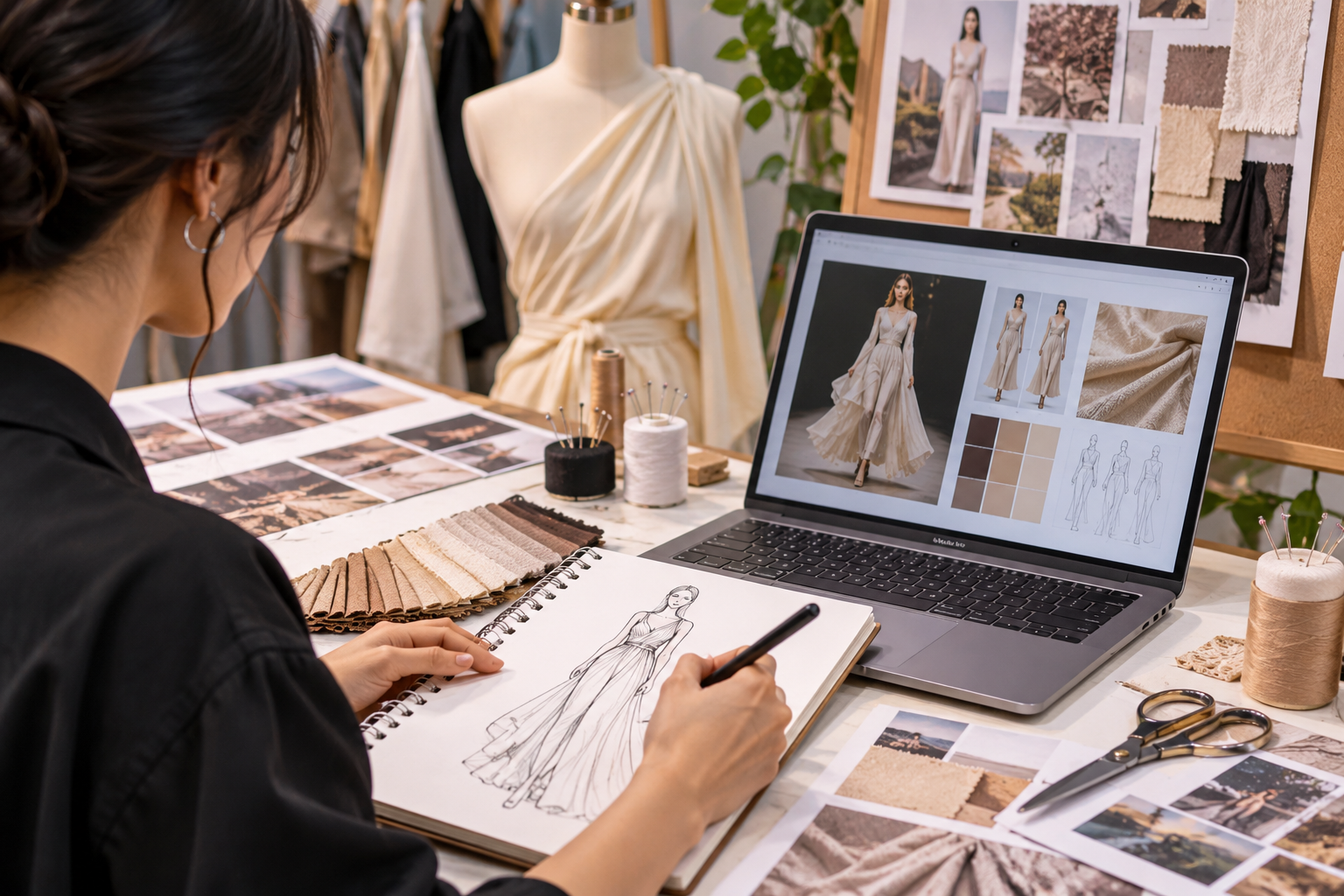
With Fashion Design Portfolio Development at the forefront, this journey invites readers to explore the essential aspects of creating a compelling portfolio that not only showcases creativity but also opens doors to exciting career opportunities. A well-constructed portfolio is a designer’s best friend, highlighting their unique style and skills, while effectively communicating their vision to potential employers and clients alike.
Throughout this discussion, we will delve into the critical components that make a fashion design portfolio successful, the various formats for presentation, and strategies for curating it to resonate with specific audiences. Furthermore, we will examine the role of personal branding, technology, and networking in enriching a designer’s portfolio, all aimed at fostering continuous growth in the fast-paced world of fashion.
The Importance of a Fashion Design Portfolio in a Designer’s Career
A well-crafted fashion design portfolio serves as a vital tool for aspiring designers, embodying their creativity, technical skills, and unique artistic vision. It is not merely a collection of past works but a reflection of a designer’s journey, ethos, and professional aspirations. In a competitive industry, a portfolio can significantly influence career advancement and client acquisition, making it essential for designers at any stage of their career.
A strong portfolio opens doors to various job opportunities and the potential for client acquisition. Employers and clients often first encounter a designer through their portfolio, which acts as a visual resume that showcases their expertise and style. A compelling portfolio can set a designer apart from a sea of applicants, demonstrating their ability to think innovatively and execute ideas effectively. Moreover, it provides potential employers or clients with an insight into the designer’s versatility, showcasing various projects that highlight different skills, such as sketching, fabric manipulation, and garment construction. In many cases, a portfolio can lead to internships, freelance gigs, or full-time job offers, depending on how well it resonates with the target audience.
The Reflection of a Designer’s Unique Style and Skills
The portfolio is an artistic statement, showcasing the designer’s signature aesthetic and proficiency. It serves multiple purposes, not only as a marketing tool but also as a platform for self-expression. Designers must curate their portfolios carefully to reflect their individual style, which can include elements such as color choices, fabric preferences, and thematic concepts. The following elements are critical to consider when crafting a portfolio that stands out:
- Visual Cohesion: A portfolio should have a consistent theme or narrative throughout. This visual harmony allows viewers to grasp the designer’s vision more readily.
- Technical Proficiency: Showcasing a range of skills—from hand-drawing to digital design—demonstrates a designer’s versatility and adaptability in various contexts.
- Unique Concepts: Including innovative designs that challenge conventional norms can highlight creativity and fresh perspectives, making the portfolio memorable.
- Project Diversity: Featuring different types of projects—such as ready-to-wear, haute couture, and accessories—can portray a broad skill set and the ability to cater to various industry demands.
- Professional Presentation: A well-organized, visually appealing layout is crucial. This includes high-quality images, clear descriptions of each project, and an organized flow that guides the viewer through the designer’s story.
“A portfolio is not just a collection of work; it’s a designer’s narrative, encapsulating their artistic journey and professional ambitions.”
Overall, a thoughtfully developed fashion design portfolio is essential for success in the fashion industry. It not only showcases a designer’s unique style and skills but also serves as a powerful tool for forging connections and securing future opportunities.
Key Components of a Successful Fashion Design Portfolio
A well-crafted fashion design portfolio is crucial for aspiring designers to showcase their creativity and skills. It serves as a visual resume that highlights a designer’s distinct style, technical ability, and artistic vision. An effective portfolio not only displays designs but tells a story about the designer’s journey and capabilities.
Essential elements define the strength of a fashion design portfolio. Including these components can effectively present a designer’s work and make a lasting impression on potential employers or clients.
Essential Elements of a Fashion Design Portfolio
A successful fashion design portfolio comprises several key elements that cohesively display a designer’s work. These components not only highlight creativity but also demonstrate professionalism.
- Cover Page: A striking cover page introduces the portfolio, featuring the designer’s name, logo, and possibly an eye-catching graphic that reflects the designer’s aesthetic.
- Table of Contents: A clear table of contents helps navigate the portfolio, making it easier for viewers to find specific sections or projects.
- Design Projects: Each project should include a series of high-quality images showcasing the designs, sketches, and final pieces. Accompanying these should be detailed descriptions explaining the design process, inspiration, and materials used.
- Technical Sketches: Incorporating technical sketches alongside final designs demonstrates the designer’s understanding of garment construction and attention to detail.
- Fabric Swatches: Including fabric swatches provides a tactile element to the portfolio, allowing viewers to appreciate the texture and color choices made by the designer.
- Personal Statement: A brief personal statement outlining the designer’s background, influences, and career aspirations adds a personal touch and context to the work presented.
- Exhibitions and Awards: Listing any exhibitions, competitions, or awards received highlights the designer’s recognition in the industry.
Effective Layouts and Presentations
The layout of a fashion design portfolio influences how the content is perceived. A clean, organized presentation can elevate designs and enhance viewer engagement.
Incorporating a grid system can provide a balanced visual flow, ensuring that images are not overcrowded and that text is easy to read. A minimalist design approach often complements bold fashion pieces, as it allows the work to stand out.
For example, using a white background with black text creates a high-contrast environment that draws attention to the designs. Additionally, dedicating full-page spreads to key pieces can create impact. This allows for an immersive experience, where the viewers can appreciate the details without distraction.
Significance of High-Quality Images and Detailed Descriptions
High-quality images are paramount in fashion portfolios because they directly reflect the designer’s attention to detail and professionalism. Blurry or poorly lit photographs can detract from the perceived quality of the designs.
Images should be well-composed, ideally in natural light, to accurately convey colors and textures. Utilizing a mix of styled photoshoots and flat-lay images can showcase the garments in various contexts, appealing to different audiences.
Detailed descriptions accompany the visuals, providing insight into the designer’s thought process, techniques, and inspirations. This context enriches the viewer’s understanding and appreciation of the work. A compelling description might include the story behind a collection or the challenges faced during the design process.
“Quality images and narratives are the bridge that connect viewers to the designer’s vision.”
Different Formats for Presenting a Fashion Design Portfolio
Fashion design portfolios serve as vital tools for showcasing creativity, skills, and personal style to potential employers, clients, and collaborators. The format of a portfolio can significantly influence how the designs are perceived and appreciated. Therefore, understanding the different formats for presenting a fashion design portfolio is essential for fashion designers looking to make a strong impression.
When it comes to presenting a fashion portfolio, there are several formats to consider: digital, print, and online platforms. Each format has its unique characteristics, benefits, and challenges. The choice of format can depend on the designer’s personal preferences, target audience, and specific contexts in which the portfolio will be presented.
Comparison of Portfolio Formats
Each portfolio format has distinct features that cater to different needs and preferences. Below is a comparison of digital, print, and online platforms, highlighting their advantages and disadvantages.
| Format | Advantages | Disadvantages |
|---|---|---|
| Digital |
|
|
|
|
|
| Online Platforms |
|
|
“Selecting the right portfolio format is crucial for effectively communicating your design vision and craftsmanship.”
Understanding these formats empowers designers to choose the best method to present their work. Each format can significantly impact how a designer’s work is perceived, making the choice of presentation a critical aspect of portfolio development.
How to Curate Your Fashion Design Portfolio for Specific Audiences
Curating a fashion design portfolio tailored for specific audiences is essential for effectively showcasing your unique vision and skills. Different stakeholders within the fashion industry, such as potential employers, clients, and collaborators, have distinct expectations and needs from a designer’s portfolio. By customizing your content and presentation, you can significantly enhance your chances of making a lasting impression and securing opportunities.
Understanding the nuances of your audience allows you to select and organize works that resonate with them. This strategic curation involves thoughtful consideration of the types of designs that appeal to particular segments of the fashion industry. For instance, a portfolio aimed at high-end fashion buyers might emphasize luxurious fabrics and intricate detailing, while a collection for streetwear clients may focus on bold graphics and contemporary styling.
Strategies for Selecting and Organizing Works
When curating your portfolio, it’s crucial to employ specific strategies for selecting and organizing your work. This section encourages designers to think critically about the pieces they include and how those pieces align with the intended audience.
Begin by conducting research on the audience you are targeting. Understanding their preferences, values, and current trends can inform which pieces to highlight. Analyzing the portfolios of successful designers within that niche can also provide insight into effective presentation styles.
Once you have identified key pieces, organize your portfolio around a cohesive theme or narrative. This could be based on color, fabric choice, silhouette, or even the story behind each collection. A strong narrative helps contextualize your work, allowing viewers to engage with your designs on a deeper level.
- Highlight your strongest pieces that best represent your style and skills relevant to the target audience.
- Use high-quality images that capture the details and craftsmanship of your designs, considering lighting and background.
- Incorporate sketches or mood boards to illustrate your creative process and the evolution of your designs.
- Group similar works to create a seamless visual journey for the viewer, enhancing their understanding of your perspective.
Effective portfolio curation involves not just showcasing your work, but also telling a story that resonates with your audience.
The Importance of Context and Storytelling
Context and storytelling are vital elements in conveying your vision as a designer. By framing each piece within a narrative, you allow potential employers and clients to see the thought processes and inspirations behind your work.
Begin with a compelling introduction that sets the tone for your portfolio. This should reflect your aesthetic and ethos as a designer. As you present each collection, provide insights into what inspired your designs, the challenges you faced, and the techniques employed. This level of detail enriches the viewer’s experience, as they not only see the final product but also understand the journey behind it.
To enhance storytelling, consider incorporating captions or short descriptions alongside images. These can explain the concept, materials, and intended audience for each piece, creating a more engaging experience. Additionally, consider including testimonials or feedback from previous clients or mentors to add credibility and depth to your narrative.
In conclusion, curating a fashion design portfolio requires a strategic approach tailored to the specific audience you aim to engage. By selecting and organizing works thoughtfully, and emphasizing context and storytelling, you can effectively showcase your vision and connect with potential employers and clients in a meaningful way.
Tips for Continuously Improving Your Fashion Design Portfolio
Regularly updating and refining your fashion design portfolio is essential to showcasing your growth and evolving skill set. A well-maintained portfolio not only reflects your journey as a designer but also enhances your professional appeal to potential employers and clients. By focusing on key aspects of improvement, you can ensure that your portfolio remains relevant and compelling.
One effective way to keep your portfolio fresh is by actively incorporating new projects and techniques as you learn and grow. This might include recent collections, collaborations, or even personal projects that showcase your unique design aesthetic. As you progress, documenting significant milestones and achievements can powerfully illustrate your development as a fashion designer.
Updating Projects and Highlighting Achievements
It is crucial to regularly review and update the projects included in your portfolio to reflect your most current capabilities. Each update should showcase your best work and align with the trends and themes relevant to the fashion industry. Consider including the following types of content for a robust representation of your journey:
- New collections that demonstrate your current design style.
- Collaborative projects with other designers or brands that showcase your ability to work in diverse environments.
- Technical skills acquired, such as pattern making, draping, or digital design tools.
- Participation in fashion shows or exhibitions that highlight your work and provide industry exposure.
- Any awards or recognitions received that validate your contributions to the fashion field.
In addition to updating your design work, it’s important to clearly document your growth through milestones. These achievements, such as graduating from a fashion program, launching a personal brand, or landing an internship with a reputable fashion house, signify progress and add depth to your portfolio narrative.
Seeking Feedback and Incorporating It
Constructive feedback plays a vital role in the refinement of your portfolio. Engaging with peers, mentors, or industry professionals can provide fresh insights into what works and what could be improved. Consider these actionable steps to gather and incorporate feedback effectively:
- Schedule portfolio reviews with trusted individuals who can offer constructive criticism.
- Join design critique groups or online forums where you can share your work and receive diverse perspectives.
- Utilize social media platforms to showcase your designs and solicit feedback from a broader audience.
- Attend workshops or seminars where industry experts provide insights on current trends and portfolio best practices.
Incorporating feedback should be systematic; consider keeping a journal to track the suggestions and your responses to them. This not only aids in understanding your progression but also aligns your portfolio with industry standards and expectations.
“Your portfolio is not just a collection of works; it’s a living document that reflects your evolution as a designer.”
The Role of Personal Branding in Fashion Design Portfolio Development
In the world of fashion design, a portfolio is not just a collection of work; it is an extension of a designer’s identity. Personal branding plays a crucial role in shaping the perception of a fashion design portfolio, influencing how potential clients, employers, and peers interpret the designer’s aesthetic and professional ethos.
Personal branding significantly impacts the way a fashion design portfolio is perceived. A strong personal brand communicates a designer’s values, vision, and unique style, which can set them apart in a competitive industry. When potential clients or employers view a portfolio, they are not just looking at the designs; they are also interpreting the narrative behind them. A cohesive brand identity can evoke emotions, tell a story, and create a sense of connection, making it more likely for the viewer to engage with the work.
Creating a Cohesive Brand Identity
Establishing a cohesive brand identity is essential for ensuring that a fashion design portfolio presents a unified vision. Techniques to achieve this include:
– Developing a Signature Style: Identify a distinct aesthetic or theme that resonates with the designer’s vision and consistently apply it across all designs. This could involve specific color palettes, fabric choices, or silhouettes.
– Consistent Visual Elements: Utilize comparable fonts, color schemes, and layouts in both the portfolio and any accompanying materials. This creates a professional appearance and reinforces the designer’s brand identity.
– Personal Logo and Branding Materials: Design a personal logo that encapsulates the essence of the designer’s style. Incorporate this logo into business cards, social media profiles, and other promotional materials to create brand recognition.
– Social Media Presence: Maintain an active and visually cohesive social media presence that aligns with the portfolio. This includes consistent posting styles, thematic content, and engagement strategies that reflect the designer’s brand.
Authenticity and consistency are vital in personal branding for designers. Authenticity cultivates trust and loyalty among clients and peers. When designers are true to themselves and their vision, it shines through in their work, making their brand relatable and genuine. Consistency ensures that every touchpoint, from their portfolio to social media, upholds the same values and aesthetics, which builds a strong brand image over time.
“Authenticity is the most powerful currency in creating a lasting brand.”
By thoughtfully developing a personal brand that is authentic and consistent, fashion designers can create compelling portfolios that resonate with their audience, showcasing not only their technical skills but also their unique perspectives and narratives within the fashion landscape.
Utilizing Technology and Social Media in Fashion Design Portfolio Development
In the modern fashion landscape, technology plays a pivotal role in shaping how designers present their work and connect with their audience. An effective fashion portfolio is no longer bound to physical mediums; it can now be a dynamic blend of digital innovation and social media engagement. This shift not only enhances the accessibility of portfolios but also transforms the way designers share their narratives and showcase their creativity.
The integration of technology into portfolio development allows designers to create visually compelling presentations that reflect their unique style. Utilizing high-quality visuals, videos, and interactive elements can significantly elevate the viewer’s experience. Designers can use platforms like Adobe Portfolio or Behance to host their work, providing an organized and aesthetically pleasing showcase of their designs. Additionally, integrating augmented reality (AR) can create immersive experiences where potential clients can visualize how garments might look in real life.
Impact of Social Media Platforms on Portfolio Promotion
Social media serves as a powerful tool for fashion designers to promote their portfolios and reach a broader audience. Platforms like Instagram, Pinterest, and TikTok are not just for personal sharing; they have become essential marketing channels for creatives. By leveraging these platforms effectively, designers can enhance their visibility and foster a community around their work.
Many designers utilize targeted strategies to maximize their impact on social media. Engaging with followers through regular updates, behind-the-scenes content, and interactive stories can create a deeper connection with their audience. Posting visually striking images of their designs can attract attention, while utilizing trending hashtags can enhance discoverability. Collaborating with influencers or participating in fashion challenges can also amplify reach and credibility.
Some effective strategies include:
- Consistent Branding: Maintaining a cohesive aesthetic across posts creates a recognizable brand identity that resonates with followers.
- Utilizing Stories and Reels: Short, engaging videos provide an opportunity to showcase design processes and behind-the-scenes insights, leading to increased engagement.
- Community Engagement: Responding to comments, engaging in discussions, and featuring user-generated content fosters a loyal community and encourages sharing.
- Collaborative Projects: Teaming up with other designers or artists can introduce fresh perspectives and tap into each other’s audiences.
“Social media is not just a marketing tool; it’s an opportunity to build relationships and a community around your brand.”
Through the strategic application of technology and social media, fashion designers can not only showcase their portfolios but also create lasting impressions in the industry. By staying current with trends and embracing innovative practices, designers can effectively navigate the evolving landscape of fashion communication.
Networking and Collaboration as Tools for Portfolio Enrichment
In the world of fashion design, networking and collaboration are vital components that can significantly amplify a designer’s portfolio. By engaging with peers, industry professionals, and other creative individuals, designers can discover new avenues for inspiration and expand their creative horizons. These interactions not only foster new relationships but also lead to collaborative projects that add depth and variety to one’s portfolio.
Forging connections within the fashion industry is crucial for a designer’s growth and visibility. Networking provides access to exclusive events, workshops, and showcases that can be pivotal for emerging designers. Moreover, these interactions often yield opportunities for collaboration, allowing designers to merge their skills with those of others, thus enriching their portfolios with unique projects and concepts. Engaging with photographers, stylists, manufacturers, and other creatives can lead to innovative outcomes that reflect a diverse range of styles and influences.
Opportunities for Collaboration
Collaboration in fashion design can take many forms, providing designers with numerous opportunities to elevate their portfolios. Here are some key collaborative avenues that can enhance a designer’s work:
- Joint Collections: Partnering with other designers or brands to create limited-edition collections can generate excitement and broaden reach. For instance, collaborations between established brands and emerging designers often result in innovative designs that attract media attention.
- Photo Shoots: Collaborating with photographers and models for styled shoots can produce striking visual content for a portfolio. These shoots can showcase a designer’s pieces in a creative context, highlighting their aesthetic and versatility.
- Fashion Shows: Participating in group fashion shows or co-hosting events with other designers allows for shared resources and increased exposure. Such platforms can introduce a designer’s work to wider audiences and potential clients.
- Influencer Partnerships: Working with fashion influencers can significantly enhance visibility. By getting pieces worn or promoted by well-known personalities, designers can reach new markets and gain credibility.
- Art Collaborations: Teaming up with visual artists or craftspeople can lead to unique product offerings. For example, a designer might collaborate with a painter to create textile prints that reflect a fusion of their artistic styles.
“Collaboration is not just about sharing a project; it’s about sharing a vision and growing together.”
Successful designers often speak about the impact of strategic partnerships on their creative output. For instance, the collaboration between H&M and high-end designers like Karl Lagerfeld or Balmain not only revitalized their brand image but also allowed them to experiment with new design concepts. Additionally, Alexander Wang’s collaborations with various streetwear brands helped him to tap into different market segments, showcasing versatility and contemporary relevance in his portfolio.
By thoughtfully engaging in networking and collaboration, designers can unlock various creative possibilities, ensuring their portfolios remain dynamic and reflective of their growth in the vibrant fashion industry.
Ultimate Conclusion
In summary, the development of a fashion design portfolio is a dynamic and ongoing process that requires dedication and strategic thinking. By effectively showcasing their work and personal brand, designers can significantly enhance their visibility in the industry and attract new opportunities. Ultimately, investing time in refining a portfolio is not just about displaying past work; it’s about crafting a compelling narrative that reflects a designer’s journey and aspirations.
Expert Answers
What is the ideal number of pieces to include in a portfolio?
While it varies by individual, a good rule of thumb is to include around 10-15 pieces that best represent your skills and style.
How often should I update my portfolio?
It’s beneficial to update your portfolio regularly, ideally every six months, to reflect your latest work and growth.
Should I include personal projects in my portfolio?
Yes, personal projects can showcase your creativity and passion, especially if they align with your design philosophy or target market.
Is it necessary to have a digital portfolio?
Yes, a digital portfolio is crucial in today’s market for accessibility and reaching a wider audience through online platforms.
How can I effectively showcase my sketches?
Consider organizing your sketches in a clean layout with annotations that explain your design process and concepts.