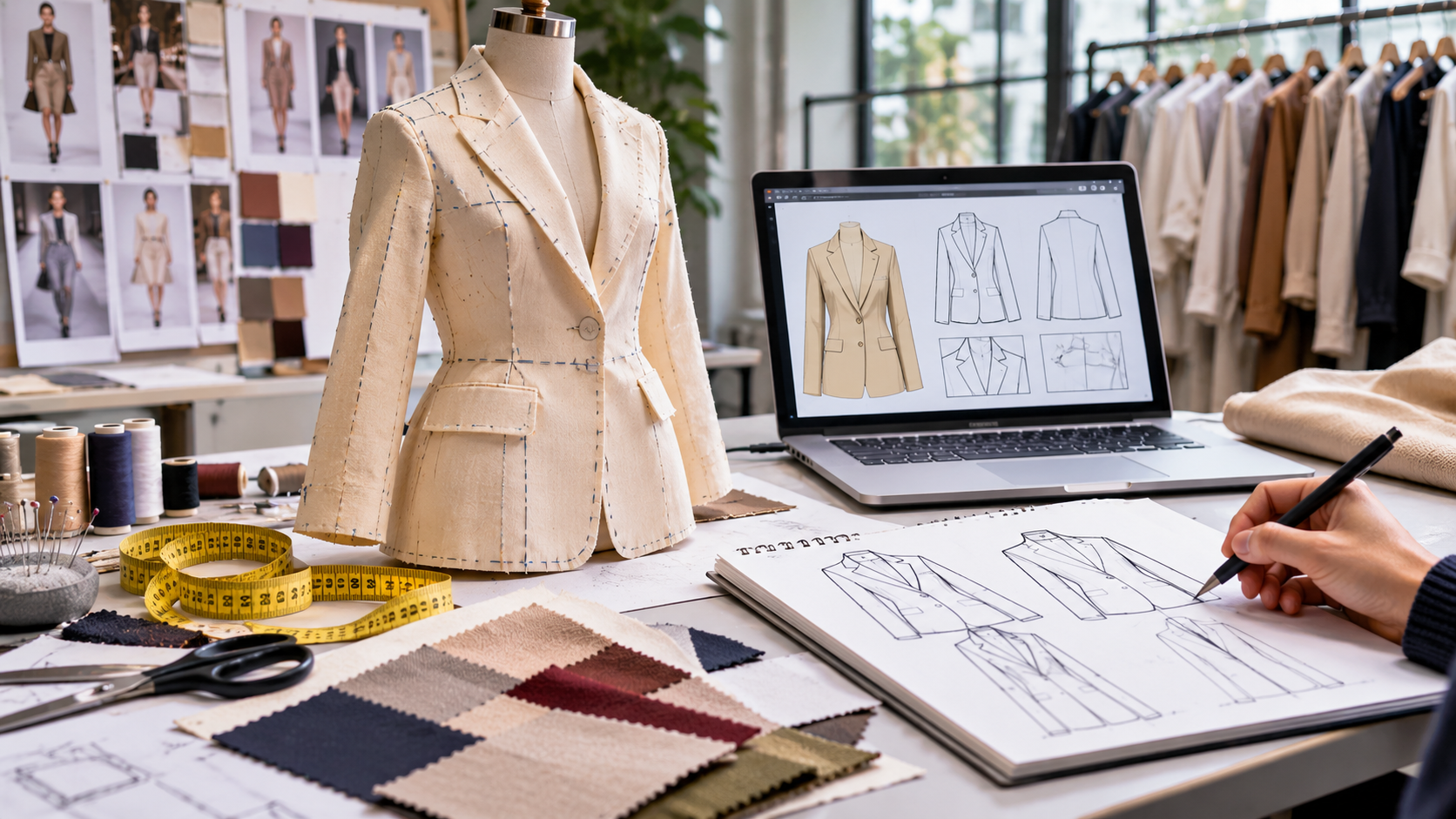
Fashion Sampling and Prototyping is a crucial phase in the design journey, merging creativity with practicality to bring ideas to life. This process not only allows designers to experiment with concepts but also plays a significant role in fine-tuning products before they hit the market.
Over time, the methods of sampling have evolved significantly, adapting to technological advancements and shifting consumer preferences. Understanding the nuances between sampling and prototyping can greatly enhance the efficiency and effectiveness of the fashion design process.
Understanding the Concept of Fashion Sampling and Prototyping
Fashion sampling and prototyping are crucial stages in the design process that bridge the creative vision of designers and the practical realities of garment production. Sampling allows designers to experiment with various materials, colors, and forms, while prototyping transforms these ideas into tangible forms that resemble the final product. Both processes significantly influence the fashion industry’s ability to innovate and respond to market trends.
The historical evolution of sampling methods in the fashion industry reveals a shift from traditional hand-sewn garments to modern technological advancements. In the early days of fashion, sampling was primarily done by skilled artisans who crafted unique pieces by hand, which made it time-consuming and costly. With the introduction of industrialization in the 19th century, sampling processes expanded to include standardized sizes and mass production techniques. Today, digital technology and 3D printing have further transformed sampling, enabling designers to create quick prototypes with precision and efficiency, thereby reducing waste and production times.
Differences Between Sampling and Prototyping
Understanding the key differences between sampling and prototyping is essential for grasping their respective roles in fashion creation. While both serve as stages in the design process, they focus on different aspects of garment development.
- Purpose: Sampling primarily aims to explore materials, colors, and design elements, giving designers the freedom to experiment with various concepts. In contrast, prototyping focuses on building a functional model of the final product, assessing its fit, construction, and overall aesthetics.
- Output: The output of sampling is often a series of swatches or garments that may not be fully finished, while prototypes are typically complete garments intended for testing and evaluation.
- Iteration: Sampling allows for more conceptual iterations, where designers can quickly change elements based on feedback, whereas prototyping is more about fine-tuning a specific design before final production.
- Materials Used: Samples may utilize a variety of materials that may not be feasible for the final product, allowing for creative exploration. Prototypes, however, are generally made from the actual fabrics intended for production to ensure accuracy in fit and function.
“Sampling is about ideas, while prototyping is about execution.”
The Role of Technology in Fashion Sampling and Prototyping
The integration of technology in fashion sampling and prototyping has revolutionized the way designers bring their visions to life. Digital tools and software not only streamline the design process but also enhance accuracy and efficiency, ultimately leading to a more sustainable fashion industry. As brands increasingly adapt to rapid market changes, technology plays a pivotal role in meeting these demands.
Advancements in digital tools and software have significantly impacted the prototyping process. Technologies such as CAD (Computer-Aided Design) and PLM (Product Lifecycle Management) systems allow designers to create intricate designs and manage the lifecycle of products effortlessly. These tools facilitate real-time adjustments and modifications, reducing the reliance on physical samples which are often time-consuming and costly. By utilizing these technologies, brands can quickly iterate on designs, ensuring that the final product is aligned with consumer expectations and market trends.
3D Modeling and Virtual Fitting Technologies
3D modeling and virtual fitting technologies have become essential in enhancing the sampling process. These advancements enable designers to visualize garments in three dimensions, providing a more comprehensive understanding of fit, drape, and overall aesthetics without the need for physical prototypes. For instance, platforms like Clo3D allow designers to simulate fabric behavior and test fit on 3D avatars, representing various body types. This technology not only saves time but also reduces material waste associated with traditional sampling methods.
The benefits of using technology for faster and more accurate prototypes are manifold. By leveraging 3D modeling, designers can:
- Reduce the time spent on creating multiple physical samples, allowing for quicker iteration and feedback cycles.
- Enhance accuracy in fittings, as adjustments can be made digitally before any physical production begins.
- Minimize fabric waste, contributing to more sustainable practices in the fashion industry.
- Enable collaboration among teams across different locations, as digital files can be easily shared and modified in real-time.
In addition, virtual fitting technologies allow consumers to engage with products before purchase, utilizing augmented reality (AR) to provide personalized experiences. For example, apps that allow users to see how clothing fits on their own images are transforming the shopping experience, leading to higher satisfaction and reduced return rates.
To summarize, the role of technology in fashion sampling and prototyping is transformative, driving efficiency, sustainability, and innovation within the industry.
Sustainable Practices in Fashion Sampling and Prototyping
The fashion industry is undergoing a vital transformation towards sustainability, particularly in the realms of sampling and prototyping. As designers and brands seek to minimize their environmental impact, adopting eco-friendly practices in these early stages of product development becomes essential. This approach not only conserves resources but also aligns with the growing consumer demand for sustainable fashion.
Sustainability in the sampling process is critical, as it sets the tone for the entire lifecycle of a product. By implementing responsible practices at this stage, brands can significantly reduce their overall ecological footprint. This includes the use of sustainable materials, which can play a crucial role in the creation of prototypes without compromising on quality or style.
Eco-Friendly Materials for Prototypes
Incorporating eco-friendly materials into prototype creation is a key strategy for sustainable fashion. Designers can choose from a variety of innovative materials that reduce environmental impact while maintaining aesthetic appeal. Some notable examples include:
- Organic Cotton: Grown without synthetic pesticides or fertilizers, organic cotton is a popular choice for prototypes, reducing harmful chemical use and supporting healthier ecosystems.
- Tencel (Lyocell): Made from sustainably sourced wood pulp, Tencel is biodegradable and produced in a closed-loop process that minimizes water usage and waste.
- Recycled Polyester: Derived from post-consumer plastic bottles, recycled polyester not only reduces waste but also conserves resources compared to virgin polyester production.
- Hemp: A resilient and fast-growing plant, hemp requires fewer resources and pesticides, making it an eco-friendly alternative for fabric production.
Using these materials not only contributes to environmental conservation but also showcases a brand’s commitment to sustainable practices, appealing to conscious consumers.
Methods for Reducing Waste in Sampling and Prototyping
Adopting effective methods to reduce waste during the sampling and prototyping phases is essential for sustainable fashion design. These methods help minimize the amount of material discarded, ultimately leading to lower overall waste generation. Key strategies include:
- 3D Prototyping: Utilizing 3D printing technology allows designers to create accurate prototypes with minimal material waste, as only the necessary components are used in the production process.
- Digital Sampling: By employing digital design tools, brands can visualize and refine their concepts without producing physical samples, significantly reducing material usage.
- Scrap Reduction Techniques: Implementing careful pattern-making strategies can maximize fabric usage, ensuring that scraps are minimized or creatively repurposed into new products.
- Collaborative Sampling: Sharing samples between brands or designers can lead to a reduction in the number of prototypes produced, facilitating resource sharing and collaboration.
By integrating these waste reduction methods, the fashion industry can move towards a more sustainable future while still fostering creativity and innovation in design.
“A sustainable approach to fashion sampling and prototyping not only conserves resources but also promotes a responsible ethos within the industry.”
Steps Involved in the Fashion Sampling Process
The fashion sampling process is a crucial stage in the development of any clothing line, bridging the gap between concept and physical product. This process allows designers to visualize and test their ideas, ensuring that the final collection meets their creative vision and practical needs. Each step is essential for creating a successful prototype that can be further refined or produced at scale.
The fashion sampling process involves a series of methodical steps, each contributing to the realization of a designer’s vision. Understanding these steps helps streamline the development while minimizing potential setbacks. Below is an overview of the key stages involved in creating a fashion sample.
Step-by-Step Process from Concept to Physical Sample
The fashion sampling process typically includes several essential stages, each with specific goals and outcomes. Here is a breakdown of the steps involved:
- Concept Development: This initial step involves brainstorming ideas, sketching designs, and selecting fabrics. Designers start with inspiration boards that encapsulate the theme, color palette, and silhouettes they wish to explore.
- Technical Specifications: Designers create detailed technical sketches or flats, outlining dimensions, stitching details, and finishes. This serves as a blueprint for the sample maker.
- Material Sourcing: Identifying and procuring the necessary materials, including fabrics, trims, and notions, is critical. Designers may also create a mood board to visualize the material choices.
- Sample Creation: A pattern maker constructs a pattern based on the technical specifications, which is then used to cut out the fabric pieces. The sample maker assembles the fabric pieces into a complete garment prototype.
- Fit and Feedback: The first sample is fitted on a model or dress form to assess fit, drape, and overall appearance. Feedback is collected from designers and stakeholders to determine necessary adjustments.
- Revisions: Based on the feedback received, the sample is revised, which may involve altering patterns, changing materials, or refining construction techniques.
- Final Sample Approval: Once revisions are made, a final sample is presented for approval, confirming it aligns with the original vision and quality standards.
Checklist of Materials and Resources Needed for Effective Sampling
A well-organized checklist of materials and resources is vital for an efficient sampling process. This ensures that designers and sample makers have everything at their disposal to create high-quality prototypes. Below is a comprehensive checklist:
- Fabrics: Main fabric, lining, interfacing, and any additional materials.
- Trims: Zippers, buttons, ribbons, and other decorative elements.
- Tools: Sewing machines, scissors, measuring tapes, and pattern-making tools.
- Notions: Threads, pins, needles, and chalk for marking fabric.
- Technical Specs: Technical sketches, measurement charts, and construction instructions.
- Workspace: A well-lit, organized area with sufficient space for cutting and assembling samples.
Common Challenges and Solutions During the Sampling Process
The fashion sampling process can present several challenges, ranging from material shortages to discrepancies in fit. Identifying these common issues and their solutions can help mitigate risks and enhance the sampling experience. Here are some prevalent challenges along with practical solutions:
- Material Availability: Sometimes, the desired fabrics or trims may not be available.
Establishing relationships with multiple suppliers can provide alternative sourcing options.
- Fit Issues: The initial sample may not fit as intended.
Conducting multiple fitting sessions and incorporating a size range in the fit model can address this.
- Time Management: Tight timelines can lead to rushed sampling processes.
Prioritizing tasks and setting clear milestones can help keep the process on track.
- Budget Constraints: Sampling can become expensive if not managed properly.
Using cost-effective materials for initial samples and investing in higher quality for final samples can balance quality and budget.
Best Practices for Effective Prototyping in Fashion Design
Creating high-quality prototypes in fashion design is essential for transforming ideas into tangible products. Prototyping allows designers to visualize and refine their concepts, ensuring that the final product meets both aesthetic and functional requirements. By employing best practices in prototyping, designers can optimize their resources, time, and efforts, leading to successful product launches.
The essential practices for creating high-quality prototypes include selecting the right materials, employing advanced technology, and maintaining clear communication within the design team. These elements are critical in developing a prototype that accurately reflects the intended design and functionality.
Essential Practices for High-Quality Prototypes
To ensure effective prototyping, designers should consider the following best practices:
- Material Selection: Choosing the appropriate materials is crucial for achieving the desired look and feel of the prototype. Using fabrics that closely resemble the final product helps in visualizing the garment’s drape and fit.
- Technology Utilization: Incorporating advanced technology, such as 3D printing or digital pattern making, can significantly enhance the prototyping process. These technologies allow for rapid iterations and modifications.
- Collaboration: Regular collaboration among team members, including designers, pattern makers, and manufacturers, leads to a clearer understanding of the design vision and production constraints.
Importance of Feedback Loops
Feedback loops during the prototyping phase play a vital role in refining concepts and ensuring alignment with market needs. Engaging stakeholders, including potential customers, retailers, and team members, provides valuable insights that contribute to the prototype’s evolution.
“Incorporating feedback early and often can prevent costly mistakes later in the production process.”
Continuous feedback allows designers to make informed adjustments, ultimately improving the prototype’s quality and marketability.
Industry Benchmarks for Prototype Evaluation
Establishing industry benchmarks for evaluating prototypes is essential for determining their readiness for production. Common benchmarks include:
- Fit and Functionality: Prototypes should be assessed for their fit on a range of body types, ensuring comfort and ease of wear.
- Market Relevance: Evaluating prototypes against current fashion trends and consumer preferences helps gauge their potential success in the market.
- Cost Efficiency: Analyzing the production costs associated with the prototype ensures that it aligns with budget constraints while maintaining quality.
By utilizing these benchmarks, designers can effectively discern the viability of a prototype before moving into production, reducing risks and enhancing overall project success.
The Influence of Consumer Feedback on Sampling and Prototyping
In today’s fast-paced fashion industry, consumer feedback plays a pivotal role in shaping the processes of sampling and prototyping. As brands strive for alignment with market demands, understanding consumer preferences becomes crucial for developing collections that resonate with target audiences. Implementing consumer insights not only streamlines the sampling process but also enhances the final product’s marketability.
Gathering and analyzing consumer feedback effectively is essential for informing design decisions. Brands employ various methods, including surveys, focus groups, and social media polls, to collect insights directly from their audience. These methods allow for nuanced understanding of consumer preferences, from color choices to fabric types, which can significantly influence the outcomes of sampling and prototyping.
Methods for Gathering Consumer Feedback
Collecting insights from consumers is vital for tailoring products to meet market needs. Various effective strategies include:
- Surveys: Online questionnaires distributed through email or social media platforms gauge consumer opinions on specific designs or trends.
- Focus Groups: Small groups of consumers are brought together to discuss their thoughts on prototypes, providing in-depth qualitative feedback.
- Social Media Engagement: Brands leverage platforms like Instagram and Twitter to solicit real-time feedback on designs, allowing immediate consumer interaction.
- Beta Testing: Sending samples to select customers for trial and feedback helps brands understand the user experience and make necessary adjustments before the full launch.
The implications of consumer trends on future sampling strategies are profound. By analyzing feedback, brands can identify emerging patterns in consumer behavior, allowing them to pivot their design and production methods accordingly. For example, a shift toward sustainable fashion has prompted many designers to incorporate eco-friendly materials and processes in their prototyping efforts, directly responding to consumer advocacy for sustainability.
“Consumer feedback transforms the design cycle, ensuring that products are not only innovative but also aligned with customer expectations.”
Incorporating consumer insights into sampling not only enhances product relevance but also builds brand loyalty, as customers feel their voices are heard and valued throughout the design process. Adapting to consumer feedback enables brands to stay ahead of trends, ensuring their offerings remain competitive in an ever-evolving market landscape.
Case Studies of Successful Fashion Sampling and Prototyping
The fashion industry has seen remarkable advancements in sampling and prototyping, with several brands leading the way in innovative practices. These brands showcase how effective strategies in design processes can enhance creativity, reduce waste, and accelerate time-to-market. By examining case studies of these successful brands, we can glean insights into their methodologies and the outcomes of their approaches.
Nike’s Use of 3D Prototyping
Nike has established itself as a pioneer in utilizing 3D prototyping technology for its apparel and footwear lines. By incorporating 3D printing, Nike significantly reduces the time and resources traditionally required for sample creation. This approach allows for rapid iterations based on real-time feedback, enabling designers to explore multiple concepts quickly.
For instance, the Nike Air Force 1 utilizes a combination of digital design and 3D visualization tools, allowing teams to create virtual prototypes before any physical samples are produced. As a result, Nike can launch new designs more effectively while minimizing material waste.
Adidas and Sustainable Practices
Adidas stands out for its commitment to sustainability in fashion sampling and prototyping. The brand’s Parley for the Oceans initiative exemplifies its innovative approach, wherein it uses ocean plastic to create new sustainable products. The use of recycled materials is paired with a streamlined prototyping process that focuses on reducing environmental impact.
Adidas employs a system that emphasizes “futurecraft,” which integrates advanced digital technology into its design phase. This method allows for quicker sampling cycles and promotes eco-friendly materials, showcasing how brands can adapt their prototyping processes for a greener future.
Uniqlo’s Efficient Sampling Process
Uniqlo’s approach to fashion sampling involves a highly efficient methodology that emphasizes customer feedback and market research. The brand utilizes a “fast fashion” model, which includes rapid prototyping to respond to consumer trends swiftly. By analyzing customer preferences, Uniqlo can create samples that align with market demands, thereby reducing the chances of excess inventory.
The retail giant’s “LifeWear” concept incorporates functional design and quality fabric, which are prototyped quickly based on seasonal trends. This strategy not only enhances the brand’s responsiveness but also ensures that new collections resonate with the target audience.
Chanel’s Haute Couture Techniques
Chanel represents a different end of the fashion spectrum with its haute couture techniques in sampling and prototyping. The brand maintains an artisanal approach, with each piece meticulously crafted through traditional methods. Chanel’s prototyping often involves hand-sewn samples that reflect the luxury and detail synonymous with the brand.
Despite its focus on craftsmanship, Chanel incorporates modern technologies in its design studio. For example, digital sketching tools and fabric simulation software allow designers to visualize their ideas and make adjustments before finalizing physical samples.
“Fashion is not something that exists in dresses only. Fashion is in the sky, in the street, fashion has to do with ideas, the way we live, what is happening.” – Coco Chanel
These case studies of Nike, Adidas, Uniqlo, and Chanel highlight the diverse strategies employed by different fashion houses in their sampling and prototyping processes. Each approach reflects the brand’s identity and market positioning, illustrating that innovation in fashion can take multiple forms while meeting both consumer demands and sustainability goals.
The Future of Fashion Sampling and Prototyping
As the fashion industry continues to evolve, the processes of sampling and prototyping are set to undergo significant transformations. Emerging trends in technology, sustainability, and consumer behavior are reshaping how designers approach these crucial stages of fashion development. This shift presents both exciting opportunities and challenges as the industry adapts to new paradigms.
Innovations in materials and production processes are poised to redefine the landscape of fashion sampling. Designers are increasingly leveraging advancements in technology to streamline their prototyping efforts. 3D printing and digital textile printing are prime examples that allow for rapid development and iteration of designs, reducing lead times and material waste. The integration of virtual and augmented reality technologies also enhances the prototyping experience, enabling designers to visualize and modify garments in a simulated environment before physical samples are produced.
Emerging Trends Impacting Fashion Sampling
Several key trends are emerging that will significantly influence the future of fashion sampling and prototyping. Understanding these trends can help designers stay ahead in a competitive market:
- Sustainable Practices: A growing emphasis on sustainability is driving designers to explore eco-friendly materials and processes. The use of biodegradable fabrics, recycled fibers, and low-impact dyeing techniques are becoming increasingly prevalent. These practices not only reduce the environmental footprint but also respond to consumer demands for sustainable fashion.
- Digital Twin Technology: The concept of creating digital twins of garments allows designers to simulate the physical properties and performance of fabrics without producing physical samples. This technology can significantly cut costs and time associated with traditional prototyping methods.
- Consumer-Centric Design: With the rise of custom fashion, brands are utilizing direct consumer feedback to inform their sampling processes. This shift towards more personalized design solutions enhances customer satisfaction and reduces the risk of unsold inventory.
- Collaborative Platforms: Online platforms that facilitate collaboration among designers, suppliers, and manufacturers are becoming essential. These platforms streamline communication and improve transparency throughout the supply chain, resulting in more efficient sampling and prototyping processes.
Challenges in Prototyping Evolution
Despite the advancements, designers may encounter several challenges as they adapt to the evolving landscape of prototyping. Addressing these obstacles is crucial for successful implementation of new methods.
- Integration of New Technologies: While innovations such as 3D printing and digital tools can enhance prototyping, the learning curve associated with these technologies may pose challenges for designers accustomed to traditional methods.
- Maintaining Quality Standards: Rapid prototyping can sometimes compromise the quality of finished products. It is essential for designers to strike a balance between speed and quality to meet consumer expectations.
- Supply Chain Adaptability: Adapting supply chains to support new materials and processes can be daunting. Designers must collaborate closely with suppliers to ensure that they can source sustainable materials effectively.
- Consumer Expectations: As consumers become more educated about sustainable practices, they expect transparency and accountability from brands. Meeting these ever-evolving expectations can challenge designers and companies to consistently innovate while remaining authentic.
Innovations in Materials and Processes
The future of fashion sampling will heavily rely on innovative materials and processes that promote sustainability and efficiency. These innovations not only redefine how samples are created but also elevate the entire design experience.
- Smart Fabrics: The development of smart textiles embedded with technology offers exciting possibilities for fashion sampling. For instance, fabrics that change color or adjust thermal properties based on environmental conditions can inspire innovative design and functionality.
- Biomaterials: Advances in biomaterials, which are derived from renewable sources, present an opportunity for designers to create samples that are not only sustainable but also unique in texture and appearance.
- Rapid Prototyping Technologies: Techniques such as laser cutting and CNC machining allow for precise and quick sample production, reducing the time spent on trial-and-error iterations.
- Virtual Sampling: Virtual sampling methods enable designers to create and test designs digitally, minimizing material waste. This technique allows for multiple iterations in a fraction of the time it takes to produce physical samples.
“The integration of technology in fashion sampling and prototyping not only enhances creativity but also fosters sustainability, setting the stage for a more responsible future in the industry.”
Final Wrap-Up
In conclusion, Fashion Sampling and Prototyping stands at the intersection of innovation and sustainability, shaping the future of the fashion industry. As designers embrace new technologies and sustainable practices, they not only improve their products but also respond to the ever-changing demands of consumers, ensuring a vibrant future for fashion.
FAQ Corner
What is the main difference between sampling and prototyping?
Sampling focuses on creating initial versions of a design to evaluate aesthetics, while prototyping emphasizes functional aspects and practical usability.
How can technology improve the sampling process?
Technology can enhance sampling by using digital tools for 3D modeling, which allows for quicker adjustments and more precise fittings before physical samples are produced.
What eco-friendly materials can be used in prototyping?
Materials like organic cotton, recycled polyester, and biodegradable fabrics are popular choices that align with sustainable practices in prototyping.
Why is consumer feedback important in sampling?
Consumer feedback helps designers understand market preferences, allowing them to make necessary adjustments that increase the likelihood of a product’s success.
What challenges do designers face in the prototyping phase?
Common challenges include balancing creativity with functionality, managing production timelines, and maintaining cost-effectiveness while ensuring quality.