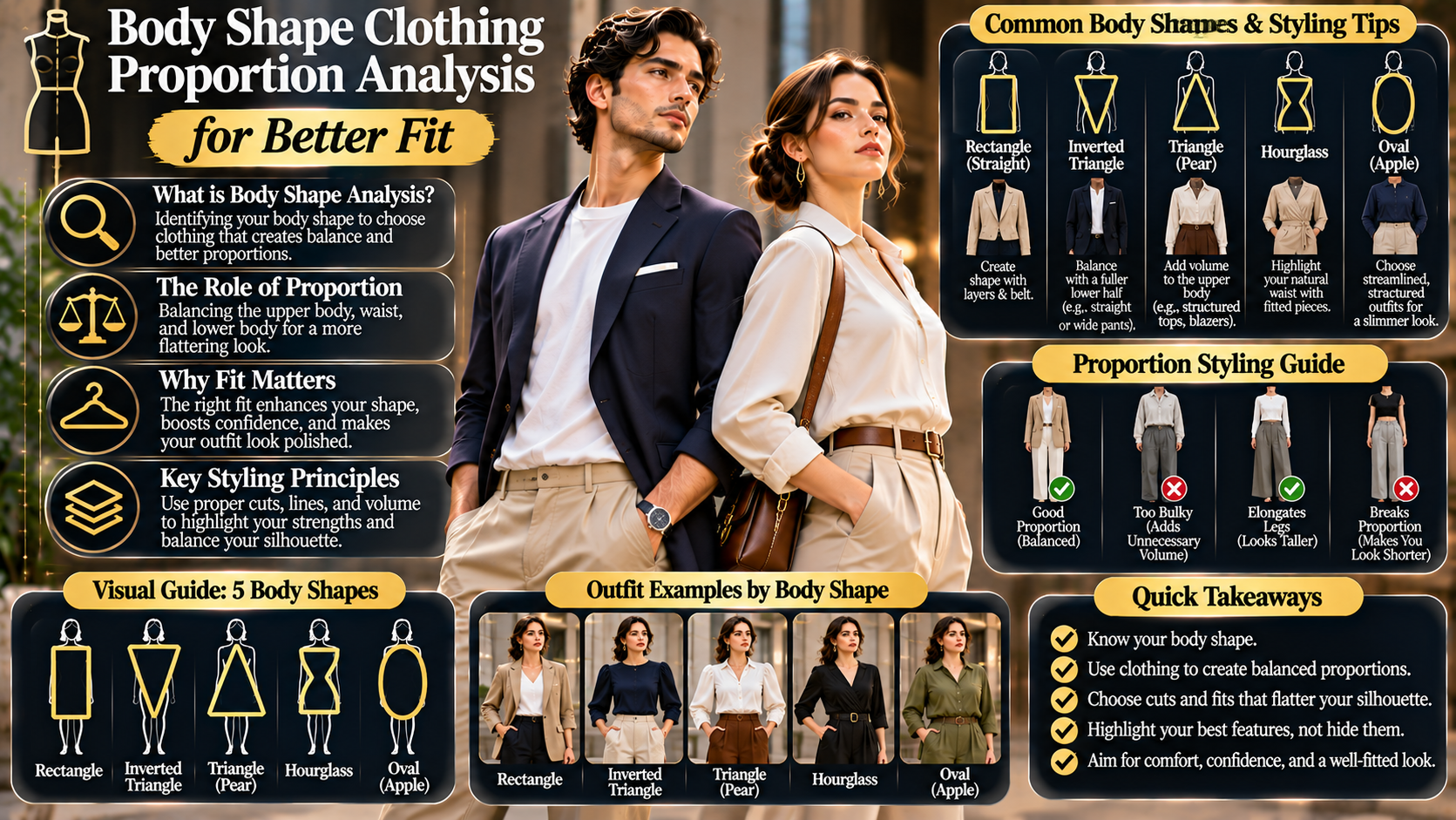
Body Shape Clothing Proportion Analysis is an essential tool for anyone looking to enhance their wardrobe and personal style. By understanding the nuances of body shapes and how proportions affect fashion choices, individuals can make informed decisions that highlight their best features. This analysis not only caters to aesthetic preferences but also promotes body positivity and confidence.
In today’s fashion landscape, where inclusivity and personal expression reign supreme, recognizing the importance of body shapes is crucial. Each body shape comes with its own set of characteristics, and knowing these can lead to better clothing selections. From understanding the role of proportion in design to analyzing suitable clothing cuts and fabrics, this exploration offers a comprehensive guide to dressing well and feeling great.
Understanding Body Shapes and Their Importance in Fashion
Identifying and understanding body shapes is essential in the world of fashion. Body shapes define how clothing fits and enhances an individual’s physique. Recognizing one’s body shape allows for smarter shopping choices, contributing to a more confident and stylish appearance. Fashion is not only about trends but also about dressing in a way that accentuates one’s best features while downplaying aspects one might not be as comfortable with.
There are several primary body shapes, each with distinct characteristics that influence clothing selection. The most common body shapes include:
- Apple Shape: Characterized by a fuller upper body, wider shoulders, and narrower hips. Individuals with this shape often carry weight around the midsection.
- Pear Shape: This shape features a smaller upper body with wider hips and thighs. It typically has a well-defined waist, creating a curvy silhouette.
- Hourglass Shape: Defined by a balanced bust and hip measurement with a well-defined waist. This shape is often regarded as the ideal feminine form.
- Rectangle Shape: Also known as the “straight” body type, this shape has similar bust, waist, and hip measurements, lacking significant curves.
- Inverted Triangle Shape: Characterized by broader shoulders and bust with narrower hips, often giving a more athletic appearance.
Identifying your body shape is crucial for effective clothing selection as it allows you to choose styles that complement your figure. For example, apple-shaped individuals benefit from clothing that emphasizes their legs while camouflaging the midsection. Pear-shaped bodies can enhance their upper body with vibrant colors and patterns, drawing attention upwards.
“Fashion is about dressing according to what’s fashionable. Style is more about being yourself.” – Oscar de la Renta
Understanding these shapes and their characteristics can help individuals make informed choices, ensuring that their clothing fits well and reflects their personal style. Ultimately, recognizing one’s body shape is a stepping stone toward building a versatile and flattering wardrobe that enhances confidence and self-expression in fashion.
The Role of Proportion in Clothing Design
Proportion is a critical element in clothing design that greatly influences the visual appeal and wearability of garments. When designers understand and effectively utilize proportion, they can create pieces that not only fit well but also enhance the aesthetic qualities of the clothing. Proportion refers to the relationship between different elements in a design, such as the length of sleeves to the overall garment length, or the width of a pant leg compared to the hips.
The significance of proportion in clothing design cannot be overstated. It directly affects how a garment fits and how it is perceived visually. A well-proportioned piece of clothing tends to flatter the body, while poor proportions can lead to unflattering silhouettes. Designers must pay close attention to several key proportional elements that are fundamental in determining garment fit and style.
Key Proportional Elements in Garment Design
Understanding the following proportional elements can significantly enhance the design and fit of clothing:
- Length: The length of various garment components, such as sleeves, skirts, and pants, plays a crucial role in proportion. For example, a dress that falls just above the knee can elongate the legs, while a longer dress can create a more formal appearance.
- Width: The width of certain elements like shoulders, waistbands, and hems can either enhance or detract from the overall balance of an outfit. A fitted bodice with a flared skirt creates a classic hourglass silhouette that is often deemed flattering.
- Scale: The scale of patterns and textures in clothing also influences proportion. A large floral print on a small garment may overwhelm the overall look, while a smaller print can provide a harmonious feel.
- Body Shape: Different body shapes require different approaches to proportion. For instance, pear-shaped individuals may benefit from designs that emphasize the waist and add volume to the upper body, creating a balanced aesthetic.
By fully grasping these proportional elements, designers can craft garments that not only look great but also feel comfortable and flattering. Attention to proportion not only enhances the functionality of clothing but also allows for creative expression in design, making it an essential aspect of fashion.
“Proportion is the key to achieving harmony in design, and it dictates how each piece interacts with the wearer.”
Analyzing Clothing Cuts for Different Body Shapes
Understanding how clothing cuts interact with different body shapes is crucial for creating a flattering silhouette. Each body shape has unique characteristics, and selecting the right cut can enhance natural proportions and create balance. This segment will explore various clothing cuts suitable for different body shapes and illustrate how each cut influences overall appearance.
Clothing Cuts for Various Body Shapes
Choosing the right clothing cut can dramatically affect the way a person appears. When considering the diverse array of body shapes—such as hourglass, pear, apple, and rectangle—it’s essential to understand how specific cuts can accentuate or downplay features. Below are some popular cuts and their associations with body shapes:
- A-Line Cuts: A-line skirts and dresses are universally flattering, particularly for pear-shaped bodies. The cut flares out from the waist, creating a balanced silhouette that draws attention away from the hips while emphasizing the waistline.
- Empire Waist: This cut features a high waistline that sits just under the bust, making it ideal for apple-shaped figures. It streamlines the midsection and provides a flowy effect through the hips, enhancing comfort and elegance.
- Wrap Dresses: These dresses are perfect for hourglass figures, as they highlight the waist while allowing the curves to be seen. The adjustable nature of the wrap allows for a customized fit, ensuring that the body’s natural proportions are showcased beautifully.
- Straight Cuts: Straight-cut garments, including straight-leg jeans and shift dresses, work well for rectangle-shaped bodies. They provide a sleek, streamlined look that can be enhanced with accessories to create the illusion of curves.
- Peplum Tops: These tops are beneficial for apple-shaped figures, as they create a structured silhouette that defines the waist without clinging to the belly area, providing an overall fitted appearance without discomfort.
“For a harmonious look, consider how different cuts can draw attention to your best features while providing comfort and ease of movement.”
In conclusion, understanding the relationship between clothing cuts and body shapes is essential for effective wardrobe choices. By selecting styles that align with their natural silhouette, individuals can feel more confident and look their best in any outfit.
The Impact of Fabric on Body Shape and Proportion
Understanding how different fabrics interact with body shapes is essential in curating a wardrobe that highlights or balances proportions effectively. The right fabric can accentuate curves, provide structure, or create a streamlined silhouette that flatters an individual’s unique body shape. A keen awareness of how fabric works is crucial for making informed fashion choices that enhance personal style while ensuring comfort and confidence.
Different fabrics have distinct properties that can either enhance or detract from body shape proportions. For instance, lightweight fabrics like chiffon or silk can drape beautifully, providing a soft, flowing silhouette that is ideal for curvy figures. Conversely, heavy fabrics like denim or wool can add bulk, potentially overwhelming smaller frames. Thus, choosing suitable fabrics based on body shape becomes a key aspect of effective styling.
Suitable Fabrics for Specific Body Shapes
Identifying appropriate fabrics for various body shapes can make a significant difference in overall appearance. Here’s a breakdown of how specific fabrics can complement each body shape:
- A-shaped body types: Fabrics that are structured, such as cotton blends or thicker knits, can help create balance. A-line silhouettes made from these materials can enhance the waist while providing enough volume at the hem.
- V-shaped body types: Soft, flowing fabrics like jersey or lightweight cotton can soften broader shoulders. Tunics or tops that flow down can help create a more balanced look.
- Rectangle body types: Fabrics with some stretch, such as spandex blends, can be flattering. Dresses with cinched waists or peplum tops in structured fabrics can add shape and definition.
- Hourglass body types: Fabrics that hug the body, such as lycra or fitted cotton, work well. They accentuate curves, allowing for form-fitting dresses or tailored suits that highlight the silhouette.
“The right fabric can transform an outfit, enhancing or softening body shapes for a desirable look.”
In essence, understanding the characteristics of different fabrics and their impact on body shape can aid individuals in making fashion choices that enhance their figures, ensuring they feel confident and stylish in their clothing.
Creating a Balanced Wardrobe Based on Body Shape
Curating a balanced wardrobe that complements your body shape can transform not only your appearance but also your confidence. Understanding your body shape is the first step towards selecting clothing that enhances your best features while downplaying areas you may be less confident about. A well-balanced wardrobe allows you to mix and match pieces effectively, making dressing for different occasions a breeze.
To achieve a balanced wardrobe, consider the following methods that cater specifically to your unique body shape. This approach ensures that your clothing not only fits well but also complements your proportions, enhancing your overall look. Versatility in clothing choices is essential, as it allows you to adapt your style for various occasions without needing a vast number of items. Here are some strategies to create a balanced wardrobe:
Curating Clothing for Different Body Shapes
Understanding which cuts and styles flatter your body shape can guide your shopping decisions. Here are several key considerations:
- A-line Dresses: Ideal for pear-shaped bodies, these dresses cinch at the waist and flow outwards, creating a balanced silhouette.
- Tailored Blazers: Perfect for hourglass figures, they emphasize the waist and create an elegant, structured look.
- High-Waisted Pants: Suitable for apple-shaped bodies, they help define the waist while providing a comfortable fit through the hips.
- Wide-Leg or Straight-Leg Pants: These styles work well for rectangular body shapes, adding dimension and creating the illusion of curves.
- Layering Pieces: Versatile options like long cardigans or kimonos can enhance any body shape by adding depth and style while staying functional for various occasions.
When curating a wardrobe, it’s crucial to focus not just on personal style but also on how each piece can be mixed and matched to create outfits suitable for different settings—be it casual outings, work environments, or formal events. Versatile pieces may include classic white shirts, tailored trousers, or a little black dress, which can be accessorized to fit the occasion.
“Versatility in your wardrobe allows for creativity and confidence in style choices, making dressing easier and more enjoyable.”
By considering your body shape and the versatility of clothing pieces, you can develop a wardrobe that is not only balanced but also functional and stylish. This approach enhances your personal style while ensuring you feel comfortable and confident in every outfit.
Tailoring Techniques for Improving Fit and Proportion
Tailoring is an essential skill for enhancing the fit and proportion of clothing, ensuring that garments flatter specific body shapes. By employing various tailoring techniques, individuals can transform off-the-rack pieces into custom-fitted attire that accentuates their best features. Understanding these methods allows for a more personalized wardrobe, enhancing both comfort and style.
One of the primary tailoring techniques involves adjusting the garment’s structure to better fit the wearer’s body shape. Tailors utilize a variety of methods, each aimed at improving fit and creating a flattering silhouette. Here are some common alterations that can significantly enhance clothing fit:
Key Tailoring Techniques
The following tailoring techniques are crucial for achieving a better fit and proportion in garments:
- Taking in or letting out seams: This adjustment can be made at the side seams or center back seam of a top or dress. Taking in the seams reduces excess fabric around the waist or bust, creating a more defined shape, while letting out seams can provide extra room for comfort without sacrificing style.
- Shortening or lengthening hems: Adjusting the hemline of skirts or pants can dramatically alter the perception of height and leg proportion. For example, a skirt hemmed just above the knee can create the illusion of longer legs, while an unflattering length can make one appear shorter.
- Adjusting sleeve length and width: Proper sleeve fit is essential for both comfort and aesthetics. Tailors can shorten long sleeves or make them slimmer to enhance the overall silhouette of a garment.
- Creating darts: Darts are used to contour fabric around curves, such as the bust or hips. Adding darts can create a more tailored and flattering shape, particularly for fitted tops and dresses.
- Restructuring the shoulder seams: Drooping or incorrectly fitted shoulder seams can affect the entire garment’s fit. Raising or lowering shoulder seams can ensure the garment sits correctly on the body, improving overall appearance.
Tailoring not only alters the dimensions of clothing but also enhances the overall aesthetic. For example, a tailored blazer can emphasize an hourglass figure by cinching at the waist, while a well-fitted pair of trousers can elongate the legs, improving proportion. By using these techniques, individuals can achieve a polished and sophisticated look, making the most of their body shape and personal style.
Color Theory and Its Effect on Perceived Proportions
Color theory plays a crucial role in fashion and personal styling, particularly when it comes to how color choices can significantly affect the perception of body shape and proportions. The right colors can enhance or diminish features, creating an illusion of balance that complements an individual’s unique body type. Understanding how color interactively affects body proportions allows for more strategic dressing decisions that highlight the best attributes while creating a more harmonious overall appearance.
Different colors can evoke different perceptions, and the combinations we choose can accentuate or downplay certain areas of the body. Darker shades tend to create a slimming effect, while lighter hues can draw attention and visually expand areas. This is particularly important when selecting outfits for different body shapes. For example, someone with a pear-shaped body might opt for darker colors on the lower half, paired with lighter, brighter tops to draw the eye upward. Conversely, an individual with an hourglass figure might use color blocking with bold colors at the waist to emphasize their curves.
Flattering Color Combinations for Various Body Shapes
Understanding the effective use of color combinations is essential for flattering different body shapes. Here are some combinations that work well based on body proportions:
- Pear-Shaped Bodies: Combine dark colors like navy or black for bottoms with bright or pastel shades on top. This draws attention away from the hips and thighs while highlighting the upper body.
- Apple-Shaped Bodies: Opt for a monochromatic color scheme that uses darker shades throughout, avoiding contrast that might highlight the midsection. Accessories in brighter colors can add interest without drawing attention to the stomach.
- Hourglass Figures: Utilize bold, contrasting colors to define the waistline. For example, pairing a bright top with a darker skirt can create a striking silhouette while emphasizing curves.
- Rectangle Body Shapes: Use color-blocking techniques to create curves. Pair a fitted, bright-colored top with darker, loose-fitting bottoms to suggest a more defined waist.
Incorporating these color techniques into daily wardrobes not only enhances personal style but can also foster confidence by embracing individual body shapes. Whether it’s through strategic color placement or the thoughtful pairing of hues, understanding the impact of color on body perception is a powerful tool in fashion.
Accessorizing to Enhance Body Shape and Proportion
Accessorizing is an essential aspect of fashion that can significantly impact the way an outfit looks and how a person’s body shape is perceived. By choosing the right accessories, one can cleverly emphasize or downplay specific body features, creating a balanced and harmonious appearance. Understanding how different accessories can interact with body shapes allows individuals to make informed choices that enhance their overall look.
Accessories, when selected thoughtfully, can draw attention to certain areas, complement proportions, and provide visual interest to an outfit. For instance, someone with a pear-shaped body might opt for statement earrings or a bold necklace to draw the eye upward, while someone with an hourglass figure could use belts to accentuate their waist. Below are some strategic choices for various body shapes:
Accessory Choices for Different Body Shapes
When selecting accessories, consider how they can enhance your natural silhouette. Here are tailored suggestions for various body shapes:
- Pear Shape: To balance wider hips, opt for wide-brimmed hats and statement necklaces. Longer earrings can elongate the neck and shift focus upward.
- Apple Shape: Use long, layered necklaces that create a vertical line, diverting attention from the midsection. Scarves can also add softness and draw the eye away from the waist.
- Hourglass Shape: Belts are perfect for accentuating the waist. Choose structured handbags to maintain a balanced look and avoid overly bulky accessories that can obscure the figure.
- Rectangle Shape: Add dimension with oversized jewelry or textured bags. Chunky bracelets can also help create the illusion of curves.
- Inverted Triangle Shape: Choose softer, flowing scarves and long, dangling earrings to soften the shoulders. A crossbody bag can help balance the silhouette.
Utilizing accessories mindfully can transform an outfit while enhancing one’s body shape. Remember that the goal is to create a cohesive look that feels comfortable and confident. It’s not just about the size or style of the accessory, but how it interacts with your unique proportions and features. Using this knowledge, you can confidently mix and match accessories to reflect your personal style while flattering your figure.
Trends in Body Shape Fashion and Their Evolution
Fashion has always been a reflection of cultural norms and societal values, and the portrayal of body shapes within this arena has undergone significant transformations over the decades. From the hourglass figures of the 1950s to the athletic silhouettes of recent years, trends have continually adapted to the changing ideals of beauty and body representation. This evolution highlights the shifting perspectives on health, beauty, and diversity, creating a rich tapestry that informs contemporary fashion.
The evolution of body shape trends in fashion can be traced through several key decades, each marked by distinct ideals that shaped clothing design, marketing, and public perception. For instance, the 1920s flapper style emphasized a boyish figure, while the 1950s celebrated curves with the iconic hourglass silhouette accentuated by corsets and cinched waists. By the 1970s and 1980s, the ideal body shape leaned towards a more athletic and toned appearance, influenced by fitness culture and the rise of supermodels.
Current Trends in Body Shape Representation
Today’s fashion landscape is marked by a greater emphasis on inclusivity and body positivity, challenging conventional beauty standards. Current trends reflect a growing recognition of diverse body shapes, as brands increasingly cater to a broader audience. This shift not only enhances representation but also promotes a healthier dialogue around body image.
The following points illustrate the current trends in body shape representation:
- The rise of plus-size fashion lines that celebrate curvier silhouettes, fostering a sense of confidence among consumers who identify with these body types.
- The introduction of gender-neutral clothing lines that prioritize fit over traditional gendered styles, allowing individuals to express their identity without restrictive norms.
- Collaborations with influencers and models of diverse sizes to promote campaigns that resonate with a wider audience, increasing visibility for all body types.
- Use of social media platforms to showcase real bodies through unfiltered images, challenging the retouched and idealized versions often seen in mainstream media.
The contemporary fashion industry is moving towards representation, breaking away from a singular body type narrative to embrace the beauty of diversity.
As society makes strides towards inclusivity, the implications for body shape representation in fashion are profound. With more brands recognizing the importance of catering to diverse body shapes, consumers now have more options than ever, allowing for self-expression that aligns with individuality rather than conformity.
The Psychological Aspect of Dressing for One’s Body Shape
Understanding body shape is not just a matter of fashion; it plays a significant role in shaping our mental well-being. Dressing according to one’s body shape can profoundly impact feelings of self-esteem and confidence. When individuals choose clothing that flatters their unique proportions, they often experience a boost in their body image, leading to a healthier self-perception. Embracing one’s body shape allows for a more authentic expression of self and can diminish the negative effects of societal standards and pressures.
The psychological benefits of understanding and embracing one’s body shape are substantial. When people learn to appreciate their bodies for what they are, it encourages a more positive mindset. This journey of self-acceptance promotes overall mental health and well-being. By dressing in a way that aligns with their body shape, individuals can experience a range of uplifting psychological effects. Not only does it enhance appearance, but it also fosters a sense of empowerment and control over how one presents oneself to the world.
Boosting Self-Esteem and Confidence
Dressing in a way that complements one’s body shape can significantly enhance self-esteem and confidence levels. Here are several factors to consider regarding this psychological transformation:
1. Positive Body Image: When individuals dress well for their body shapes, they project a positive image of themselves. This can lead to feelings of beauty and acceptance, which are crucial for mental health.
2. Empowerment Through Choice: Clothing becomes a form of self-expression. Choosing outfits that feel right can empower individuals, instilling a sense of control over their appearance and enhancing their confidence.
3. Reduced Social Anxiety: Wearing clothes that fit well and suit one’s body shape can diminish feelings of self-consciousness in social settings, allowing individuals to focus on interactions rather than their insecurities.
4. Reinforcement of Individuality: Embracing body shape encourages authenticity, allowing individuals to celebrate their unique characteristics rather than conforming to a generalized standard of beauty. This reinforces a sense of identity and self-worth.
5. Mindfulness in Fashion: Understanding body shape fosters a mindful approach to dressing, enabling individuals to select garments that genuinely reflect their style and comfort, promoting better mental clarity and satisfaction.
The combination of these elements not only positively influences self-image but also enhances interpersonal relationships, as confident individuals are often more engaging and approachable.
Outcome Summary
In conclusion, Body Shape Clothing Proportion Analysis provides valuable insights into how fashion can positively impact self-image and personal style. By learning about body shapes, proportions, and the right clothing choices, individuals can curate wardrobes that not only look good but also feel comfortable and empowering. Embracing one’s unique shape and using fashion as a tool for self-expression can lead to a fulfilling and confident lifestyle.
FAQ Compilation
What are the most common body shapes?
The most common body shapes include hourglass, pear, apple, rectangle, and inverted triangle.
How can I determine my body shape?
You can determine your body shape by taking measurements of your bust, waist, and hips, then comparing the ratios to common body shape categories.
Why is it important to dress for my body shape?
Dressing for your body shape helps to highlight your best features, creating a balanced silhouette that enhances your overall appearance.
Can I wear any style regardless of my body shape?
While you can wear any style, understanding your body shape can help you choose cuts and styles that are more flattering and comfortable for you.
How often should I reassess my body shape?
It’s a good idea to reassess your body shape whenever there are significant changes in your weight or body composition, or when you feel your style has evolved.