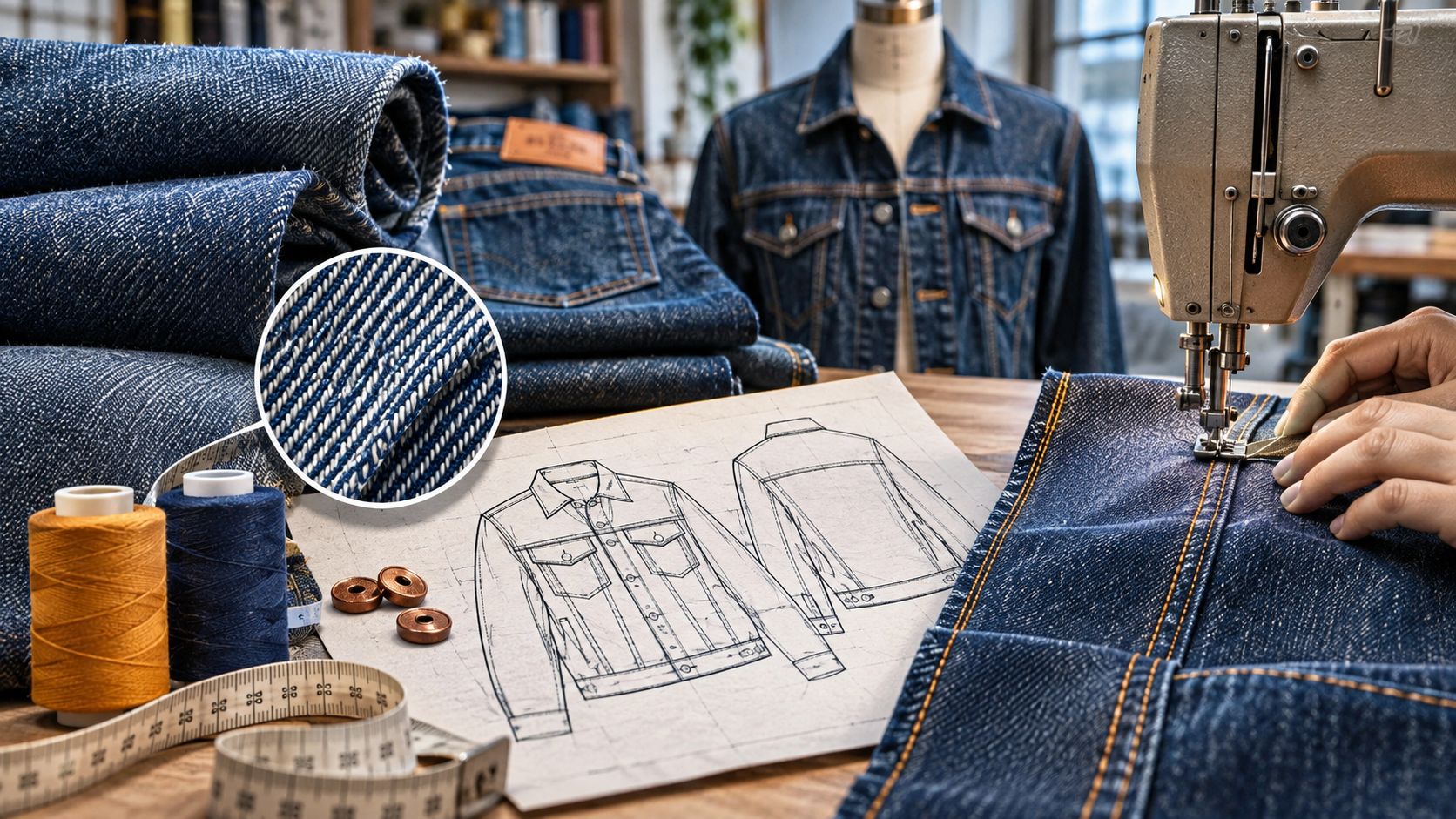
Denim Fabric Construction Techniques open a fascinating chapter in the world of textiles, where history, innovation, and artistry converge. As we explore the evolution of denim, we uncover how it transformed from durable workwear to a fashionable staple embraced globally. The journey of denim is not just about fabric; it’s about the stories woven into its very strands and how technological advancements reshaped its construction over the decades.
From its humble beginnings to its current status in high fashion, denim has undergone significant changes in its weaving, dyeing, stitching, and finishing processes. Each technique contributes uniquely to the fabric’s durability, texture, and aesthetic appeal. This exploration not only highlights the craftsmanship behind denim but also emphasizes the importance of sustainable practices in its production, reflecting the industry’s response to modern consumer demands.
Understanding the Origin and Evolution of Denim Fabric Construction Techniques
Denim fabric has a rich and dynamic history that reflects its transformation from a utilitarian material to a high-fashion staple. Originating in the late 17th century, denim was initially crafted in Nîmes, France, known locally as “serge de Nîmes.” This sturdy cotton twill fabric was developed for durability, making it ideal for workwear. As the demand for strong clothing grew, especially for laborers and miners, denim became a popular choice due to its resilience. By the mid-19th century, denim was propelled into the spotlight when Levi Strauss and Jacob Davis patented the idea of using metal rivets to reinforce pockets on denim trousers, thus creating the first blue jeans.
The evolution of denim construction techniques has been significantly influenced by technological advancements. The introduction of the sewing machine in the 1850s allowed for more efficient production methods, making denim garments more accessible to the general public. Over time, innovations such as synthetic dyes improved the coloring process, leading to the iconic indigo hue associated with denim today. Furthermore, the 20th century saw the advent of washing techniques, such as stone washing and acid washing, which added unique textures and distressed looks to denim, making it a versatile fabric for various fashion trends.
Technological Advancements in Denim Fabric Construction
The technological revolution has dramatically altered denim fabric construction, resulting in processes that enhance both quality and versatility. With advancements in textile engineering, manufacturers have developed various weaving techniques and blends, allowing for stretch denim that combines comfort with the fabric’s classic durability.
Key milestones in denim construction include:
- Introduction of Stretch Denim (1970s): The incorporation of elastane fibers revolutionized denim by adding stretch, leading to a surge in popularity for fitted jeans.
- Laser Technology (2000s): The use of laser technology for distressing and branding has allowed for greater precision and reduced chemical usage in the finishing processes.
- Sustainable Practices (2010s onward): Innovations aimed at reducing water consumption and chemical use are now central to denim production, resulting in eco-friendly manufacturing processes.
Additionally, the rise of digital printing technology has permitted intricate designs and patterns to be printed directly onto denim fabric, enabling limitless creative expression. This integration of technology not only enhances the aesthetic appeal of denim but also drives the industry toward sustainability through reduced waste and more efficient production methods.
In summary, the journey of denim fabric from its historical roots to modern-day techniques exemplifies the power of innovation in the textile industry. The ongoing evolution of denim construction techniques continues to influence fashion while addressing contemporary environmental challenges.
Exploring Various Weaving Methods Used in Denim Fabric Construction
Denim fabric is renowned for its durability and distinctive style, largely attributed to the weaving techniques employed in its construction. Understanding these methods is crucial for both manufacturers and consumers, as they play a significant role in the fabric’s performance, feel, and aesthetic appeal. This exploration delves into three main weaving techniques: twill, plain, and satin, highlighting their characteristics and effects on denim.
Weaving Techniques in Denim Fabric
Denim traditionally utilizes various weaving methods that greatly influence its texture and durability. Each technique imparts unique qualities to the fabric, affecting everything from its drape to its overall strength. Below are the three primary weaving methods used in denim construction:
1. Twill Weave:
Twill is the most common weaving technique used in denim production, characterized by its diagonal ribbing. This method is created by passing the weft thread over one or more warp threads and then under two or more warp threads in a staggered pattern. The resulting fabric is not only sturdy but also has a distinct texture.
– *Durability*: The diagonal pattern of twill provides greater durability, making it resistant to wear and tear. This is why most denim jeans are made from a twill weave.
– *Texture and Style*: Twill denim tends to be softer and more flexible compared to other weaves. This flexibility contributes to the comfortable fit that denim is known for. The diagonal lines can also be showcased in styling, such as in denim jackets or skirts.
2. Plain Weave:
The plain weave is the simplest textile structure, where the weft thread alternates over and under the warp thread. Although less common for denim, some lighter weight denims employ this technique.
– *Durability*: While plain weave fabrics are generally strong, they may not provide the same level of durability as twill due to the lack of diagonal strength.
– *Texture and Style*: The resulting fabric has a smooth surface and tends to have a lightweight feel. This can be utilized in more formal or tailored denim products, providing a crisp look.
3. Satin Weave:
Satin weave creates a smooth surface by allowing the weft threads to float over several warp threads, resulting in a lustrous finish. This weave is less common in traditional denim but can be found in specialty denim garments.
– *Durability*: Satin weaves can be more delicate, leading to potential wear issues over time if used in heavier applications.
– *Texture and Style*: The glossy finish of satin denim can elevate the garment’s appearance, making it suitable for upscale or fashionable designs, such as embellished dresses or tailored shorts.
In conclusion, the choice of weaving method has profound implications for denim fabric’s durability and texture. While twill remains the staple for typical denim, exploring plain and satin weaves opens new avenues for innovative styling and applications in the ever-evolving fashion landscape.
Analyzing the Role of Dyeing Techniques in Denim Fabric Production
Dyeing techniques play a crucial role in the production of denim fabric, profoundly influencing both its aesthetic appeal and tactile experience. As denim has evolved from its roots as durable workwear to a fashion staple, the methods used to dye this fabric have similarly advanced. This discussion will delve into the common dyeing techniques employed in denim manufacturing, their environmental impacts, and how they affect the final appearance and feel of denim.
Common Dyeing Techniques in Denim Manufacturing
Denim fabric is primarily associated with a few key dyeing techniques that define its characteristic look and feel. The most notable among these is indigo dyeing, a process that has been used for centuries. Traditional indigo dyeing involves a fermentation process, where the dye is reduced to a soluble state and then applied to the yarn. This technique creates a unique fading effect over time, which denim enthusiasts often cherish. The inherent nature of indigo—where the outer layer of the yarn is dyed, while the core remains white—allows for distinctive wear patterns that enhance the fabric’s character.
Another notable technique is garment dyeing, where the finished denim garment is dyed after its assembly. This method allows for a broader range of colors and can produce vibrant hues that are not achievable through traditional dyeing methods. However, garment dyeing can lead to inconsistencies in color and finish due to variations in fabric composition and the dye absorption of different areas of the garment.
Environmental Impacts and Sustainable Alternatives
The dyeing processes employed in denim production can have significant environmental consequences. Traditional indigo dyeing often requires substantial amounts of water and can lead to water pollution if not managed properly. The chemical runoff from dyeing processes can contaminate local water supplies, posing risks to ecosystems and communities alike. Moreover, the use of synthetic dyes in garment dyeing can introduce toxic substances into the environment.
In response to these challenges, the industry is increasingly exploring sustainable alternatives. Innovations such as waterless dyeing technologies, which utilize CO2 instead of water, and eco-friendly dyes derived from natural sources are gaining traction. Brands committed to sustainability are also adopting strategies like reducing the number of dyeing processes and utilizing organic cotton to minimize their ecological footprint.
Influence on Final Appearance and Feel of Denim Fabric
The chosen dyeing technique has a substantial impact on both the visual characteristics and tactile qualities of denim. Indigo dyeing tends to produce a rich, deep color that enhances the fabric’s texture, giving it a robust feel that many consumers prefer. The way indigo fades with wear creates a personalized look, contributing to the fabric’s appeal among denim aficionados.
In contrast, garments produced through garment dyeing can exhibit a softer and more uniform appearance, often with a lighter feel. This method allows for experimentation with a broader palette of colors, enabling designers to create denim that caters to diverse fashion trends. However, this can sometimes result in a lack of the unique character that traditional indigo-dyed denim possesses.
As the denim industry continues to innovate and adapt, understanding the nuances of these dyeing techniques is essential for both producers and consumers alike. The choices made in dyeing not only affect the final product’s look and feel but also its environmental impact, underscoring the importance of sustainable practices in this iconic fabric’s production.
Investigating the Importance of Stitching Techniques in Denim Construction
Stitching techniques play a pivotal role in the construction of denim garments, directly influencing their durability, function, and aesthetic appeal. Various methods of stitching not only enhance the structural integrity of denim but also contribute significantly to the design elements that make denim pieces trendy and stylish. Understanding these techniques is essential for anyone involved in denim manufacturing or fashion design.
Key Stitching Techniques in Denim Durability
Several stitching techniques are instrumental in reinforcing the resilience of denim products. The following techniques are crucial for ensuring that denim withstands wear and tear while maintaining its stylish appearance:
- Double-Stitched Seams: Double stitching involves using two parallel lines of stitches, which greatly increases the strength of the seam. This technique is commonly found in areas prone to stress, such as the crotch and side seams of jeans. The added durability helps prevent seams from splitting and enhances the overall lifespan of the garment. For instance, many high-quality denim brands utilize double-stitched seams in their production to ensure longevity.
- Chain Stitches: Chain stitching creates a series of interlocking loops, providing stretch and flexibility. Commonly used in the hem and side seams, this technique allows denim to move with the wearer without compromising the seam’s integrity. The chain stitch also gives a distinctive finish that can be seen on the outside of the fabric, adding an element of style as well as practical functionality.
- Bar Tacks: Bar tacks are small, tight stitches that reinforce high-stress areas, such as pockets and belt loops. They provide exceptional support where fabric tends to tear under pressure, ensuring that these functional elements remain intact. The presence of bar tacks adds a professional touch to the garment, reflecting attention to quality and detail.
Stitching is not just about functionality; it also plays a vital role in the design aesthetics of denim garments. The choice of stitching color, texture, and pattern can significantly influence the overall look of a denim piece. For example, contrasting threads can create a striking visual against the fabric, enhancing the garment’s appeal.
“The right stitching techniques can elevate a simple denim piece into a fashion statement.”
Emphasizing stitching techniques in denim construction ultimately leads to products that are not only durable but also visually captivating, catering to a broad range of consumer preferences.
Understanding the Significance of Finishing Processes in Denim Fabric
Denim fabric undergoes various finishing processes that significantly impact its appearance, texture, and overall feel. These techniques not only enhance the aesthetic appeal of denim but also influence its durability and comfort. The finishing processes applied to denim are crucial as they can alter the fabric’s characteristics, making them a vital part of denim production.
One of the most popular finishing techniques is stone washing. This process involves washing the denim with pumice stones, which creates a faded look and a softer hand feel. The stones create small abrasions on the fabric surface, resulting in a worn-in appearance that is highly sought after in casual wear. The texture becomes more relaxed, and the color is often lightened, giving the denim a vintage vibe. However, stone washing raises environmental concerns due to the water and energy consumption involved in the process, as well as the potential dust generated from the stones, which can be harmful to workers.
Enzyme Washing
Enzyme washing is another widely used finishing technique that employs enzymes to achieve a softer texture and faded appearance without the harshness of stone washing. This method is more eco-friendly as it requires less water and energy, and the enzymes break down the cellulose in the fabric, which contributes to the fading. The result is a smoother, more comfortable fabric that retains much of its original structure while providing a slightly distressed look. However, the enzymes used can pose health risks to workers if not handled properly, leading to respiratory issues or skin irritation.
Sandblasting
Sandblasting is a controversial technique used to give denim an aged, worn-in look by blasting the fabric with abrasive materials, usually silica sand. This method creates a distinct textural contrast, emphasizing fading in certain areas. While it allows for precise control over the distressing process, sandblasting has raised serious health concerns, particularly silicosis, a lung disease caused by inhaling fine silica particles. Many countries have begun to ban this technique due to its health risks, prompting manufacturers to seek safer alternatives.
In addition to the aesthetic changes, these finishing processes also have implications for the environment and worker safety. The denim industry is known for its water-intensive practices, which can lead to significant environmental damage if not managed sustainably. Furthermore, the use of harsh chemicals and abrasive materials raises serious health concerns for workers involved in the finishing stages of denim production. As consumers become more conscious of these issues, there is a growing demand for sustainable and ethical practices within the textile industry, prompting manufacturers to adapt and innovate.
In summary, the finishing processes applied to denim fabric, such as stone washing, enzyme washing, and sandblasting, play a critical role in defining the texture, appearance, and feel of the material. While they enhance the aesthetic qualities of denim, it is essential to remain aware of the environmental and health implications associated with these techniques.
Comparing Traditional vs. Modern Denim Fabric Construction Techniques
Denim fabric has evolved significantly over the years, with a marked distinction between traditional handwoven techniques and modern machine-produced methods. Understanding these differences sheds light on the craftsmanship, sustainability, and the varied approaches brands take in denim production.
Traditional denim fabric construction relies on handwoven techniques that have been passed down through generations. Each piece of denim is created using shuttle looms that interweave warp and weft threads, resulting in a unique texture and finish. In contrast, modern denim production utilizes advanced machinery that can mass-produce fabric with remarkable speed and uniformity. This shift to mechanized processes has facilitated the widespread availability of denim while minimizing production costs.
Advantages and Disadvantages of Traditional and Modern Techniques
When comparing traditional and modern denim fabric construction techniques, several advantages and disadvantages arise that impact craftsmanship and sustainability:
The craftsmanship of traditional denim is evident in its personalized touch. Each piece exhibits subtle variations that showcase the artisan’s skill and creativity. This method allows for a high level of detail, such as intricate stitching patterns and unique dyeing processes. However, the downside lies in the time-consuming nature of handweaving, which limits production volumes and can lead to higher costs for consumers.
Modern denim production excels in efficiency and consistency. The use of automated machines allows for the rapid production of large quantities of fabric, making denim accessible to a broader market. Additionally, modern techniques often incorporate innovative fabric blends and treatments, providing a wide array of colors and styles. However, this uniformity can lead to a lack of character in the fabric, making it difficult for consumers to connect with the product on a personal level. Moreover, the reliance on synthetic materials and chemical treatments in some modern processes raises concerns regarding environmental sustainability.
The following points further highlight the contrasting approaches to denim production:
- Craftsmanship: Traditional denim showcases artisanal skills, while modern techniques focus on speed and volume.
- Sustainability: Traditional methods often utilize natural dyes and organic fibers, reducing environmental impact, whereas modern methods may involve harmful chemicals.
- Customization: Handwoven denim allows for bespoke pieces, while machine-produced denim is typically standardized.
- Cost: Traditional denim often comes at a higher price point due to labor intensity, while modern denim is more affordable due to mass production.
Several brands exemplify the balance between traditional and modern techniques. For instance, Levi’s incorporates both hand-finishing techniques and modern manufacturing processes to create their iconic 501 jeans. They blend heritage with efficiency, ensuring a classic aesthetic without sacrificing accessibility. Conversely, Nudie Jeans champions traditional craftsmanship through their commitment to organic cotton and hand-stitched detailing, appealing to sustainability-conscious consumers.
In conclusion, the choice between traditional and modern denim construction techniques reflects broader themes in craftsmanship, sustainability, and consumer values. As the industry evolves, brands continue to navigate these differences, striving to create denim that respects both heritage and the demands of the modern market.
Designing Innovative Denim Fabric Techniques for Future Trends
The denim industry is on the brink of transformation as it faces increasing consumer demands for sustainability, comfort, and innovative styles. As we look toward the future, it is essential to explore new techniques and materials that could redefine denim fabric construction. These innovative methods not only address environmental concerns but also cater to changing fashion preferences, paving the way for a new era of denim.
Emerging technologies and materials have the potential to revolutionize denim fabric construction. By integrating advanced production techniques and sustainable practices, brands can create denim that resonates with environmentally conscious consumers while maintaining the iconic style that denim is known for. This evolution is driven by the need for durability, comfort, and ecological responsibility.
Potential Materials and Technologies
As the denim industry evolves, a variety of new materials and technologies are becoming crucial in shaping its future. These innovations can enhance the functionality and sustainability of denim fabrics, which include:
- Bio-based Fibers: Utilizing fibers derived from natural sources, such as organic cotton, hemp, or bamboo, can significantly reduce the environmental footprint of denim production while providing superior comfort.
- Recycled Materials: Incorporating recycled polyester or cotton into denim fabrics not only conserves resources but also reduces waste in landfills. Brands like Levi’s have already begun exploring this path.
- Smart Textiles: Innovations such as fabrics embedded with sensors can provide features like temperature regulation or moisture-wicking abilities, enhancing the functionality of denim clothing in everyday wear.
- Waterless Dyeing Techniques: Technologies such as digital printing and foam dyeing can drastically reduce water usage in the dyeing process, which is traditionally water-intensive in denim manufacturing.
- 3D Knitting Technology: This advanced technique allows for the creation of seamless denim garments, minimizing fabric waste and offering a perfect fit without the need for cutting and sewing.
The adoption of these materials and innovations in denim construction can spark a new wave of fashion trends. Designers are likely to experiment with unique textures, colors, and silhouettes, leading to a fusion of style and function. The rise of sustainable denim could encourage brands to launch capsule collections focused on eco-friendly practices, setting industry standards and appealing to a broader audience.
Furthermore, as consumers become more educated about their purchasing choices, the demand for transparently produced denim will shape brands’ strategies. The shift towards ethical production methods will lead to a more conscious consumer base, influencing the types of denim styles and designs that gain popularity in the years to come.
“The future of denim lies in innovation, sustainability, and style.”
Final Thoughts
In summary, the world of Denim Fabric Construction Techniques is rich with history and innovation, showcasing how this beloved fabric has adapted and evolved over time. By understanding the various methods of construction, from traditional hand weaving to modern machine techniques, we gain a deeper appreciation for denim’s role in our wardrobes. As we look to the future, it’s clear that continued innovation and sustainability will shape the next chapter of denim, ensuring it remains a timeless favorite.
Q&A
What is the difference between denim and other fabrics?
Denim is a sturdy cotton twill fabric characterized by its diagonal ribbing, which sets it apart from other fabrics like cotton or linen that may not have this texture.
How is indigo dyeing different from other dyeing methods?
Indigo dyeing creates a unique fading effect where the outer surface is dyed while the core remains white, resulting in a distinct look as the fabric ages.
Why is stitching important in denim construction?
Stitching reinforces the seams, adds durability, and enhances the overall design, ensuring the garment withstands wear and maintains its shape.
What are some sustainable practices in denim production?
Many brands are adopting water-saving dye techniques, using organic cotton, and implementing eco-friendly finishing processes to reduce environmental impact.
Can denim be recycled?
Yes, denim can be recycled into various products, including insulation materials and new fabric, promoting a more sustainable lifecycle.